
Review · WHALE WATCHING WITH A MARINE BIOLOGIST
Byron Bay: Whale Watching Cruise with a Marine Biologist
Humpback whales are the main event here, but the best part is how much more you get than a quick glimpse of a blow or tail. From Ballina, you head into Cape Byron Marine Park with a marine biologist explaining whale behavior as you search the water. If conditions are right, a hydrophone lets you hear the whales below the boat.
I especially like the small boat size and the open 360-degree views. Boats carry only 20 or 25 people, and the hull is designed for a smoother ride than a basic open speedboat. The whale guarantee is another real plus. You may see breaching whales, dolphins, or turtles, but sightings are never entirely under human control, so a free return trip matters.
The main drawback is the ocean itself. Swell can make the ride rough, and seasickness affected some people even when whales were present. You also need to arrive 30 minutes early at Ballina, which can feel excessive for a short tour, and the boat leaves from Ballina rather than Byron Bay.
At a Glance: What Makes This Cruise Worth Considering
- Hear live humpback song: A specialised underwater hydrophone brings whale calls into the boat.
- Small purpose-built vessels: Boats hold 20 or 25 people and offer 360-degree viewing.
- A qualified marine biologist leads the trip: Guides such as Gabby have explained migration, breeding, behavior, and conservation in clear, lively terms.
- Whales are guaranteed: If you do not see a whale, you can return for another cruise at no extra cost.
- Ballina is the departure point: You board at Lance Ferris Wharf, in front of The Wharf Bar and Restaurant.
- The sea can be rough: Bring warm layers and consider motion sickness prevention before boarding.
From Ballina’s River to Cape Byron Marine Park
The trip begins at Lance Ferris Wharf, 12 to 24 Fawcett Street, Ballina. The meeting point is directly in front of The Wharf Bar and Restaurant. You should arrive 30 minutes before departure and look for crew members wearing Out Of The Blue Adventures uniforms.
There is no hotel pickup, so you need to arrange your own way to Ballina. Parking information is sent by email after booking. This matters if you are staying in Byron Bay, since the cruise does not begin in town. Ballina is roughly the practical starting point for this operation, and the boat reaches the open coast from the Richmond River.
Once aboard, the skipper takes the boat toward Cape Byron Marine Park. The ride from the river to the whale-watching area forms part of the experience, with views along the coast between Ballina and Byron Bay. Depending on sea conditions and wildlife activity, you might see dolphins or other marine life before the main whale sightings begin.
The scheduled cruise lasts 150 minutes, with about two hours described for the marine park portion. Departure times are 7:30am, 10am, 12:30pm, and 3pm daily. The early trip is a useful choice if you want to avoid later parking pressure around Ballina, while the best departure time for whale activity cannot be promised.
More Whale Watching Cruises in Australia
- Sydney: Whale Watching Adventure Cruise
★ 4.2 · 1,790 reviews - Brisbane Whale Watching Cruise from Redcliffe or Sunshine Coast
★ 5.0 · 997 reviews - Freedom 3/4 Day Hervey Bay Premium Whale Watching Cruise
★ 5.0 · 919 reviews
A Whale-Watching Boat Built for Sight Lines
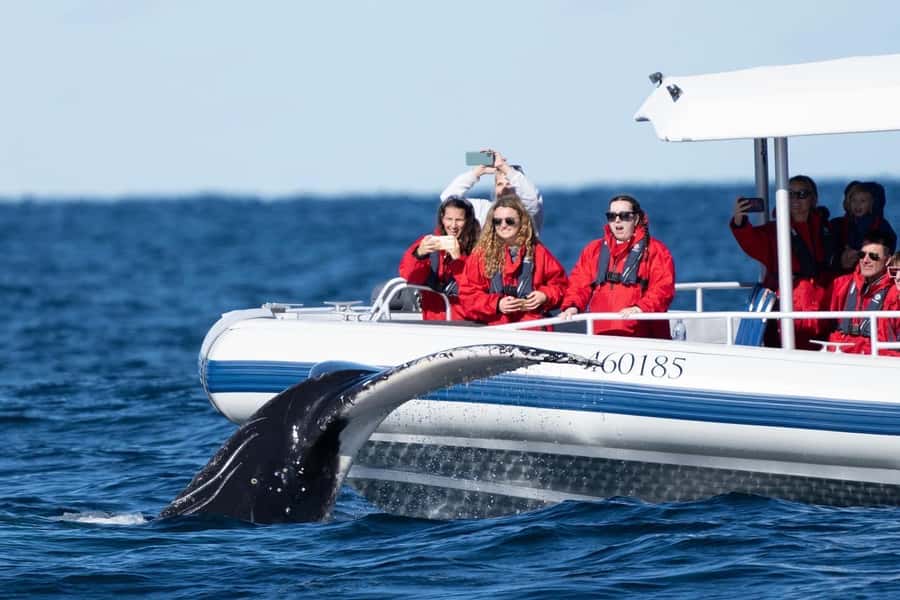
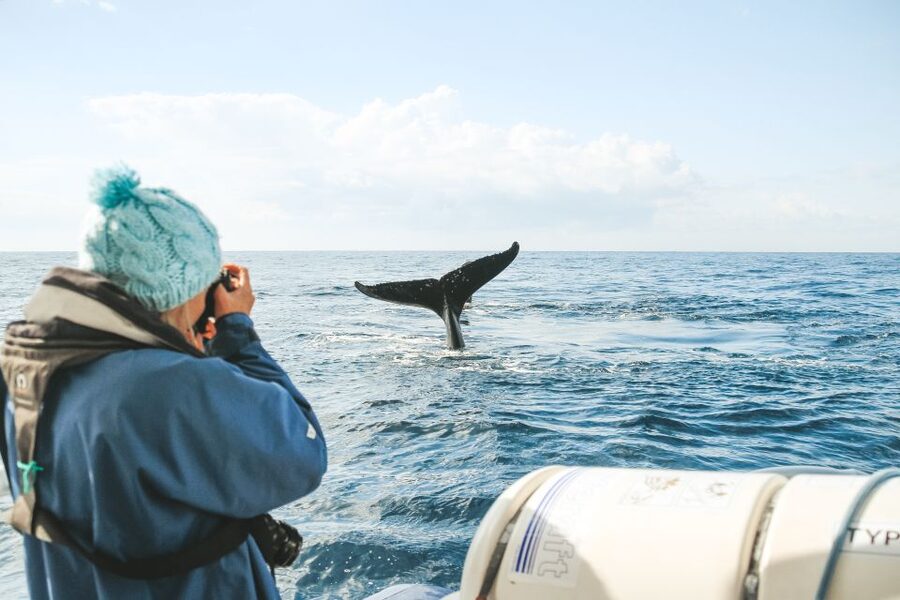
The boats are a strong part of the offering. One vessel seats 25 people and another seats 20, so this is not a packed sightseeing ferry. The compact size gives you a better chance of seeing activity on either side of the boat, especially with the 360-degree viewing design.
You will find a covered roof and waterproof ponchos on board. Those details sound modest, but they make a difference when the wind picks up or spray comes over the bow. Bring your own warm layers anyway. A jumper, beanie, scarf, gloves, and a spray jacket are sensible additions, even though ponchos are provided.
The hull design is intended to keep the ride smooth in different cruising conditions. That does not mean the boat will feel calm in every swell. One person reported seasickness during rough weather, while another found the ride comfortable and had no trouble at all. Ocean conditions can change the character of the trip quickly.
For the best chance of moving your gaze from side to side, seats toward the back may help. One account specifically praised the rear seats because they allowed easy views over either side of the boat. Still, all seating positions can offer good sightings, and the crew may ask everyone to move or share viewing space when whales appear.
What the Marine Biologist Adds
A standard whale cruise can leave you waiting for a fin with little context. Here, a qualified marine biologist explains what you are seeing and why the whales use this part of the coast during migration.
The commentary covers topics such as migration routes, breeding behavior, whale age, feeding, and conservation. Guides including Gabby, also identified as Gabi in some trip details, have been praised for answering questions fully and keeping the commentary lively. The exact guide changes by departure, but the marine biology role is built into the experience.
That science makes a quiet stretch of sea more interesting. A whale may surface only briefly, and a distant blow can be easy to miss if you do not know what to watch for. The guide can help you understand the difference between a surface breath, a tail slap, a fin display, and a breach.
You should not expect a formal classroom lecture. The value comes from short explanations delivered as the crew follows whale activity. When whales are close, the guide can help you stay focused on behavior rather than simply trying to take a photograph.
Hearing Humpback Song Underwater
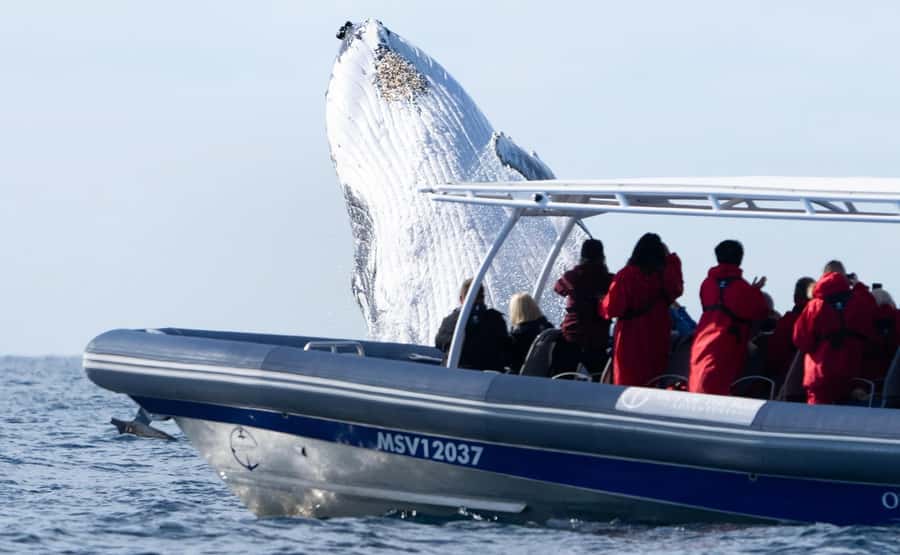
The hydrophone is one of the most distinctive features of this cruise. It is lowered into the water so you can listen to live humpback whale song during the trip.
You may not hear singing at every moment. Whale song depends on the animals nearby and their behavior, and the ocean can be noisy. Still, the chance to hear the sounds beneath the boat adds something that shore viewing cannot provide.
This is especially useful if the whales are not breaching. A calm period at the surface does not mean nothing is happening below. The hydrophone gives you another way to connect with the animals while the crew continues to watch for movement.
Bring a camera if you want photographs, but do not spend the whole cruise looking through a screen. Whales can surface behind the boat or several metres to one side, and the best moments may last only seconds. Photos from the trip are uploaded to social media, which gives you a better chance of keeping a record without photographing every breath yourself.
More Whale Watching with a Marine Biologist in Australia:
- Byron Bay Whale Watching with Marine Biologist
★ 4.9 · 66 reviews - Azores: Whale Watching & Islet Boat Tour w/ Marine Biologist
★ 4.7 · 2,945 reviews - São Miguel: Whale-Watching Cruise with Marine Biologist
★ 4.6 · 1,311 reviews - SMALL GROUP Whale Watch | Cabo San Lucas | Biologist | FREE Pics
★ 5.0 · 1,106 reviews
The Main Wildlife: Humpbacks, Dolphins, and Turtles
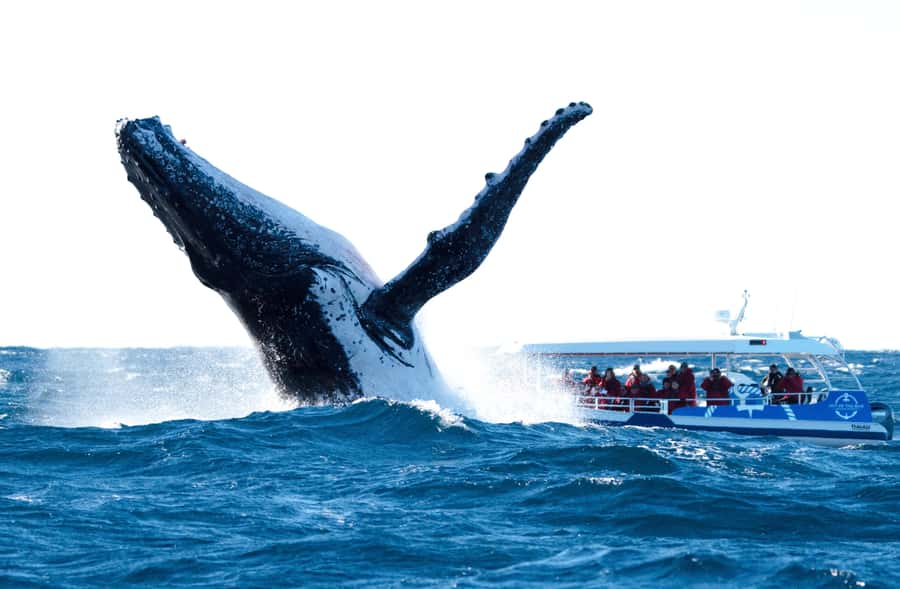
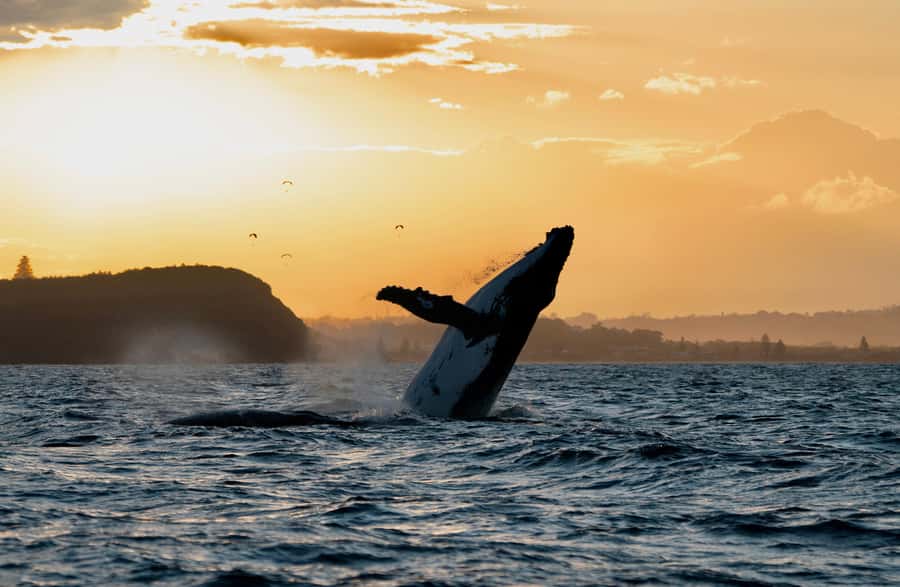
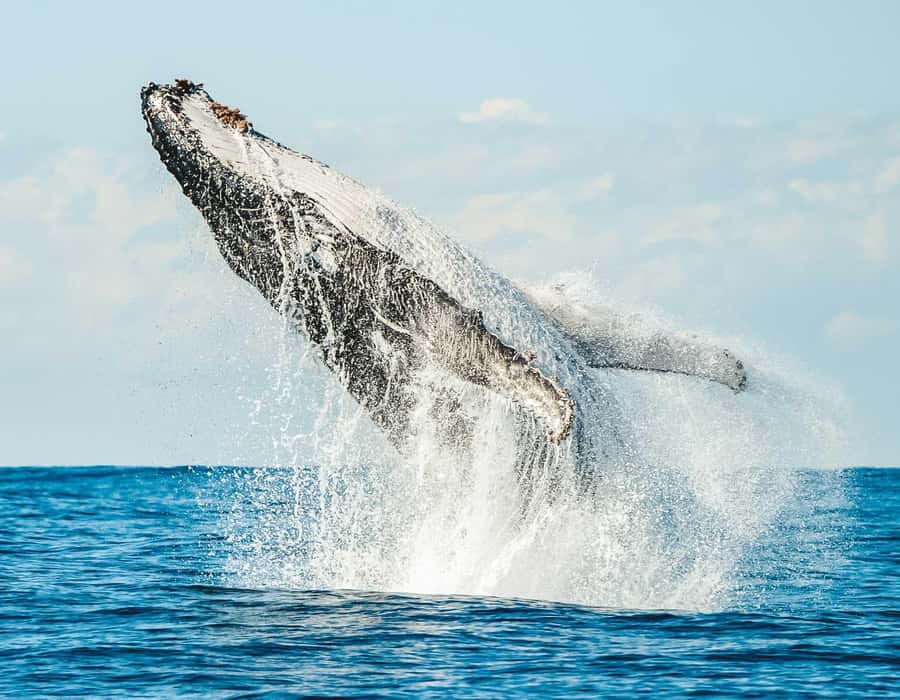
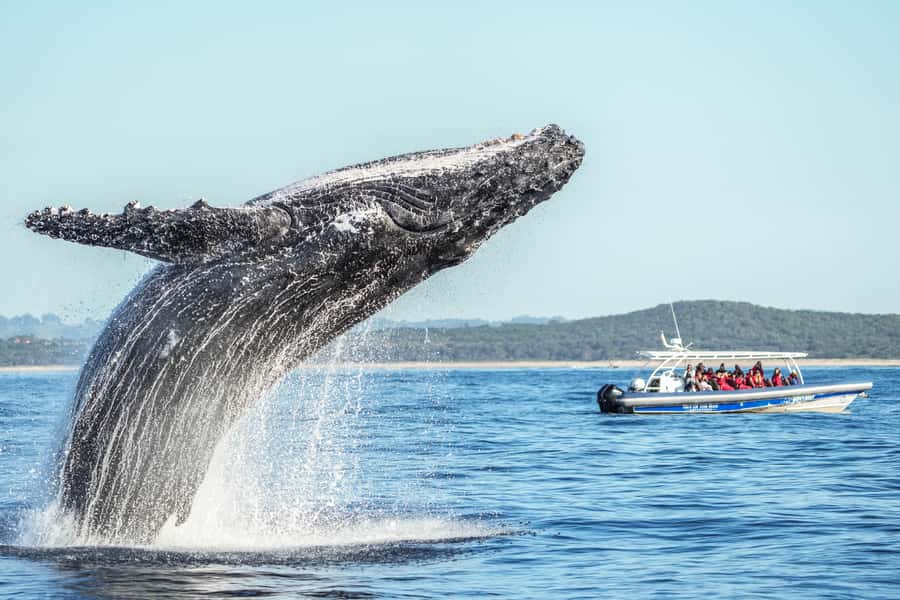
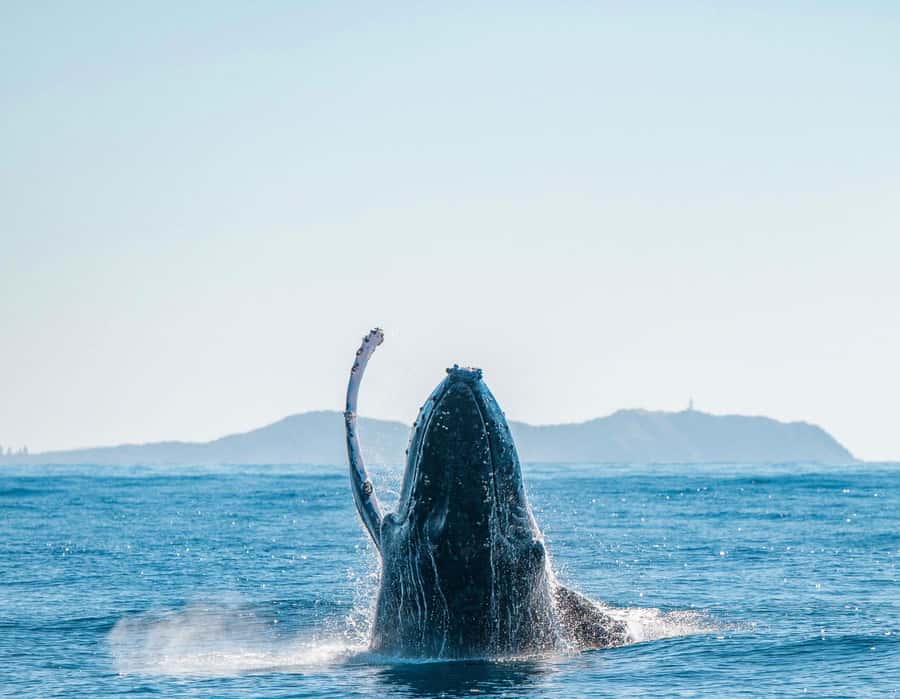
Humpback whales migrate along the coast between Ballina and Byron Bay, and Cape Byron Marine Park is the central wildlife area for this cruise. Sightings can range from distant blows to dramatic breaches, tail slaps, fin displays, and belly rolls.
Some outings have included several separate groups of whales. A mother and calf have been seen together, and whales have approached close to the boat. That kind of encounter is possible, but it should not be treated as a promise of a close pass or breach. The crew must keep a respectful distance, and the whales decide what happens next.
Dolphins are another possible bonus. Turtles have also been spotted. These sightings add variety, but the cruise is sold around humpback whales, not as a general marine wildlife safari with a fixed list of animals.
The whale guarantee gives you useful protection against a quiet trip. If you do not see a whale, the operator offers a free return cruise. You still need to make time for another departure, and the guarantee does not promise that a second trip will produce a breach or a close approach. It does reduce the risk of paying for a fruitless outing.
Timing, Weather, and Seasickness
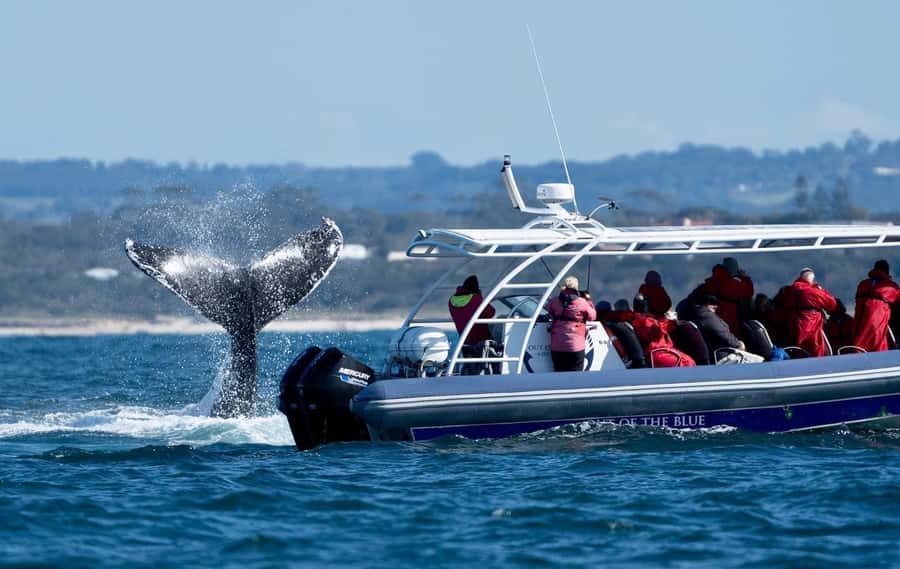
The whale season is tied to migration, and the supplied trip accounts show strong sightings from June through November, with reports also available at other times of year. You should check current availability and seasonal conditions when booking rather than assume every month will offer the same action.
Weather is the biggest variable. An overcast day does not necessarily ruin whale watching, but wind and swell can make the ride uncomfortable and can block your view at the wrong moment. Poor ocean conditions can also lead to a cancellation. If that happens, the operator offers a change of day or a full refund.
I would take motion sickness prevention seriously, especially if you are not used to small boats. The experience information specifically recommends bringing motion sickness prevention, and one person who became ill still received help from the crew. Take practical steps before boarding rather than waiting until the boat reaches open water.
Warm clothes matter even on a sunny day. Ocean wind can feel sharp once the boat is moving, and wet clothing can make the return ride unpleasant. Wear comfortable shoes, leave high heels at home, and avoid bringing large bags or luggage.
Is $91 Good Value?
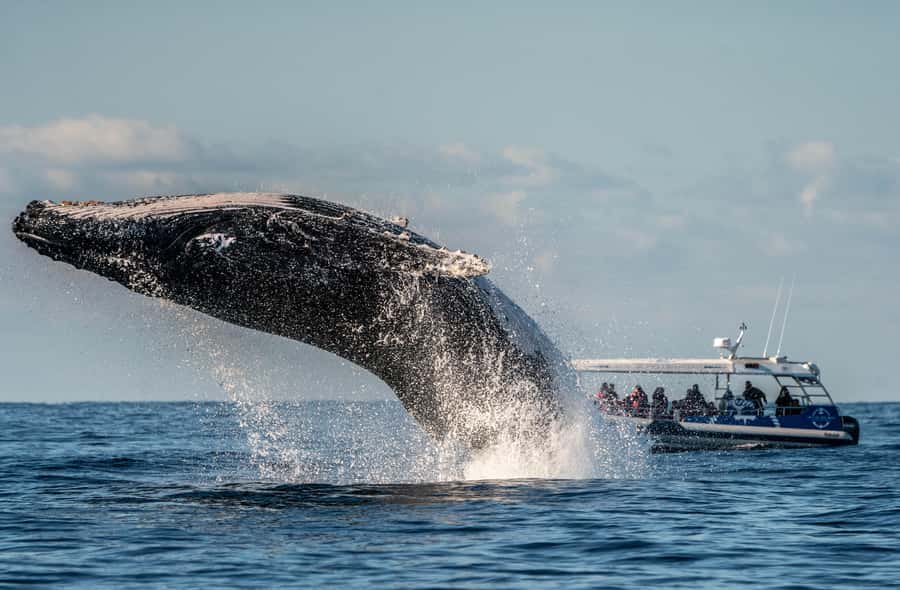
At $91 per person, this is not the cheapest way to see whales. You can sometimes spot humpbacks from the coast, and one person felt that shore viewing offered plenty of whale activity without paying for a boat.
The boat gives you something different. You travel out to the marine park, see the coastline from the water, receive live commentary from a marine biologist, and may hear whale song through the hydrophone. You also have the chance to see whales from multiple angles rather than waiting at one lookout.
The small passenger numbers improve the value. A 20 or 25-person boat feels more personal than a large vessel, and the open sight lines reduce the problem of being stuck behind rows of heads. The covered roof, ponchos, modern vessel, and whale guarantee add practical value as well.
I would call the price fair if whale watching is a priority during your time on the North Coast. If you are mainly seeking a scenic boat ride and would be satisfied with viewing whales from shore, you may prefer to save the money. The guarantee makes this a safer choice than a boat trip with no second chance, but it cannot control the weather or the animals.
Who Will Enjoy This Most?
This cruise suits adults, couples, families with children aged five and older, and anyone who wants some science along with wildlife viewing. Teenagers may especially enjoy the mix of fast boat travel, live animals, and the possibility of a dramatic breach.
It also suits photographers, although you need to accept that the boat will move and the whales will not pose. The rear seats may offer useful side-to-side viewing, but there is no promise of a particular seat or encounter.
The trip is less suitable for pregnant people and anyone with back problems. It is also not recommended for children under five. The activity information says the experience is wheelchair accessible, but it also lists wheelchair users among those it is not suitable for. That is a clear inconsistency. If you use a wheelchair, contact the operator before booking and ask about boarding, seating, and access on your specific departure.
Unaccompanied minors are not allowed. Every child must have an adult with them.
Practical Details Before You Book
The cruise is conducted in English. Food and drinks are not included, so eat beforehand and bring only what the operator permits. Large bags, alcohol, drugs, and smoking are not allowed on board.
You can cancel up to 24 hours before departure for a full refund, and the reserve-now-pay-later option lets you hold a place without paying immediately. These terms help if your coastal plans depend on weather.
Plan extra time for arrival. The required 30-minute check-in may feel long, especially for the first departure, but it gives you time to find the wharf, meet the crew, and board without a last-minute rush. The boat returns to Lance Ferris Wharf after the marine park cruise.
Should You Book the Ballina Whale Cruise?
I would book this if you want an active whale-watching outing with a strong educational side. The marine biologist commentary, hydrophone, small boat, and whale guarantee make it more useful than a simple ride offshore.
I would think twice if you are highly prone to seasickness, have back problems, or want a completely calm sightseeing trip. Check the marine forecast, bring warm clothing, and consider choosing an early departure if Ballina parking is a concern.
The most sensible approach is to treat the whales as wild animals, not a scheduled performance. You may see breaching humpbacks, dolphins, and turtles, or you may spend more time scanning the water than taking photographs. The free return trip helps balance that uncertainty, and at $91, the experience offers solid value for anyone who wants to see Cape Byron Marine Park from the water and hear what is happening beneath it.
FAQ
Where does the whale-watching cruise depart from?
The boat departs from Lance Ferris Wharf at 12 to 24 Fawcett Street, Ballina, directly in front of The Wharf Bar and Restaurant.
How early should I arrive?
You should arrive 30 minutes before your scheduled departure and look for crew members wearing Out Of The Blue Adventures uniforms.
How long does the cruise last?
The activity lasts 150 minutes. The marine park portion is described as about two hours, followed by the return to Lance Ferris Wharf.
What departure times are available?
Cruises operate at 7:30am, 10am, 12:30pm, and 3pm daily, subject to availability and ocean conditions.
What happens if I do not see a whale?
The operator offers a free return whale-watching cruise if you do not see a whale on your first trip.
What should I wear and bring?
Bring comfortable shoes, warm clothing, sunglasses, and a camera. A jumper, beanie, scarf, gloves, and spray jacket are recommended because the ocean breeze can be cold. Waterproof ponchos are provided, and motion sickness prevention is worth considering.
Are children allowed on the cruise?
Children must be at least five years old and must be accompanied by an adult. Unaccompanied minors are not allowed.
Is the cruise wheelchair accessible?
The activity information describes the cruise as wheelchair accessible but also says it is not suitable for wheelchair users. Contact the operator before booking to confirm whether your specific mobility needs can be accommodated.
New whale trips around Australia
- Coral Bay: 3-Hour Whale Watching Experience★ 4.9 · 25 reviews
- Byron Bay Whale Watching with Marine Biologist★ 4.9 · 66 reviews
- Byron Bay: Whale Watching Tour★ 5.0 · 3 reviews
- Broome: Whale Watching & Sunset Cruise★ 4.9 · 41 reviews
- Bundaberg: Whale Watching Sightseeing Cruise with Lunch★ 4.9 · 24 reviews
- Broome Sunset & Whale Watching Cruise★ 5.0 · 2 reviews
- Bremer Bay: Bremer Canyon Killer Whale Expedition★ 4.9 · 114 reviews
- Bremer Canyon Orca Experience from Bremer Bay★ 4.6 · 35 reviews
Whale Watching with a Marine Biologist, compared.
Whale Watching & Islet Boat Tour w/ Marine Biologist
Read our review →
São Miguel: Whale-Watching Cruise with Marine Biologist
Read our review →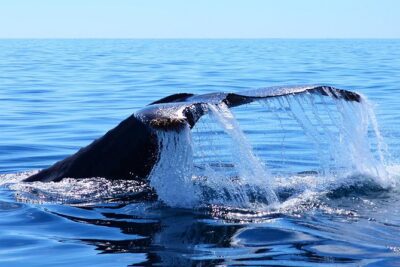
SMALL GROUP Whale Watch | Cabo San Lucas | Biologist | FREE Pics
Read our review →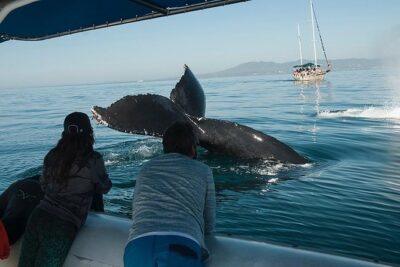
Whale and Dolphin Watching with a Biologist in Puerto Vallarta
Read our review →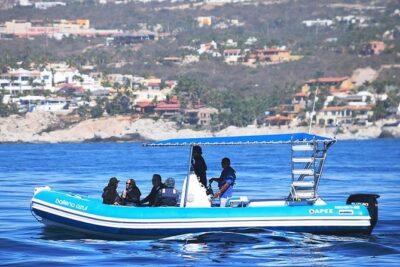
ZODIAC Whale Watch Tour | Cabo San Lucas | Biologist | FREE Pics
Read our review →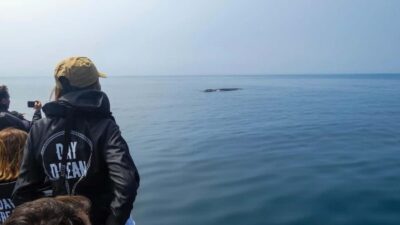
Arrábida Dolphin and Whale Watching with Biologist
Read our review →
PRIVATE Whale Watch Tour | Cabo San Lucas | Biologist | FREE Pics
Read our review →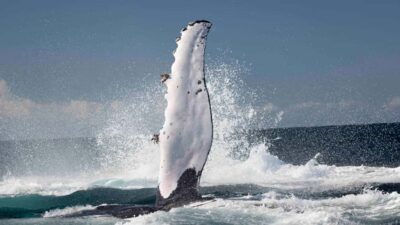
Browse the lists this tour appears in