
Review · WHALE WATCHING WITH A MARINE BIOLOGIST
São Miguel: Whale-Watching Cruise with Marine Biologist
São Miguel’s whale-watching waters offer a fine chance to see dolphins and whales where they belong, far from tanks and staged shows. The trip uses shore-based lookouts with powerful binoculars, then approaches the animals slowly and carefully. Guides such as Mark, Sarah, Raquel, and Mateo bring the biology to life without turning the outing into a dry lecture.
I like the 98 percent sighting rate and the no-sighting policy, which gives you a free return trip or full refund. I also like the split between a steady catamaran and a lively zodiac, plus the chance to see several species in one outing. The main drawback is the sea itself: a zodiac can be wet and rough, and the tour may be changed or canceled in extreme weather.
Key points at a glance
- Lookouts do the searching: Shore-based spotters use military-grade binoculars and radio the boat crew with animal locations.
- Marine biology guides lead the trip: Guides explain feeding, movement, and species identification during the cruise.
- Expect more than one sighting: Dolphins are common highlights, with sperm, sei, and other whales possible.
- Pick your boat with care: A catamaran offers more shelter and comfort, while a zodiac gives you speed and a closer-to-the-water feel.
- The return route has its own reward: The boat passes São Miguel’s coastal rock formations on the way back to Ponta Delgada.
- The policy reduces the risk: If no whale or dolphin appears, you can request a full refund or book another trip at no charge.
Why São Miguel is such a strong whale-watching base
The Azores sit in the Atlantic, far from mainland Portugal, and the deep water around the islands brings many cetacean species within reach of a day boat. São Miguel is widely regarded as one of the world’s top whale-watching areas, but this is still a wild-animal outing. No crew can order a whale to surface on cue.
That uncertainty is part of the appeal. You are not visiting a fixed exhibit. You are scanning open water, watching for a blow, a fin, or a sudden movement among the waves. On good days, you may see several groups, including bottlenose dolphins, Atlantic spotted dolphins, striped dolphins, sperm whales, or sei whales.
The trip’s setup improves your odds. Shore lookouts watch from strategic points along the coast and pass sightings to the boat by radio. This saves time and helps the crew reach active areas rather than searching blindly for three hours.
I also appreciate the use of visual lookouts instead of sonar, as described during the experience. That approach supports the company’s stated aim of keeping contact with the animals calm and respectful.
More Whale Watching Cruises in Portugal
- Funchal: Dolphin and Whale Watching Catamaran Cruise
★ 4.5 · 5,697 reviews - Funchal Bay: Dolphin & Whale Watch Luxury Catamaran Cruise
★ 4.2 · 2,684 reviews - Funchal: Dolphin and Whale Watching Cruise
★ 4.7 · 844 reviews
Meeting at Ponta Delgada Marina
You meet at Picos de Aventura, at the marina across from Hotel Marina Atlântico. Look for the boat marked with the activity provider’s name. Hotel pickup is not included, so leave enough time to reach the marina on your own.
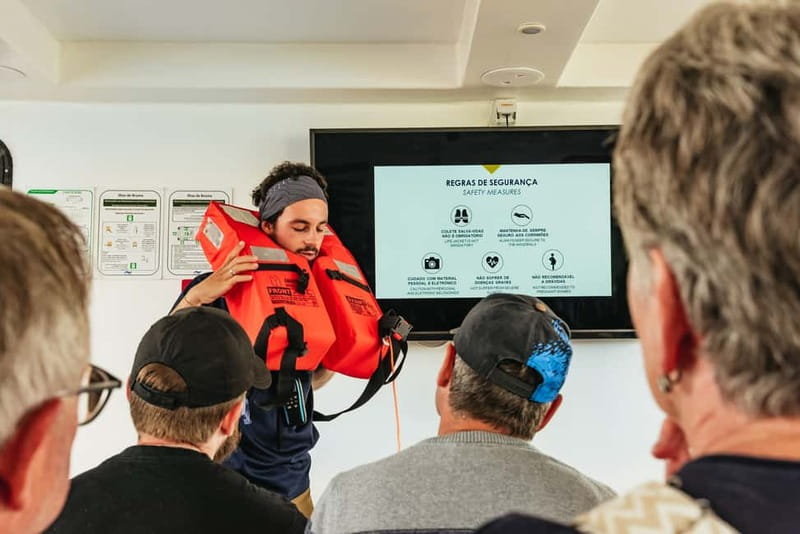
The outing begins with about 20 minutes of safety instructions. You receive a life jacket and raincoat, meet the crew, and hear the basic code of conduct for approaching marine life. Pay attention here. The briefing explains both how to stay safe and why the boat does not rush directly into a pod.
Wear warm clothing even on a sunny morning. The boat moves quickly, and wind can make the open water feel much cooler than the marina. Closed-toe shoes are required. Sandals and flip-flops are not allowed, and large bags or luggage should stay behind.
Bring sunglasses and a reusable water bottle. Food and drinks are not included, so eat beforehand if you need more than a snack. If you are prone to motion sickness, a light meal is usually more sensible than boarding after a heavy one.
Catamaran comfort or zodiac excitement
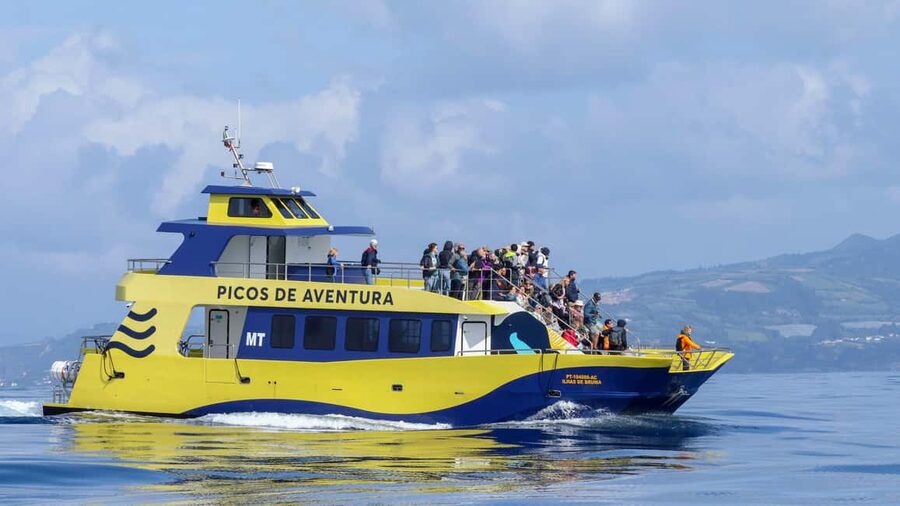
The exact boat matters more than many people expect. The catamaran is the better choice if you want shelter, more room, and a calmer ride. One catamaran has a bathroom, which can make a real difference for families and anyone who prefers not to spend three hours on a small open boat.
A catamaran may keep you a little farther from the water and from the animals than a zodiac. That is not necessarily a bad trade. You get a steadier viewing platform and more protection from spray, rain, and wind. One passenger captured a distant whale calf on video from this type of boat, even though the vessel did not approach as closely as a speedboat.
The zodiac is more adventurous. It is fast, sits low on the water, and gives you an exciting sense of motion as it crosses the open sea. The tradeoff is a bumpy ride, especially near the front and in choppy conditions. The back is generally more stable, according to practical advice given after the trip.
This is not a good fit if you have back problems, heart problems, or limited physical strength. Pregnant people and children under six are not accepted. The staff takes care with older passengers, but the sea can still be demanding. If you want the most comfortable option, request or select the catamaran when available.
Two and a half hours among whales and dolphins
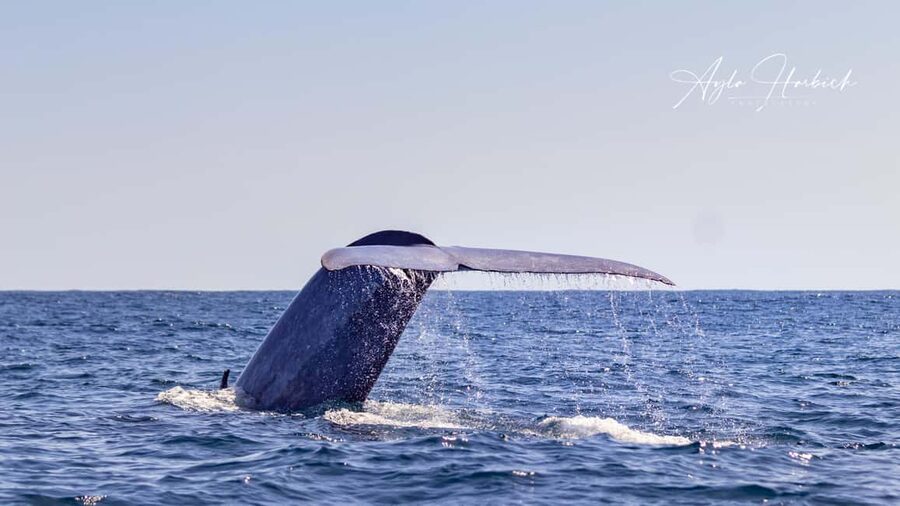
After the briefing, you spend about two and a half hours at sea. The crew listens to the shore lookout and adjusts the route toward reported animal activity. You may see one large group, several smaller pods, or a mix of dolphins, whales, seabirds, and other ocean life.
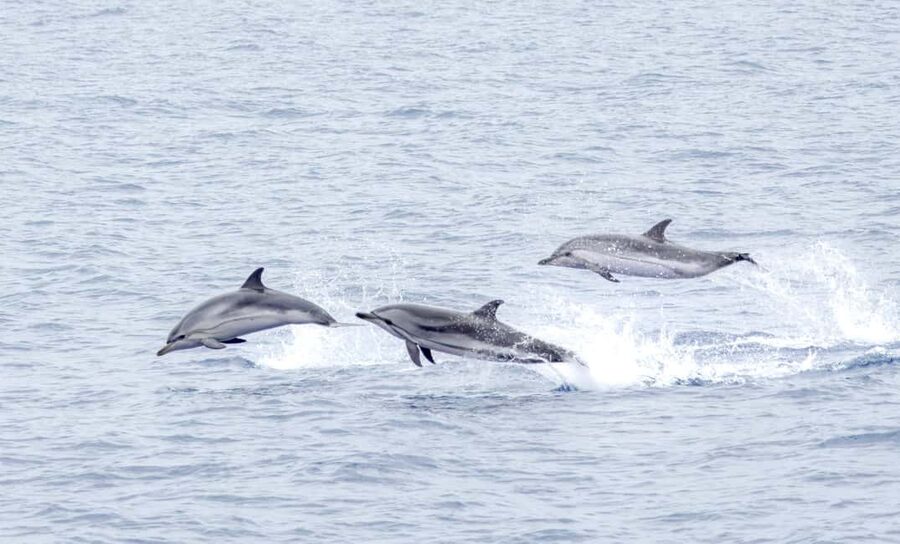
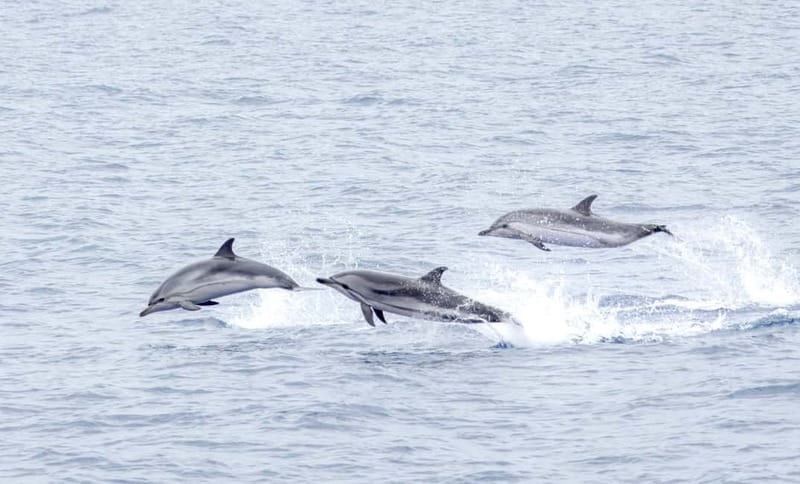
Dolphins often provide the first action. Bottlenose dolphins may approach the boat, while Atlantic spotted or striped dolphins can appear in larger groups. Some outings have included hundreds of dolphins moving together, with animals racing alongside the boat or riding the waves near the bow.
The crew’s handling is important. The boat slows near a pod and allows the animals to choose the distance. You may feel that the vessel is not getting close enough at first, but this restraint is the right approach. The experience is much better when the animals come toward you by choice.
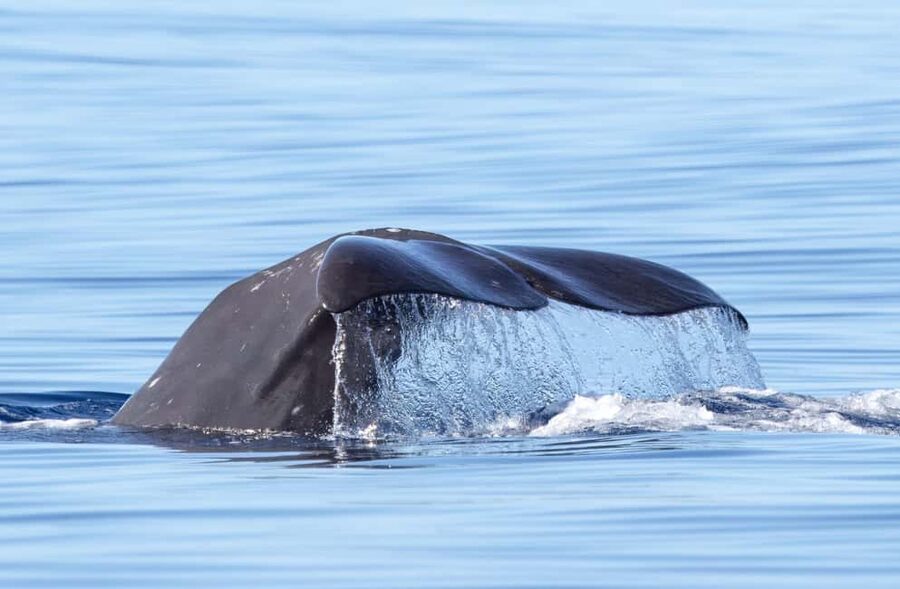
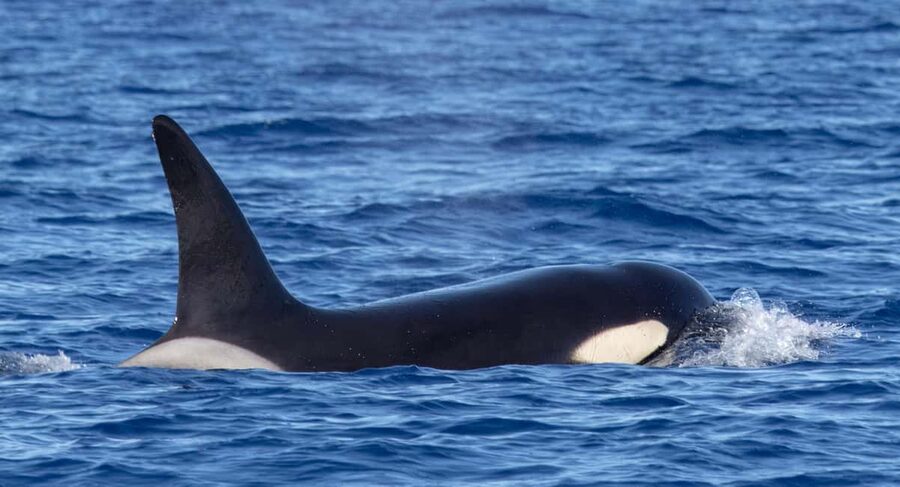
Whales create a different kind of excitement. Sperm whales are a frequent highlight in the accounts of this trip, while sei whales have also appeared in several outings. Other sightings have included possible minke whales, blue whales, and even an orca. These sightings are not promised, but the range shows why the Azores can reward repeated visits.
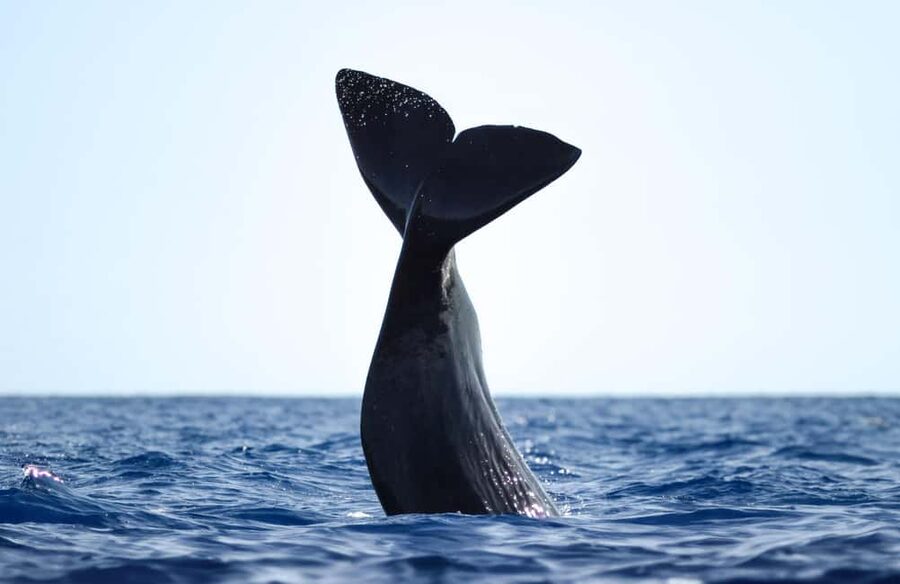
The most memorable moments can be brief. A whale may surface several times, show its back, lift its tail, or disappear before you have your camera ready. One outing included a mother and calf, while another produced a jumping sperm whale. Keep watching even after the first sighting. The crew may find another group before heading home.
More Whale Watching with a Marine Biologist in Portugal:
- Azores: Whale Watching & Islet Boat Tour w/ Marine Biologist
★ 4.7 · 2,945 reviews - Sesimbra: Arrábida Dolphin and Whale Watching with Biologist
★ 4.9 · 310 reviews - SMALL GROUP Whale Watch | Cabo San Lucas | Biologist | FREE Pics
★ 5.0 · 1,106 reviews - Whale and Dolphin Watching with a Biologist in Puerto Vallarta
★ 5.0 · 666 reviews
What the marine biologist adds
The guide is more than someone who points at a fin. The marine biologist explains what you are seeing, how the animals behave, and why the boat holds its position. During the ride back, guides often move around the boat to answer individual questions.
Mark and Sarah have led outings praised for clear explanations and a strong feel for the animals. Raquel has been noted for keeping the mood lively, while Mateo has explained sightings in a way that helped people follow the action. Bia has also been singled out as a warm and engaging companion. Guide assignments can change, so do not book expecting one particular person.
The best part of the commentary is its connection to what is happening in front of you. A guide can explain why birds gathering over the water may point toward fish, or why a pod changes direction. In one especially unusual feeding scene, dolphins, whales, birds, and tuna were all active in the same area. You may not see that exact event, but the guide helps you understand the signs when the ocean becomes busy.
The crew also answers questions one on one. That is useful if you want to know the difference between a sperm whale and a sei whale, or why dolphins behave differently from one another. The audio system may not always be perfectly clear, so move closer to the guide if you miss an explanation.
Wildlife ethics are part of the experience
This is not a fast chase after every animal. The crew follows a code of conduct and keeps a safe distance. The boat may slow down, change its angle, or wait for the animals to decide how near they want to come.
That care matters for two reasons. First, it reduces stress on wildlife. Second, it gives you a more natural encounter. Dolphins that choose to swim beside the boat are more interesting than dolphins being pushed into its path.
The guides’ attitude is one of the strongest parts of the outing. They show excitement without treating the animals like performers. You may hear a guide express surprise at an unusual sighting, but the focus stays on the animal’s behavior and habitat.
Photography requires patience. A long zoom lens can help, but a steady phone or camera is still useful when dolphins approach. Polarized sunglasses may be more practical than binoculars because faraway animals move quickly and can be hard to focus on through a small lens. Keep your camera ready, but do not spend the whole trip staring at a screen.
The coastline on the way back
The return to Ponta Delgada is not simply a ride back to the dock. The boat runs near São Miguel’s coast, giving you views of sea cliffs, volcanic rock, and other geological formations.
The coastline provides a useful change of pace after hours of scanning the sea. You can watch the island’s rock structure from a different angle, with waves breaking below and the boat moving close to shore. On some trips, the crew may adjust the route to see more dolphins before returning.
The ride can still be wet or windy. Keep the raincoat handy even if the sky looks clear when you leave. A waterproof phone pouch is a sensible extra, although it is not listed as part of the included equipment.
Is the $76 price fair?
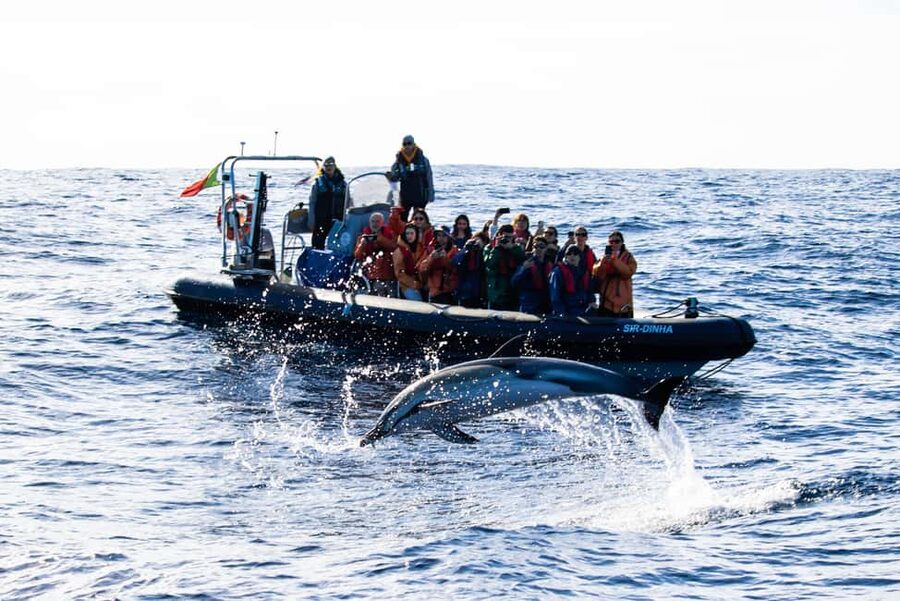
At $76 per person, this is not the cheapest way to spend three hours in São Miguel, but the price is reasonable for a guided marine biology outing with crew, boat transport, life jacket, and raincoat included. You are paying for skilled spotting as well as the boat ride.
The shore lookout system gives the crew a better chance of finding wildlife than a simple cruise around the bay. The 98 percent sighting rate is also reassuring, though you should understand that the guarantee covers whales or dolphins, not a particular species or close encounter.
The refund or free rebooking policy improves the value. If the regular Ponta Delgada trip produces no whale or dolphin sightings, you can receive a full refund or return for another outing. The North Coast option from Rabo do Peixe offers the same arrangement when available on Thursday, Friday, and Saturday.
You still need to budget for your own food and drinks, and there is no hotel transfer. If you choose a zodiac, you are also accepting a more active ride rather than paying for comfort. For a first whale-watching trip in the Azores, the combination of wildlife expertise, sighting support, and a clear no-sighting policy makes the cost easier to justify.
Timing, weather, and the best type of participant
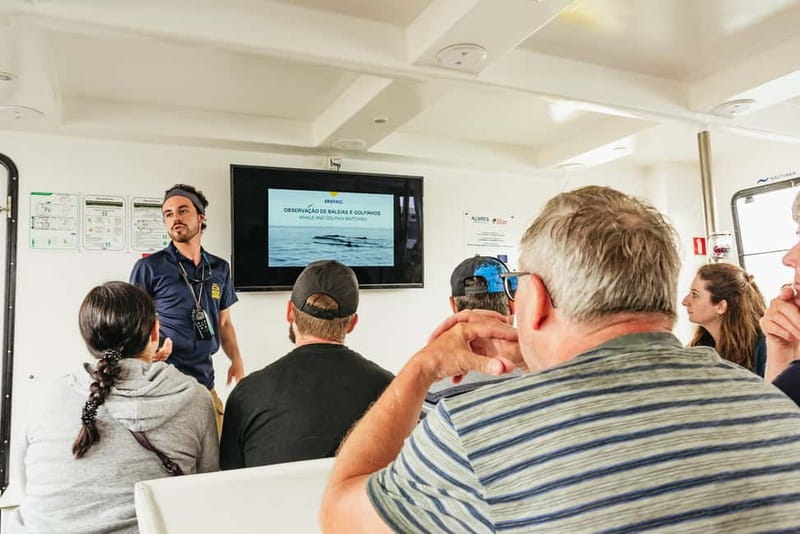
The tour lasts three hours, including the safety briefing and about two and a half hours on the water. Starting times vary, so check the schedule when booking. A late afternoon departure can work well. One outing that began at 4:30 p.m. still found two dolphin species and a mother whale with her calf.
Weather controls the experience. The operator may reschedule or cancel in extreme conditions. Wind and waves do not always stop the trip, but they can make the ride rough and wet. A sunny day can still feel cold offshore, so dress in layers.
I would choose this for couples, families with older children, solo visitors who enjoy nature, and anyone who wants more explanation than a standard boat ride provides. It is especially good for people who care about animal welfare and want to understand what they are seeing.
I would hesitate if you need a smooth ride, dislike open water, or have a medical condition affected by bumps and sudden movement. A catamaran may solve some comfort issues, but it cannot turn the Atlantic into a lake.
Should you book the São Miguel whale-watching cruise?
Yes, if you can accept that wild animals set the schedule. The strongest reasons to book are the marine biologist guides, the shore-based lookout network, the respectful approach, and the sighting guarantee.
Choose the catamaran if comfort, shelter, and a bathroom matter most. Choose the zodiac if you want speed, spray, and a lively ride. Bring warm layers, closed shoes, sunglasses, and a light touch with your camera.
I would book this near the start of a São Miguel stay if your schedule allows a second attempt. You may see dolphins but miss whales on one outing, or hit an extraordinary feeding scene the next day. Either way, you get a thoughtful look at the ocean around the Azores rather than a simple boat trip.
FAQ
Where does the whale-watching tour depart from?
You board at the marina across from Hotel Marina Atlântico in Ponta Delgada. The boat displays the activity provider’s name.
How long does the experience last?
The complete activity lasts three hours. About 20 minutes is used for the safety briefing, followed by roughly two and a half hours of whale watching.
What languages are available?
The live guides speak English, Portuguese, and Spanish.
What happens if no whales or dolphins are seen?
On the regular Ponta Delgada tour, you can receive a full refund or book another trip for free if no whales or dolphins are spotted. The North Coast tour from Rabo do Peixe has the same policy when available.
What should I wear and bring?
Bring warm clothing, sunglasses, closed-toe shoes, and a reusable water bottle. A raincoat and life jacket are provided. Sandals, flip-flops, luggage, and large bags are not allowed.
Who should not join this activity?
The tour is not suitable for children under six, pregnant women, or people with back or heart problems. The zodiac can be especially bumpy, so choose the catamaran if you need a steadier boat.
New whale trips around Portugal
- Watching whales and dolphins on Terceira Island★ 5.0 · 150 reviews
- Terceira Island Whale Watching and Jeep Tour★ 4.9 · 27 reviews
- Whale and Dolphin Watching Tour at Terceira Island★ 5.0 · 39 reviews
- Terceira: Whale & Dolphin Watching | Best Wildlife Tour★ 4.7 · 55 reviews
- Terceira: Half-Day Dolphin and Whale Watching Tour★ 4.6 · 219 reviews
- Terceira: Whale and Dolphin Watching in a Zodiac Boat★ 4.8 · 230 reviews
- Madeira: Whale Watching Excursion in a Traditional Vessel★ 4.7 · 273 reviews
- Funchal: RIB Whale Watching Cruise and Optional Dolphin Swim★ 4.6 · 273 reviews
Whale Watching with a Marine Biologist, compared.
Whale Watching & Islet Boat Tour w/ Marine Biologist
Read our review →
SMALL GROUP Whale Watch | Cabo San Lucas | Biologist | FREE Pics
Read our review →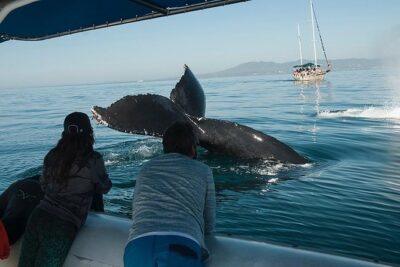
Whale and Dolphin Watching with a Biologist in Puerto Vallarta
Read our review →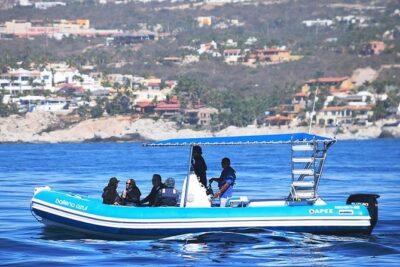
ZODIAC Whale Watch Tour | Cabo San Lucas | Biologist | FREE Pics
Read our review →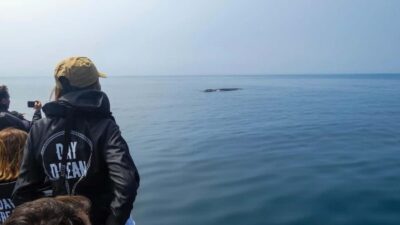
Arrábida Dolphin and Whale Watching with Biologist
Read our review →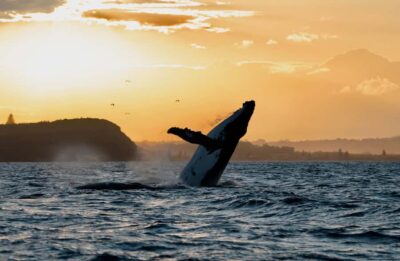
Byron Bay: Whale Watching Cruise with a Marine Biologist
Read our review →
PRIVATE Whale Watch Tour | Cabo San Lucas | Biologist | FREE Pics
Read our review →
Gray Whale Watching Tour with Marine Biologist and Small Group
Read our review →Browse the lists this tour appears in