
Review · WHALE WATCHING WITH A MARINE BIOLOGIST
Whale and Dolphin Watching with a Biologist in Puerto Vallarta
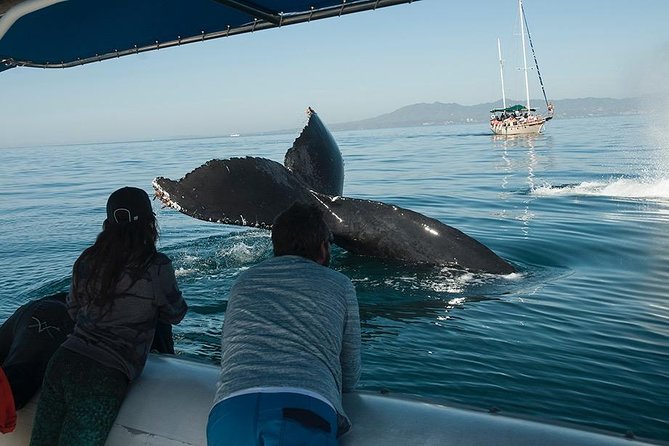
Puerto Vallarta’s winter humpback season is the star here. You head out with a marine biologist, listen for whale songs through a hydrophone, and may watch mothers, calves, males, dolphins, turtles, and giant mantas in the bay. The research angle gives the outing more purpose than a simple sightseeing cruise.
I especially like the small boat format, which makes it easier to see from both sides and gives the captain room to position the boat carefully. I also like the hands-on science, from examining baleen and whale vertebrae to learning how your observations support cetacean research.
The main caution is simple: this is wildlife, not a stage show. Some departures may wait an hour before finding whales, and there is no bathroom on the boat. The provider advertises a full refund if no animals are found, but ask about the exact terms before booking.
Key points to know before booking
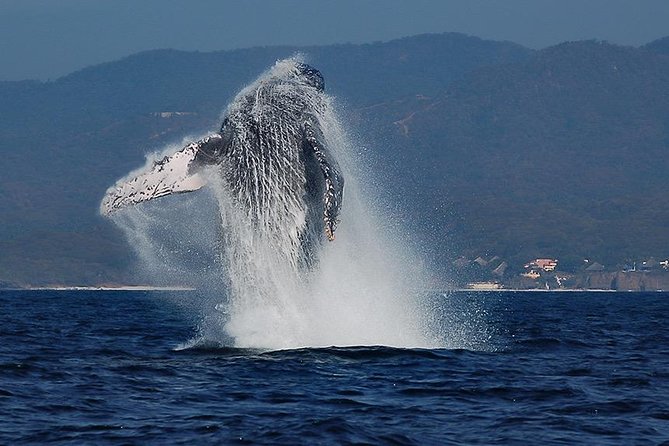
- Winter humpbacks are the main event: You may see mothers with calves, competing males, breaches, tail slaps, and whales listening or calling underwater.
- A marine biologist leads the trip: Guides including Jemma, Gema, and Camilla have explained whale behavior, parenting, migration, and dolphin habits in lively detail.
- The hydrophone adds a rare sound dimension: You may hear whale songs beneath the boat, not just watch backs and fins at the surface.
- The boat holds no more than 20 people: Recent outings commonly had about 12 to 16 people, allowing useful viewing space.
- The experience supports research: You can participate in a citizen-science project focused on whales and dolphins.
- Plan for a moving boat: Bring sun protection, secure your phone and camera, and use the restroom before departure.
Why this Puerto Vallarta whale trip feels different
Many boat trips promise wildlife and then leave you with a guide pointing at distant splashes. This experience puts biology at the center. Wildlife Connection uses biologists with marine ecology backgrounds, along with a science journalist and professional wildlife photographer, to explain what you are seeing and why it matters.
The research programs focus on whales and dolphins. Your participation helps fund and support that work, so the price covers more than fuel, a captain, and a few hours on the water. You are also encouraged to watch animal behavior rather than simply collect photographs.
That difference matters most when sightings are brief. A humpback may surface, breathe several times, and disappear. A biologist can help you understand if it is traveling, resting, courting, teaching a calf, or responding to another whale. The trip becomes a lesson in reading the sea.
The company also advertises a guarantee that it will find animals or return your money. Treat that as a useful safety net, not a promise of spectacular breaches. Wildlife can be unpredictable, and the exact refund conditions are worth confirming when you book.
More Whale Watching with a Marine Biologist in Mexico:
- SMALL GROUP Whale Watch | Cabo San Lucas | Biologist | FREE Pics
★ 5.0 · 1,106 reviews - ZODIAC Whale Watch Tour | Cabo San Lucas | Biologist | FREE Pics
★ 5.0 · 365 reviews - PRIVATE Whale Watch Tour | Cabo San Lucas | Biologist | FREE Pics
★ 5.0 · 98 reviews
Starting at Opequimar Marina
The meeting point is Opequimar Centro Marino at Av. Paseo de la Marina Sur 214 in Marina Vallarta. The activity begins and ends there, which keeps the day straightforward if you are staying near the marina or arranging your own transportation.
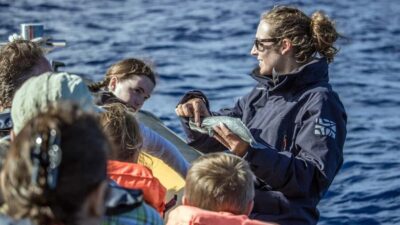
Expect an initial land briefing before boarding. This is one of the best parts for anyone who wants more than a quick boat ride. The guide may explain the local whale population, show baleen, and let you see how large whale vertebrae are. You also receive basic information about the species you might encounter and how to behave around them.
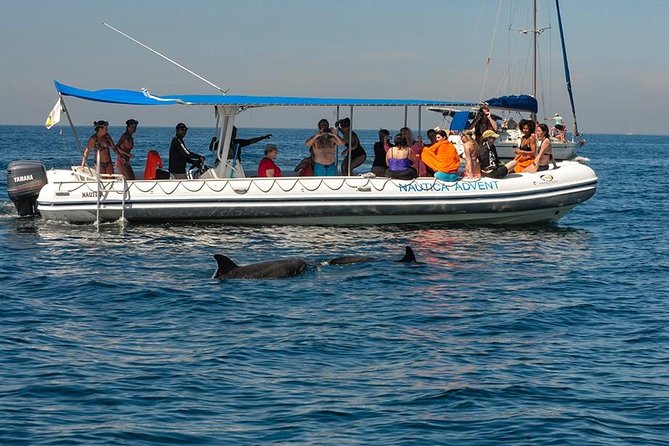
Life jackets are provided and secured before you leave the dock. The boat described in the accounts is small, covered, and suited to wildlife viewing, with room for about 15 or 16 people on many departures and a maximum of 20.
That size is a practical advantage. On a crowded party boat, a whale surfacing on the far side can become a frustrating scramble. Here, you have a better chance to move your gaze from one side to the other. Still, space is limited, so keep large bags to a minimum.
The first hour on the bay
The opening run may be fast as the captain searches for signs of whales. You might see the first humpbacks quickly, or you may spend close to an hour waiting for the first sighting. Both patterns have occurred, so do not judge the outing too early.
Captains such as Jorge and Cesar have been praised for reading the water and positioning the boat without crowding the animals. The goal is not to chase a whale at top speed. A good position lets you watch the animal surface, breathe, and move on while keeping a respectful distance.
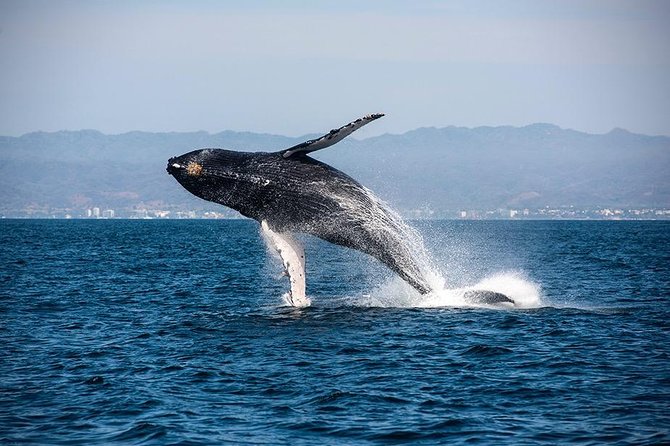
Humpbacks arrive in the Puerto Vallarta area during the winter months to mate and give birth. That creates the chance to see several kinds of behavior in one outing. A mother and calf may travel together, males may compete around a female, and a young whale may practice breaching or tail slapping.
You may also see individual whales traveling alone. The guide can help you notice small details, such as the shape of a fluke, the timing between breaths, or the way an escort whale stays near a mother and calf.
The boat’s covered design is helpful in strong sun and on windy days. It will not eliminate motion, spray, or glare, so wear quick-drying clothes and protect cameras with a dry bag or similar cover.
Watching mothers, calves, and competing males
The most memorable whale behavior is often not the biggest breach. A baby staying close to its mother, a mother repeatedly tail slapping, or a male surfacing beside a female can tell you more about whale life than a single dramatic jump.
The guides explain parenting and communication in plain terms. You may see a calf learning to move, surface, or signal. Some outings have included mothers with very young calves, several adult males, and groups of whales appearing in the same area.
Breaches are never guaranteed, but they are possible. Some departures have recorded many breaches, while others have focused on quieter behavior. If you are hoping for a photograph, the captain can help by holding a useful position and anticipating where a whale may resurface, but no captain can control the animal.
This is also where the smaller boat earns its keep. You can watch the entire animal when it rolls or breaches, rather than seeing only a distant splash between heads. Keep your camera ready, but spend some time looking without a screen. The action may last only a few seconds.
More Whale and Dolphin Watching Tours in Mexico:
- Tenerife: Eco-Yacht Whale and Dolphin Watching and Swimming
★ 4.7 · 15,619 reviews - Los Cristianos Respectful No-Chase Whale and Dolphin Safari
★ 4.6 · 12,782 reviews - From Funchal: Ecological Catamaran Dolphin Whale Watching
★ 4.5 · 8,204 reviews - Funchal: Dolphin and Whale Watching Catamaran Cruise
★ 4.5 · 5,697 reviews
Hearing whales through the hydrophone
A hydrophone can change the feel of the trip. Instead of treating whales as large shapes at the surface, you hear their calls below the boat. The guide may share songs from males and explain how sound carries through the water.
Some outings have heard different songs close to the boat and others echoing farther away. That gives you a sense of how much life is present beyond what your eyes can find.
The hydrophone is especially useful on a slower stretch of the trip. If a whale is not breaching, listening helps keep the experience active and thoughtful. It also gives children and teenagers something concrete to focus on while the boat waits for the next surface appearance.
The sound equipment is an important part of the scientific side of the experience. Ask questions about what you hear. The guide’s explanation can help you tell the difference between a passing sound and the more structured vocalizations associated with humpbacks.
Searching for dolphins, turtles, and mantas
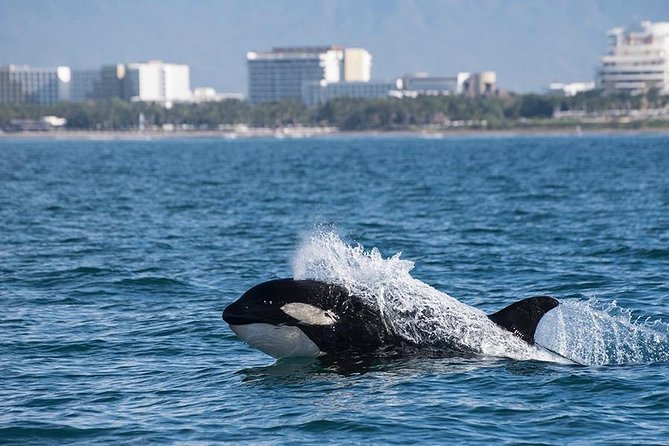
This is not only a whale trip. During the winter outing, the crew may search for bottlenose, spotted, spinner, and rough-toothed dolphins. Orcas or false orcas are also possible, though they should be considered a rare bonus rather than an expected sighting.
Dolphins can behave differently from humpbacks. You may see a pod moving quickly, playing near the boat, or traveling through its usual area. The guide can explain the species and point out how their movement differs from a whale’s slower rhythm.
Marine turtles and giant manta rays are also possible. The same applies to sea lions and seabirds, including blue-footed boobies, which have appeared on some trips. These sightings add variety, but the route is driven by conditions and animal movement, not a fixed checklist.
The captain may shift locations to find different groups. That means part of the four-hour trip can involve travel rather than constant viewing. I prefer this honest rhythm to a rushed loop that pretends every creature is waiting in one place.
What the research component means for you
Citizen science can sound vague, but here it is tied to an active whale and dolphin program. The guide shares information gathered through research and gives you a chance to help with observations during the trip.
You are not expected to be a marine scientist. Your useful role may be watching behavior, helping identify animals, or paying attention to timing and location as the biologist records what is happening. The guide directs the process.
This makes the trip a good match for curious families, students, photographers, and anyone who wants to understand marine conservation without sitting through a formal lecture. The subject is practical and immediate: you are learning about animals while they are moving through their own habitat.
It also gives the experience a responsible focus. The boat is there to observe, not to feed animals or stage a performance. The captain’s job is to provide a safe view while maintaining space around the whales.
Food, comfort, and the small-boat tradeoff
Several outings have included sandwiches and soft drinks, and one guide even prepared sandwiches for the group. I would still confirm exactly what is included when booking rather than treating food as guaranteed.
The boat is covered, but it is not a lounge. There is no bathroom on board, so use the restroom at the marina before departure. Four hours is a reasonable length for whale watching, but it is long enough for that missing facility to matter.
Wear sunscreen, sunglasses, and a hat that fits securely. Keep a light layer available for wind, especially if you are joining an afternoon outing. Phones and cameras should have wrist straps or another secure grip.
If you are prone to motion sickness, plan ahead. The boat travels on open water and may speed up or slow down while searching. The available information does not specify medication, food, or seating arrangements, so ask the operator if those concerns affect your comfort.
The maximum group size is 20, though many departures have been smaller. A group of 12 to 16 offers a good balance: enough people to make the trip social, but not so many that every sighting becomes a contest for space.
Is $105 a fair price?
At $105 per person, this costs more than a basic harbor cruise. The value depends on what you want from the outing.
If you only want a quick glimpse of a whale, a cheaper boat may satisfy you. If you want a small group, a marine biologist, research participation, underwater sound, and several hours devoted to finding animals, the price is easier to justify.
The guide’s role is a major part of the cost. Jemma, Gema, and Camilla have been singled out for their ability to explain whale communication, migration, parenting, and behavior with warmth and humor. Captains such as Jorge and Cesar add another layer by handling the boat and helping place it well.
The advertised guarantee also affects the value. The company says it will refund you if it cannot find the animals, but read the terms carefully and ask how that applies to partial sightings or weather changes.
For a family of four, the total rises quickly. For a couple treating this as a major Puerto Vallarta activity, the four-hour length and research component make it a strong choice, especially during peak winter whale season.
Who should book this experience?
I would recommend it to you if you want wildlife viewing with real explanation rather than a party atmosphere. It suits couples, families with older children and teenagers, photographers, and people who care about marine conservation.
Children can enjoy the size of the whales, dolphins, and possible manta rays, while the land briefing and hydrophone give the outing an educational frame. Most people can participate, and service animals are allowed.
The tour is less suitable if you need a private boat, a guaranteed breach, a bathroom on board, or a calm, fixed itinerary. It is also not recommended for people more than seven months pregnant.
Timing is worth considering. Morning and afternoon conditions can vary, and the whales do not follow a schedule. An afternoon departure has produced excellent sightings, but another departure may take longer to find animals. Pick a time that leaves you enough flexibility and avoid scheduling an important connection immediately afterward.
Free cancellation is available up to 24 hours before the start time for a full refund. Cancellations or changes within 24 hours are not refunded, and poor weather or failure to meet the minimum group size can lead to a new date or a full refund.
Should you book it?
Book this tour if you want to spend four serious hours looking for whales with people who understand cetacean behavior. The small covered boat, hydrophone, research work, and strong guiding team make it more substantial than a standard sightseeing ride.
Go in with the right expectation: you are buying access to a living ecosystem, not a guaranteed show. If you can accept waiting, wind, spray, and the lack of a bathroom, this is one of Puerto Vallarta’s strongest winter nature experiences. Bring patience, keep your camera ready, and leave room in your attention for the quieter moments.
FAQ
Where does the whale-watching tour start and end?
The tour starts and ends at Opequimar Centro Marino, Av. Paseo de la Marina Sur 214, Marina Vallarta, Puerto Vallarta.
How long does the experience last?
The activity lasts approximately four hours and returns to the original meeting point.
What animals might I see?
You may see humpback whales, bottlenose dolphins, spotted dolphins, spinner dolphins, rough-toothed dolphins, marine turtles, and giant mantas. Orcas, false orcas, sea lions, and blue-footed boobies are possible but not guaranteed.
Is the tour led by a marine biologist?
Yes. The guides are cetacean specialists, including biologists with master’s degrees in marine ecology. Guides named for different departures include Jemma, Gema, and Camilla.
Can I hear whales underwater?
The tour may use a hydrophone so you can listen to whale songs and other underwater sounds.
How many people can join the boat?
The maximum group size is 20 people. Some departures have had about 12 to 16 people.
Is there a bathroom on the boat?
No. Use the restroom before leaving the marina.
Is the tour suitable during pregnancy?
The activity is not recommended for people more than seven months pregnant.
What is the cancellation policy?
You can cancel at least 24 hours before the start time for a full refund. Cancellations or changes made less than 24 hours before departure are not refunded. If poor weather or insufficient bookings cancel the tour, you are offered another date or a full refund.
New whale trips around Mexico
- Puerto Vallarta: 3-Hour Whale Watching and Snorkeling★ 4.0 · 62 reviews
- Luxury Whale Watch Cruise to The Arch Los Cabos★ 4.5 · 126 reviews
- Los Cabos Seasonal Whale Watch and Snorkel Tour★ 4.5 · 20 reviews
- Small-Group Whale Watching Zodiac Boat Cruise in Cabo San Lucas★ 4.5 · 143 reviews
- Whale-Shark Snorkeling Excursion to La Paz★ 5.0 · 58 reviews
- Cabo San Lucas Whale Watching Lunch Cruise★ 5.0 · 197 reviews
- Whale Watching Dinner Cruise in Cabo San Lucas★ 4.5 · 116 reviews
- Whale Watching & Snorkeling Combo in Los Cabos with Photos Included★ 5.0 · 41 reviews
Whale Watching with a Marine Biologist, compared.
Whale Watching & Islet Boat Tour w/ Marine Biologist
Read our review →
São Miguel: Whale-Watching Cruise with Marine Biologist
Read our review →
SMALL GROUP Whale Watch | Cabo San Lucas | Biologist | FREE Pics
Read our review →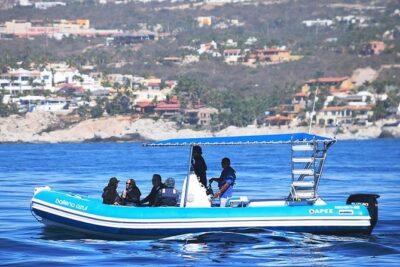
ZODIAC Whale Watch Tour | Cabo San Lucas | Biologist | FREE Pics
Read our review →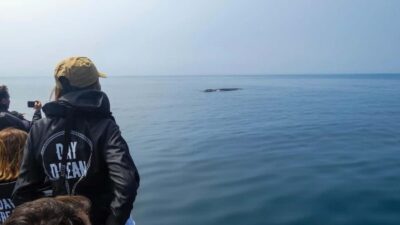
Arrábida Dolphin and Whale Watching with Biologist
Read our review →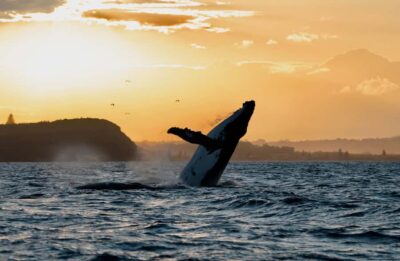
Byron Bay: Whale Watching Cruise with a Marine Biologist
Read our review →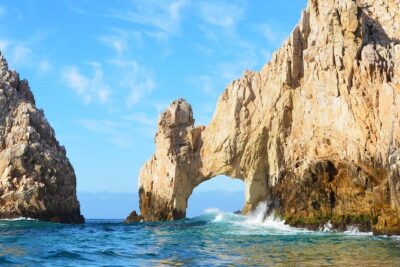
PRIVATE Whale Watch Tour | Cabo San Lucas | Biologist | FREE Pics
Read our review →
Gray Whale Watching Tour with Marine Biologist and Small Group
Read our review →Browse the lists this tour appears in