
Review · MONTEREY WHALE WATCHING TOURS
Monterey Bay: Whale Watching Tour
Monterey Bay gives you a rare advantage: its underwater canyon brings whale habitat close to shore. On this 3 to 4 hour cruise, you may watch humpbacks feeding, dolphins riding the bow, or gray whales moving south in winter. The bay can produce sightings almost daily, but wild animals keep their own schedule.
I especially like the small boat setup, which leaves room to change sides when a whale surfaces, and the guides, including Isiah, Maddy, and Isaiah, who mix marine science with humor and practical help. Hot drinks are included, and the harbor departure adds sea lions and otters before the boat reaches open water. The main drawback is simple: ocean conditions can be cold and choppy, and no whale sighting can be promised.
Key points to know before you book
- Whale seasons change the focus: Summer and fall center on feeding humpbacks, while winter trips follow migrating gray whales.
- The boat is not a floating theater: You move around to find the best view, so comfortable shoes and warm layers matter.
- Wildlife can pile up: Humpback, blue, fin, and gray whales may share the bay with dolphins, sea lions, otters, seals, and seabirds.
- Guides add real value: The onboard biologist explains behavior, feeding, migration, and conservation rather than simply pointing at animals.
- Allow extra time: Morning summer and fall trips can last 3.5 to 4 hours, and sightings may keep the boat out longer than expected.
- Motion sickness deserves planning: Remedies are sold at the office, and several passengers found it wise to take their own before boarding.
Why Monterey Bay is such a strong whale-watching choice
Monterey Bay is not just scenic coastline. A submarine canyon runs close to shore, creating deep water where whales can feed without the boat traveling far offshore. That geography helps explain why this is one of California’s best places to look for large marine animals.
The cruise enters the Monterey Bay National Marine Sanctuary, a protected stretch of ocean with important feeding and migration areas. In summer and fall, small fish and krill draw humpback whales into the bay. These whales may surface repeatedly in one area, giving you more than a quick glimpse of a distant back.
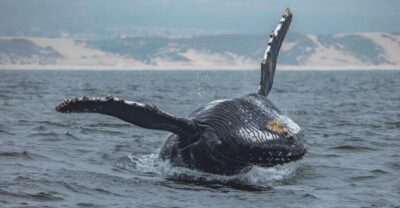
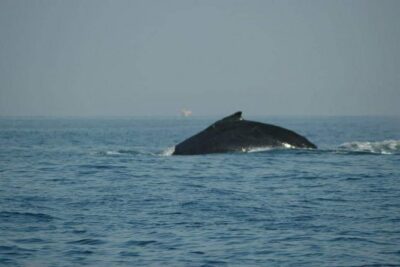
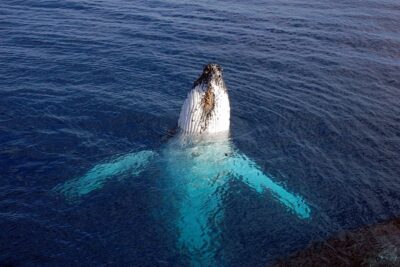
You might see a whale’s blow first, followed by its back and dorsal fin. With luck, you may catch a breach, a tail slap, or a feeding group surrounded by dolphins and sea lions. Those dramatic moments are possible, not guaranteed, so I would book this for the experience of being on the water and observing wildlife, not for a promised photograph.
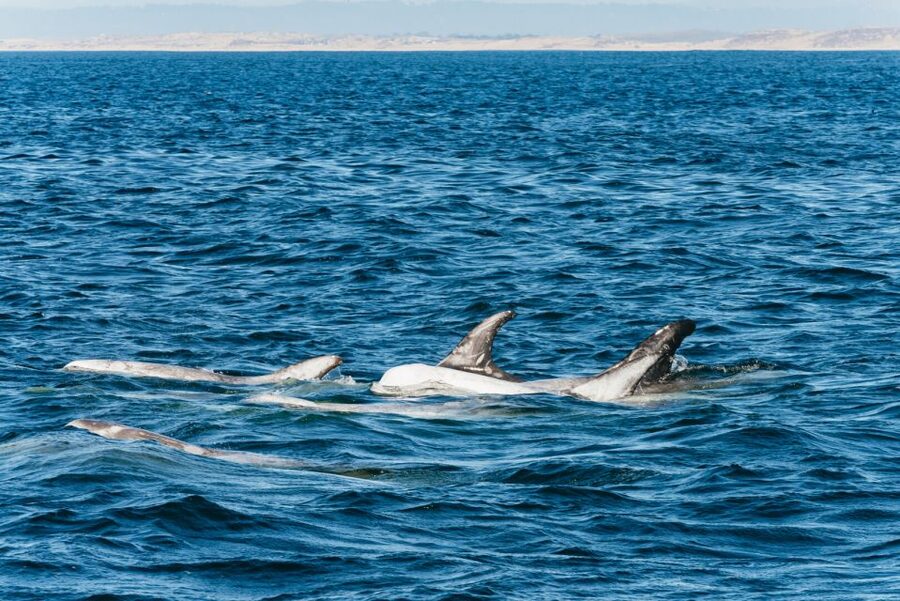
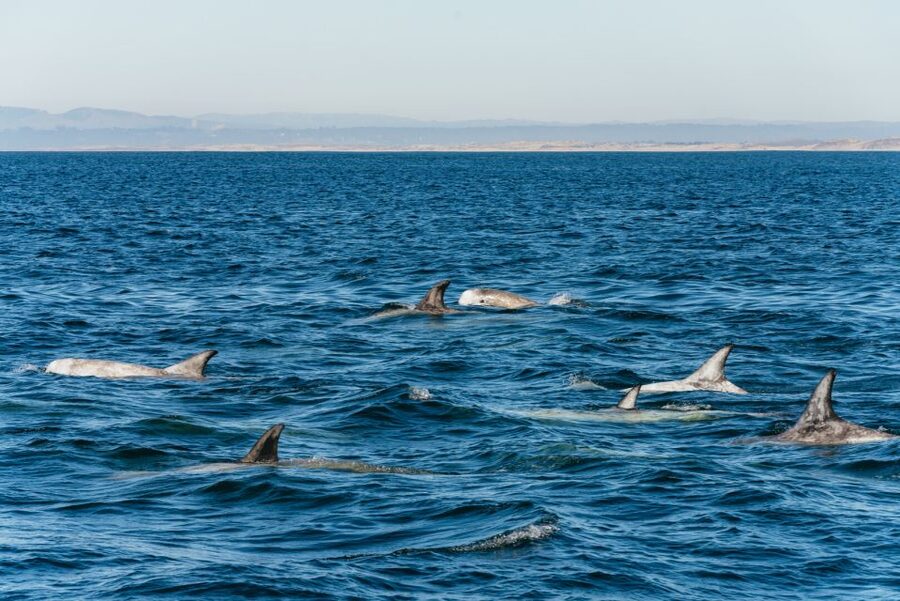
The species list is unusually broad. Humpbacks are the most regular sighting, but blue whales, fin whales, gray whales, orcas, and several dolphin species also pass through the bay. Recent trips have produced blue whales with calves, pods of orcas, Risso’s dolphins, white-sided dolphins, elephant seals, otters, and even an all-white dolphin known as Casper.
More whale watching around the USA worth comparing
- Juneau Wildlife Whale Watching
★ 5.0 · 7,379 reviews - Juneau Wildlife Whale Watching & Mendenhall Glacier
★ 5.0 · 6,236 reviews - Boston: City Cruises Whale Watching Cruise
★ 4.5 · 4,710 reviews
From Old Fisherman’s Wharf to open water
Your day begins at Discovery Whale Watch, at 66 Fisherman’s Wharf in Monterey. Check in at least 45 minutes before departure. That early arrival matters because each person must complete a Coast Guard waiver electronically, with an adult completing the form for any minor.
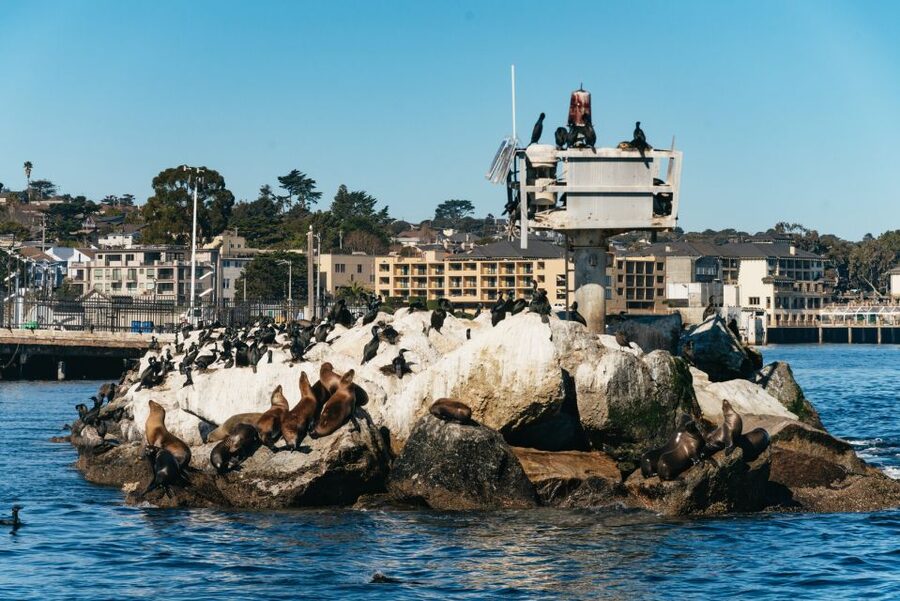
The departure point is easy to combine with a stroll around the wharf. Before the boat leaves, look into the harbor for California sea lions. Hundreds may gather near the docks, barking, jostling, and slipping through the water. This is a free preview of the wildlife ahead, and it gives you something to watch while the crew handles final preparations.
Parking is available at the Monterey Harbor Waterfront lot at 245 Washington Street. Pay before the trip through the ParkMobile app or a pay station. The stated penalty for unpaid parking is $49, so do not treat payment as an optional detail. From the lot, walk toward Wharf 1, pass the pink Harbor House and yellow Crab House, then turn right at the blue Discovery Whale Watch building.
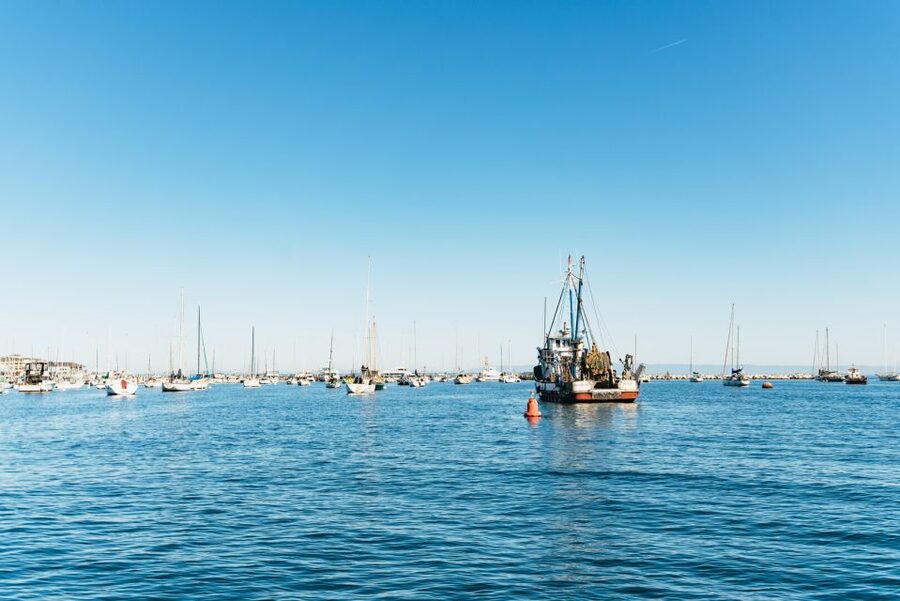
The boat passes Cannery Row on the way out. This is a useful point of orientation, since the shoreline changes from working harbor to the open sanctuary. The historic waterfront remains behind you as the crew begins looking for signs of marine life.
What the small boat experience feels like
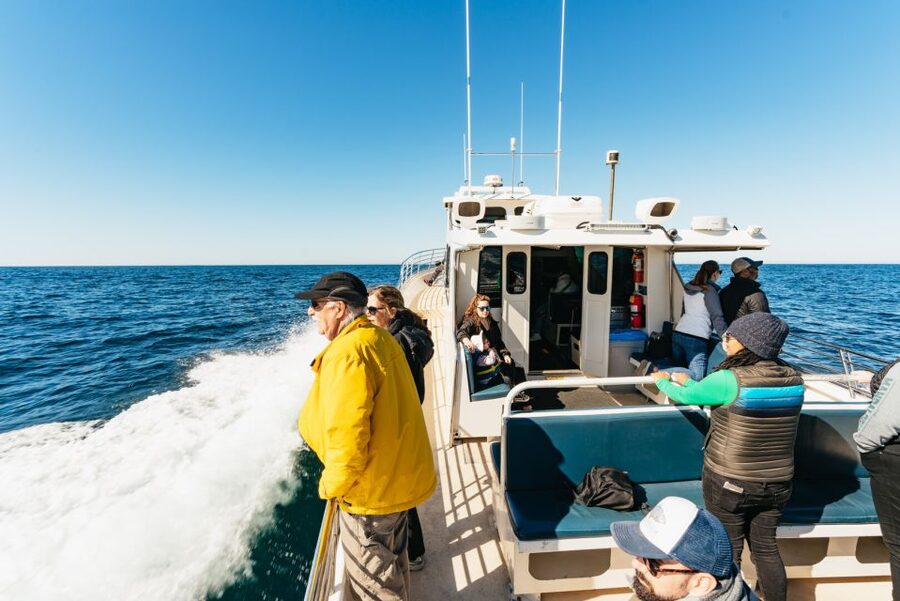
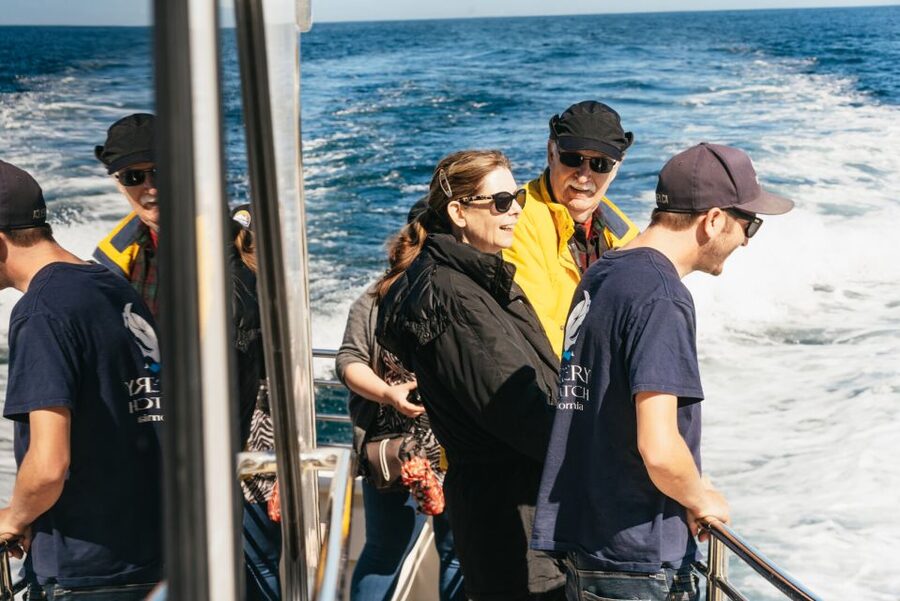
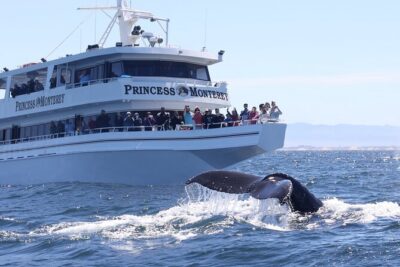
The boat accommodates about 25 people, according to the supplied trip details, which is a useful size for wildlife watching. You are not confined to one assigned seat. Moving from side to side can help when a whale surfaces behind you or a pod of dolphins appears near the bow.
That freedom is one of the strongest parts of the trip, but it also means you need to stay alert and hold on when the water gets lively. The vessel has restroom facilities, and hot beverages are included. You may bring a small packed lunch and non-alcoholic drinks, though food is not provided.
Dress for the wind, not just the weather at the wharf. Several trips were comfortable under clear skies, while others were cold, cloudy, or rainy. Wear layers, sunglasses, a sun hat, sunscreen, and shoes that will not make moving around the boat awkward. It can feel much cooler offshore than it does on land.
Friendly dogs are permitted on board. Smoking, alcohol, and drugs are not allowed. The activity is not suitable for pregnant women or people with mobility impairments, so consider the boat’s movement and boarding conditions before paying.
Summer and fall: feeding whales and busy ocean life
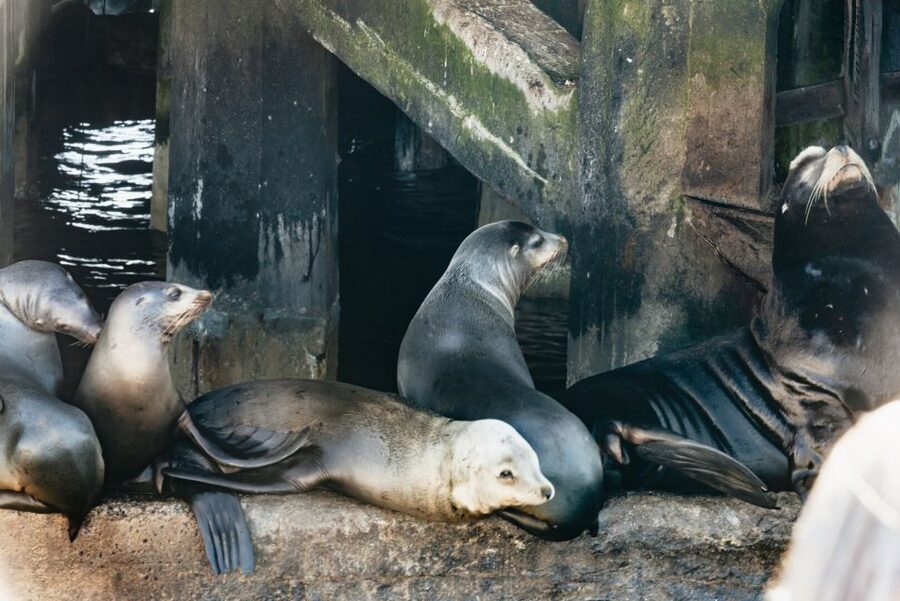
Summer and fall are the strongest choice if your priority is humpback activity. The whales come to the bay to feed on small fish and krill, often staying in productive areas rather than traveling constantly.
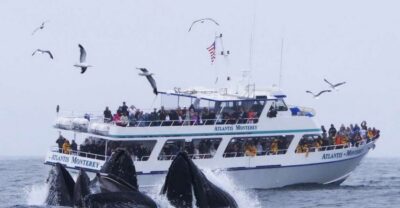
This feeding behavior can create a full scene. Humpbacks may surface among sea lions, dolphins, and seabirds, with several species working the same patch of water. A trip in July produced humpbacks, a blue whale and calf, an elephant seal, tufted puffins, salmon sharks, albatross, and other marine life. Another outing saw a group of humpbacks surrounded by seabirds and sea lions during a feeding frenzy.
The number of whales can vary from one trip to the next. Some outings have produced a handful of humpbacks, while others have found 10, 15, or even around 30. One particularly fortunate trip followed four orcas for about 90 minutes before finding white-sided dolphins riding the bow.
Morning summer and fall trips usually last 3.5 to 4 hours. Afternoon outings are shorter, generally 2.5 to 3 hours. If you want the longest time on the water, check the departure options carefully rather than assuming every cruise has the same length.
Same sea, a different boat:
- Whale Watching Tour in Gloucester
★ 5.0 · 4,460 reviews - City Cruises Boston Whale Watching Cruise by High-Speed Boat
★ 4.5 · 3,115 reviews - Maui Eco-Raft Tour: Eye-Level Whale or Dolphin Watching – Lahaina
★ 5.0 · 2,482 reviews - San Diego Whale Watching Cruise
★ 5.0 · 2,317 reviews
Winter: migrating gray whales and a different rhythm
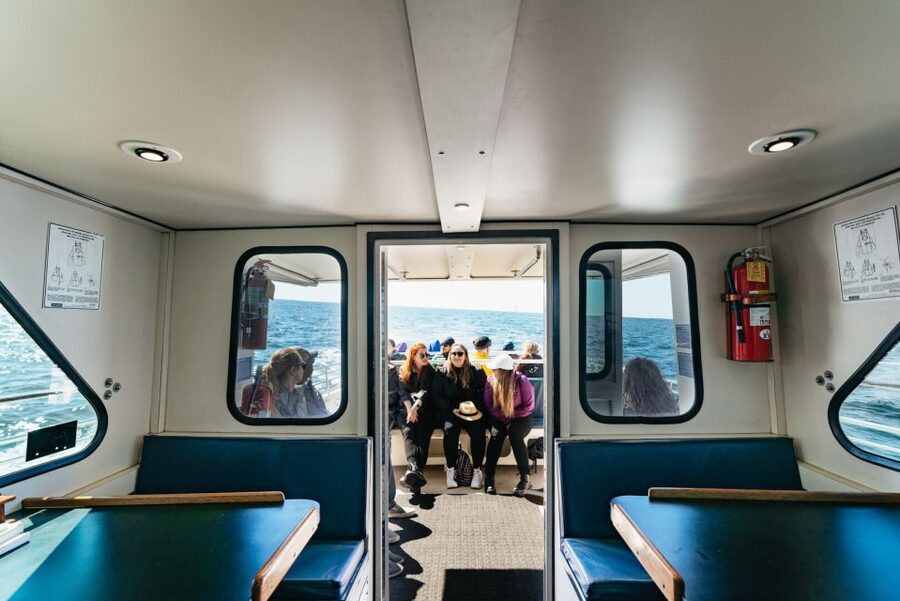
Winter changes the route and the purpose of the search. The boat heads toward the south end of Monterey Bay to look for migrating whales, especially gray whales.
Gray whales can feel less showy than humpbacks. You may see a blow, a long back, and a steady traveling pattern instead of repeated feeding displays. But migration gives the trip a clear sense of purpose: you are watching animals move along an ancient route.
Winter trips can still produce a mixed bag. Sightings have included gray whales, humpbacks, dolphins, seals, sea lions, and otters. One December trip found about 10 whales despite the season being considered less reliable, while a February outing found migrating gray whales and described the sighting as especially memorable.
Winter morning trips typically last 2.5 to 3 hours. The shorter duration does not mean less value, since the boat may find whales efficiently, but the season is less predictable. Bring warm clothing and leave room in your schedule in case conditions alter the timing.
The guide makes the difference
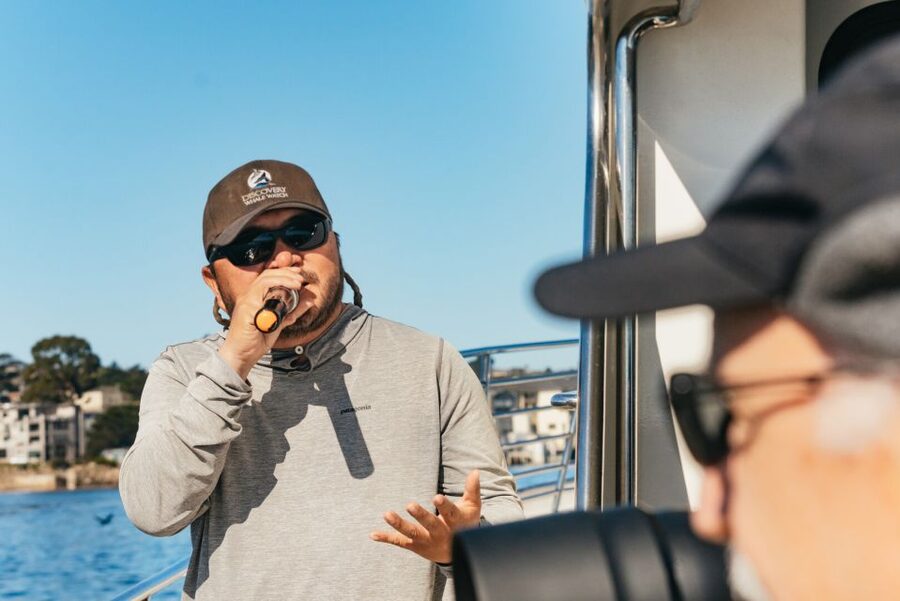
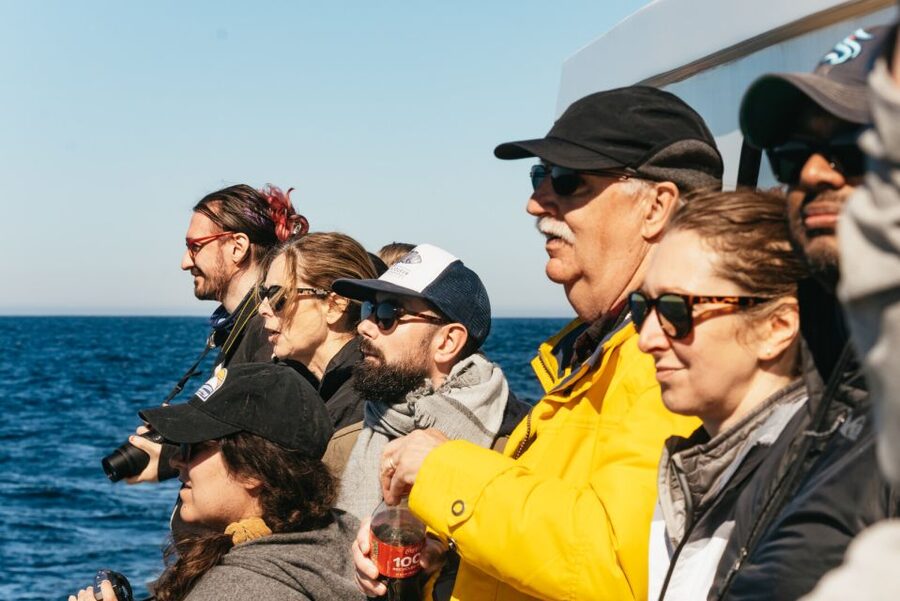
A marine biologist accompanies the cruise and explains what you are seeing. That matters because a whale is not just a large shape in the water. The guide can explain why it is feeding in one place, how migration works, and what the sanctuary does to protect marine life.
The strongest guide names appearing in the trip details include Isiah, Isaiah, Maddy, Maddie, Sophie, Ryan, and Mattie. Isiah received repeated praise for clear explanations, humor, and helping people understand the animals. Maddy and Sophie were described as warm and energetic, while Isaiah also took photographs on some trips that were later made available to the group.
The tone seems to be more relaxed than formal. One guide mixed marine facts with sea shanties, and another helped make the trip enjoyable for children. That is useful if you are bringing a family. Children aged nine and thirteen were able to enjoy the outing, but remember that the sea may be rough even when the harbor looks calm.
The crew also helps with the less glamorous side of whale watching. When one passenger became badly seasick, the team checked on that person, offered ginger candy, and kept an eye on them. That does not eliminate motion sickness, but it suggests that the crew takes comfort seriously.
Wildlife beyond the whales
You should not measure the trip only by the number of whale blows. Monterey Bay can produce an excellent supporting cast.
At the harbor, California sea lions are often the first sight. Once offshore, you might see harbor seals, sea otters, dolphins, and porpoises. Dolphin sightings have included Risso’s dolphins, common dolphins, and white-sided dolphins. Bow-riding dolphins can be especially fun because they move with the boat, sometimes close enough for a clear view.
The larger animals may include elephant seals, orcas, blue whales, fin whales, gray whales, and humpbacks. Birds can add another layer to a feeding scene. Albatross and puffins have appeared on individual trips, along with seabirds gathered over fish.
This variety makes the cruise worthwhile even during a quiet whale period. You may spend part of the trip scanning empty water, then suddenly find dolphins, sea lions, and whales in the same area. Keep your camera ready, but do not spend the whole cruise staring at a screen. The best sightings can last only a few seconds.
Price, timing, and practical value
The price is $75 per person. For a 3 to 4 hour cruise with a biologist guide and hot drinks, that is a fair price for Monterey, particularly when the boat finds several whales or a mixed group of marine animals.
The value depends on your expectations. If you need a guaranteed close encounter, no whale-watching company can provide that. If you value time on the water, expert interpretation, and the chance to see animals in their natural setting, the price makes more sense.
Food is not included, but you may bring a small packed lunch and non-alcoholic drinks. Motion sickness remedies are available for purchase at the office, though I would bring your preferred option and use it according to its instructions before boarding if you know you are sensitive.
The trip offers free cancellation up to 24 hours before departure, and you can reserve now and pay later. Check the exact duration and starting time when booking, since morning and afternoon trips differ.
Who should book this cruise
I would recommend this cruise to anyone who wants a serious wildlife outing without committing to a full day at sea. It works well for couples, families with older children, photographers, and first-time whale watchers who want an expert on board.
It is also a good fit if you enjoy variety. You may see whales, dolphins, sea lions, otters, seals, and seabirds in one outing. The small boat makes it easier to change position and hear the guide, though it also exposes you more directly to wind and waves.
I would pause if you are pregnant, have mobility limitations, or become very uncomfortable on boats. The trip may run longer than planned when the crew takes time to follow whales, so do not schedule a tight appointment immediately afterward.
Should you book Discovery Whale Watch?
Yes, if Monterey Bay is part of your California trip and you can spare half a day. The combination of deep water near shore, a small boat, strong wildlife variety, and an active biologist guide gives you a good chance at a memorable outing.
Choose summer or fall for the best chance of seeing feeding humpbacks and a busy mix of marine life. Choose winter if gray whale migration interests you. Take motion sickness precautions, dress in layers, arrive 45 minutes early, and leave your schedule flexible.
This is not a theme-park show. You may see a whale breach beside the boat, or you may spend time waiting for a blow in rolling water. That uncertainty is part of the bargain, and at $75, it is a reasonable one for a well-run chance to watch wild animals where they belong.
FAQ
Where does the whale-watching tour depart from?
The tour departs from Discovery Whale Watch at 66 Fisherman’s Wharf, Monterey, California. The meeting point is in the blue building near Wharf 1.
How early should I arrive?
You should check in at least 45 minutes before departure. Each person must complete a Coast Guard waiver electronically, and adults complete waivers for minors.
How long does the cruise last?
The advertised duration is 3 to 4 hours. Summer and fall morning trips last about 3.5 to 4 hours, while winter morning trips and afternoon trips generally last 2.5 to 3 hours.
What whales might I see?
Possible sightings include humpback, blue, fin, gray, and orca whales. Humpbacks are commonly seen during summer and fall, while winter trips focus more on migrating gray whales.
What other animals might appear?
You might see dolphins, porpoises, sea lions, seals, sea otters, elephant seals, and seabirds. Specific dolphin sightings can include Risso’s dolphins, common dolphins, and white-sided dolphins.
Is food included?
Food is not included. You may bring a small packed lunch and non-alcoholic beverages. Hot beverages are included on board.
Is motion sickness medicine available?
Motion sickness remedies are available for purchase at the office. You may also bring your own preferred remedy.
Are dogs allowed on the boat?
Friendly dogs are permitted on board. Smoking, alcohol, and drugs are not allowed.
New whale trips around the USA
- Anacortes: Orca Whales Guaranteed Boat Tour near Seattle★ 4.7 · 33 reviews
- Anacortes: Full Day Whale/Wildlife Tour; Friday Harbor Stop★ 5.0 · 5 reviews
- Anacortes: Whale Watching Adventure Tour Near Seattle★ 4.8 · 45 reviews
- Juneau: 3.5-Hour Small Group Whale Watching Tour★ 5.0 · 2 reviews
- Honolulu, Oahu: Waikiki Whale Watching Cruise★ 3.5 · 166 reviews
- Kaanapali: Whale Watching Cruise with Open Bar★ 4.9 · 83 reviews
- Ultimate 3.5 hour Whale Watch & Snorkel★ 5.0 · 87 reviews
- Maui: Ka’anapali Whale Watching Cruise on Luxury Sailboat★ 4.8 · 89 reviews
Monterey Whale Watching Tours, compared.
Monterey Bay Dolphin and Whale Watching Boat Tour
Read our review →
Browse the lists this tour appears in