
Review · TAHITI WHALE WATCHING TOURS
Half Day Whale Watching in a Small Shared Group
Meeting humpback whales in open water is the heart of this Tahiti trip. The small, six-passenger POTI MARARA lets you watch from a compact fishing boat rather than from a crowded vessel, and, if conditions and whale behavior allow, enter the water near these huge animals. The intimate group is the big draw.
I like the calm, respectful style of the outing and the fact that the crew can give close attention to safety. I also like the useful extras: snacks, fresh fruit, drinks, and snorkeling gear are included, and some trips add a reef stop with turtles.
The main caution is simple: whales are wild animals, and a four-hour trip cannot promise a sighting or time in the water. The small boat can also feel lively on open water, so this is best for people with moderate physical fitness who are comfortable with changing sea conditions.
Key points to know before you book
- Six passengers maximum: You get more room on the boat and more direct help from the crew than on a large whale-watching vessel.
- POTI MARARA boat: This is a traditional-style Tahitian fishing boat, giving the outing a local feel rather than a polished cruise-ship atmosphere.
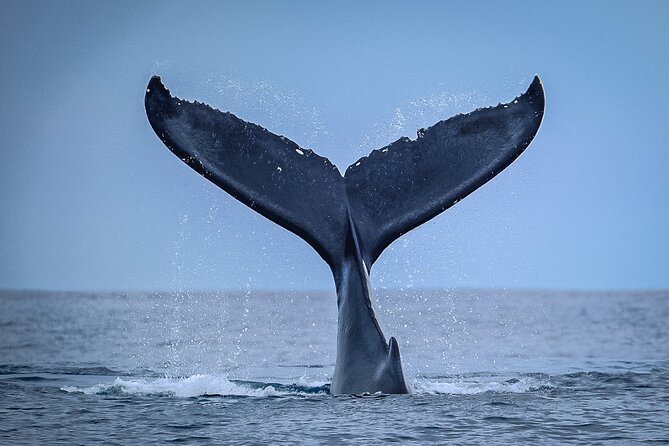
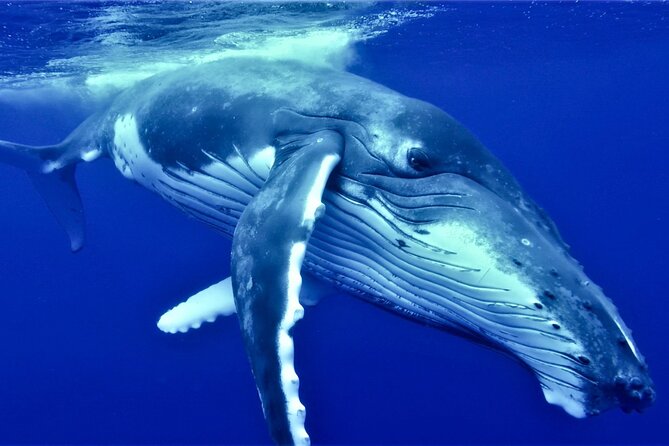
- Whale encounters are nature-led: You may watch humpbacks from the boat, and water access depends on safety, weather, and the animals’ behavior.
- Possible underwater listening: An underwater microphone may let you hear whale song, an especially memorable part of the trip.
- Snorkeling supplies included: Fins, mask, and snorkel are available, with some trips stopping at the reef after whale watching.
- Meeting point in ‘Ārue: The trip begins and ends at ‘Ārue Stadium, with mobile ticketing and confirmation at booking.
Why six passengers changes the whale-watching experience
The passenger limit is more than a marketing detail. With only six people on board, you are not competing with a large crowd for a place along the rail or waiting through a long rotation before entering the water. The crew can keep a closer eye on everyone, explain what is happening, and adjust the plan as whales move.
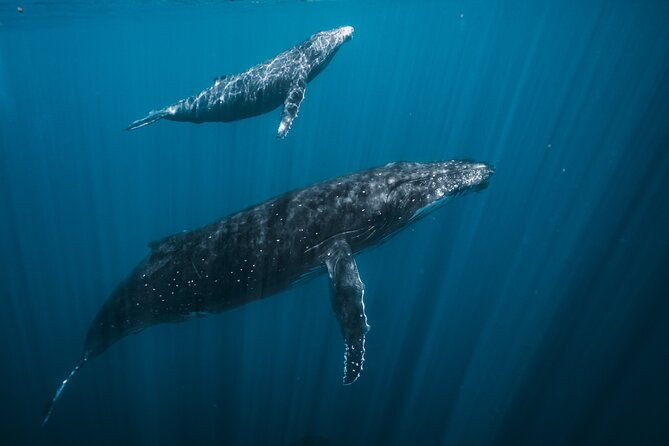
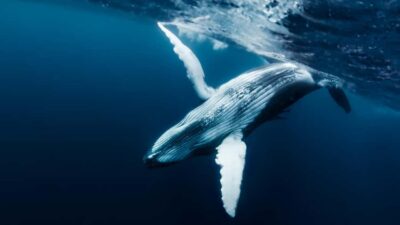
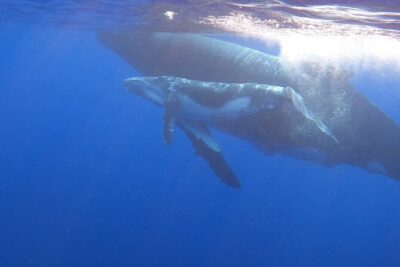
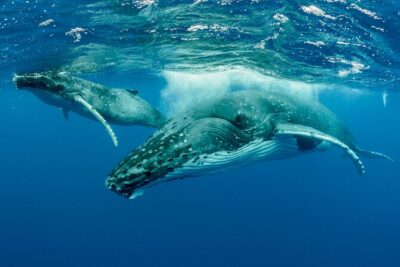
That matters in Tahiti, where the aim is not simply to find a whale and rush toward it. Humpbacks come into these waters after a long migration from Antarctica. They use the area to breed, give birth, and rest. A quiet boat and patient handling give you a better chance of seeing natural behavior without turning the encounter into a noisy chase.
The boat is small, so the atmosphere should feel friendly and informal. The tradeoff is that you get less protection from spray and movement than you would on a large vessel. The supplied information describes the ride as what you would expect on a small boat in open water. If you are prone to seasickness or dislike a rolling ride, take that seriously when deciding.
More whale watching around French Polynesia worth comparing
- Swimming with Whales in Moorea (Half Day tour)
★ 4.5 · 264 reviews - Whale Tour – Observe and swim with whales
★ 5.0 · 257 reviews - Whale Watching Tours in Bora Bora
★ 4.5 · 250 reviews
Setting out from ‘Ārue Stadium on the POTI MARARA
You meet the crew at ‘Ārue Stadium, identified as the start and end point for the activity. From there, you board the POTI MARARA, an iconic fishing boat with a typical Tahitian design.
That boat choice helps shape the whole morning or afternoon. This is not a generic sightseeing cruise with a large passenger deck. You are heading out in a working-style boat built for a close connection with the sea, with only a handful of people around you.
The exact order of events can change because the crew must respond to weather, whale movements, and sea conditions. Expect the first part of the trip to involve getting clear of shore and searching the water. Keep your eyes open, but do not expect constant action. Whale watching often includes quiet stretches, and those stretches are part of giving the animals space.
Guides may include JB, Oneal, Nathan, Solenne, Seline, or Vehiatua, depending on the departure. The crew’s role is not only to steer and spot whales. They also explain how humpbacks interact with their surroundings, why they visit Tahiti, and what is being done to protect them.
Searching for humpbacks after their Antarctic migration
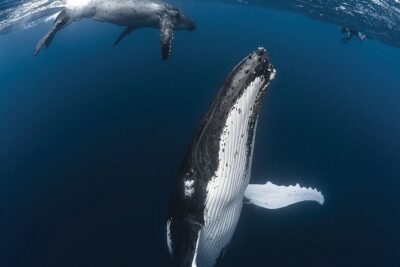
The natural story behind the trip adds weight to each sighting. These humpbacks have made a long journey from Antarctic waters to Tahiti. The warmer French Polynesian waters serve as a breeding and nursery area, giving you a chance to see animals during an important stage of their yearly cycle.
You may see a whale surface, travel, sing, or move through the water near the boat. One account describes two male whales being encountered, followed by time in the water with each. Another describes a singing whale passing slowly and majestically near the group. Those moments are possible, but they are not scheduled events.
That distinction is worth keeping clear. The operator cannot control how many whales appear, how close they come, or whether they remain in one place. The strongest reason to book is not a guaranteed photograph or swim. It is the chance to spend four hours looking for wild humpbacks with a crew that places patience and low-impact contact ahead of a rushed checklist.
The six-person format helps here. With fewer people, the captain can slow down the approach and keep the group together. You are also less likely to feel like one small person in a crowd. The crew can explain whale behavior as it unfolds, which makes a distant blow or brief glimpse more meaningful.
What time in the water may be like
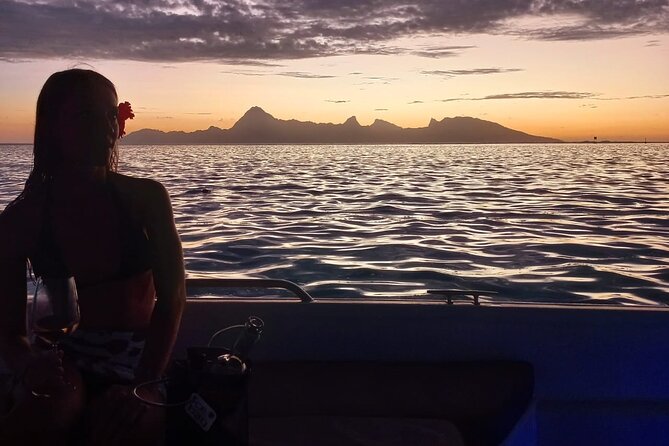
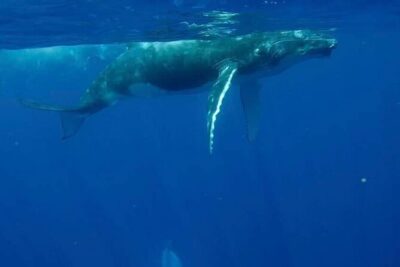
When the conditions are right, the crew may invite you into the water near a whale. This is the part that has produced the most powerful moments, including hearing a whale song vibrate through the water and watching a young whale spin and move nearby.
Do not treat this as a standard swim stop. Water access depends on weather, safety, and the whale’s behavior. The crew’s cautious approach is important because a humpback is enormous, even when it appears calm or curious. You may spend time waiting, watching, and following instructions before entering, rather than jumping in immediately.
An underwater microphone may be used after a whale is located. Hearing the song adds another layer to the encounter. On the surface, you might see only a back, fin, or blow. Below the surface, the sound can make the animal feel present even when visibility or distance limits what you see.
Snorkeling equipment is available if needed, including fins, mask, and snorkel. That is useful if you are visiting Tahiti without bringing your own equipment, though you should still expect a moderate level of physical effort. Getting in and out of a small boat, swimming in open water, and handling changing conditions all require some comfort in the sea.
The experience is not designed around forcing every passenger into the water. If you prefer to remain on board, you can still watch from the boat and take part in the search. The small group means the crew can manage different comfort levels more easily than a large operator might.
Same sea, a different boat:
- Swim with humpback whales
★ 5.0 · 224 reviews - Humpback whale watching and marine life in Moorea
★ 5.0 · 199 reviews - Half day whale tour 4h00
★ 4.5 · 181 reviews - Private tour observing and swimming with humpback whales in Moorea
★ 5.0 · 126 reviews
The reef stop and the smaller details that round out the trip
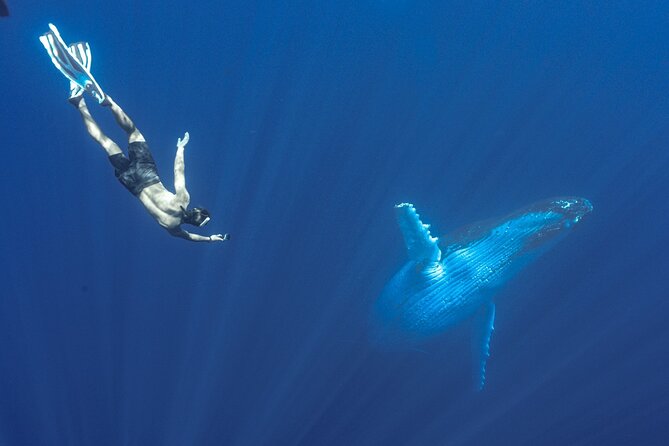
Some outings end with snorkeling at the reef, and one described stop included turtles. This gives the trip a second focus if the whale search has been quiet or if you want time to enjoy the water without waiting for a large mammal to surface.
The reef stop should be viewed as a possible bonus, not the main promise of the tour. The central purpose is humpback whale watching. Weather, time, and whale activity may affect how much time is available for other swimming.
Snacks, fresh fruit, water, and juice are served during the trip. These are modest additions, but they matter on a four-hour boat outing. You do not need to treat the trip as a bare-bones ride where every extra costs more. A little food and a drink make the time on the water more comfortable, especially if the search involves long quiet periods.
The short duration is also well judged for many visitors. Four hours gives you a real chance to find whales without consuming an entire day in Tahiti. You can still plan other activities around it. At the same time, four hours is long enough for the sea to feel like the main event, not a quick photo stop from shore.
The crew’s approach to safety and respect

A small boat places more responsibility on the captain and guide. The crew must judge distance, sea conditions, passenger comfort, and whale behavior throughout the outing. The operator describes a focus on safe movement into and out of the water, along with a quieter approach to the animals.
That approach is especially important when a whale comes close. The best encounter is not necessarily the closest one. A calm whale that chooses to pass by, sing, or remain nearby can offer a more honest look at the animal than a rushed attempt to get a dramatic photograph.
The crew has received strong praise for warmth and professionalism. JB and Oneal helped make a late booking easy for one couple, while JB and Solenne were singled out for their friendly manner and excitement about being on the water. Nathan and Vehiatua were also described as welcoming and helpful. Names and crew assignments can change, but you can reasonably expect a personal, guide-led outing rather than a scripted narration.
Weather is a real part of the decision. If poor weather cancels the trip, you can choose another date or receive a full refund. That flexibility is useful, but it also confirms that this is not an all-conditions activity. A cloudy or unsettled day may still produce a good whale encounter, yet rough conditions can affect comfort and whether swimming is possible.
Is $236.85 a fair price?
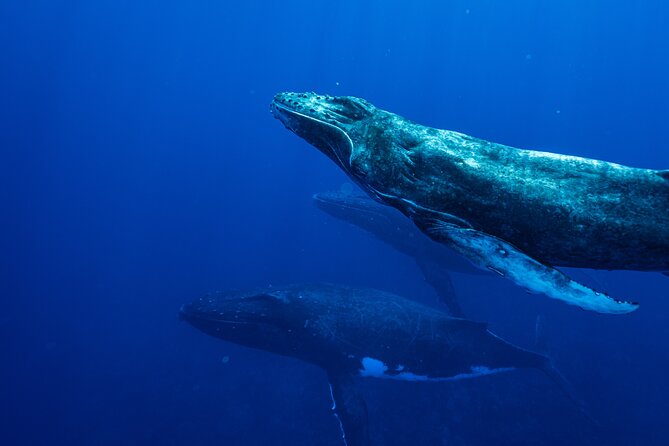
At $236.85 per person, this is not a bargain boat ride. It is priced as a small-group marine encounter, and the value rests mainly on the six-person limit, the crew’s attention, and the possibility of entering the water near humpbacks.
For comparison purposes, ask what matters most to you. If you mainly want a large boat, a quick look at the ocean, and the lowest possible cost, this outing may feel expensive. If you want fewer people around you, a more flexible approach, included gear, and guides who can spend time explaining what you are seeing, the price is easier to justify.
The included food and drinks do not transform the cost, but they remove a few small expenses. Snorkeling equipment is also provided, and the possible reef stop gives the four-hour outing more variety. Most important, you are paying for access to a carefully managed encounter, not a guaranteed performance from the whales.
Booking 43 days ahead on average is a useful clue about planning. If your Tahiti dates are fixed, especially during the whale season, reserve early rather than assuming a last-minute place will be available. The six-seat limit means capacity disappears quickly.
Who will enjoy this Tahiti whale trip most
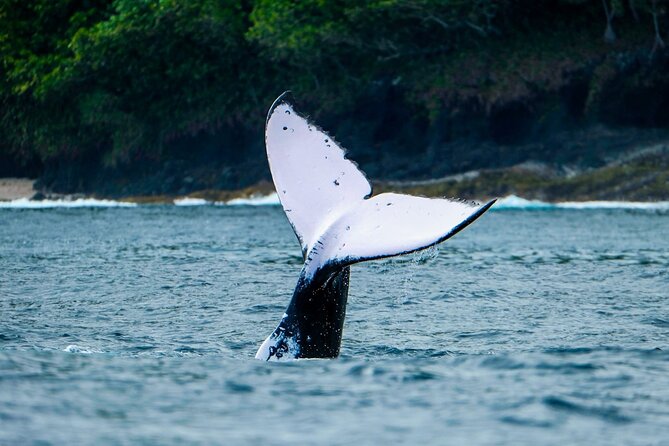
I would point this outing toward couples, solo visitors, and small groups who care about personal attention and a quieter boat. It also suits anyone who wants to combine whale watching with a possible swim and reef snorkeling in one half-day.
You should be comfortable with a moderate level of physical activity. The trip involves a small boat, open water, and possible movement between the boat and sea. If you want a completely dry, stable ride, choose a larger vessel instead.
Families may need to think carefully about each child’s comfort and swimming ability. The published information gives a maximum group size and a moderate fitness recommendation, but it does not provide a specific minimum age or child policy. Contact the operator before booking if that detail matters to your party.
This is also a good match for people who understand that wildlife encounters are uncertain. You might see one whale, several whales, a close pass, a singing animal, or only brief sightings. The crew can improve your chances with skill and patience, but nature keeps the final say.
Practical details before you go
The activity lasts about four hours and returns to the same meeting point at ‘Ārue Stadium. Mobile tickets are accepted, and confirmation is provided when you book. The location is near public transportation, which may help if you are not using a private car.
Keep the cancellation terms in mind. You can cancel for a full refund up to 24 hours before the start time. Changes or cancellations inside that window are not accepted for a refund. Weather cancellations and cancellations caused by not meeting the minimum number of participants come with the option of another date or a full refund.
Wear or bring what you need for a boat and possible time in the water, but do not assume that the swimming portion will happen. The operator supplies fins, a mask, and a snorkel if needed. Snacks, fresh fruit, water, and juice are served during the outing.
Most of all, bring patience. The quiet minutes between sightings are not wasted time. They are when you scan the sea, listen for instructions, and allow the crew to make a respectful approach.
Should you book the six-passenger whale tour?
Book it if your priority is a small, personal whale-watching trip with a real possibility of entering the water and hearing humpback song. The six-person limit, Tahitian fishing boat, included snorkeling gear, and attentive crew give it a more intimate feel than a standard group cruise.
Skip it if you need a guaranteed whale sighting, dislike open-water movement, or want the least expensive way to spend time at sea. For everyone else, the value is strongest when you see the price as payment for space, care, and a responsible approach to wild animals. A close encounter may happen, but the honest promise is a thoughtful four hours searching for humpbacks in Tahiti.
FAQ
Where does the whale-watching tour begin and end?
It begins at ‘Ārue Stadium in Arue, French Polynesia, and ends back at the same meeting point.
How long does the activity last?
The tour lasts approximately four hours.
How many people can join the boat?
The tour has a maximum of six passengers.
Is snorkeling equipment provided?
Yes. Fins, a mask, and a snorkel are available if needed.
Are food and drinks included?
Yes. Snacks, fresh fruit, water, and juice are served during the trip.
What happens if bad weather cancels the tour?
You can choose a different date or receive a full refund if the activity is canceled because of poor weather. The same options apply if the minimum number of participants is not reached.
New whale trips around French Polynesia
- Whale Watching Activity★ 5.0 · 8 reviews
- Observe and Swim with Whales in Tahiti★ 4.5 · 14 reviews
- Tahiti, land of whales: a unique experience!★ 5.0 · 11 reviews
- Whale watching in the calm of the peninsula with Tātahi tours★ 5.0 · 6 reviews
- Whale watching DE Tahiti Peninsula★ 5.0 · 12 reviews
- Whale watching DE Humpback West Coast of Tahiti★ 5.0 · 3 reviews
- 4 Hours of Humpback Whale Watching in Tahiti★ 5.0 · 36 reviews
- Whale watching 6 people half day★ 5.0 · 38 reviews
Tahiti Whale Watching Tours, compared.
Guided Small Group Whale Watching and Swim Tour Tahiti
Read our review →
Whale watching on the preserved and quiet coast of Paea (Pk26)
Read our review →
Browse the lists this tour appears in