
Review · CANADA WHALE WATCHING TOURS
Campbell River: 6-Hour Whale Watching Boat Tour
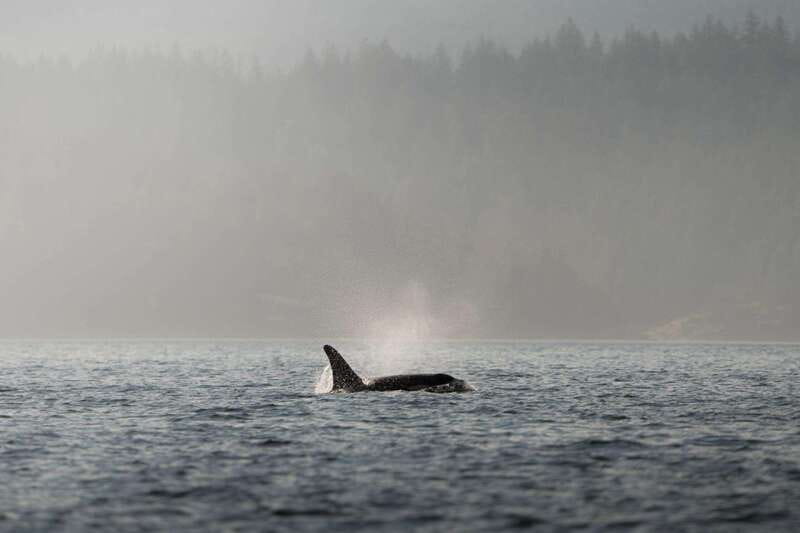
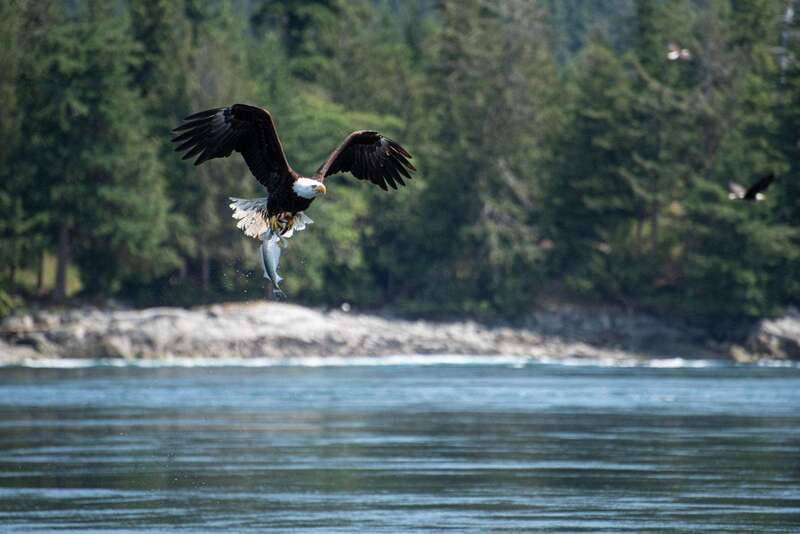
The best part of this Campbell River boat trip is the setting: you travel through the narrow passages between the Discovery Islands and Johnstone Strait, not far out into the open Pacific. That gives you beautiful, sheltered scenery while keeping the focus on wildlife. Humpback whales and orcas are possible, along with dolphins, bears, sea lions, seals, and eagles.
I like the small 12-passenger boat and the homemade lunch, which includes a fresh wrap, baked treats, granola bars, and hot drinks. I also like the guides, including Jack, Martin, Alex, and Steve, who bring strong wildlife knowledge to the trip. The main consideration is simple: wildlife is wild, and no company can promise whales or bears on a particular day.
Key points
- Six hours on sheltered coastal waters: The route uses the Salish Sea, Discovery Passage, and Johnstone Strait rather than heading into the open Pacific.
- Two boat choices: Select a Zodiac or a covered vessel, both with onboard washrooms.
- Wildlife can be varied: Look for humpback whales, killer whales, dolphins, bears, Steller sea lions, harbor seals, and bald eagles.
- Hydrophones add another layer: You may hear whale calls underwater when the animals are vocal.
- Lunch is made for the trip: Expect a fresh wrap, homemade baked goods, granola bars, coffee, tea, hot chocolate, and water.
- Plan for a prompt start: Check in 30 minutes early at the Floathouse, and wear warm clothing with closed-toe shoes.
Why Campbell River is a strong whale-watching base
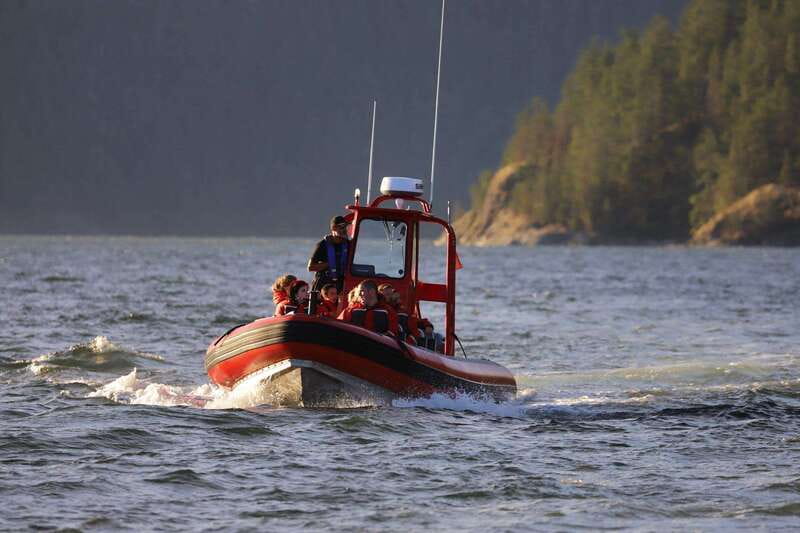
Campbell River sits beside a maze of island channels where salt water funnels between British Columbia’s coast and the Discovery Islands. The boat route takes you through the Salish Sea, Discovery Passage, and Johnstone Strait, with changing views at every turn.
This matters because the outing is not just a race toward the horizon. You get long stretches of calm water, forested shorelines, rocky points, and narrow passages. When the boat slows for wildlife, the scenery remains part of the experience.
The area is especially appealing if you want more than a single-species whale trip. Humpback whales and killer whales are the headline animals, but you may also see Pacific white-sided dolphins, Steller sea lions, harbor seals, bears, and bald eagles. Some days bring one memorable sighting. Others bring several species in a row.
I would book this as a full half-day, not as a quick activity squeezed between other plans. Six hours gives the captain time to search different waters and allows the boat to reach the places where wildlife is active. It also means you should expect a real day on the water, with changing weather and periods spent simply watching and waiting.
More whale watching around Canada worth comparing
- Vancouver Half-Day Whale Watching Adventure with Free Photos
★ 5.0 · 5,000 reviews - Tadoussac/Charlevoix: Whale Watching Zodiac Tour
★ 4.3 · 2,716 reviews - Vancouver: Covered Whale Watching Adventure with Free Photos
★ 4.8 · 2,260 reviews
Starting at the Floathouse
Meet at Campbell River Whale Watching and Adventure Tours at Discovery Harbour Marina, E Dock. The local meeting place is known as the Floathouse. Arrive 30 minutes before your reservation, even though the general instructions also ask you to arrive 20 minutes early. The stricter time is the one to follow.
The operator warns that the boat does not wait for late parties. Parking is available in the large gravel lot off Robert’s Reach Road. Part of the lot is paid and part is free, so read the signs carefully. The free area is at the south end, closest to the Quadra Island Ferry.
Before boarding, you receive a short safety briefing of about 15 minutes. You also get an introduction to the kinds of wildlife you may see, a map of the general route, and basic safety information. This is useful preparation, especially if you have never taken a Zodiac or small coastal boat.
The available boat style affects how the day feels. The Zodiac gives you a more open connection to the air, spray, and sound of the water. The covered vessel offers more shelter. Both are described as well-maintained, carry up to 12 passengers, and have onboard washrooms.
The first three hours: searching Discovery Passage
The opening part of the trip lasts about three hours, including guided cruising and wildlife watching. The captain and certified naturalist guide read the water and move toward areas where animals may be active.
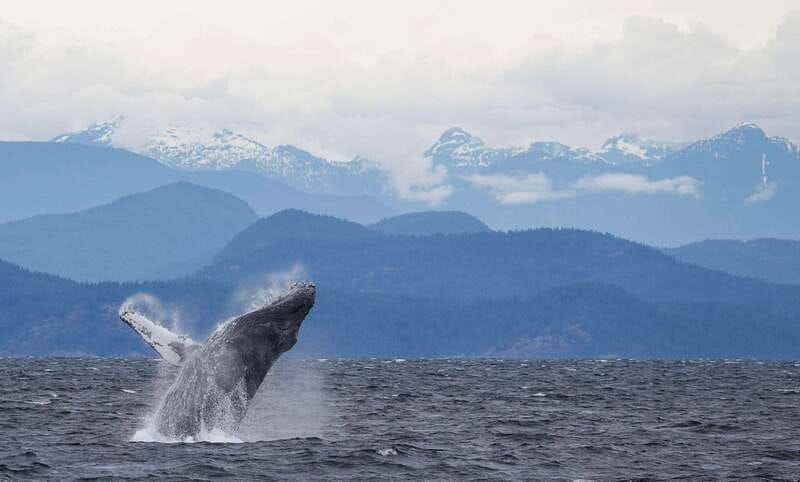
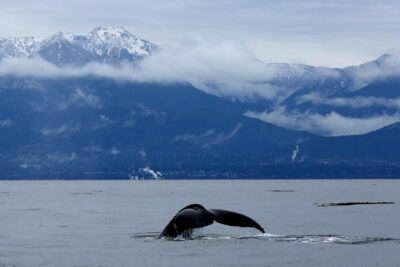
You might see dolphins traveling in groups, sea lions resting near shore, or humpback whales surfacing in the distance. A humpback can appear for only a few breaths before disappearing, so keep your camera ready but do not spend the whole trip looking through a screen. The best moments often happen when you watch the water directly.
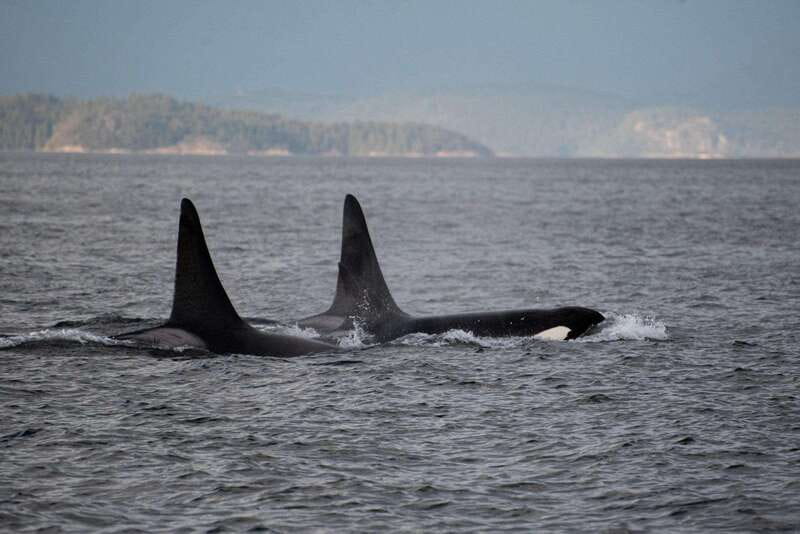
If orcas are in the area, the boat may spend time observing their movement from a respectful distance. Orcas and humpbacks do not vocalize all day, so the onboard hydrophones are used only when conditions make listening worthwhile. When the animals are calling, hearing their sounds through an underwater microphone gives you a different sense of their presence than a surface sighting alone.
The guide’s role is important here. Jack has been praised for knowing where to look and for finding several types of wildlife in one outing. Martin is noted for his patient approach, while Alex, a biologist, has helped explain whale behavior and natural history in detail. Steve has also been singled out for his strong knowledge and for the suitability of the boat for this kind of work.
The exact guide on your departure may vary, but the practical benefit is the same: you are not left to identify a distant fin on your own. The guide explains what you are seeing and helps you understand why the boat has stopped.
What makes the route different from an open-ocean trip
This tour stays among islands and narrow channels instead of going straight into the open Pacific. That choice has clear advantages. You get sheltered passages, close views of the coast, and a route that feels varied even during quiet wildlife periods.
It does not mean the water will always be perfectly still. Wind, current, and boat movement can change. Still, the setting is a good fit if you prefer a scenic coastal journey to a long run across empty ocean.
The route also gives the captain room to adjust the search. Whales move, birds gather, and sea lions shift their resting places. A six-hour trip can cover more ground than a short cruise, which improves your chance of seeing several kinds of marine life. It never guarantees a particular animal, though. The number and type of sightings depend on nature, not on the schedule.
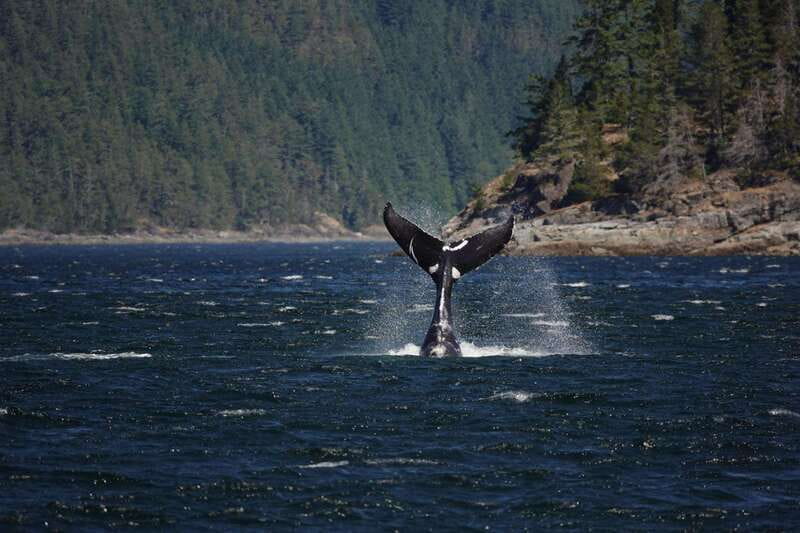
One useful mindset is to treat wildlife as part of the day rather than its only measure. A breaching humpback is an unforgettable bonus. Quiet water, a bald eagle over the shore, or a group of dolphins can still make the trip worthwhile.
Same sea, a different boat:
- Victoria Half-Day Whale Watching Adventure with Free Photos
★ 5.0 · 2,259 reviews - Tadoussac/Charlevoix: 3-Hour Whale Watching Boat Tour
★ 4.2 · 2,179 reviews - Victoria Whale and Wildlife Cruise
★ 5.0 · 1,729 reviews - Whale-Watching Tour from Vancouver
★ 4.5 · 1,572 reviews
Lunch at a quiet shore stop
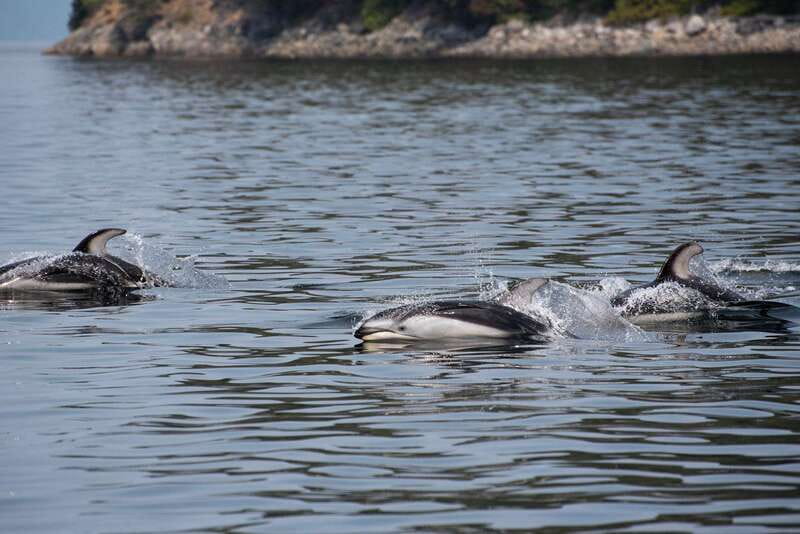
About halfway through the outing, the boat stops ashore for a 30-minute break. This is where you get lunch, coffee, tea, hot chocolate, and water.
The meal is more thoughtful than a generic packaged snack. Expect a freshly made wrap, homemade baked goods, granola bars, and other snacks. Past meals have included dried fruit and cookies, which gives you something substantial enough for an active day outside.
I like this pause because six hours on a boat can feel long if you never get off. A shore break lets you stretch, warm up, eat properly, and reset your attention before the second wildlife search.
Tell the operator about vegetarian, vegan, or other dietary needs at least one day before the tour. Food allergies can also be accommodated when arranged ahead of time. Do not wait until boarding to raise the issue.
The shore stop is not presented as a major sightseeing attraction, so keep your expectations practical. Its value is the break itself, the food, and the chance to enjoy the coastal surroundings at a slower pace.
The final two and a half hours on the water
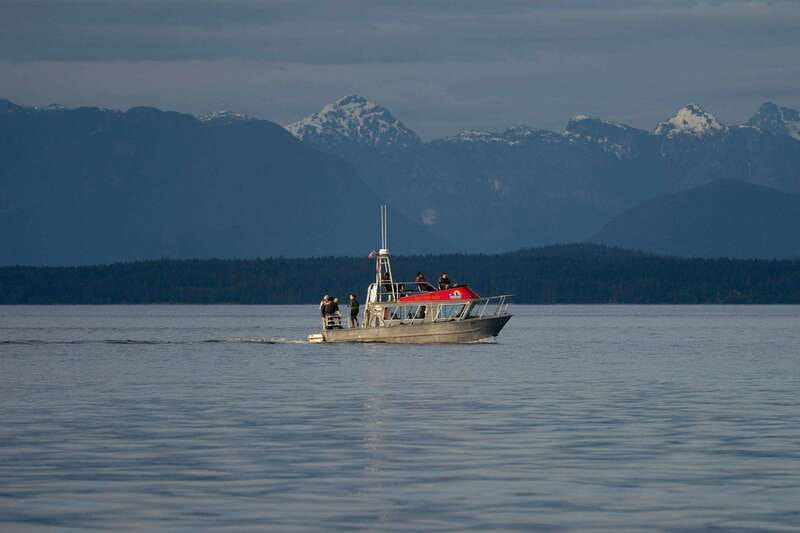
After lunch, you spend about another two and a half hours cruising and watching for wildlife. This second section can feel different from the morning because you now know how the boat handles and what signs to watch for.
The captain may revisit productive waters or continue through another passage. You might get closer looks at animals already seen earlier, or the afternoon may bring a new species. Humpbacks are often memorable because they surface with little warning, while dolphins can make their presence clear through movement across the water.
Several outings have produced multiple humpback sightings, including one day with at least 12 separate humpbacks and a breach. That kind of result is possible, not promised. It shows why the six-hour length matters: the boat has time to keep searching rather than turning around after a brief cruise.
You may also see harbor seals, Steller sea lions, or bald eagles even if the whales stay hidden. Bear sightings are another possibility, and the company also offers the wider chance to see coastal wildlife rather than focusing only on marine mammals.
The final return to Campbell River completes a long day outdoors. Make sure your camera has enough battery and space. Bring binoculars if you have them, but leave tripods at home because they are not recommended on the boat.
Zodiac or covered boat?
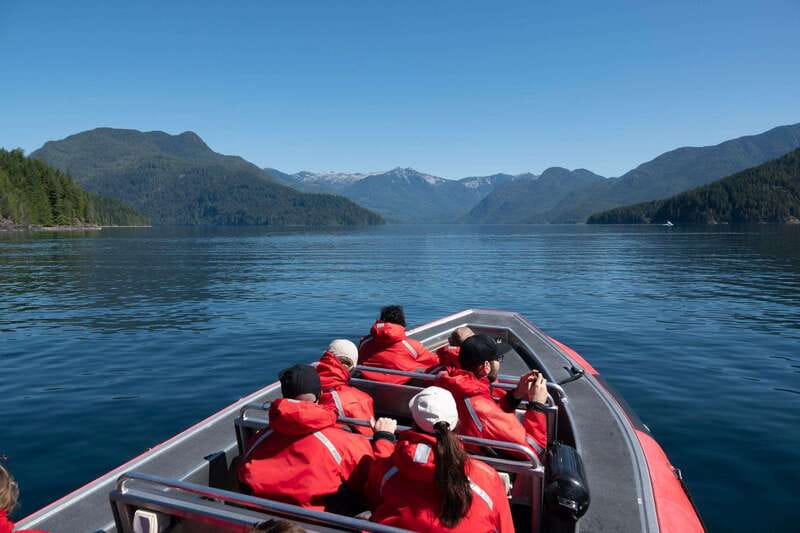
The choice between an open Zodiac and a covered boat comes down to comfort and exposure.
The Zodiac gives you a close feel for the water. You are more exposed to wind and spray, which can make wildlife watching feel immediate. It is a good match if you enjoy an active boat ride and do not mind dressing for the conditions.
The covered vessel offers more protection from the elements. That can be helpful if you are sensitive to cold, if the weather turns damp, or if you simply prefer a calmer viewing space.
In either case, wear warm clothing. Bring sunscreen even on a cool day, along with closed-toe shoes. Layers are more useful than one heavy item because the temperature can shift between the marina, open stretches of water, and a sheltered shore stop.
The tour is not suitable for children under four. The small boat size also means you should be comfortable sharing a close space with the other passengers for much of the day.
Is $245 a fair price?
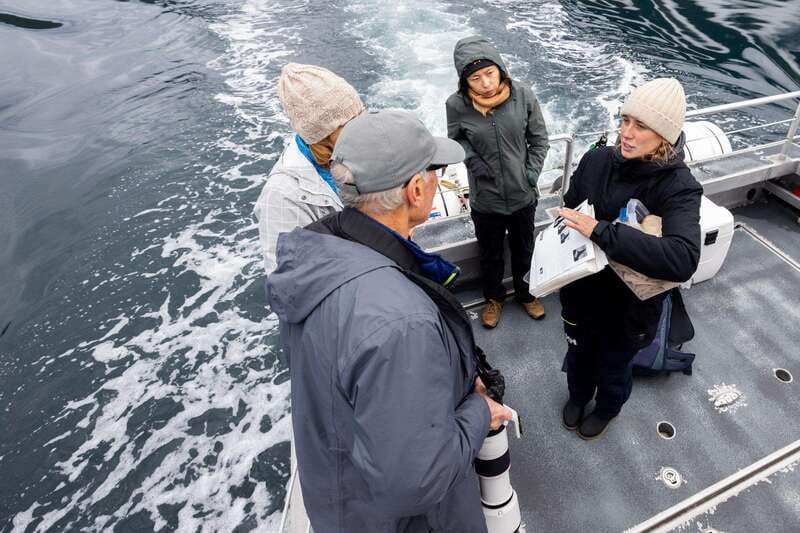
At $245 per person, this is not a budget boat ride. The value depends on what you want from the outing.
You are paying for six hours, a small 12-passenger vessel, a captain and naturalist guide, onboard washrooms, a shore lunch, drinks, and the chance to cover several areas of the Salish Sea region. The long duration is the key point. A shorter trip may cost less, but it gives the captain less time to locate moving animals.
The homemade food also matters. A fresh wrap, baked treats, granola bars, and hot drinks are small details, yet they make a six-hour trip feel properly planned. You are not left to bring a full meal or buy something at a marina halfway through the day.
The price makes the most sense for someone who places high value on wildlife and wants a small group rather than a large sightseeing boat. It makes less sense if you need a guaranteed whale sighting or only have a few spare hours.
The company allows free cancellation up to 24 hours before departure. If weather or another unforeseen problem causes the operator to cancel, you receive a full refund or credit. That flexibility helps when planning around coastal weather.
Who will enjoy this tour most?
I would choose this experience if you want a serious wildlife outing with plenty of time on the water. It suits photographers, nature lovers, couples, families with older children, and anyone who prefers a small boat to a crowded vessel.
It is also a good choice if you want a guide to explain what you are seeing. The naturalist-led format adds context to whale behavior, marine life, and the coastal environment without turning the day into a classroom.
You should think twice if you dislike cold air, boat movement, or long periods of waiting. Wildlife watching includes quiet stretches. Even a skilled captain cannot make an animal surface on command.
The trip works best when you bring patience along with your camera. The reward may be an orca, a breaching humpback, or a group of dolphins. It may also be the simple pleasure of moving through the Discovery Islands with the sound of water around you.
Practical packing advice for six hours
Bring warm layers, sunscreen, closed-toe shoes, a camera, binoculars, and snacks. Food and drinks are supplied, but your own small snack is still useful if you have particular preferences.
Keep camera equipment easy to reach. A whale may surface when you are seated at the back of the boat or during a turn, so avoid packing your camera deep inside a bag.
Do not bring a tripod. It is not recommended for this boat setup and will only take up space.
If you need a special meal, contact the operator at least one day ahead. Arrive early enough to find the right parking area, walk to the Floathouse, and complete check-in without rushing.
Should you book it?
Book this Campbell River whale-watching tour if you want six full hours, a small boat, a proper lunch, and access to several coastal channels. The strongest reasons to choose it are the route through Discovery Passage and Johnstone Strait, the range of possible wildlife, and the guides’ clear role in helping you understand what you see.
I would not book it solely for a guaranteed orca encounter. No responsible whale-watching company can promise that. Book it because you want a well-planned day on the Salish Sea, where humpbacks, dolphins, sea lions, bears, and orcas are possible and the scenery remains worthwhile when wildlife keeps its distance.
FAQ
How long is the whale-watching tour?
The tour lasts six hours, including the safety briefing, wildlife cruising, a shore lunch break, and the return to Campbell River.
Where does the tour meet?
Meet at Campbell River Whale Watching and Adventure Tours at Discovery Harbour Marina, E Dock, at the Floathouse in Campbell River. Use Robert’s Reach Road for GPS directions.
How early should I arrive?
Check in 30 minutes before your reservation. The boat does not wait for late parties.
What animals might I see?
Possible sightings include humpback whales, killer whales, Pacific white-sided dolphins, bears, Steller sea lions, harbor seals, and bald eagles.
Is lunch included?
Yes. Lunch includes a freshly made wrap, snacks such as homemade baked goods and granola bars, plus coffee, hot chocolate, tea, and water.
Can I choose an open or covered boat?
The tour operates with either a Zodiac or a covered vessel. Both are 12-passenger boats with onboard washrooms.
Can dietary requirements be accommodated?
Yes. Vegetarian, vegan, and other dietary requirements or food allergies can be accommodated if you notify the operator at least one day before the tour.
New whale trips around Canada
- Campbell River: Whales and Wildlife Boat Tour with Snacks★ 4.7 · 21 reviews
- Sunset Whale and Wildlife Adventure in Cowichan Bay★ 5.0 · 23 reviews
- Victoria: Sunset Whale Watching Tour on an Open Scarab Boat★ 5.0 · 11 reviews
- Campbell River: 4 Hour Whale & Wildlife Zodiac Boat Tour★ 4.7 · 133 reviews
- Campbell River: Whale & Wildlife Discovery Cruise★ 4.8 · 143 reviews
- Campbell River: Salish Sea Whale Watching Adventure★ 4.6 · 64 reviews
- Vancouver, BC: Whale Watching Tour with Guide★ 4.7 · 270 reviews
- Victoria Sunset Whale-Watching Cruise★ 5.0 · 281 reviews
Canada Whale Watching Tours, compared.
Vancouver Half-Day Whale Watching Adventure with Free Photos
Read our review →
Tadoussac/Charlevoix: Whale Watching Zodiac Tour
Read our review →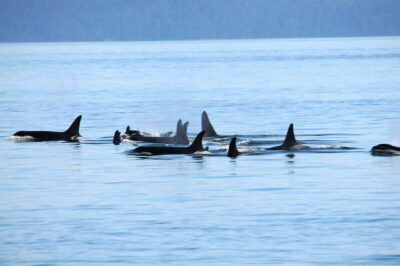
Covered Whale Watching Adventure with Free Photos
Read our review →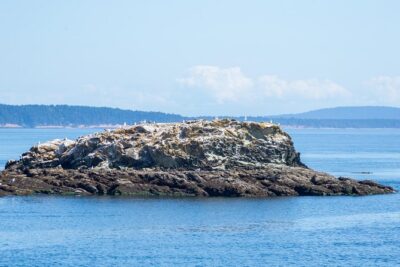
Victoria Half-Day Whale Watching Adventure with Free Photos
Read our review →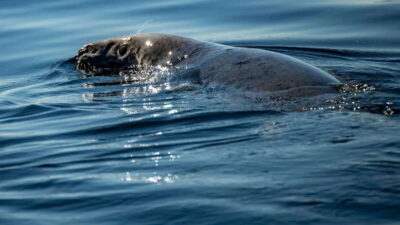
Tadoussac/Charlevoix: 3-Hour Whale Watching Boat Tour
Read our review →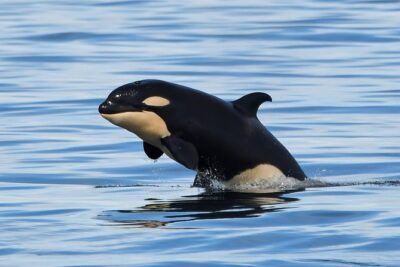
Browse the lists this tour appears in