
Review · WHALE WATCHING AND WILDLIFE CRUISES
Campbell River: Whale & Wildlife Discovery Cruise
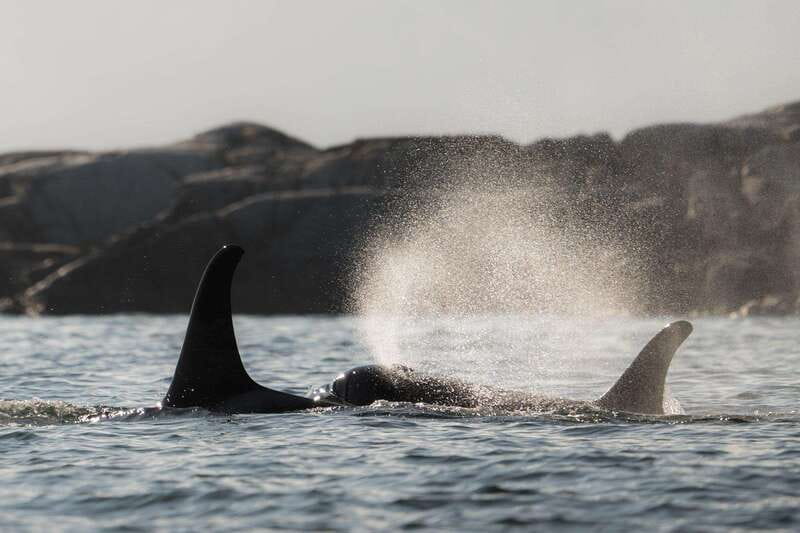
The best part of this Campbell River cruise is the chance to find humpback whales and orcas in the same outing, with the route adjusted to local conditions and recent sightings. You might also see sea lions, dolphins, bears, seals, and bald eagles, all against the grand setting of Discovery Passage and Johnstone Strait.
I like the choice between a covered vessel with indoor seating and an open zodiac-style boat. I also like the serious wildlife approach: guides share information, communicate with other boats, use hydrophones, and keep their distance from whales rather than chase close encounters.
The main catch is simple: wildlife is wild. You could see several whale species, or you could spend much of the four hours with seals, sea lions, and eagles. Rain can also fog the cabin windows, so dress for the weather and keep your expectations flexible.
Key points at a glance
- Two boats suit two kinds of day: Choose a covered boat for more shelter and indoor seating, or a zodiac for wind, spray, and a more open ride.
- The route covers prime local waters: The cruise may reach Discovery Passage, the Salish Sea, or Johnstone Strait.
- Whale sounds add another layer: On-board hydrophones let you listen for whales as well as look for them.
- The wildlife list is broad: Possible sightings include humpback whales, orcas, dolphins, bears, Steller sea lions, seals, porpoises, and bald eagles.
- Four hours is a useful length: You have enough time to search beyond Campbell River without committing to a full day on the water.
- Finding the dock takes care: Check in 30 minutes early at Discovery Harbour Marina, and use Robert’s Reach Road for the clearest driving directions.
Why this Campbell River cruise is worth considering
Campbell River is a strong base for a wildlife cruise because the surrounding waters offer more than one kind of scenery and more than one kind of animal. You are not simply riding out to one fixed viewing point. The boat can travel through Discovery Passage, the Salish Sea, or Johnstone Strait, depending on conditions and where wildlife has recently been reported.
That matters because a whale trip is partly a search. The crew cannot promise a particular species, but they can use local knowledge, radio contact, and time on the water to improve your chances. On especially good days, you might see humpbacks, orcas, and Steller sea lions in one four-hour outing. You might also spot black bears along the shore, Pacific white-sided dolphins, seals, porpoises, or bald eagles.
The activity costs $175 per person. That is not a small add-on, but four hours on the water gives the price some weight. You are paying for the boat, fuel, guide, wildlife search, safety equipment, and access to a large marine area that is difficult to experience independently. I consider it a fair value if seeing the coast and learning about the animals matter as much to you as getting a perfect whale photograph.
More Whale Watching and Wildlife Cruises in Canada
- Victoria Whale and Wildlife Cruise
★ 5.0 · 1,729 reviews - Newfoundland Puffin and Whale Watch Cruise
★ 5.0 · 837 reviews - 2 Hour Award-Winning Whale and Seabird Boat Tour from St. John’s
★ 4.5 · 455 reviews
From Discovery Harbour Marina to Discovery Passage
Your trip begins at Campbell River Whale Watching and Adventure Tours at Discovery Harbour Marina, E Dock, near the Floathouse. Check-in is 30 minutes before departure, and you should take that instruction seriously because the boat does not wait for late arrivals.
Parking is in the large gravel lot off Robert’s Reach Road. Part of the lot is paid and part is free, with signs marking the difference. The free section is at the south end near the Quadra Island Ferry. I would allow extra time to find both the parking area and the actual dock, since the marina can be confusing on a first visit.
Once aboard, the first stretch gives you time to settle in and watch Campbell River recede. The cruise is scenic even before a whale appears. Islands, channels, and open water fill the view, and the changing route means the ride itself is part of the experience rather than just transportation to a sighting.
Your English-speaking naturalist or guide explains what you are seeing and helps you understand the animals’ behavior. Guides named in recent bookings include Laura, Tyler W, Jarek, Quinn, Loral, and others, but the person leading your trip can vary. The best guides combine wildlife information with practical help, such as telling you where to look and when to keep your camera ready.
Choosing between the covered boat and the zodiac
You choose between two basic vessel styles. The covered boat has indoor seating, which makes it the better choice for families, older adults, or anyone who wants a break from wind and spray. It also gives you more protection if the weather turns cool or wet.
The covered boat does not mean you need to stay inside. Viewing areas are available outside, and having both options is useful. You can warm up indoors, then step out when the guide spots something. On a rainy day, though, windows can become a problem. Water on the outside and condensation inside may make wildlife hard to see.
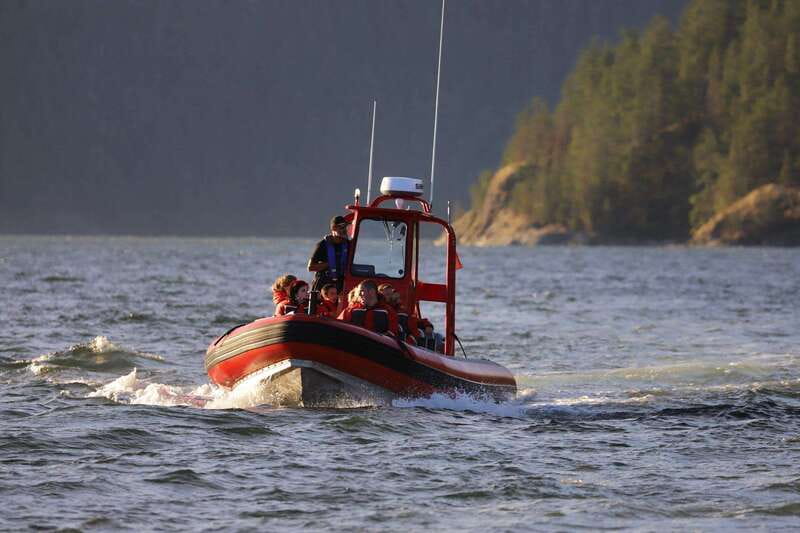
The zodiac-style boat is for people who want to feel the elements. You will be outdoors with the wind in your face, and the ride may feel more immediate as the boat moves between islands and channels. A flotation suit is included on the zodiac, but you should still bring a jacket and dress in layers.
The open boat can be exciting, but it is less forgiving. Cold, rain, and wind matter more, and sitting outside for four hours takes some stamina. Sports shoes are recommended, and sunscreen remains useful even on a cool day. On hot summer outings, a light base layer is sensible because the safety suit can feel warm when the boat slows down.
Whale watching with hydrophones
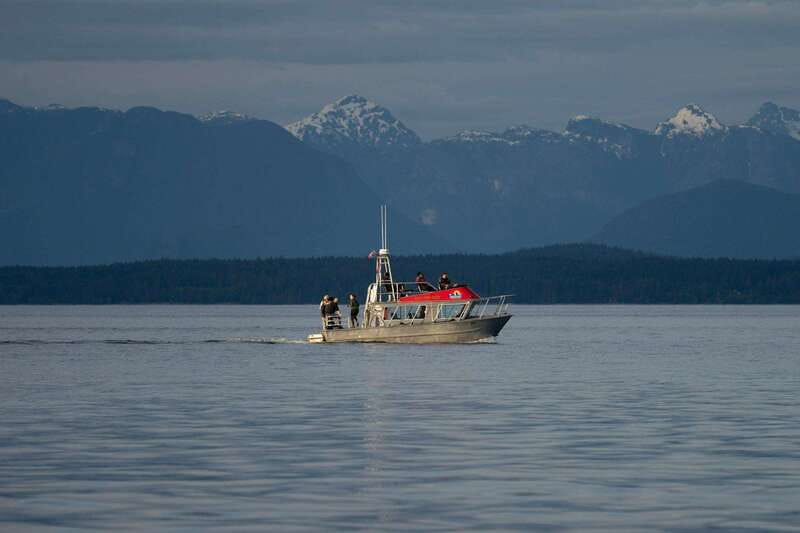
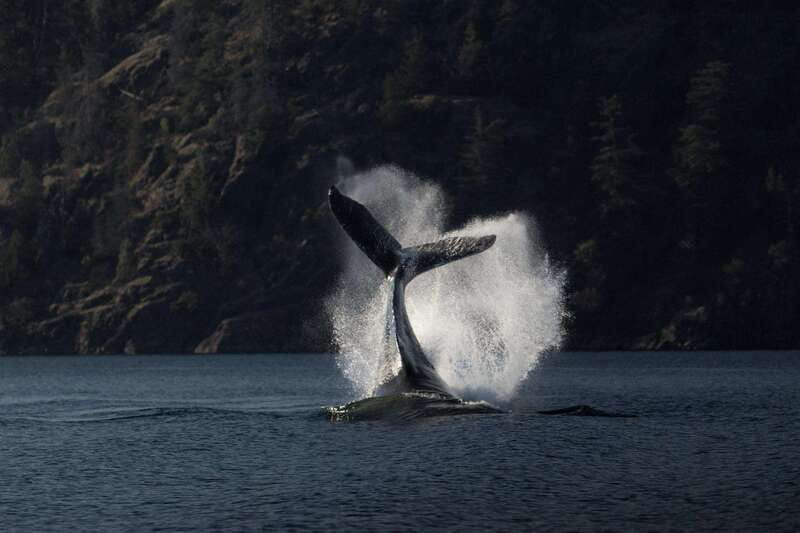
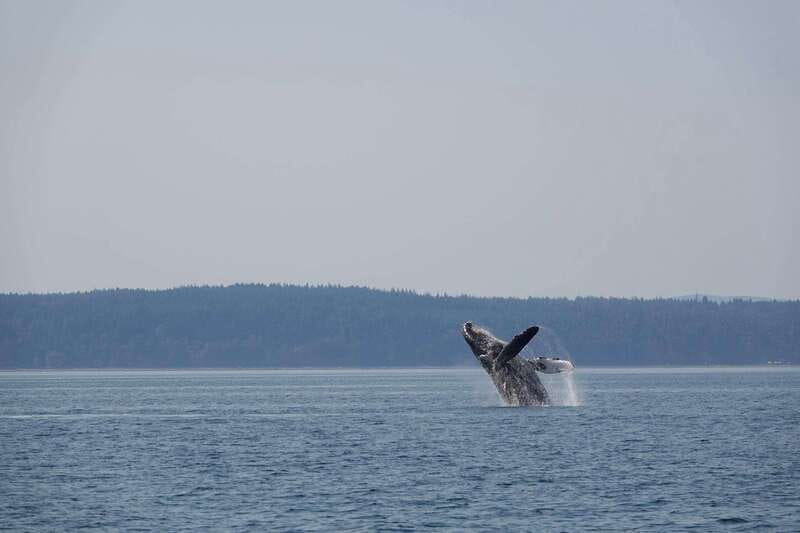
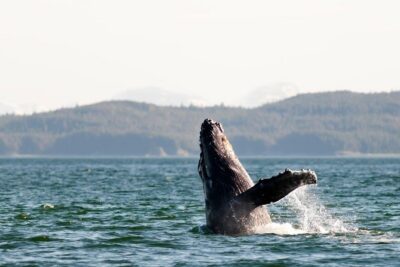
The major draw is the possibility of seeing humpback whales and killer whales, also called orcas. Humpbacks may surface, blow, or breach, while orcas may travel in pods. One particularly strong outing included two separate orca pods, each followed for about half an hour from a respectful distance, then a humpback with her calf and a Steller sea lion colony surrounded by bald eagles.
That kind of day cannot be promised. Another outing produced no whales but still included seals, sea lions, black bears, and eagles. This is the honest bargain of whale watching: the crew can give you a well-planned search, but no one can schedule an animal.
Hydrophones add something special when whales are nearby. Instead of relying only on a distant blow or a brief glimpse of a back, you may hear sounds below the surface. That turns the trip into a lesson in marine behavior and makes quiet periods more engaging.
The boats also follow distance rules and avoid crowding the animals. A guide described keeping roughly 200 yards away from whales, which can mean that your photographs will show animals at a distance. I see that as a good trade. You get to watch natural behavior without turning the encounter into a chase.
Bring binoculars if you have them. For photography, use the longest lens you own. Cellphone photos may capture the memory, but whales often surface too far away for a small phone image to show much detail.
Same sea, a different boat:
- Vancouver Half-Day Whale Watching Adventure with Free Photos
★ 5.0 · 5,000 reviews - Tadoussac/Charlevoix: Whale Watching Zodiac Tour
★ 4.3 · 2,716 reviews - Vancouver: Covered Whale Watching Adventure with Free Photos
★ 4.8 · 2,260 reviews - Victoria Half-Day Whale Watching Adventure with Free Photos
★ 5.0 · 2,259 reviews
The wider cast of wildlife
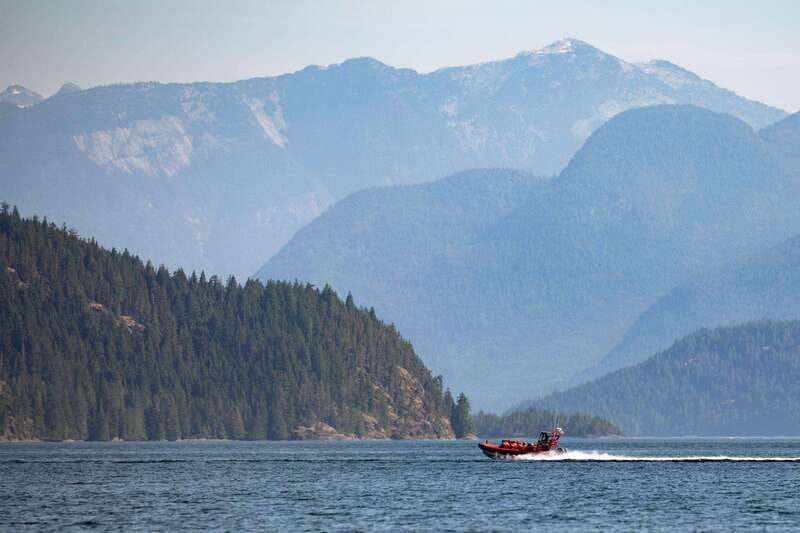
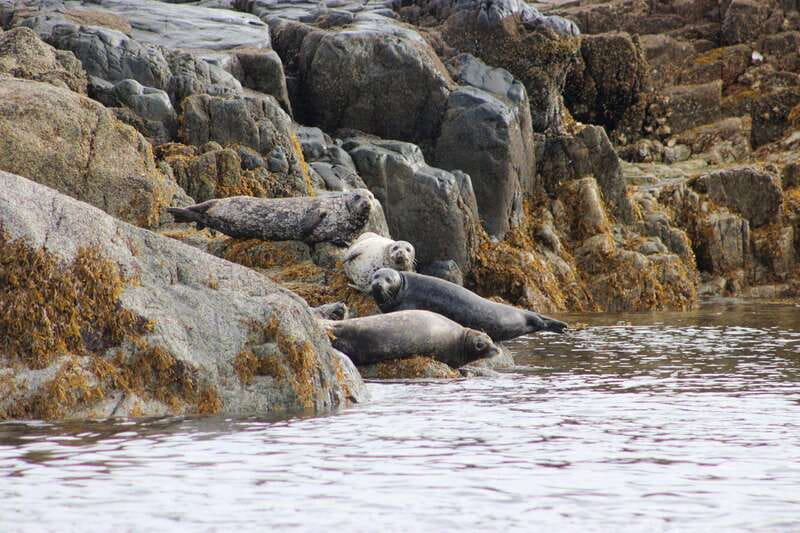
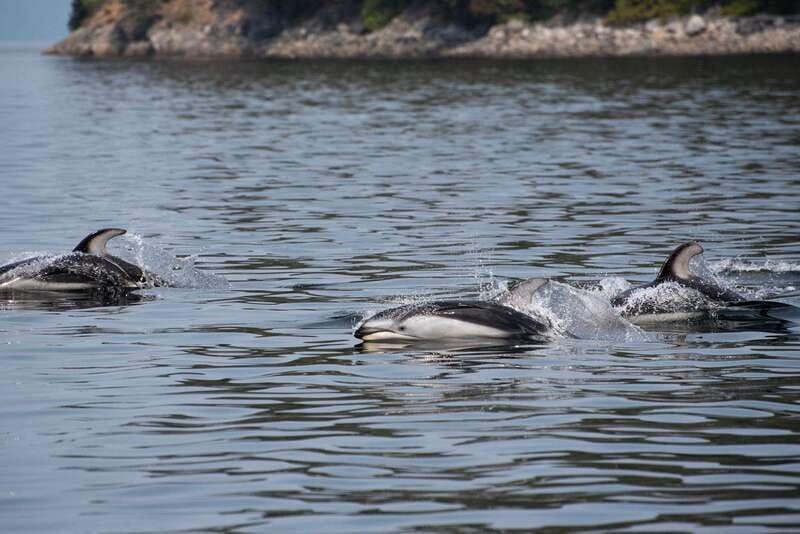
Whales are not the only reason to go. Pacific white-sided dolphins and porpoises may move quickly beside the boat, while seals and Steller sea lions offer easier sightings when larger whales stay out of view.
Steller sea lions can be especially entertaining. They gather in colonies, bark, shift around on rocks, and create a lot of movement in one place. Bald eagles may be nearby, giving you a chance to look up as well as across the water.
The shoreline adds another possibility. Black bears have been seen from the boat, although sightings are never assured. You may find yourself scanning the forest edge one moment and watching a whale blow the next.
I like this variety because it takes pressure off the whale count. If you see a humpback, an eagle, and a sea lion colony, the trip can still feel full even if an orca does not appear. On the other hand, if your only goal is to see a killer whale, you need to accept a real risk of disappointment.
What four hours feels like on the water
Four hours is long enough to travel well beyond the harbor and search several areas, but short enough to work for many families and older adults. It gives the guide time to respond to reports from other boats instead of turning around after one quiet stretch.
Boat crews communicate with one another when animals are found. That shared information can help the boats reach a distant pod, while each crew still keeps its own distance and manages the viewing respectfully. On a good day, this can produce several wildlife encounters rather than one rushed sighting.
The pace is not constant. You may spend time moving through scenic water, waiting quietly, or scanning the surface. That is normal. Bring patience, keep your camera ready, and listen to the guide rather than watching only through a viewfinder.
A light snack and water are included. The snack contains peanuts, so tell the operator in advance if you have a severe allergy. Hotel pickup and drop-off are not included, so you need to make your own way to the marina.
Weather, comfort, and practical limits
Weather can change the quality of the trip. Rain and cold may reduce visibility, especially through cabin windows, and rougher conditions can make the boat ride less comfortable. The company offers a full refund or credit if weather or another unforeseen problem forces cancellation.
You should bring sunscreen, a jacket, sports shoes, and binoculars. The advice sounds basic, but it matters. Even on a warm day, wind can make the water feel cool, while direct sun can become tiring during four hours outside.
Children under four cannot join. For families with older children, the covered boat may be the easier choice, especially if anyone needs to warm up or take a break. The open zodiac is better for confident outdoor riders who do not mind wind and spray.
The cruise is conducted in English. If you want a highly structured sightseeing ride with a fixed list of stops, this may feel loose. If you like the idea of following wildlife reports and seeing where the water leads, the flexible format makes sense.
Who should book this cruise?
I would choose this trip if you want a broad wildlife outing rather than a whale-only guarantee. It suits photographers, nature lovers, families with children over four, and anyone spending a few days in Campbell River who wants to understand the surrounding waterways.
The covered boat is the safer pick for comfort, uncertain weather, and mixed-age groups. The zodiac is the more active choice for people who want the wind and open-air feel. You should decide based on your tolerance for weather, not only on the hope of better sightings.
I would be cautious if your schedule allows no room for disappointment. Even a well-run cruise may produce seals, sea lions, and eagles without a whale. I would also avoid treating this as a casual harbor ride. Four hours on the water requires suitable clothing and a willingness to wait and watch.
Should you book the Campbell River Whale and Wildlife Discovery Cruise?
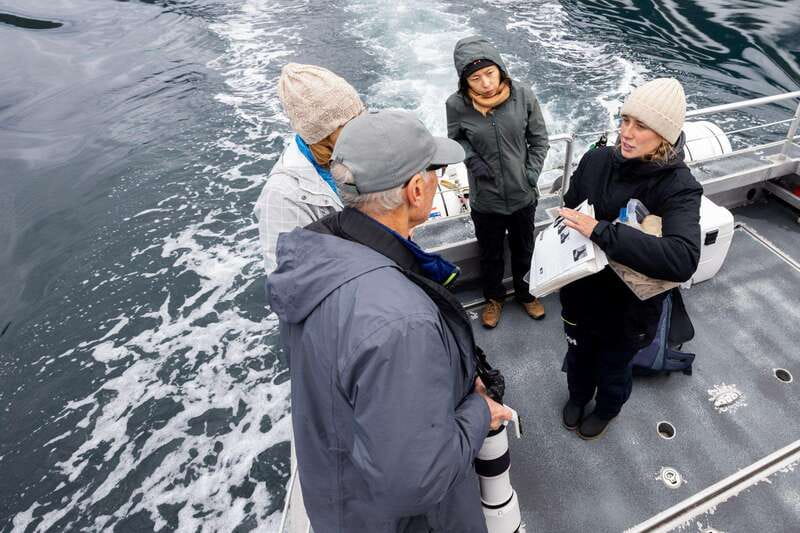
Book it if you value the full marine setting as much as a particular animal. The combination of Discovery Passage, Johnstone Strait, hydrophones, guide commentary, and a wide range of possible wildlife makes this a strong four-hour outing. The high 4.8 rating from 143 bookings fits the experience described by the many excellent wildlife days, including orcas, humpbacks, sea lions, bears, and eagles.
Choose the covered vessel if comfort is your priority, and the zodiac if you want a more exposed ride. Arrive early, follow the Robert’s Reach Road directions, bring warm layers and binoculars, and use a long camera lens. If you can accept that nature sets the schedule, $175 buys a worthwhile and memorable stretch of British Columbia’s coastal water.
FAQ
How long is the Campbell River whale watching cruise?
The cruise lasts four hours, including the boat ride and wildlife viewing in Discovery Passage, the Salish Sea, or Johnstone Strait.
Where does the cruise depart?
It departs from Campbell River Whale Watching and Adventure Tours at Discovery Harbour Marina, E Dock, near the Floathouse in Campbell River, British Columbia.
How early should I arrive?
You should check in 30 minutes before your reservation. The boat does not wait for late parties.
Is parking available at the marina?
Yes. Parking is available in a large gravel lot off Robert’s Reach Road. The lot is partly paid and partly free, so check the signs. Free parking is at the south end near the Quadra Island Ferry.
What animals might I see?
Possible sightings include humpback whales, killer whales, Pacific white-sided dolphins, porpoises, seals, Steller sea lions, bears, and bald eagles. Sightings are not guaranteed.
Can I choose between different boats?
Yes. You can choose a covered vessel with indoor seating or a zodiac-style vessel for a more open ride. A flotation suit is included on the zodiac.
Is food included?
A light snack and water are included. The snack contains peanuts, so tell the operator if you have a severe allergy.
Are children under four allowed?
No. The cruise is not suitable for children under four years old.
What happens if the weather cancels the cruise?
You receive a full refund or credit if the company cancels because of weather or another unforeseen circumstance. Free cancellation is also available up to 24 hours in advance under the stated booking terms.
More Whale Watching Cruises in Canada
- Victoria Whale Watching Cruise with Expert Naturalists
★ 4.5 · 305 reviews - Victoria Sunset Whale-Watching Cruise
★ 5.0 · 281 reviews - Reykjavík: Whale Watching and Marine Life Cruise
★ 4.6 · 9,838 reviews - Funchal: Dolphin and Whale Watching Catamaran Cruise
★ 4.5 · 5,697 reviews
New whale trips around Canada
- Campbell River: Whales and Wildlife Boat Tour with Snacks★ 4.7 · 21 reviews
- Sunset Whale and Wildlife Adventure in Cowichan Bay★ 5.0 · 23 reviews
- Victoria: Sunset Whale Watching Tour on an Open Scarab Boat★ 5.0 · 11 reviews
- Campbell River: 6-Hour Whale Watching Boat Tour★ 4.9 · 46 reviews
- Campbell River: 4 Hour Whale & Wildlife Zodiac Boat Tour★ 4.7 · 133 reviews
- Campbell River: Salish Sea Whale Watching Adventure★ 4.6 · 64 reviews
- Vancouver, BC: Whale Watching Tour with Guide★ 4.7 · 270 reviews
- Victoria Sunset Whale-Watching Cruise★ 5.0 · 281 reviews
Whale Watching and Wildlife Cruises, compared.
Juneau Wildlife Whale Watching & Mendenhall Glacier
Read our review →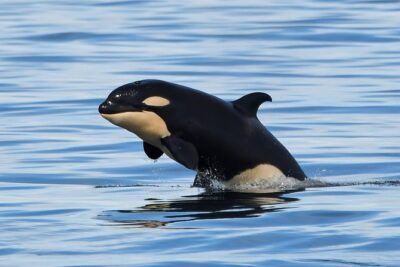
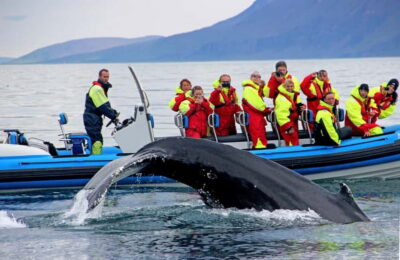
Original Big Whale Safari & Puffins by Speedboat
Read our review →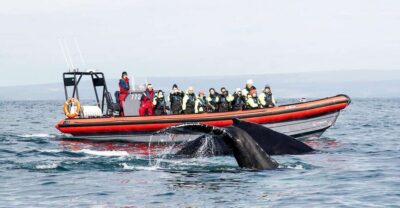
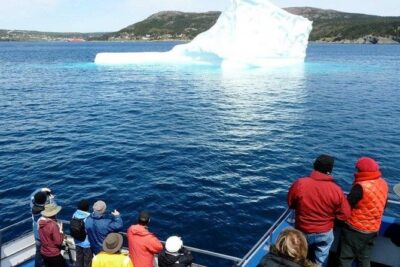
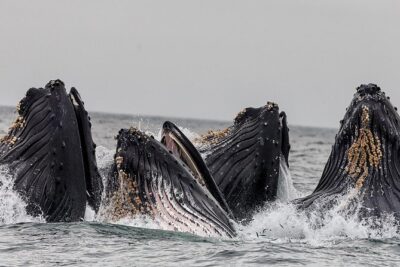
Wildlife Viewing, Sightseeing and Whale Watching Quest
Read our review →
Browse the lists this tour appears in