
Review · USA WHALE WATCHING TOURS
Maui: Eco-Friendly Whale Watching Tour from Ma’alaea Harbor
The memorable part here is not simply spotting a whale. It is hearing one sing through an underwater hydrophone while watching a mother and calf surface nearby. I like the way the tour turns a wildlife outing into a lesson in whale behavior, and I like that the nonprofit operator puts its profits toward ocean research and conservation.
The two-hour trip also works well for families, thanks to the Jr. Naturalist Program and a boat described as safe and secure by past participants. The main drawback is value: at $88 per person, this is not a bargain if the whales stay distant or the sea turns rough.
Key things to know before you book
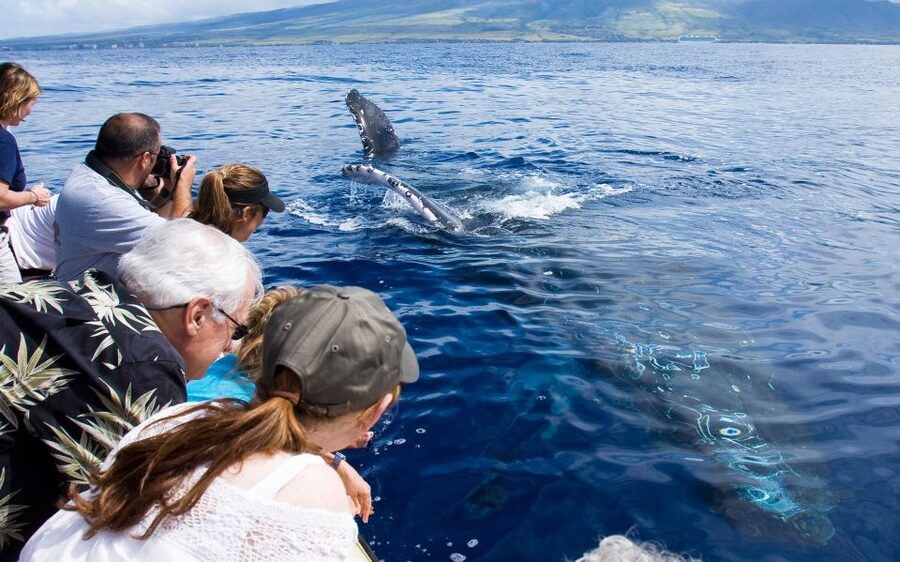
- Whale songs are part of the experience: Underwater hydrophones let you listen for whale calls rather than relying only on what you can see.
- Sightings are guaranteed: If you do not see whales, you can go again for free.
- Marine Naturalists lead the trip: Guides explain whale behavior, island views, and conservation work in English.
- Children have their own program: The onboard Jr. Naturalist Program gives younger passengers something purposeful to follow.
- Parking costs extra: Paid parking is available near Maui Ocean Center and in the Maʻalaea boat harbor lots.
- Plan for motion sickness: If you are prone to seasickness, take medicine one hour before departure.
Setting out from Maʻalaea Harbor
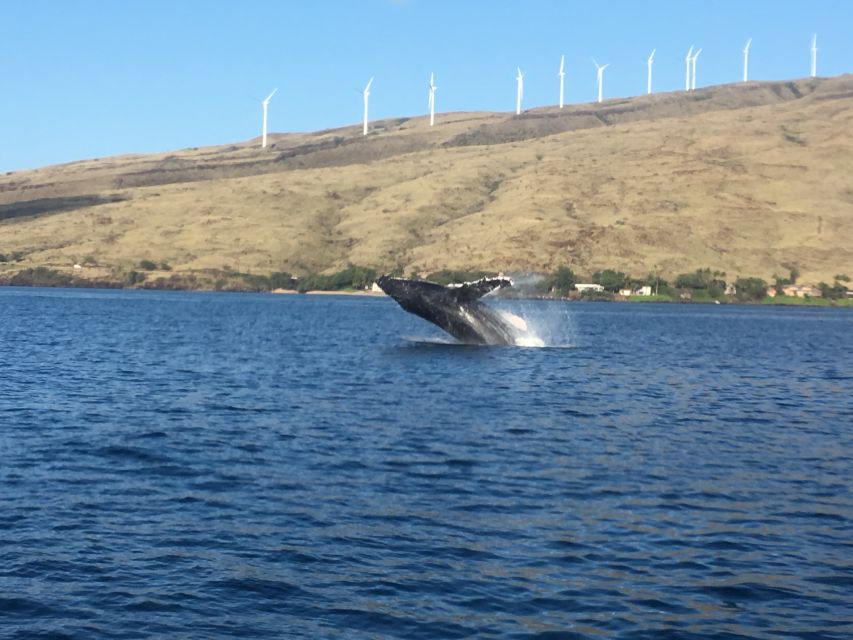
Your outing begins at the Pacific Whale Ocean Store in the Harbor Shops of Maʻalaea. Give yourself enough time to find the meeting point and handle parking. The visitor lot by Maui Ocean Center and the harbor lots require payment, with signs explaining how to pay by phone.
This is a practical departure point because the trip begins and ends at the same place. You do not need to arrange a separate transfer between a hotel and the boat, though transportation to Maʻalaea is not included.
At check-in, you can pick up complimentary reef-safe sunscreen. If you need more, a four-ounce sustainable tube is available onboard for $10 with a 40 percent discount. That is a useful touch, since regular sunscreen can be harmful to marine life. Snacks and drinks are not included, but filtered water is provided.
The boat portion lasts two hours. That is long enough to give the crew time to search different areas, yet short enough to fit neatly into a busy Maui day. You return to Maʻalaea Harbor Village after the whale watch, with no additional stops or land activities built into the schedule.
More whale watching around the USA worth comparing
- Juneau Wildlife Whale Watching
★ 5.0 · 7,379 reviews - Juneau Wildlife Whale Watching & Mendenhall Glacier
★ 5.0 · 6,236 reviews - Boston: City Cruises Whale Watching Cruise
★ 4.5 · 4,710 reviews
What the two-hour whale watch is really like
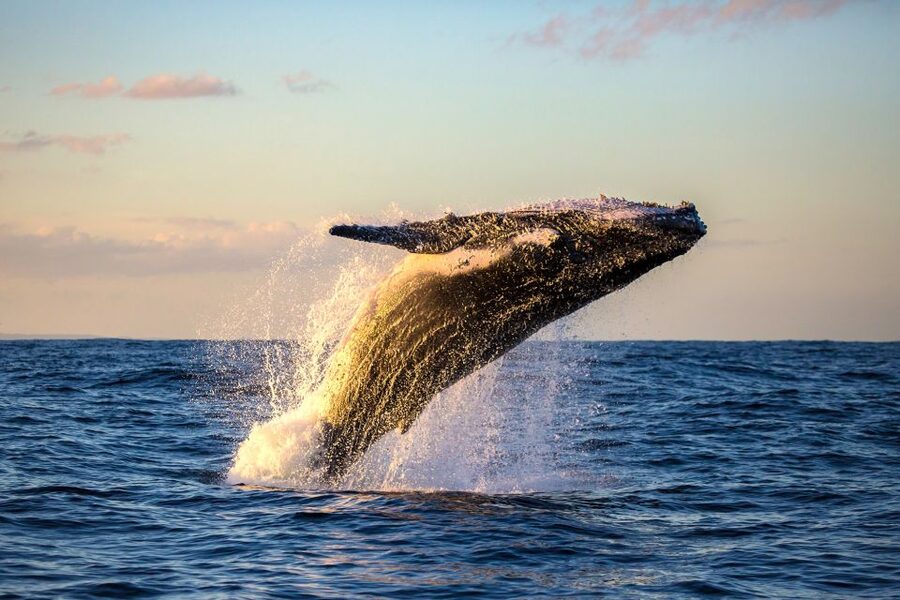
Once underway, the crew begins looking for signs of humpback activity. You might see a blow first, followed by a back, tail, pectoral fin, or full breach. The timing belongs to the whales, not the schedule, so a sighting can be a quick glimpse or a longer sequence of surface behavior.
The crew’s job is not just to point toward the next whale. Certified Marine Naturalists explain what you are seeing and why it matters. A mother and calf may rest, surface, splash, or practice movements. Males may compete for a female in what is often called a competition pod. A whale may slap its fin, lift its tail, or breach without warning.
That interpretation makes a real difference. Without guidance, you might see only a splash and miss the behavior that led to it. With commentary, the same splash becomes part of a larger story about communication, courtship, parenting, or movement.
Several highly praised guides are named in the tour feedback, including Andi, Molly, and Dan. The strongest part of their work appears to be their enthusiasm for the whales, the ocean, and the Hawaiian Islands. You can expect a lively presentation rather than a silent ride to the viewing area.
Listening to whales with underwater hydrophones
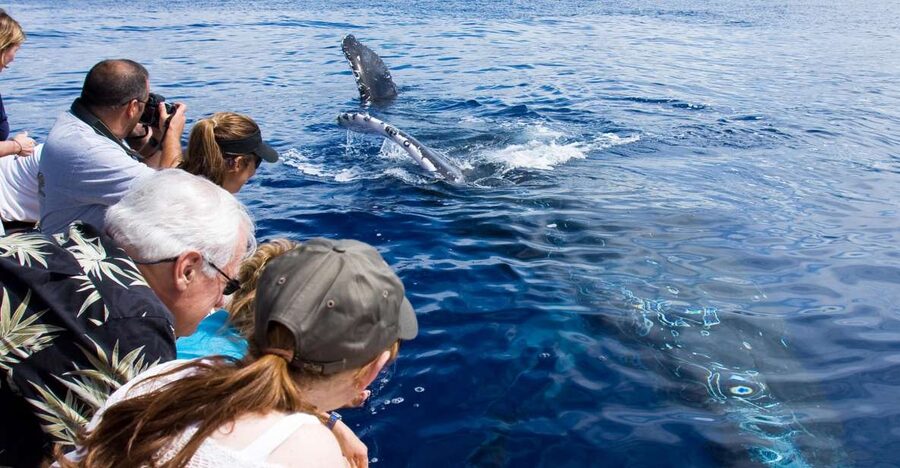
The hydrophones are one of the best reasons to choose this trip over a basic boat ride. They place a microphone underwater so you can listen for whale songs from the boat.
Seeing a whale breach is dramatic, but hearing a call gives you a different connection to what is happening below the surface. You may watch a whale slap the water and hear its song at the same time. That pairing of sight and sound is especially useful for children, who can lose interest when a whale remains underwater for several minutes.
The hydrophone experience is also a reminder that whale watching is not only about surface action. Much of a humpback’s life takes place out of view. The crew can use the sounds to add context, though the exact quality and length of what you hear will depend on whale activity.
Do not expect a concert on every departure. Wildlife behaves on its own schedule. Still, the hydrophones give the crew another way to make the trip worthwhile when the surface is quiet.
Breaches, calves, and the luck factor
The tour highlights some of the most exciting humpback behaviors: mothers with calves, males competing for females, tail slaps, and full breaches. Past outings have included whales breaching close to the boat and calves repeatedly practicing surface movements.
That kind of action is thrilling, but it should never be treated as a promise for your particular departure. The boat can take you to whale habitat, and the crew can search with experience, but nobody can order a breach. The sighting guarantee helps reduce that risk. If no whales are seen, you can go again for free.
The guarantee matters most if whale watching is a major reason for your Maui trip. It gives you another chance instead of leaving you with an expensive boat ride and no wildlife. You will need enough flexibility in your schedule to use the repeat option, though, and the supplied information does not specify how the second trip is arranged.
Even when the whales do not perform, the boat ride includes commentary, hydrophones, and views of the islands. That does not erase the cost, but it gives the outing more substance than a simple search for a photograph.
Same sea, a different boat:
- Whale Watching Tour in Gloucester
★ 5.0 · 4,460 reviews - City Cruises Boston Whale Watching Cruise by High-Speed Boat
★ 4.5 · 3,115 reviews - Maui Eco-Raft Tour: Eye-Level Whale or Dolphin Watching – Lahaina
★ 5.0 · 2,482 reviews - San Diego Whale Watching Cruise
★ 5.0 · 2,317 reviews
Why the naturalist commentary adds value
I like the educational focus here because it keeps the trip from becoming a race between boats. The crew explains whale characteristics and behavior, helping you understand the animal rather than simply collect a sighting.
You may learn while watching a mother and calf move together, or while observing a group of males competing for a female. The guides also discuss the islands visible from the water, giving the two-hour ride a wider sense of place.
Several passengers specifically praised the crew’s friendly attitude, humor, and clear explanations. That combination matters on a family outing. Children can ask questions without the trip feeling like a formal lecture, while adults get enough detail to make the sightings more meaningful.
The experience is conducted in English. If you want a trip built around science, conservation, and interpretation, this is a stronger fit than a cruise focused mainly on music, meals, or onboard entertainment.
A good choice for families, with a few practical limits
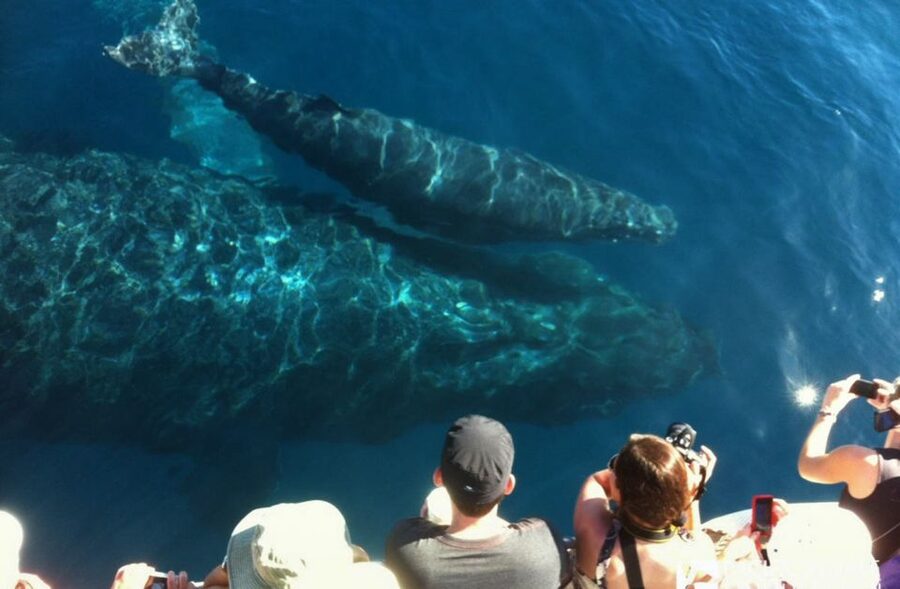
The Jr. Naturalist Program is included, and that gives children a clear way to take part. Instead of asking younger passengers to watch open water for two hours, you can encourage them to listen for whale songs, identify behaviors, and follow the naturalist’s explanations.
The boat has also been described as big enough for everyone and safe and secure for children. That is useful, but the available information does not give details about stroller storage, accessibility, seating arrangements, or restroom facilities. If any of those points matter to you, ask the operator before booking.
For adults, the trip can be as serious as you want it to be. Camera and binocular rentals are available for an extra charge, so you do not need to bring specialized gear to take part. Still, a rental adds to the final cost, and a whale several minutes away may remain difficult to photograph even with good equipment.
Bring a light layer if you tend to feel cool on the water, though specific clothing guidance is not provided. Most important, take motion-sickness medicine one hour before departure if you know you are susceptible. Waiting until the boat is moving is a poor plan.
Smoking is not allowed.
How the $88 price holds up
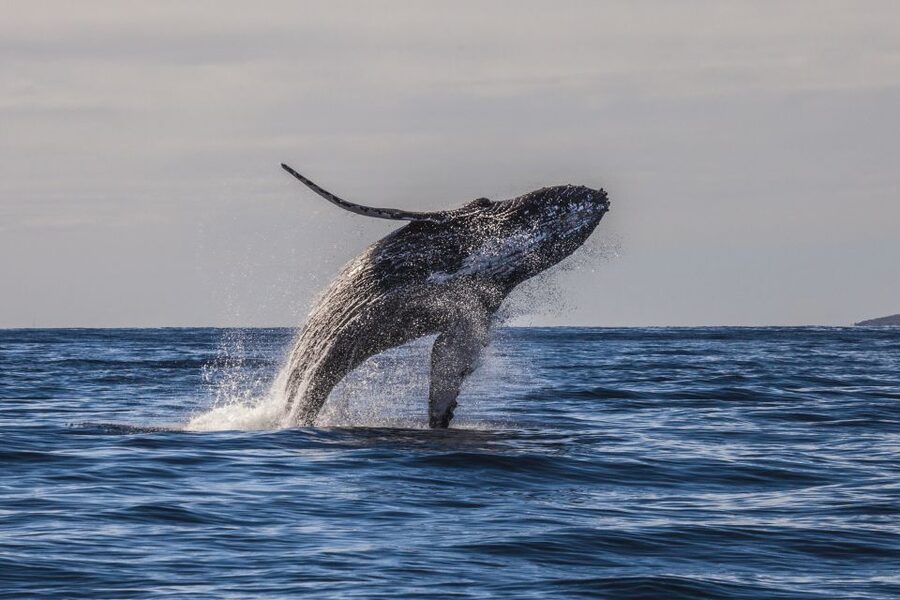
At $88 per person, this is a midrange wildlife outing rather than a cheap add-on. The fare includes the two-hour cruise, Marine Naturalist commentary, hydrophones, filtered water, the Jr. Naturalist Program, a glossy marine wildlife photo card, and the free repeat trip if no whales are seen.
It does not include snacks, beverages beyond filtered water, camera rental, binocular rental, or the $10 discounted tube of reef-safe sunscreen. Parking also costs extra. If you add equipment and food, the final bill can rise.
I think the price makes the most sense for someone who values the educational side of whale watching and the nonprofit mission. Your money supports research, education, and conservation programs, not only the boat operation. That does not make the trip automatically cheap, but it gives the fare a purpose beyond the two hours onboard.
The value is strongest when you use the guide’s expertise, listen through the hydrophone, and treat the trip as a wildlife lesson rather than a guaranteed photo session. It is weaker if you only want a quick look at a whale and would be disappointed by distant sightings.
The conservation connection
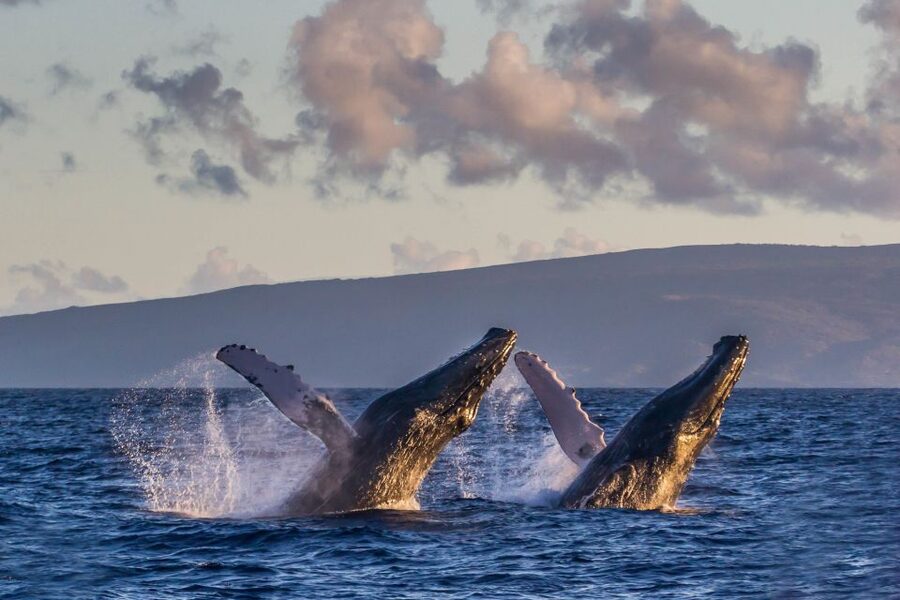
PWF Eco Adventures is operated by a nonprofit organization dedicated to ocean protection through science and advocacy. Profits from the cruises support research, education, and conservation work.
That connection is one of the clearest advantages of this experience. You are not just purchasing a seat on a boat. You are also supporting an organization whose work is tied to the animals and habitat you came to see.
The conservation message is strongest when it stays connected to what you observe. Listening to a whale through a hydrophone, watching a calf practice, and learning about whale behavior can make the protection of marine life feel practical rather than abstract.
This is still a commercial excursion, and it is still priced accordingly. But if you want your sightseeing money to support marine programs, the nonprofit structure gives this tour an advantage over a purely recreational cruise.
Tips for making the most of your departure
Arrive with time to locate the Pacific Whale Ocean Store and pay for parking. The meeting point is in the Harbor Shops of Maʻalaea, not simply somewhere near the harbor entrance.
Use the complimentary reef-safe sunscreen at check-in, or buy the discounted sustainable tube onboard. Bring your own snacks if you need them, since food and drinks are not included. Filtered water is provided.
If whale photography matters to you, decide in advance if you need a camera or binocular rental. You can rent both, but the wildlife remains unpredictable and may not always be close enough for a sharp image.
Most of all, pay attention to the naturalist. The strongest value comes from understanding what you see. A breach is unforgettable, but a quiet encounter with a mother and calf can be just as rewarding when you know how to read the behavior.
Who should book this whale watch
I would recommend this outing to families, first-time whale watchers, and anyone who wants science and conservation woven into the trip. The hydrophones make it more engaging than a standard sightseeing cruise, and the Jr. Naturalist Program gives children a reason to stay involved.
It also suits serious whale watchers who want to rent binoculars or a camera and listen for whale songs. The free repeat policy is useful if sightings are important to your plans.
I would think twice if you want a low-cost outing with food, drinks, or guaranteed close-up action. The $88 fare is easier to justify when you value the nonprofit mission and the crew’s interpretation. If you do not, the price may feel high for a two-hour boat ride.
Should you book it?
Book this Maʻalaea whale watch if you want more than a quick glimpse. The combination of Marine Naturalists, underwater hydrophones, family programming, and conservation support gives the outing real substance.
Just keep your expectations realistic. Whales are wild animals, and the most exciting moments cannot be scheduled. The sighting guarantee protects you if the boat finds none, but you should still choose the tour for the complete experience: learning, listening, watching, and supporting ocean work.
FAQ
How long is the whale-watching tour?
The boat excursion lasts two hours. It departs from Maʻalaea Harbor Village and returns there after the whale watch.
Where do I meet for the tour?
Meet at the Pacific Whale Ocean Store in the Harbor Shops of Maʻalaea.
Are whale sightings guaranteed?
Yes. If you do not see whales, you can go again for free.
Can I hear whale songs during the trip?
Yes. Underwater hydrophones are included so you can listen for whale songs from the boat.
Is the tour suitable for children?
Yes. The trip is family-friendly and includes an onboard Jr. Naturalist Program for kids.
Is sunscreen included?
Reef-safe sunscreen is complimentary at check-in. A four-ounce tube in sustainable packaging is also available onboard for $10 with a 40 percent discount.
Are food and drinks included?
Snacks and beverages are not included. Filtered water is provided.
What should I do if I get seasick?
Plan to take motion-sickness medicine one hour before departure if you are prone to seasickness. Smoking is not allowed onboard.
New whale trips around the USA
- Newport Beach: Year-Round Whale Watching Cruise★ 4.2 · 151 reviews
- Juneau: Mendenhall Glacier and Whale Watching Tour★ 4.6 · 98 reviews
- West Oahu: Eco-Friendly Whale Watching Cruise★ 4.5 · 40 reviews
- Oahu: Waikiki Eco-Friendly Morning Whale Watching Cruise★ 4.4 · 119 reviews
- Whale Watch Sail Ma’alaea★ 4.9 · 27 reviews
- Whale and wildlife watching Private and Semi-Private tours★ 5.0 · 2 reviews
- Oahu: Waikiki Eco-Friendly Afternoon Whale Watching Trip★ 4.5 · 60 reviews
- Waikiki: Sunset Whale Watching with 2 Drinks (BYOB-Friendly)★ 4.3 · 34 reviews
USA Whale Watching Tours, compared.

Juneau Wildlife Whale Watching & Mendenhall Glacier
Read our review →
City Cruises Boston Whale Watching Cruise by High-Speed Boat
Read our review →
Maui Eco-Raft Tour: Eye-Level Whale or Dolphin Watching – Lahaina
Read our review →
Browse the lists this tour appears in