
Review · WHALE AND DOLPHIN WATCHING TOURS
Dolphin & Whale Watching with Marine Biologists
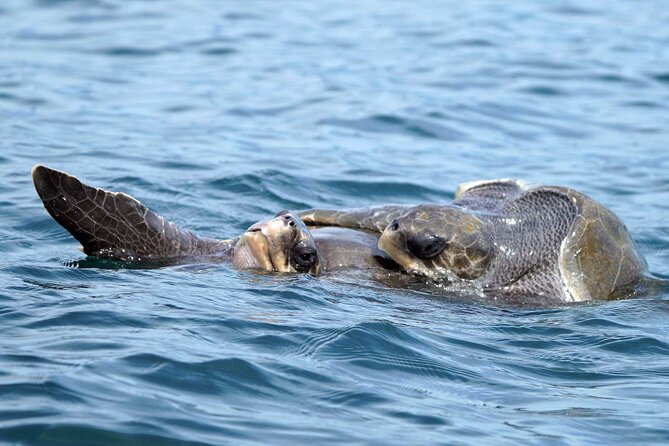
Seeing a humpback mother and calf surface near Huatulco is the headline here, but the ocean can offer much more: pods of dolphins, olive Ridley turtles, mobula rays, sea snakes, and the occasional surprise. Oceanico sends a small boat into Huatulco National Park with a marine biologist on board, rather than treating wildlife as scenery.
I like the small maximum group of 14, which gives you room to move and a better chance of seeing from the bow or sides. I also like the hydrophone, an underwater microphone that lets you hear whale songs and dolphin communication. The main consideration is simple: this is wild-animal watching, not a guaranteed whale show, and the boat has limited shade.
Key points to know before booking
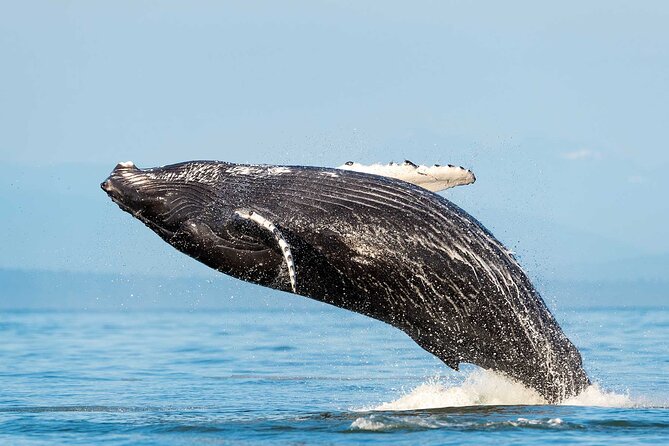
- Humpbacks are seen on about 90 percent of trips from December through March, the strongest season for whale sightings.
- The hydrophone adds an unusual sound element, letting you listen beneath the surface as well as watch above it.
- The boat carries no more than 14 people, a useful advantage when you need a clear view of a distant whale or dolphin pod.
- Marine biologists explain the animals as you watch, including current research and questions about behavior.
- The outing lasts about 2 hours and 30 minutes, starting at 8:00 am from Chahué Marina.
- You pay 75 pesos in cash at the marina area, including 65 pesos for Huatulco National Park and 10 pesos for the Chahué Marina fee.
Humpbacks, dolphins, and the morning sea
This is a wildlife trip first, and that shapes the whole experience. You leave Chahué Marina in the morning and head into waters associated with Huatulco National Park. The crew begins with a short briefing on whales, dolphins, and sea turtles, giving you a useful way to watch instead of simply scanning the horizon.
From December through March, humpback whales appear on about 90 percent of trips. That is a strong seasonal figure, but it is not a promise for your particular morning. The animals are free to move, surface briefly, or remain beyond a good viewing distance.
The best approach is to think of the whale as one possible prize in a larger marine safari. A single outing can include humpbacks, several kinds of dolphins, green or olive Ridley turtles, manta or mobula rays, and other sea life. One especially full trip included a mother and calf with an escort, many turtles, jumping rays, and dolphins that could be heard through the hydrophone.
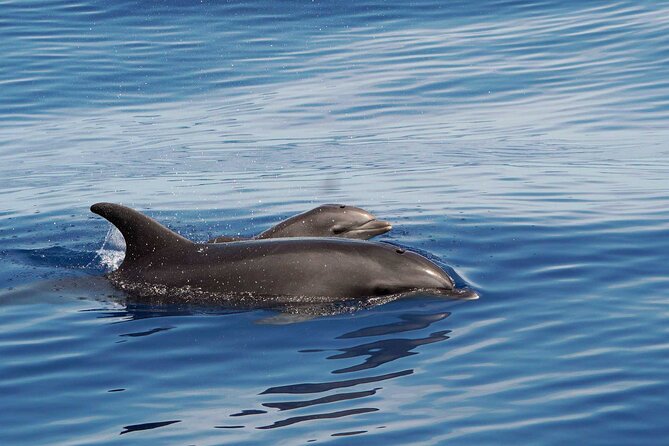
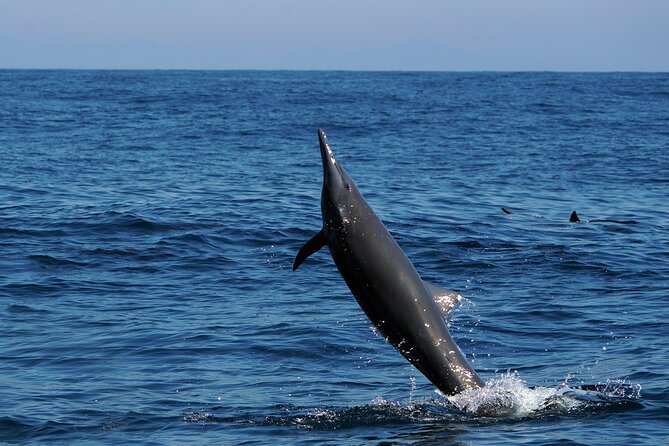
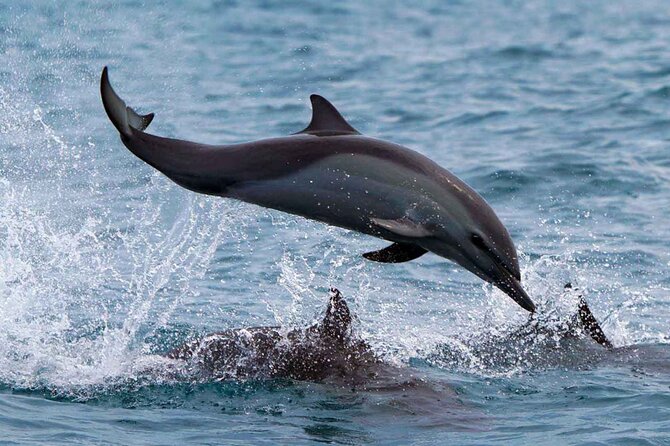
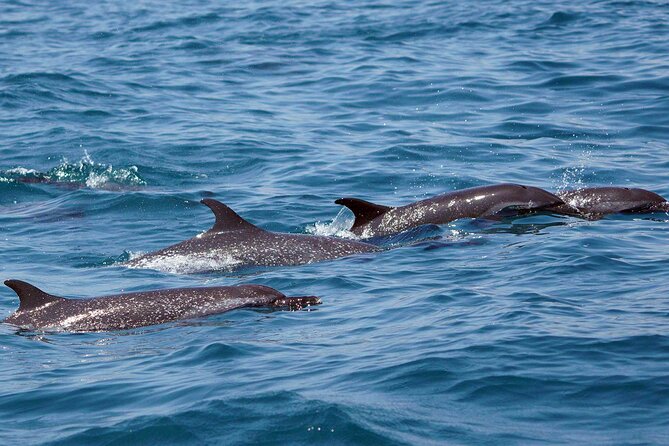
Dolphin sightings can be especially memorable. A pod may contain only a few animals, or the boat may encounter a huge group. One outing recorded roughly 300 dolphins in one pod, while other trips found spotted and bottlenose dolphins in separate groups. You may also hear their echolocation through the underwater microphone, which gives you a sense of how active the sea is below the boat.
More Whale and Dolphin Watching Tours in Mexico:
- Whale and Dolphin Watching with a Biologist in Puerto Vallarta
★ 5.0 · 666 reviews - Whale & Dolphin Watching Cruise in Puerto Vallarta All Inclusive
★ 4.0 · 212 reviews - Ocean Safari: Sea Lions, Mobula Rays, Dolphins, Orcas & Whales
★ 5.0 · 85 reviews
What happens at Huatulco National Park
The listed stop is Huatulco National Park, though this is not a land-based park tour with a walk or formal shore visit. The boat uses the protected marine area as its setting for wildlife observation. Your crew works with a network of spotters and heads farther out to areas they know for stronger sighting potential.
That knowledge matters because marine wildlife does not arrange itself beside the marina. The crew has to read the water, watch for blows and fins, and decide when to follow an animal and when to move on. The marine biologist explains what you are seeing and answers questions about behavior, feeding, communication, and ongoing research.
The emphasis is on respectful observation. The crew describes its approach as giving animals room and following national park regulations. That is important for a whale trip. A close encounter can be thrilling, but a responsible operator should avoid turning the animal into a performance.
The park fee is 65 pesos per person, paid in cash, and it is not included in the tour price. Add the 10-peso Chahué Marina fee, also in cash. These charges are small, but you should have Mexican pesos ready before boarding.
Why the marine biologist matters
A boat ride can show you a whale. A marine biologist can help you understand why the whale surfaces, how a calf stays near its mother, or why dolphins suddenly change direction. That extra context is the strongest reason to choose this experience over a basic sightseeing cruise.
The guides explain current research and invite questions during the trip. Staff members named in the trip feedback include Scarlett, Tito, Peter, and Tony. Scarlett is described as a guide, while Tito is identified as a captain. Peter and Tony have also led morning trips and shared information about whales and turtles.
English is offered, and one account describes staff as able to speak several languages. If you have a particular language need, confirm it when booking, since the listed offering is in English.
The guides can also help you make sense of less famous sightings. A sea snake, sailfish, manta ray, or mobula ray can be easy to miss if you are focused only on whales. One trip included a leaping sailfish, yellow-bellied sea snakes, green turtles, spotted dolphins, and two dolphin pods. Another included a group of around 12 mobula rays, with several jumping clear of the water.
This is useful for families, photographers, and anyone who likes natural science. You are encouraged to ask questions, so prepare a few. The setting gives you a rare chance to speak with someone who works directly with marine life while the animals are in front of you.
The boat, group size, and comfort
Oceanico limits each departure to 14 people. That small group is one of the clearest advantages of this trip. You should have a better chance of shifting position, looking over either side, or finding a clear view when the captain slows near wildlife.
The boat is small, however, and one account noted limited sun protection. There is a canvas roof over the boat, but you still need a hat, sunglasses, and reef-friendly sunscreen. The tropical sun can be strong even during an early departure, and the open sides leave you exposed.
Wear clothing that can handle spray and bring extra water if you like to drink often. Bottled water is included, but an early morning on the sea can still feel hot. The boat may also feel lively in larger swells. The pilot has handled rough water well, but people who are prone to seasickness should consider their comfort before booking.
Life jackets are available for children from age three through adults weighing up to 130 kilograms. People over 130 kilograms cannot participate under the stated conditions. The minimum age is three, and most people who meet the age and weight limits can take part.
The front of the boat can provide an exciting view, but it is also the place most exposed to sun and spray. If you prefer shade, arrive ready to settle under the canvas roof. With a small group, you may be able to change positions during the outing.
More whale watching around Mexico worth comparing
- Luxury Catamaran Whale Watching Cabo San Lucas
★ 5.0 · 2,107 reviews - Whale Watching Cabo-Women crew-Sightings Guaranteed & Free Photos
★ 5.0 · 1,743 reviews - SMALL GROUP Whale Watch | Cabo San Lucas | Biologist | FREE Pics
★ 5.0 · 1,106 reviews - Humpback Whales in Cabo San Lucas
★ 5.0 · 1,005 reviews
A realistic look at the 8:00 am schedule
The meeting point is Oceanico Huatulco at Sector P, Chahué Marina, on Boulevard Benito Juárez. The tour starts at 8:00 am and ends back at the same meeting point after roughly two and a half hours.
Starting early has practical benefits. The schedule leaves much of the day open for a beach, lunch, or another Huatulco activity. It also gets you onto the water before the heat becomes more tiring. One morning trip found the timing ideal and reached whale sightings quickly.
At departure, the crew gives its short briefing. Then the boat moves away from the marina and into the park waters. The middle of the trip is flexible because the animals decide the route. You may spend a long period with one whale, move between dolphin pods, or cover more water while the crew searches.
The return includes a short debriefing before you leave the marina. That closing moment gives you a chance to ask about something you saw or clarify an identification. The activity is not designed as a full-day cruise, so do not expect a long stop for swimming, lunch, or a beach visit.
The meeting point is near public transportation, which helps if you are staying in Huatulco without a rental car. The tour itself begins and ends at the marina, so check your transfer timing carefully and allow enough time to reach the 8:00 am start.
How much value you get for $59.74
At $59.74 per person, this sits at a reasonable price for a small-group marine wildlife trip with specialist interpretation. You are paying for about 2 hours and 30 minutes on the water, a maximum group of 14, bottled water, and a crew that searches beyond the immediate marina area.
The price becomes more attractive if you care about the biology, not just a quick boat ride. The hydrophone, park setting, and access to a marine biologist add value that a basic harbor cruise may not provide. A pod of dolphins or a mother humpback with a calf can make the cost feel modest for a memorable morning.
You also need to count the extra 75 pesos in cash. The Huatulco National Park fee is 65 pesos, and the Chahué Marina fee is 10 pesos. These charges are not large, but the advertised ticket price is not the final amount.
There is no guarantee of whales, dolphins, or turtles on every departure. Some outings have seen whales and dolphins in abundance, while another had no whales but still found turtles, dolphins, rays, and a sea snake. I would judge the value by the quality of the search, the small group, and the explanation from the crew, rather than by expecting a specific animal.
The strongest wildlife possibilities
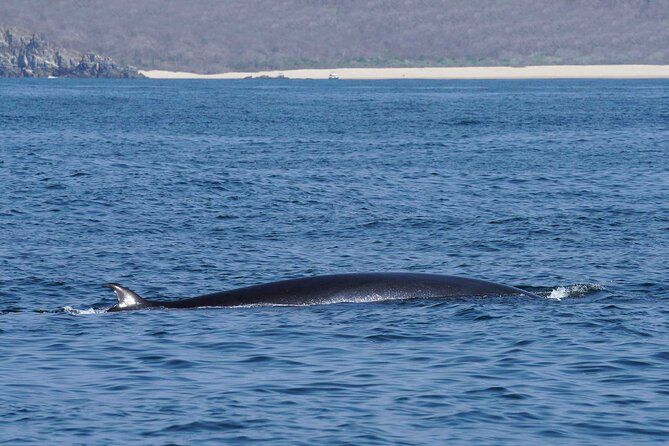
Humpback whales are the main seasonal draw. From December through March, the chance of seeing them is especially good. Sightings can include a single whale, a mother and calf, or several whales moving through the same area.
Dolphins may be spotted on the way out or on the return. The trip has encountered both spotted and bottlenose dolphins. Large pods can create a dramatic scene, but even a smaller group becomes more interesting when you can hear communication through the hydrophone.
Sea turtles are a reliable part of the broader Huatulco marine setting, though no wild animal is guaranteed. Sightings have included many olive Ridley turtles and green turtles. The nearby Playa Escobilla area is known for mass olive Ridley nesting, and the crew uses that local context to explain why turtle sightings can be so frequent.
Rays can add action to an otherwise quiet stretch of sea. Mobula rays have been seen leaping, sometimes in groups. Manta rays have also appeared. Other possible sightings include sailfish and yellow-bellied sea snakes.
One unusual account described at least five orcas along with two whales, turtles, rays, and a sea snake. That is an exceptional encounter, not something you should use as a normal expectation. Still, it shows the range of marine life that may pass through these waters.
Who will enjoy this trip most
I would choose this tour if you value small groups, marine science, and a flexible search for wild animals. It suits families with children age three or older, couples, photographers, and people who would rather learn from a specialist than simply point a camera at the horizon.
It is also a good choice for repeat visitors to Huatulco. One person enjoyed the first outing so much that they booked the tour again the next day. A second trip can produce a completely different mix of animals because the route and sightings change each morning.
You should think twice if you need a guaranteed whale encounter, a large stable boat, full shade, or a long swimming stop. The boat is small, the sea may have large swells, and wildlife viewing takes patience.
Book well ahead if your dates are fixed. This experience is booked an average of 33 days in advance, and the small capacity can limit last-minute space. Confirmation is provided at booking. The activity can be canceled for poor weather or if the minimum number of participants is not reached, in which case you are offered another date or a full refund.
Should you book Oceanico?
Book this trip if you want a serious but friendly wildlife outing, especially from December through March. The combination of a marine biologist, a hydrophone, a small group, and access to Huatulco National Park gives you more substance than a simple boat loop.
Bring a hat, sunglasses, reef-friendly sunscreen, pesos for the two fees, and realistic expectations. If you see a mother humpback with a calf, a giant dolphin pod, or a dozen mobula rays, you may have an exceptional morning. If the whales stay away, the crew still gives you a fair chance at dolphins, turtles, rays, and other sea life.
FAQ
How long does the Dolphin and Whale Watching tour last?
The experience lasts approximately 2 hours and 30 minutes.
What time does the tour start?
The tour starts at 8:00 am.
Where does the tour begin and end?
It begins at Oceanico Huatulco at Chahué Marina, Sector P, Boulevard Benito Juárez, Bahias de Huatulco. It ends back at the same meeting point.
How many people can join the boat?
The activity has a maximum of 14 participants.
What animals might I see?
You may see humpback whales, dolphins, sea turtles, manta or mobula rays, sea snakes, sailfish, and other marine species. Humpback whales are seen on about 90 percent of trips from December through March.
Is the Huatulco National Park fee included?
No. You must pay a 65-peso cash entrance fee per person. There is also a 10-peso cash Chahué Marina fee per person.
Can children join the tour?
Children age three and older can participate. Life jackets are available for children from age three and for adults weighing up to 130 kilograms.
New whale trips around Mexico
- Whale Watching in La Paz – Gray Whale Encounter★ 4.4 · 4 reviews
- Whale Watching in San Jose del Cabo★ 5.0 · 3 reviews
- Whale Watching Guaranteed Experience in Puerto Vallarta★ 5.0 · 7 reviews
- Cabo San Lucas: Whale Watching Experience on Catamaran★ 4.3 · 5 reviews
- Whale Watch Cabo: Group Whale Watching Tour – FREE photos★ 5.0 · 3 reviews
- Whale Watch Cabo: Zodiac Whale Adventure – FREE Photos★ 4.8 · 4 reviews
- Whale Watching★ 4.0 · 10 reviews
- Whale Watching in San Jose del Cabo★ 5.0 · 31 reviews
Whale and Dolphin Watching Tours, compared.
Eco-Yacht Whale and Dolphin Watching and Swimming
Read our review →
Los Cristianos Respectful No-Chase Whale and Dolphin Safari
Read our review →

Whale & Dolphin Eco-Cruise with Snacks & Drinks
Read our review →
Dolphin & Whale Watching Cruise with Swim Stop
Read our review →
Morro Jable: Dolphin & Whale Watching Cruise, Drinks & Swim
Read our review →
Browse the lists this tour appears in