
Review · BIG ISLAND WHALE WATCHING TOURS
Big Island: Pelagic Whale Watch Tour
Kona’s best marine-life trips are not limited to humpback season. This 3 to 4-hour search reaches both the coast and the pelagic zone, where the seafloor drops thousands of feet and pilot whales, beaked whales, sperm whales, sharks, and unusual dolphins may appear. In winter, humpbacks add extra excitement close to shore.
I like two things here: the 46-foot catamaran offers open 360-degree viewing, and the naturalists explain what you are seeing instead of leaving you to guess at distant fins. The main drawback is simple: wildlife is wild. You may see breaching whales, spinner dolphins, and even a whale shark, or you may spend much of the trip searching in rolling water.
Key points to know before booking
- Pelagic access: Offshore certification lets the boat search waters thousands of feet deep, not just the shoreline.
- A strong year-round option: Pilot whales, spinner dolphins, bottlenose dolphins, sharks, flying fish, and other species may appear outside humpback season.
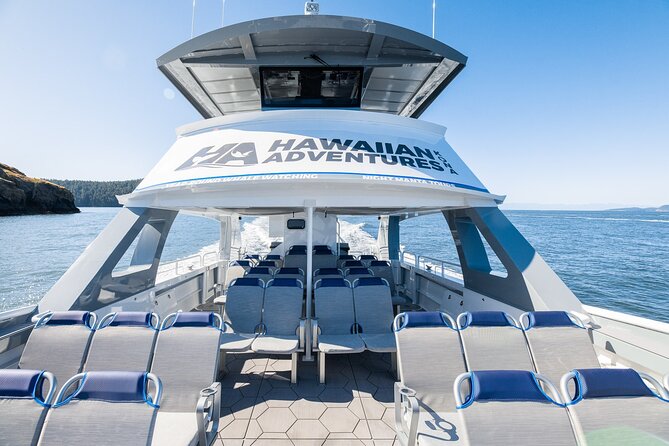
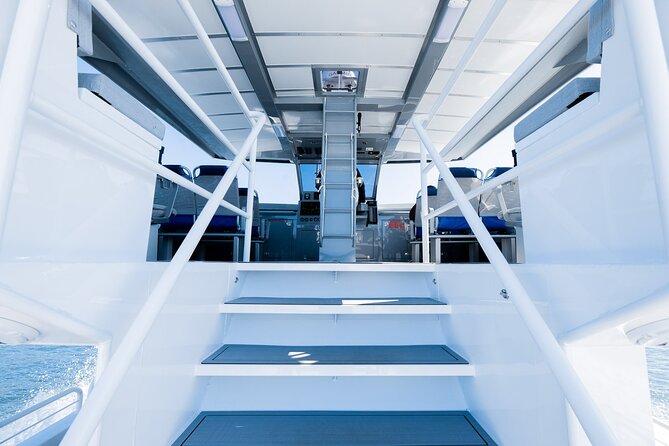
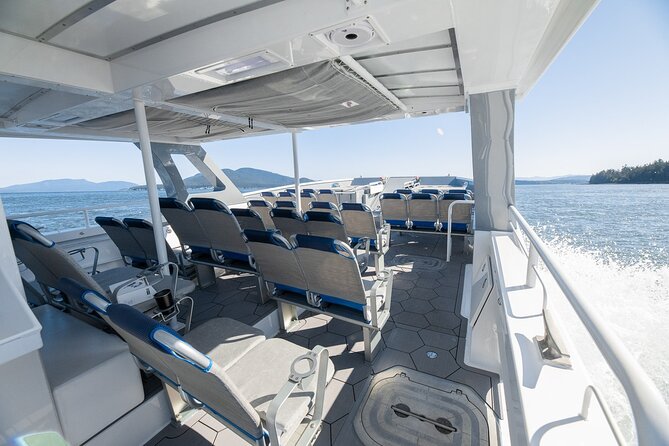
- Good viewing setup: Artemis has padded seating, soft flooring, handholds, shaded and sunny areas, and open sightlines.
- Naturalist-led trip: Crew members such as Andrew and Olivia explain animal behavior, migration, ecology, and local coastal features.
- Plan for ocean motion: Kona often has calm water, but several hours on an offshore boat can still be rough for anyone prone to seasickness.
- Best for older children and adults: The tour is not suitable for children under 10 and allows a maximum of 42 people.
From Honokohau Harbor into Kona’s whale country
You meet at 275 Kealakehe Parkway in Kailua-Kona for an 8:30 a.m. departure. The boat leaves from Honokohau Harbor, a practical launch point because it provides quick access to both coastal waters and the farther offshore zone.
The morning timing works well. You get cooler conditions than later in the day, plenty of daylight, and a full three to four hours for the crew to search. This is not a quick ride to one fixed viewing spot. The captain and naturalist adjust the route according to animal activity, water conditions, and reports from the crew’s own eyes.
As you leave the harbor, look back at the Kona coast. The shoreline takes on a different character from the water, and the crew may point out local features such as fish farms, a seahorse farm, and other coastal sites. That commentary gives the trip a stronger sense of place than a simple boat ride.
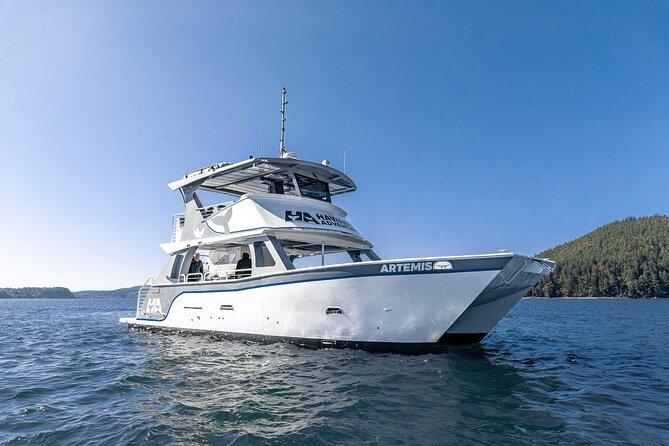
The boat is Artemis, a 46-foot catamaran. Its twin-hull design helps it handle ocean swells more smoothly than a single-hull boat, though it cannot erase the motion of the sea. Padded seats, soft foam flooring, railings, and handholds make the ride more manageable. You can choose between shaded and full-sun areas, and the open design allows you to move around for a better angle.
More whale watching around the USA worth comparing
- Juneau Wildlife Whale Watching
★ 5.0 · 7,379 reviews - Juneau Wildlife Whale Watching & Mendenhall Glacier
★ 5.0 · 6,236 reviews - Boston: City Cruises Whale Watching Cruise
★ 4.5 · 4,710 reviews
Near-shore waters and winter humpbacks
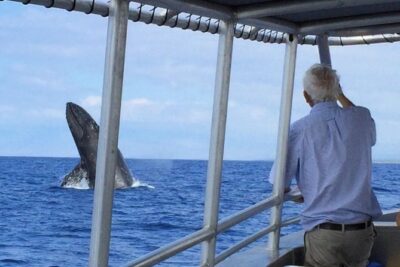
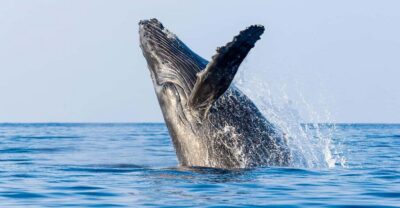
The first search area is the near-shore zone. Kona’s coast drops off quickly in places, so whales and dolphins can be found surprisingly close to land. During the winter humpback season, this is where you may see humpbacks traveling, resting, surfacing, or performing dramatic behaviors such as breaching, chin slapping, and spyhopping.
Humpbacks are the headline attraction for many people, but the timing matters. They are most associated with the winter months, while the tour operates as a year-round wildlife search. If humpbacks are your main goal, schedule this trip during humpback season and keep your expectations sensible. Even then, sightings and behavior change from day to day.
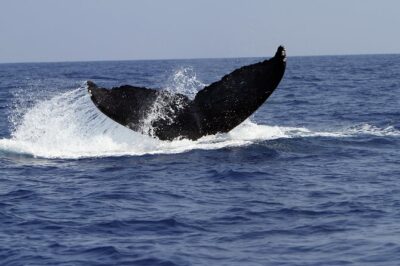
The crew follows the whales’ safety rules and works with the conditions at hand. You may watch several whales from a respectful distance, or catch only brief glimpses. One especially useful part of the naturalist commentary is learning to recognize behavior: a whale showing its head above the surface may be looking around, while a breach is a full-body leap that can turn an ordinary morning into a lasting memory.
Near shore, the possible list is broad. Spinner dolphins may leap and spin beside the boat. Bottlenose dolphins may surface in smaller groups. Flying fish can skim across the water, and manta rays may appear. These sightings are not consolation prizes. They are part of what makes Kona a strong wildlife destination throughout the year.
The pelagic zone: where the trip gets more unusual
Many whale-watch boats stay near the coast. Hawaiian Adventures can travel offshore with US Coast Guard offshore certification, opening a much larger search area. The pelagic zone reaches waters thousands of feet deep, and that change in depth brings different animals.
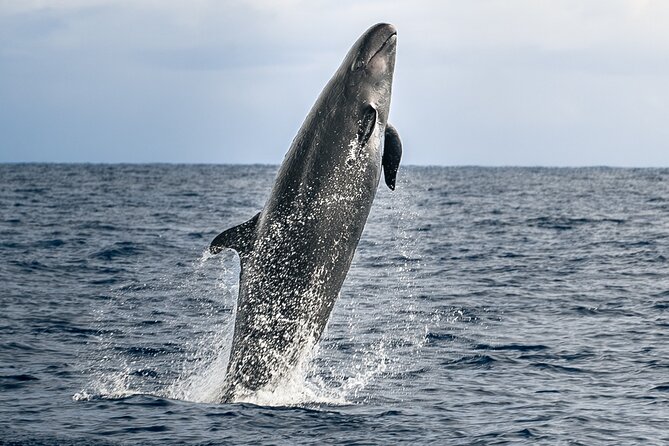
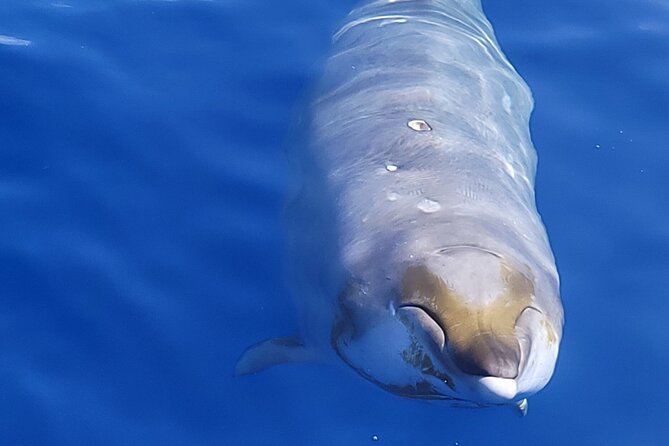
This is where you may encounter short-finned pilot whales, sperm whales, beaked whales, spotted dolphins, and less common species. Several trips have produced sightings of Cuvier’s beaked whales, oceanic white-tip sharks, scalloped hammerhead sharks, and whale sharks. Those encounters are never assured, but they explain why this tour is more than a standard seasonal humpback outing.
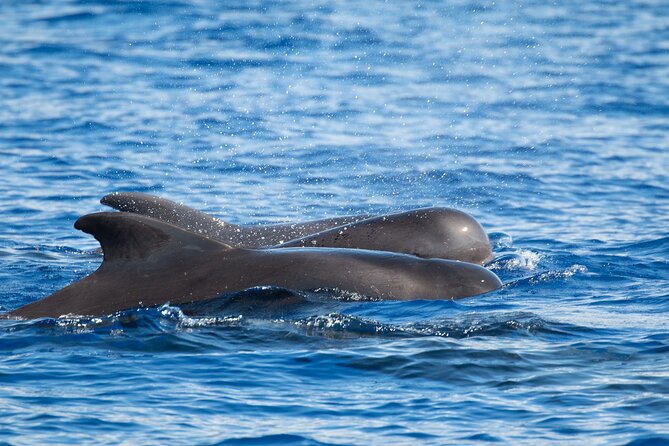
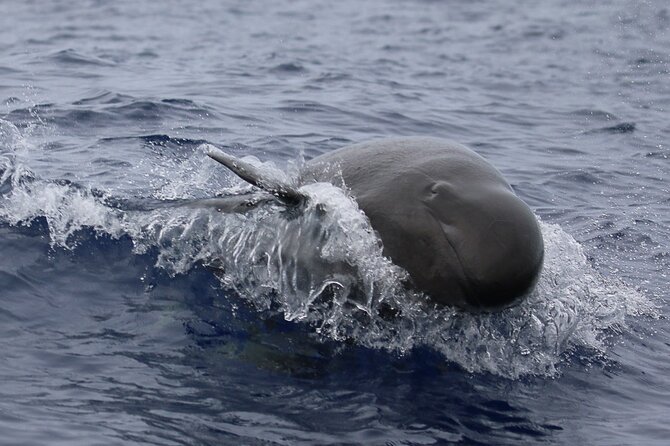
Pilot whales are among the most realistic year-round targets. They often travel in pods and can offer repeated surface views. You might see an individual roll, vocalize, or raise its head above the water. The naturalist can explain how the animals travel and interact, which makes a quick sighting more meaningful.
The pelagic setting also changes the feel of the boat ride. Offshore water can be more exposed, and the trip may involve faster travel between search areas. One unhappy account described a choppy ride and sore muscles from holding on, while other experiences praised the catamaran’s smooth handling. Both points are useful. Artemis is built for comfort, but no boat can promise flat water.
Why the naturalist matters
The crew is one of the strongest parts of this experience. Andrew and Olivia are among the named crew members associated with the trip, and the naturalist role adds much more than animal names. You can expect explanations about migration, feeding, communication, behavior, conservation, and the role of each species in the Kona ecosystem.
That education is especially useful when the animals appear only briefly. A distant dorsal fin can seem like a small event until you understand whether it belongs to a pilot whale, a dolphin, or another species. The crew also helps you read the water for signs of activity, including birds, flying fish, splashes, and groups of dolphins moving in the distance.
The guides also share information about the coastline. You may hear about nearby fish farms, the seahorse farm, or the underwater depth close to Kona. One striking detail is that humpbacks may swim in only 50 to 200 feet of water close to shore during the season. The result is a trip that combines wildlife watching with a useful introduction to the coast itself.
The crew also helps with comfort. Anyone feeling seasick can ask for assistance, and the staff are described as attentive to people having a rough time. Bring your own motion-sickness plan if you are prone to it. Taking appropriate medicine before departure is usually more useful than waiting until the boat is already moving, though the tour information does not specify which medication to use.
Same sea, a different boat:
- Whale Watching Tour in Gloucester
★ 5.0 · 4,460 reviews - City Cruises Boston Whale Watching Cruise by High-Speed Boat
★ 4.5 · 3,115 reviews - Maui Eco-Raft Tour: Eye-Level Whale or Dolphin Watching – Lahaina
★ 5.0 · 2,482 reviews - San Diego Whale Watching Cruise
★ 5.0 · 2,317 reviews
What you may actually see
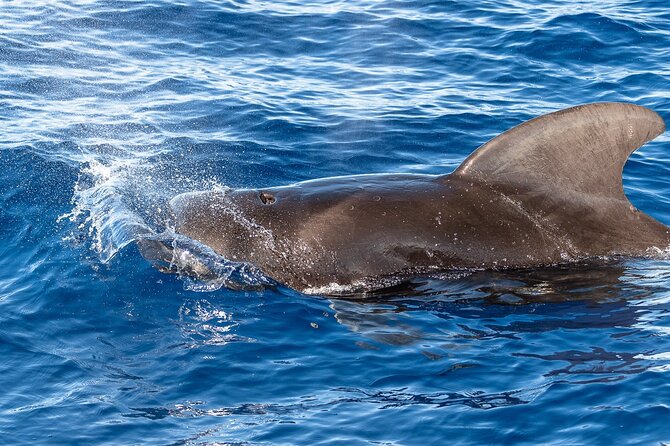
This tour advertises more than a dozen possible whale and dolphin species, but that does not mean you will see all of them in one morning. Nature sets the schedule. One outing may produce humpbacks, spinner dolphins, bottlenose dolphins, manta rays, and flying fish. Another may focus on pilot whales, sperm whales, sharks, and spotted dolphins.
Recent wildlife combinations have included:
- Short-finned pilot whales
- Humpback whales
- Spinner, bottlenose, and spotted dolphins
- Sperm whales
- Cuvier’s beaked whales
- Oceanic white-tip and tiger sharks
- Whale sharks
- Scalloped hammerhead sharks
- Flying fish and manta rays
That variety gives the trip good value for anyone who enjoys the whole marine ecosystem. If you only want a close-up humpback performance, you are taking a bigger gamble outside winter. If you enjoy identifying different species and seeing how the crew responds to changing conditions, the year-round format makes more sense.
The operator offers a return option at 50 percent off if you see no whales or dolphins, according to the stated response to an unsuccessful trip. Treat this as a possible second chance, not a promise that the first trip will deliver a particular animal or behavior. The sea can still send you home with no major sighting.
Comfort, space, and the viewing experience
A maximum of 42 people is not a tiny private charter, but the boat’s layout helps spread people out. The open 360-degree arrangement means you are not confined to one forward-facing row. If another person blocks your view, you can often shift to another side of the boat, though one account noted that inconsiderate passengers can still get in the way.
The seating is padded, and there are both shaded and sunny areas. I would arrive ready to move around rather than claiming one favorite spot for the entire trip. Wildlife may appear on either side, behind the boat, or several yards away, so flexibility improves your chances of seeing the action.
Soft drinks and bottled water are included. That is a modest perk, but it matters on a three to four-hour outing. Hotel pickup and drop-off are not included, so you need to arrange your own transportation to Honokohau Harbor. Free parking has been noted at the departure area.
Service animals are allowed, public transportation is nearby, and most people can participate. The minimum age is 10, making this better for older children and adults than for families with toddlers. Because the activity takes place offshore, anyone with serious mobility or medical concerns should contact the operator before booking rather than assume the standard setup will suit them.
Is $129 a fair price?
At $129 per person, this is not the cheapest way to get on the water, but the price is reasonable if you value time and range. You receive a three to four-hour wildlife search, a professional captain and crew, naturalist commentary, access to offshore waters, and drinks. The longer duration also gives the boat more time to look in both near-shore and pelagic areas.
The value is strongest for someone who wants more than a seasonal humpback checkmark. You could see several dolphin species, pilot whales, sharks, flying fish, or a whale shark in addition to humpbacks. On the other hand, no amount of planning can guarantee a specific encounter, and the cost may feel high if you dislike open-water rides or need a certain animal to make the outing worthwhile.
The 4.9 rating from 557 reviews and 97 percent recommendation rate point to consistently strong satisfaction, especially with the crew, boat comfort, and explanations. I would use those numbers as evidence of reliable service, not as a promise about wildlife. The most important variable remains the ocean on your departure day.
Who should book this Kona whale watch?
I would choose this trip if you want a serious wildlife search with room for surprises. It suits couples, families with children aged 10 and older, and anyone who prefers learning about animals rather than simply pointing a camera at them.
It is also a strong pick outside humpback season. Pilot whales, dolphins, sharks, and other species are present year-round, so you are not limited to a winter calendar. During humpback season, the chance of seeing whales close to shore adds another reason to book.
I would think twice if you get seasick easily, dislike fast boat travel, or need a guaranteed dolphin sighting. Take motion seriously. Kona waters are often calm, but several hours offshore can still involve swells, wind, and spray. Wear practical clothing, protect your camera, and plan to spend part of the trip standing or shifting position for a clear view.
Cancellation is free up to 24 hours before departure for a full refund. Poor weather or failure to meet the minimum number of participants can lead to a rescheduled trip or full refund. Those terms make early booking less risky, especially since the experience is often reserved well ahead of time.
Should you book the Pelagic Whale Watch Tour?
Book it if you want the best chance of seeing a broad range of Kona marine life and you value a crew that explains what is happening. The offshore access, catamaran layout, and naturalist-led approach give it more depth than a short coastal cruise.
If humpbacks are your priority, aim for winter and accept that the animals choose the show. If you are visiting at another time of year, book for the full range of possibilities: pilot whales, spinner dolphins, sharks, flying fish, and the occasional remarkable surprise. This is a good use of a Kona morning, provided you respect the limits of wild-animal watching and prepare for motion on the water.
FAQ
Where does the tour leave from?
The tour meets at 275 Kealakehe Parkway in Kailua-Kona, Hawaii, and departs from Honokohau Harbor.
What time does the tour start?
The listed start time is 8:30 a.m.
How long is the whale-watching trip?
The experience lasts approximately three to four hours and returns to the original meeting point.
What animals might I see?
Possible sightings include humpback whales, short-finned pilot whales, sperm whales, beaked whales, spinner dolphins, bottlenose dolphins, spotted dolphins, manta rays, flying fish, whale sharks, and several types of sharks.
Are drinks included?
Yes. Soft drinks and bottled water are provided.
Is the tour suitable for young children?
No. The activity is not appropriate for children under 10.
New whale trips around the USA
- Anacortes: Orca Whales Guaranteed Boat Tour near Seattle★ 4.7 · 33 reviews
- Anacortes: Full Day Whale/Wildlife Tour; Friday Harbor Stop★ 5.0 · 5 reviews
- Anacortes: Whale Watching Adventure Tour Near Seattle★ 4.8 · 45 reviews
- Juneau: 3.5-Hour Small Group Whale Watching Tour★ 5.0 · 2 reviews
- Whale Watch Cruise Aboard The Majestic★ 4.5 · 193 reviews
- Whale Watching & Late Breakfast Cruise in Honolulu★ 4.0 · 161 reviews
- Honolulu, Oahu: Waikiki Whale Watching Cruise★ 3.5 · 166 reviews
- Kaanapali: Whale Watching Cruise with Open Bar★ 4.9 · 83 reviews
Big Island Whale Watching Tours, compared.
Kailua-Kona: Whale Watching Cruise on the Big Island
Read our review →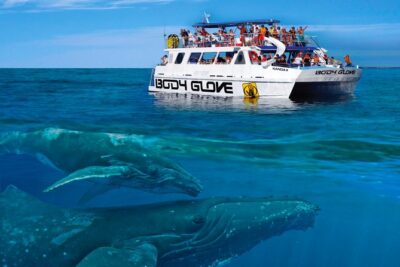
Browse the lists this tour appears in