Review · HUMPBACK WHALE TOURS
Humpback Whale and Dolphin Watch in Kona
The best part of this Kona cruise is the chance to hear humpback whales underwater, not just watch a distant blow. The boat stays small, the coastline comes close, and captains such as Dennis, Bryce, Shelley, and Raj have been praised for mixing whale facts with stories about Hawaiian history and geology.
I like the personal scale, since a lightly booked departure may have only five to ten people aboard. I also like the chance to see spinner dolphins year-round and humpbacks in season, with sea arches, caves, flying fish, and the Kona coast filling in the spaces between sightings. The main caution is simple: wildlife is wild, and some trips see whales only at a distance.
Key points to know before booking
- Humpback season runs from December through April, with the strongest whale activity often described as January and February.
- The boat is small and fast, which gives you a clear view but also makes the ride bumpy.
- Whale song may be heard through an underwater hydrophone, an unusual and memorable part of the outing.
- Spinner dolphins, bottlenose dolphins, and spotted dolphins may appear year-round, even when whales stay hidden.
- The cruise includes coastal scenery and local stories, not just a search for marine life.
- There is no restroom onboard, and you should bring reef-safe sunscreen, a jacket, and a camera.
A small boat with a big ocean view
This is a 3.5-hour experience from check-in to return, with roughly 2.5 to 3 hours spent on the water. You meet at 78-6831 Ali‘i Drive in Kailua-Kona, then finish near 78-7138 Kaleiopapa Street. Your selected time is the check-in time, not the moment the boat leaves, so allow the full block of time.
The boat is a rigid-hull inflatable vessel. That matters. You are close to the water, the boat can move quickly between sightings, and you get a wide view without a tall cabin blocking the horizon. It also means more motion than you would feel on a larger whale-watching vessel.
You may need to remove your shoes before boarding. The ride can be bumpy, particularly when the boat is moving at speed or crossing choppier water. If you have back or neck problems, a serious medical condition, or are pregnant, this is not the right style of boat trip. Children must be accompanied by an adult, and the recommended minimum age is five.
The published capacity details are not perfectly consistent: the experience is promoted as a small-group cruise for up to 28 people, while the additional information lists a maximum of 20. Either way, this is much smaller than a large harbor boat. A lightly booked trip can feel almost private, with just a handful of people and easy access to the captain.
More Whale and Dolphin Watching Tours in the USA
- Maui Eco-Raft Tour: Eye-Level Whale or Dolphin Watching – Lahaina
★ 5.0 · 2,482 reviews - Monterey: Monterey Bay Dolphin and Whale Watching Boat Tour
★ 4.7 · 1,645 reviews - San Diego Whale Watching & Dolphin Cruise
★ 4.5 · 1,588 reviews
Searching the Kona coast for dolphins and whales
The cruise is not a straight ride offshore and back. The captain slowly works along the Kona coast, watching for blows, dorsal fins, splashes, and groups of dolphins. The route can include dramatic rock formations, sea arches, caves, and views toward Captain Cook Monument.
The coastline gives the trip real value even when the animals are quiet. You see parts of the shore that are difficult to appreciate from land, including waves striking the rock and small formations close to the water. Several departures have also included flying fish and sea turtles, though neither should be treated as a guaranteed sighting.
The captain narrates the journey, pointing out wildlife and explaining local geology, island history, and Hawaiian stories. Crew members vary by departure. Names associated with the operation include Dennis, Bryce, Shelley, Raj, Rob, Chad, and Tim, so you should expect the personality and exact style of the narration to change.
The strongest crew experiences combine humor with useful spotting advice. A good captain helps you understand where to look, how to recognize a distant blow, and why a whale may appear for only a few seconds. The commentary can also make the ride feel worthwhile during a quiet stretch.
One caution: the promised narration may not be equally strong on every departure. The experience is sold with live commentary, but the quality can depend on the crew and the pace of wildlife activity. If you care as much about interpretation as animal sightings, ask at check-in who will be guiding your trip and confirm that narration is part of the plan.
What you can see in each season
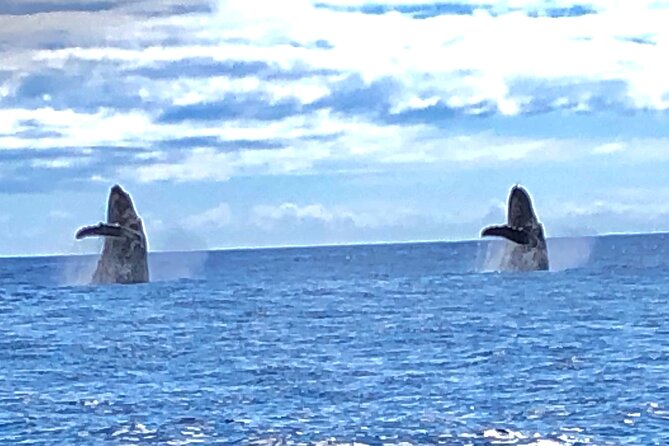
Hawaiian spinner dolphins are the most dependable wildlife possibility. Pacific bottlenose dolphins and spotted dolphins may also appear throughout the year. Dolphins can approach the boat, swim alongside it, or remain farther away near the coastline.
Humpback whales are seasonal visitors. The experience operates for whale watching from December through April, while the detailed cruise description gives December through March as the main period. A crew member has also noted that whale season now tends to be strongest in January and February. If seeing humpbacks is your main reason for booking, those two months give you the best odds within the stated season.
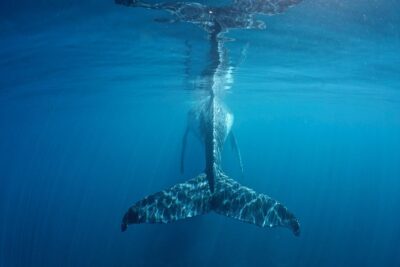
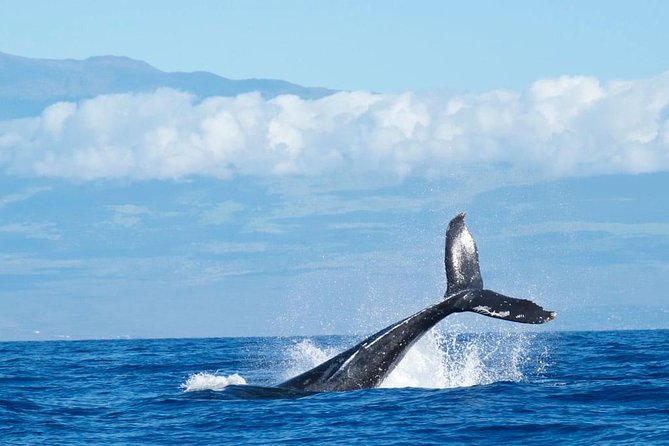
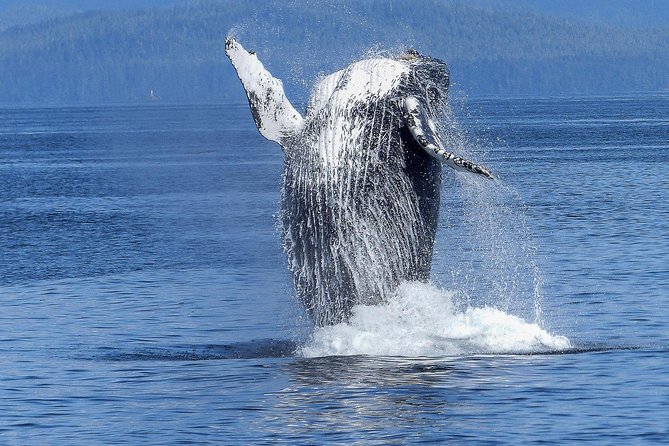
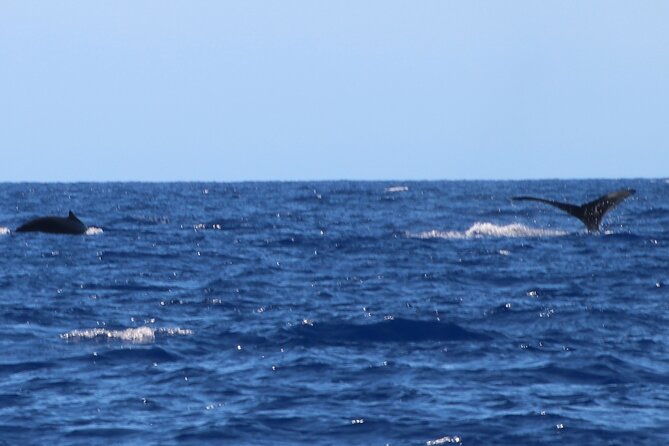
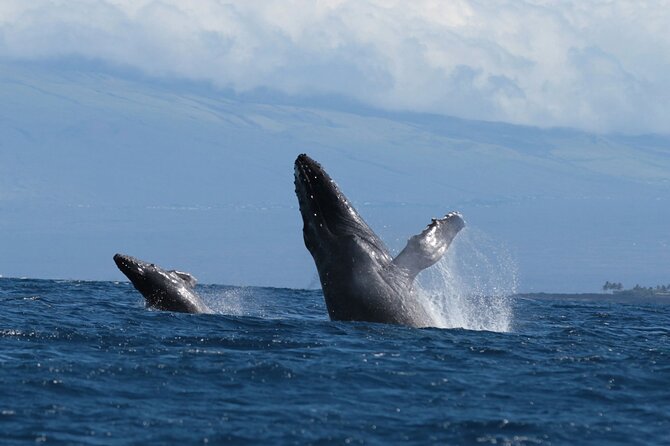
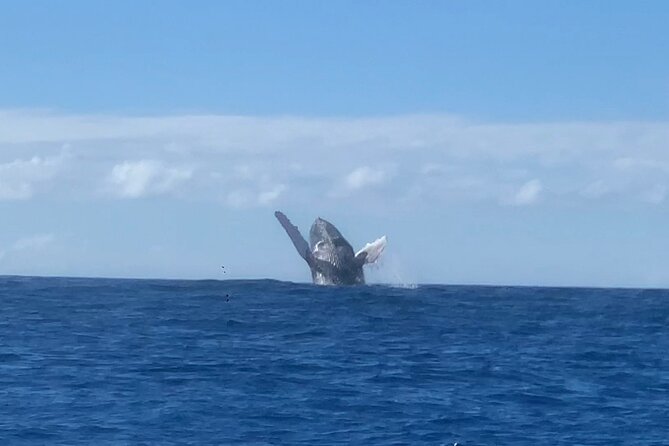
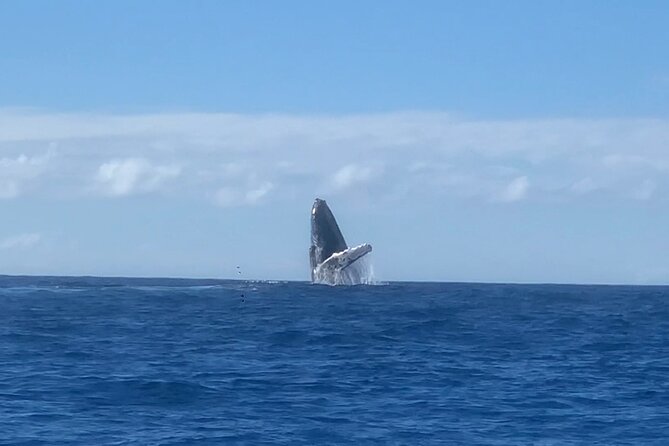
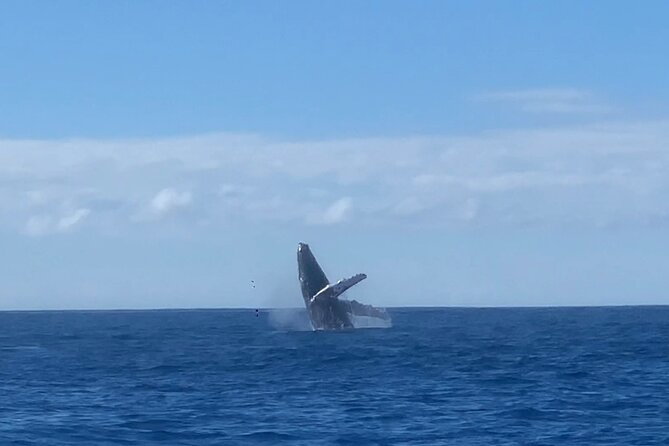
You may see a blow first, followed by a back, tail, or breach. A whale can remain underwater for a while, and it may surface several hundred yards away. Federal rules require boats to keep a safe distance of 100 yards from humpback whales, so an advertised whale watch does not mean a whale will come beside the boat.
That distance is important for setting expectations. Some outings have included repeated breaches and several whales in different locations. Other trips have produced only distant blows and a few visible body parts. Both are normal outcomes for a wildlife cruise.
The crew may change course when a breach or group of whales appears. That can create thrilling moments, but it can also mean a faster, rougher ride. The search itself is part of the experience, not a guarantee of a close encounter.
Hearing whales through the hydrophone
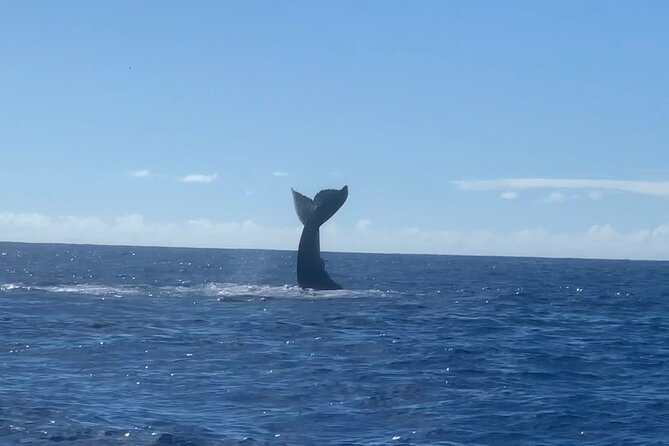
The underwater hydrophone is one of the most distinctive features here. When conditions and whale activity cooperate, the crew lowers the device into the water so you can hear humpback vocalizations.
The sound can be striking because it changes your sense of distance. You may be looking at a whale far away while hearing its song below the surface. One departure picked up whale song from nearly two nautical miles away, while another group heard the whales during a much closer sighting.
The hydrophone will not necessarily be used for a long time. Wildlife behavior, location, and boat conditions affect what the crew can pick up. Still, this is a worthwhile feature because it gives you a sense of the ocean as a living space, not just a stage for surface sightings.
If you bring a camera, use it for the coastline and broad wildlife moments rather than expecting perfect close-up photographs. Whales surface quickly, the boat moves, and the required viewing distance makes detailed shots difficult. A phone with a zoom lens can help, but patience matters more than equipment.
More Humpback Whale Tours in Big Island:
- Kailua Kona: Humpback Whale Watching Adventure Cruise
★ 4.5 · 33 reviews - Royal Humpback Whale Exploration
★ 5.0 · 9 reviews - Seasonal Small-Group Humpback Whale Watching in Kona
★ 5.0 · 7 reviews - Hilo: Humpback Whale-Watching Cruise with Snacks and Drinks
★ 4.1 · 5 reviews
The crew makes the difference
The strongest praise for this experience centers on the people running it. Captains Dennis and Bryce have been singled out for whale facts, island stories, and an upbeat manner. Shelley has been praised for combining a professional approach with humor, while Raj and Tim have been noted for making extra effort to help a passenger with limited mobility board and get comfortable.
That personal attention is easier to provide on a small vessel. You can ask questions without shouting across a large deck, and the captain may speak directly with your family or group. On a lightly booked departure, the experience can feel like a private coastal outing with a wildlife search added.
The crew also handles practical matters that affect the day. They point out dolphins, explain what you are seeing, and may spend extra time with a sighting when conditions allow. At times, the captain may turn back toward a distant breach on the return trip.
The tone is not guaranteed to be formal. Some captains focus heavily on facts, while others mix information with personal stories and jokes. That relaxed style suits people who want an informal boat ride rather than a polished lecture.
Price and value at $109
At $109 per person, this sits in a reasonable middle range for a half-day wildlife cruise, especially if you value a small group and a fast, open boat. You are paying for the boat, crew, naturalist-style commentary, and roughly three hours on the water. Transportation to the meeting area, sunscreen, and personal items are extra.
The value depends on what you want from the outing. If you want guaranteed close whale photographs, no wildlife boat can honestly promise that. If you want a chance to see humpbacks, dolphins, coastal rock formations, and perhaps hear whale song, the price is easier to justify.
A larger boat may offer more room and a smoother ride. This smaller vessel gives you a more direct connection to the water and a better chance for personal conversation with the captain. You trade comfort and onboard facilities for intimacy and access.
The lack of a restroom is not a minor point on a 3.5-hour outing. Use facilities before check-in and plan accordingly. The check-in location and boarding point are separate parts of the process, so read your ticket carefully and ask staff where to wait once you reach the ramp.
The tour is booked about 20 days ahead on average. That suggests you should reserve in advance during the peak winter whale period, especially if your Kona stay is short.
What to bring for the open water
Pack light, but bring the items that make a real difference:
- Reef-safe sunscreen
- A light jacket or extra layer
- Camera or phone
- Sunglasses with a secure fit
- Water, if you prefer to carry your own
- Motion-sickness medication if you are prone to seasickness
The jacket matters even on a warm Kona day. An open boat moving across the water can feel cool, and spray is possible. Wear clothing you do not mind getting damp.
The boat may be bumpy enough to make photography difficult. Keep your camera secure when you are not using it, and do not spend the whole trip looking at a screen. A whale may surface behind you while you are framing another shot.
This is a non-snorkeling cruise. You stay aboard the entire time, watching the water and coast from the boat. If your ideal day includes getting in the ocean, choose a separate snorkeling trip rather than expecting this one to include a swim stop.
Meeting points, timing, and cancellation
The start point is at 78-6831 Ali‘i Drive in Kailua-Kona, and the listed end point is at 78-7138 Kaleiopapa Street. Private transportation is not included, so arrange your own ride to check-in. The area is near public transportation, but the tour does not provide a transfer.
Allow extra time to locate the check-in area. The boarding location can be confusing once you reach the boat ramp, and some people have waited near a wall by the bathroom while trying to find the group. Follow the instructions on your ticket and confirm the exact waiting point before the departure time.
You receive confirmation when you book. Free cancellation is available until 24 hours before the local start time. Cancellations or changes inside that 24-hour window are not refunded.
The company can cancel for poor weather or if the minimum number of participants is not reached. In that case, you are offered another date or experience, or a full refund.
Who will enjoy this Kona whale watch
I would choose this trip for someone who values a small boat and personal contact more than a smooth, spacious ride. It suits couples, families with children aged five and older, solo visitors, and anyone who wants a coastal cruise with wildlife watching folded in.
It is also a good fit for a first whale-watching outing. The captain can help you learn what to watch for, and the coast provides something to enjoy even during a slow wildlife period.
I would think twice if you need a restroom onboard, dislike bumpy rides, are pregnant, or have serious back or neck concerns. I would also reconsider if your entire decision depends on a close whale encounter. The 100-yard rule and the unpredictability of wild animals make distant sightings possible.
The trip can work well for families, but remember that the boat is open and the ride is active. Children need adult supervision, and anyone sensitive to motion should prepare before boarding.
Should you book this Dolphin Discoveries cruise?
Book it if you want a compact, lively Kona boat trip with a real chance of seeing dolphins and seasonal humpbacks. The hydrophone, coastal rock formations, and small-group setting add value beyond simply counting whale blows.
Choose a departure in January or February if your dates allow, and reserve early for winter. Go in with realistic expectations: some days bring breaching whales and dolphins near the boat, while others offer distant blows, a few fins, and beautiful coastline.
For a personal wildlife search with local storytelling, this is a sound choice at $109. For a smoother ride, guaranteed narration, or a restroom onboard, look for a larger vessel instead.
FAQ
How long does the experience last?
The full experience takes about 3.5 hours, including check-in. The cruise itself is described as roughly 2.5 to 3 hours.
When can I see humpback whales?
The seasonal whale-watching trip operates from December through April. The main description gives December through March, and the strongest period is often January and February.
What dolphins might I see?
Possible year-round sightings include Hawaiian spinner dolphins, Pacific bottlenose dolphins, and spotted dolphins.
Is this a snorkeling tour?
No. This is a boat-based wildlife and coastal sightseeing cruise, with no snorkeling stop.
Is there a restroom on the boat?
No. Restroom facilities are not available onboard, so use one before boarding.
What should I bring?
Bring reef-safe sunscreen, a jacket, and a camera. A jacket is useful on the open boat, even in warm weather.
Is the ride suitable for everyone?
The tour is recommended for ages five and older, and children must be accompanied by an adult. The boat ride can be bumpy and is not recommended for people with neck or back problems, serious medical conditions, or those who are pregnant.
What happens if the weather is poor?
If the trip is canceled because of poor weather, you are offered a different date or a full refund. A full refund is also available when you cancel at least 24 hours before the experience starts.
More Whale and Dolphin Watching Tours in Big Island
- Tenerife: Eco-Yacht Whale and Dolphin Watching and Swimming
★ 4.7 · 15,619 reviews - Los Cristianos Respectful No-Chase Whale and Dolphin Safari
★ 4.6 · 12,782 reviews - From Funchal: Ecological Catamaran Dolphin Whale Watching
★ 4.5 · 8,204 reviews - Funchal: Dolphin and Whale Watching Catamaran Cruise
★ 4.5 · 5,697 reviews
New whale trips around Big Island
- Sunset Cruise with the Whales on our Sailing Catamaran★ 5.0 · 48 reviews
- Sunset Cruise with the Whales on our Power Catamaran★ 5.0 · 2 reviews
- Small Group Whale Watching in Kona Hawaii★ 5.0 · 5 reviews
- Whale Watching on Big island★ 4.5 · 19 reviews
- Waikoloa Deluxe Whale Watch★ 4.5 · 124 reviews
- Sunset Whale Watching Shared Activity★ 4.5 · 5 reviews
- Wake Up With the Whales Cruise on Seasmoke★ 5.0 · 159 reviews
- Kona’s Guaranteed Whale Watch: An Unforgettable Ocean Encounter★ 4.5 · 47 reviews
Humpback Whale Tours, compared.
Humpback whale watching and marine life in Moorea
Read our review →
Noosa Whale Watching Cruise – Humpback Whale Adventure
Read our review →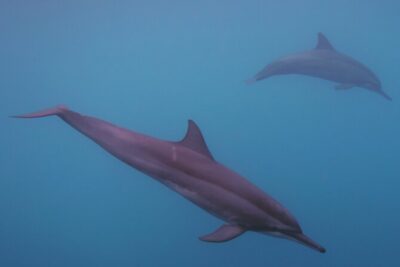
Private tour observing and swimming with humpback whales in Moorea
Read our review →