
Review · CANADA WHALE WATCHING TOURS
Port Hardy: Sea Otter and Whale Watching
The most special part of this Port Hardy outing is the boat itself. A fast, custom-built RHIB carries only 12 people into broad stretches of northern Vancouver Island water, giving your guide a good chance to search for whales, sea otters, and other marine life. An onboard hydrophone lets you hear whales below the surface, turning a sighting into a fuller experience.
I like the suspension seats, which make the ride far more comfortable than a basic zodiac, and I like the practical gear package: flotation suits, binoculars, warm hats, lunch, and hot drinks. The main caution is the weather. Fog can be common in August, and this is not a good pick if you have back trouble or get seasick.
Key points
- 12-passenger RHIB: Individual shock-mitigating seats offer a smoother ride than standard bench seating.
- Whales by sight and sound: The onboard hydrophone adds underwater audio to the wildlife search.
- Local knowledge: English-speaking Indigenous staff and guides bring a strong connection to Kwakwakaʼwakw traditional waters.
- Useful comfort gear: Two-piece flotation suits, warm hats, binoculars, lunch, hot drinks, and an onboard toilet are included.
- A full half-day: The 330-minute trip gives the boat time to cover a wide area rather than making a quick coastal loop.
- Weather matters: Fog and rough water can affect visibility and comfort, even when wildlife activity is excellent.
Port Hardy is the right starting point
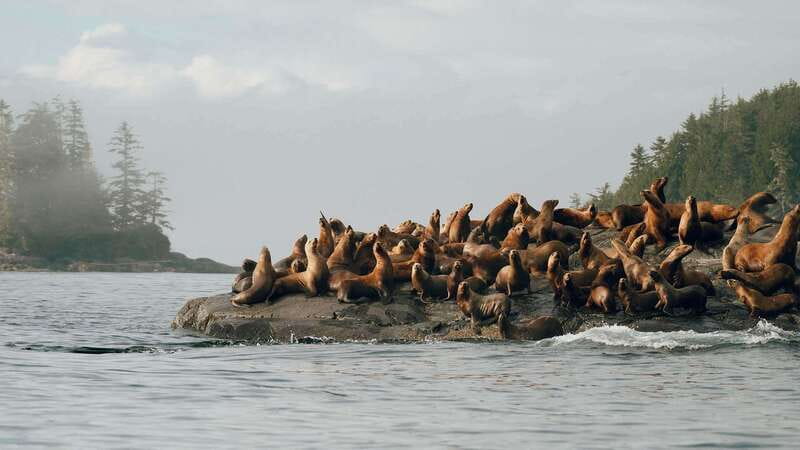
Port Hardy sits at the northern end of Vancouver Island, where the coast opens into a large network of channels and exposed marine waters. That location matters. A whale-watching trip here is not confined to a small harbor or a short sightseeing loop. The high-speed boat can cover considerable ground while the guide searches for signs of life.
You meet at Coastal Rainforest Safaris, 7185 Market Street, 30 minutes before departure. That early arrival is not wasted time. You need to sign a waiver and be fitted with your two-piece flotation suit before boarding, so arriving late could create a problem for the whole group.
The setting is also part of the experience. You are traveling through the traditional lands and waters of the Kwakwakaʼwakw First Nations. The local connection is not just a line in the description. The staff and guides know these waters firsthand, and the tour places the wildlife search in a specific cultural and geographic setting.
More whale watching around Canada worth comparing
- Vancouver Half-Day Whale Watching Adventure with Free Photos
★ 5.0 · 5,000 reviews - Tadoussac/Charlevoix: Whale Watching Zodiac Tour
★ 4.3 · 2,716 reviews - Vancouver: Covered Whale Watching Adventure with Free Photos
★ 4.8 · 2,260 reviews
A 12-passenger boat made for northern water
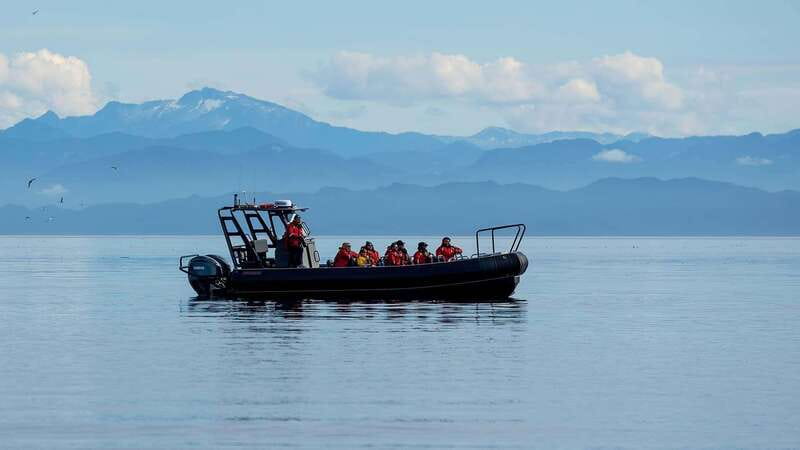
The custom RHIB is one of the strongest reasons to choose this trip. Traditional zodiacs often use long, hard bench seats. Here, each person gets an individual seat mounted on a shock-mitigating suspension platform.
That design matters once the boat picks up speed or crosses larger waves. You still need to expect motion, but the suspension seats reduce the jarring impact that can turn a scenic boat ride into a long workout for your back. One guide, AJ, received particular praise for bringing the boat close to the action while still keeping the experience respectful and quiet around wildlife.
The boat carries only 12 passengers, which keeps the group small enough for everyone to have a reasonable view. It also means the guide can speak to the whole group without a large crowd competing for space. The included onboard toilet is another small but useful advantage on a trip lasting 330 minutes, or five and a half hours.
This is still a fast open-water vessel, not a covered sightseeing boat. Dress warmly, keep your expectations practical, and understand that comfort is improved, not guaranteed. The flotation suit helps with warmth and safety, but you should still bring additional warm clothing.
Searching for whales, otters, and coastal wildlife
The route is not a fixed parade of named stops. Your guide uses local knowledge, recent sightings, water conditions, and the behavior of wildlife to decide where to go. That flexibility is important because whales and sea otters do not follow a schedule.
You may spend time moving between areas, scanning the water, and waiting for the next sign of activity. The boat’s speed lets the crew check a wider area than a slower vessel could cover. This does not guarantee a particular species on a particular day, but it improves the odds of finding something memorable.
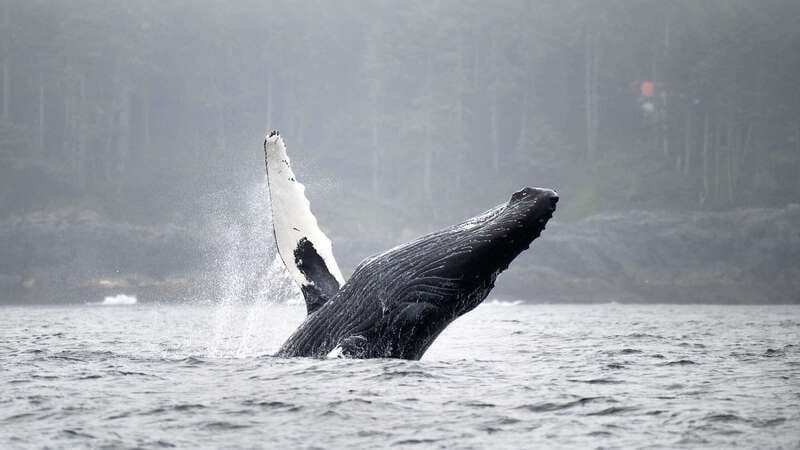
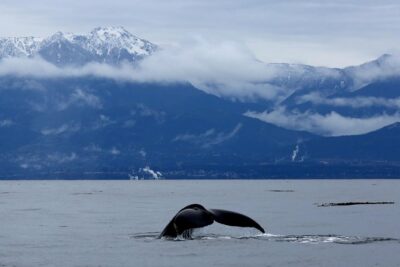
Whales are the main attraction, and orcas can be part of the experience. The strongest accounts from August describe seeing many orcas despite poor weather. That contrast is worth remembering: gray skies and fog do not automatically mean a disappointing outing.
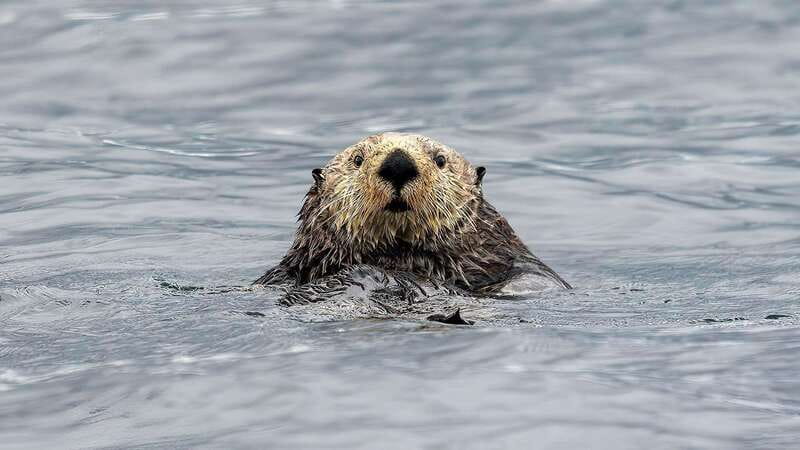
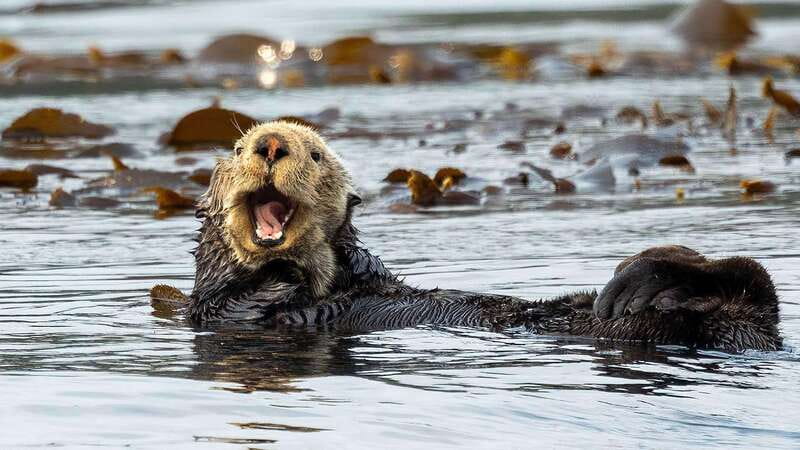
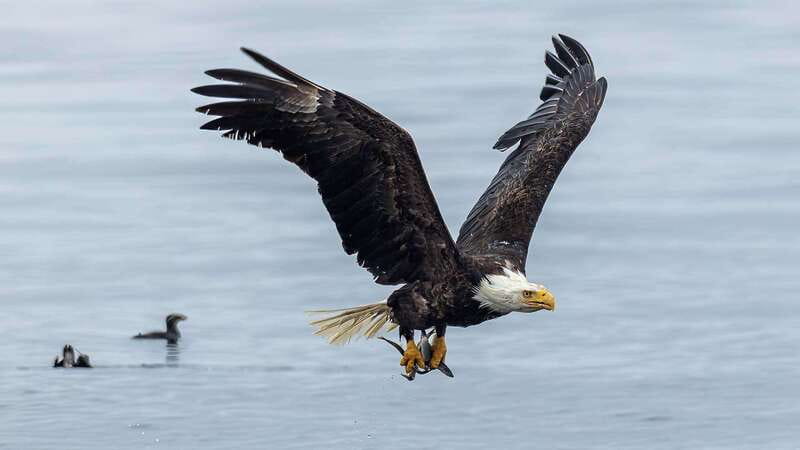
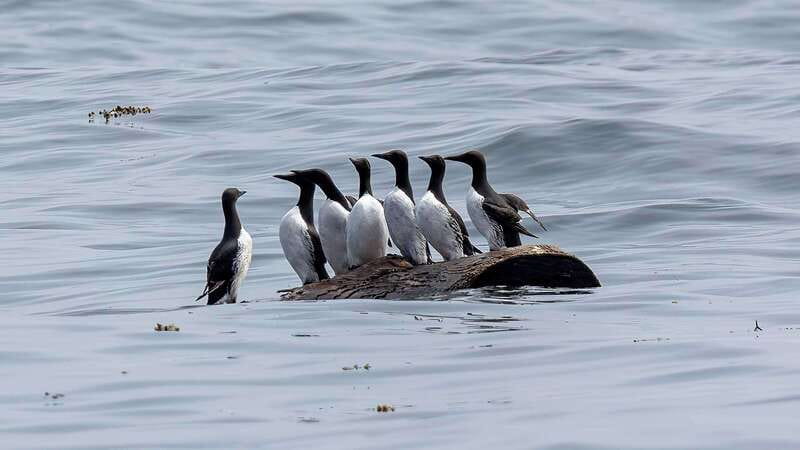
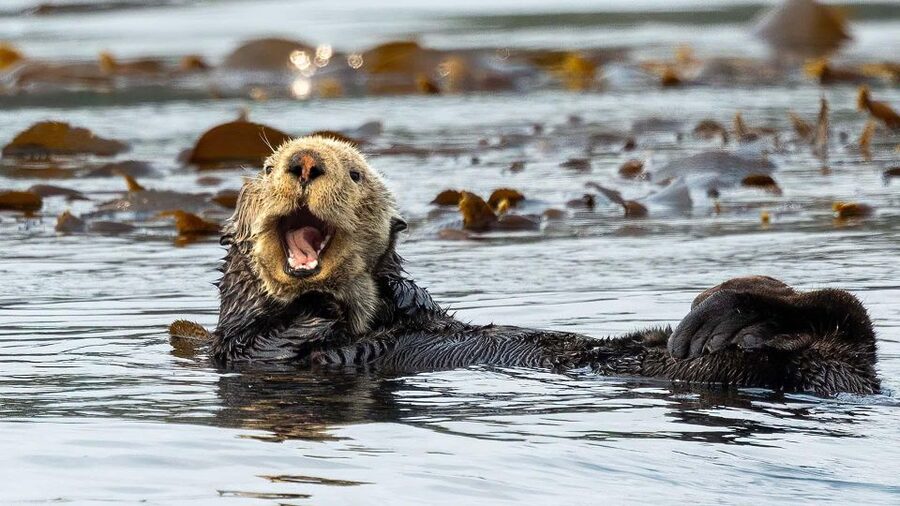
Sea otters offer a different kind of wildlife viewing. They are smaller and easier to miss than whales, so binoculars become especially useful. Keep your attention on the water rather than watching only the horizon. Other marine animals and birds may also appear, but the exact mix changes from trip to trip.
The guide’s job is more than pointing at a fin. You receive explanations about the animals, their behavior, and the waters around you. The French-language feedback highlighted a guide who shared anecdotes, answered questions, and approached wild animals with care. The tour is built around observation, not chasing.
Listening through the hydrophone
The hydrophone is a fine touch. Whale watching often becomes a game of spotting a blow or a distant dorsal fin. With the hydrophone, you may also listen for sounds beneath the boat.
That audio helps you connect the animal you see with the unseen world below the surface. It also gives the guide another way to explain whale behavior and communication. Conditions and animal activity determine how much you hear, so treat it as an added tool rather than a guaranteed show.
I especially like this feature for visitors who enjoy learning as much as taking photographs. It slows the experience down. Instead of only waiting for the next splash, you pay attention to the water, the sound, and the guide’s interpretation.
Same sea, a different boat:
- Victoria Half-Day Whale Watching Adventure with Free Photos
★ 5.0 · 2,259 reviews - Tadoussac/Charlevoix: 3-Hour Whale Watching Boat Tour
★ 4.2 · 2,179 reviews - Victoria Whale and Wildlife Cruise
★ 5.0 · 1,729 reviews - Whale-Watching Tour from Vancouver
★ 4.5 · 1,572 reviews
What the flotation suit and lunch add
The included two-piece flotation suit serves two purposes. It provides safety support on the water and adds a layer of warmth in a place where wind can make a mild day feel cold. Warm hats and binoculars are also supplied.
Bring your own warm layers anyway. The official advice is simple: wear warm clothing. That is good advice even if the forecast looks friendly in Port Hardy, because conditions on open water can feel quite different. Avoid strong fragrances, which are not allowed, and leave pets, drones, tripods, smoking materials, and bare feet out of the plan.
Lunch and hot drinks are included. That makes the $276 per-person price easier to assess, since you are not paying separately for basic food, equipment, and binocular rental. A five-and-a-half-hour outing also takes up most of a day, so having food on board keeps you focused on the wildlife rather than the clock.
The meal is not the reason to book, but it is part of the good practical design. A warm drink during a long ride can make a real difference, especially in fog or cool wind.
Fog, waves, and the real weather tradeoff
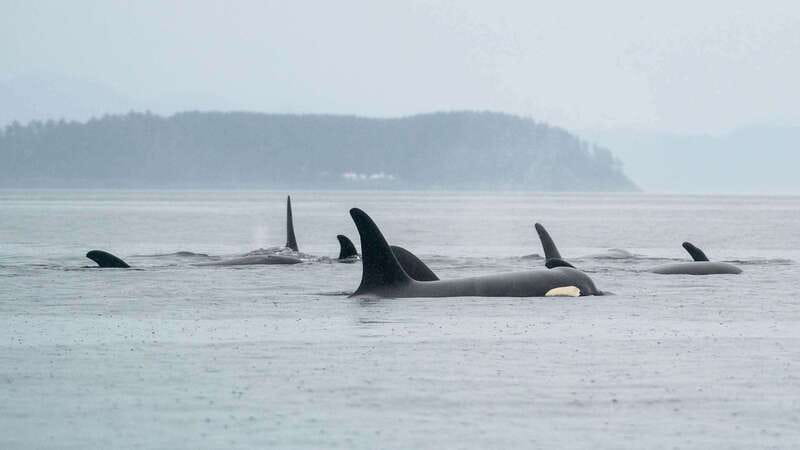
Port Hardy’s marine conditions can change the feel of the tour. August may bring thick fog, sometimes jokingly called Fogust. Fog can hide distant scenery and reduce the range of your view. It may also make photography harder, especially for whales that surface only briefly.
At the same time, fog gives the trip a wilder, more remote character. An August outing with poor visibility still produced many orcas, showing why weather should be treated as a limitation rather than an automatic reason to cancel.
People prone to seasickness should think carefully before booking. The suspension seats help with impacts, but they do not remove the motion of a fast boat on open water. People with back problems are specifically advised against this activity.
If you are sensitive to motion, eat lightly before departure, follow your usual personal precautions, and sit where the crew recommends. Those are general comfort measures, not a promise that the ride will feel calm.
Photography from a moving RHIB
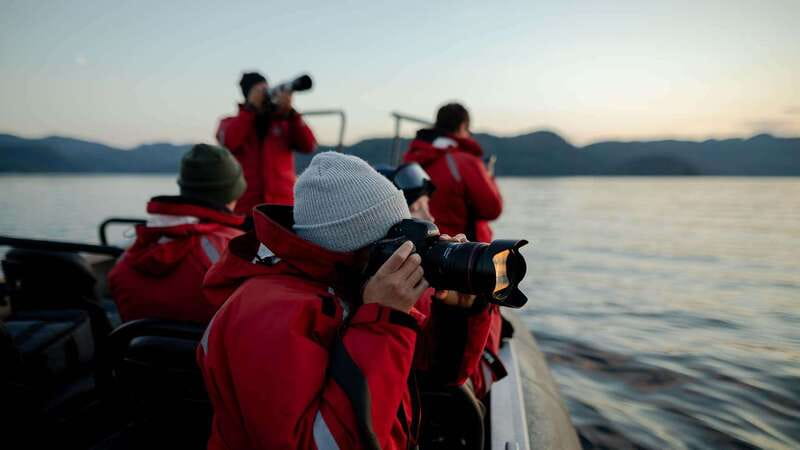
You have plenty to photograph, but the boat environment calls for realistic expectations. Wildlife appears without warning, and the RHIB may be moving or turning when a whale surfaces. A long lens can help, but tripods are not allowed, so plan to handhold your camera.
Binoculars are included, which means you do not need to bring your own unless you prefer a particular pair. The binoculars are useful for scanning first, then raising your camera when the guide identifies an animal.
Keep your equipment simple and secure. Open-water spray, wind, and fast movement are not ideal for delicate gear. The best photographs may be quick, imperfect frames rather than carefully composed shots. I would choose a camera setup you can operate with cold hands and limited time.
Do not let photography take over the outing. If you spend every moment looking through a screen, you may miss an otter beside the boat or a whale surfacing behind you. Use the guide’s directions, take a few photographs, then watch with your own eyes.
The guide’s role in a remote setting
The quality of the guide matters greatly on a trip like this. You are not simply being transported to a viewing platform. The guide reads the water, watches for animal movement, explains what you are seeing, and decides how to approach wildlife without unnecessary disturbance.
AJ is one guide named in connection with the experience. His boat handling and ability to get close while keeping the setting feeling quiet made a strong impression. The staff are local and Indigenous, and their connection to the traditional waters gives the outing a sense of place that a generic sightseeing cruise may lack.
The best part of the guiding style is the balance between information and restraint. You receive explanations and stories, but the animals remain wild. There is no promise that every species will appear, and that honesty is important.
Is $276 per person fair?
At $276 per person, this is a costly half-day, but it includes more than a seat on a boat. The price covers a fully guided wildlife trip, a small 12-passenger vessel, flotation suits, warm hats, binoculars, lunch, hot drinks, a hydrophone, and an onboard toilet.
The custom seating is a genuine value point. A cheaper boat is not necessarily a better bargain if you spend five and a half hours on a hard bench, especially in rougher water. The small group and fast vessel also matter because they support a wider search area and a better chance of finding wildlife.
Still, no wildlife tour can promise whales or sea otters. You are paying for access, equipment, local expertise, and time on the water, not a guaranteed animal checklist. If you need a fixed schedule with guaranteed sights, this is the wrong kind of activity.
For someone already planning to reach Port Hardy, the cost makes more sense. This is a major outing rather than a quick add-on, and it can become the central experience of your time in the area.
Who should book this Port Hardy outing?
I would choose this tour if you want a serious wildlife search in a small group, especially if you care about the quality of the boat and the guide. It suits photographers, nature fans, and anyone who wants to hear whales through a hydrophone rather than simply look for fins.
It is also a good match for visitors who value local guiding and a connection to Indigenous waters. The trip feels more personal than a large sightseeing cruise, with time for questions and interpretation.
I would hesitate if you have back problems, dislike fast boats, or are prone to seasickness. I would also reconsider if you need perfect visibility for photography. Fog and changing marine conditions are part of the northern Vancouver Island experience.
Plan for the full five and a half hours. Arrive 30 minutes early at the Market Street office, wear warm layers, and expect the route to change according to wildlife and weather. Free cancellation is available up to 24 hours before departure, and you can reserve now and pay later, which gives you some flexibility when coastal conditions are hard to predict.
Should you book it?
Book this Port Hardy tour if the idea of spending a full half-day in remote marine waters appeals to you. The combination of a small RHIB, suspension seats, local guides, hydrophone, warm gear, and included lunch gives the price a solid basis.
Do not book it expecting a guaranteed performance or a calm ride. Wildlife is unpredictable, fog is possible, and the boat can move across open water. If you accept those limits, this is one of the strongest ways to experience the coast around Port Hardy, with enough comfort and practical support to let you concentrate on the animals.
FAQ
How long does the Port Hardy sea otter and whale tour last?
The tour lasts 330 minutes, which is five and a half hours.
Where do I meet for the tour?
Meet at Coastal Rainforest Safaris, 7185 Market Street in Port Hardy. Arrive 30 minutes before departure for flotation-suit fitting and waiver signing.
What is included in the price?
The tour includes a fully guided wildlife trip, a local driver and naturalist, two-piece flotation suits, binoculars, warm hats, lunch, hot drinks, a hydrophone, and an onboard toilet.
Is the tour suitable for people with back problems?
No. The activity is not suitable for people with back problems.
Is the tour suitable for people prone to seasickness?
No. The activity is not suitable for people who are prone to seasickness.
What should I bring, and what is not allowed?
Bring warm clothing. Pets, smoking, drones, tripods, strong fragrances, and bare feet are not allowed.
New whale trips around Canada
- Victoria Waterfall, Skywalk, Beach Picnic, Castle and Whales★ 4.9 · 7 reviews
- Victoria: Sunset Whale Watching Tour on Semi-Covered Boat★ 4.8 · 8 reviews
- Victoria: Whale and Wildlife Semi-Covered Boating Tour★ 4.8 · 51 reviews
- Victoria BC: 3-Hour Whale Watching Expedition★ 4.4 · 177 reviews
- Victoria, BC: 3-Hour Ultimate Whale & Marine Wildlife Tour★ 4.6 · 191 reviews
- Victoria: Morning Whale-Watching Tour in Scarab Boat★ 4.9 · 39 reviews
- Vancouver: Zodiac Whale Watching Tour from Granville Island★ 4.6 · 6 reviews
- Victoria: Whale Watching Adventure in a Zodiac Boat★ 4.5 · 129 reviews
Canada Whale Watching Tours, compared.
Vancouver Half-Day Whale Watching Adventure with Free Photos
Read our review →
Tadoussac/Charlevoix: Whale Watching Zodiac Tour
Read our review →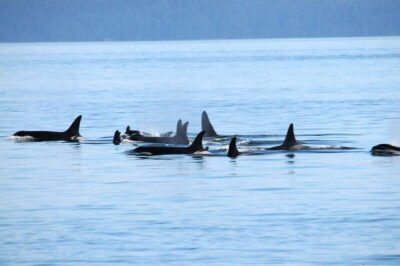
Covered Whale Watching Adventure with Free Photos
Read our review →
Victoria Half-Day Whale Watching Adventure with Free Photos
Read our review →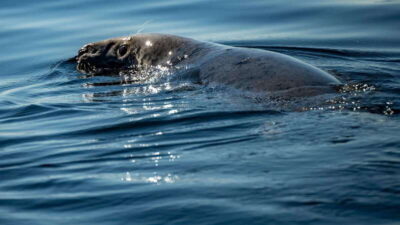
Tadoussac/Charlevoix: 3-Hour Whale Watching Boat Tour
Read our review →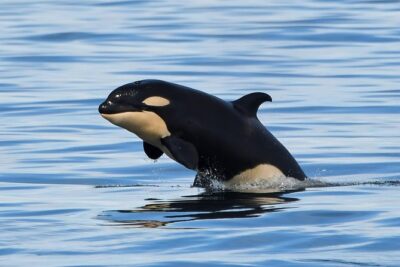
Browse the lists this tour appears in