
Review · ORCA WATCHING TOURS
Orcas Island: Orca Whales guaranteed boat tour
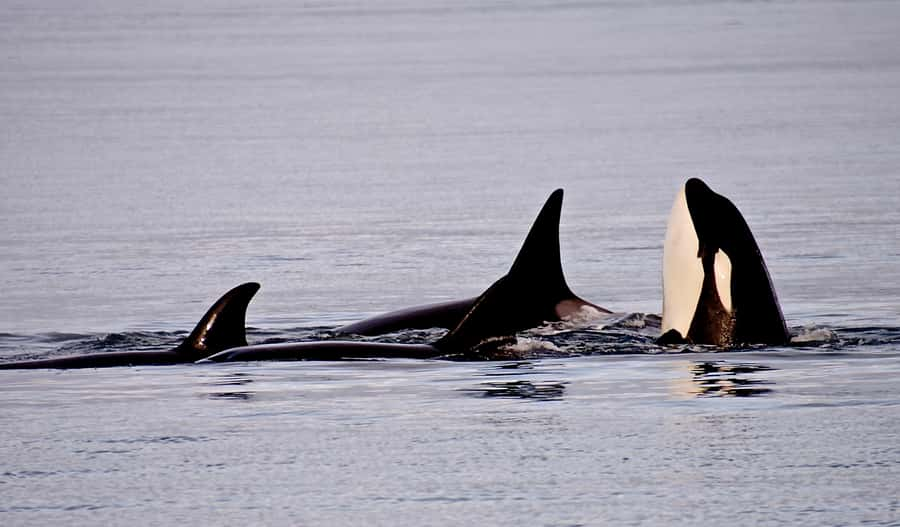
Seeing a wild orca surface beside a boat is the main event here, but the search is part of the experience. You head into the San Juan Islands aboard a fast vessel, with a naturalist guide explaining Biggs orcas and helping you read the water.
I like the strong sighting policy, which gives this tour a success rate of more than 95 percent and a free return trip if you see no orcas. I also like the extra time built into the outing, since the crew may spend three to five hours looking for whales instead of rushing back after a short ride. The drawback is the effort involved: Orcas Island requires a Washington State Ferry reservation, and the trip can be cold, long, and tiring.
Key points to know before you book
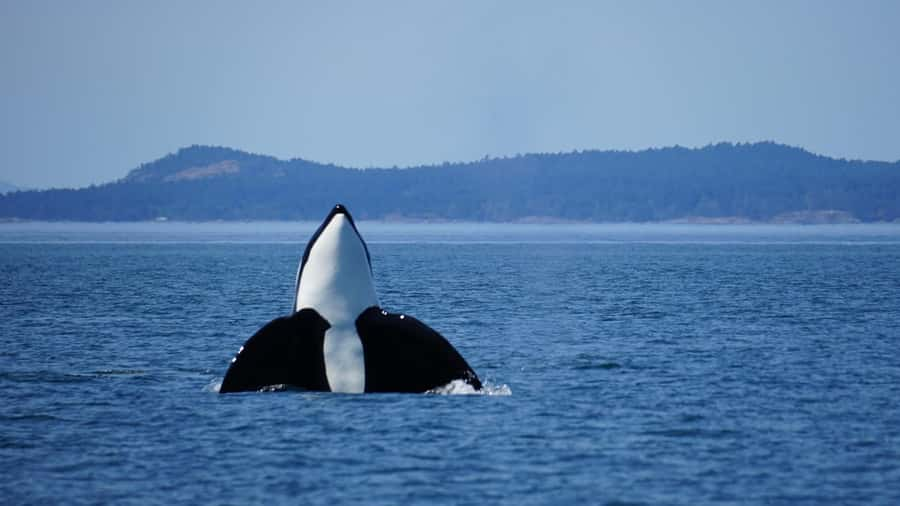
- Biggs orcas live here year-round: This healthy, growing population can travel up to 100 miles in one day.
- The tour aims for 45 minutes with whales: The full outing usually lasts between three and five hours.
- A 95 percent plus success rate adds peace of mind: If you do not see orcas, you can return for free.
- The fast boat matters: The crew uses the quickest vessels in the fleet to cover more water while searching.
- You must be at least 12 years old: The cold, wind, and long hours on the water make this a poor fit for younger children.
- Orcas Island takes planning: You need a Washington State Ferry reservation, while Anacortes offers a mainland departure with the same guarantee.
Searching the San Juan Islands for Biggs orcas
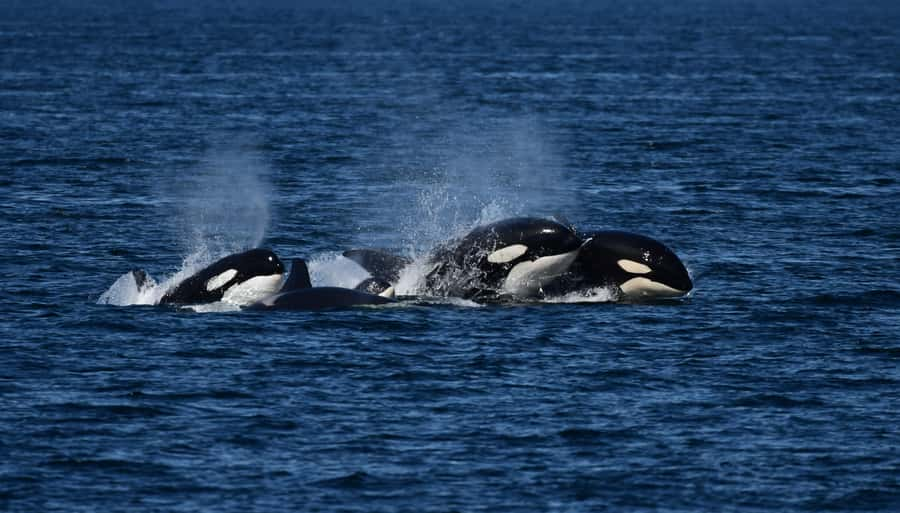
This is not a short harbor cruise with a whale sighting added at the end. The crew heads into open water and searches for Biggs orcas, also called transient orcas, across a wide section of the San Juan Islands.
These whales are found in the islands throughout the year. They are also highly mobile. A pod can cover as much as 100 miles in a day, so the crew needs time, speed, and patience to find them. That explains the three-to-five-hour tour window. A fixed four-hour estimate is useful for planning, but the actual outing may run shorter or longer within that range.
The purpose is not simply to locate a whale and point at it. The tour aims to provide at least 45 minutes of time with orcas when conditions allow. That gives you a better chance to watch natural behavior rather than catch one distant glimpse before turning around.
You should still set your expectations carefully. Wild animals do not perform on schedule. A high success rate is encouraging, but it is not the same as a promise that the whales will come close to the boat or remain visible for a long time.
More Orca Watching Tours in the USA
- Orcas Island Whale Watching
★ 4.5 · 442 reviews - Orca Cove Sea Kayaking
★ 5.0 · 322 reviews - Kenai Fjords Orca Quest Cruise
★ 5.0 · 137 reviews
What the boat ride is really like
The vessel is a high-speed boat, chosen so the crew can cover more water than a slower craft. That is especially useful here, where the whales may be several miles from the departure point or moving quickly through the island channels.
A faster boat also helps the crew respond when fresh information suggests that orcas are nearby. The benefit is not only speed for its own sake. It gives the captain more range during the search and supports the goal of finding whales within the available time.
The tradeoff is exposure. You are out on the sea for several hours, and the tour information warns that it can be cold. Bring warm layers, even if the weather looks mild at the dock. A camera is worth packing, but keep it ready for quick sightings. You may have little warning before a dorsal fin appears and disappears.
The trip is not designed for children under 12. That age rule reflects the practical demands of the outing: a long period on the water, changing conditions, and the possibility of waiting in the cold while the crew searches.
Meeting the crew at the Orcas Island dock
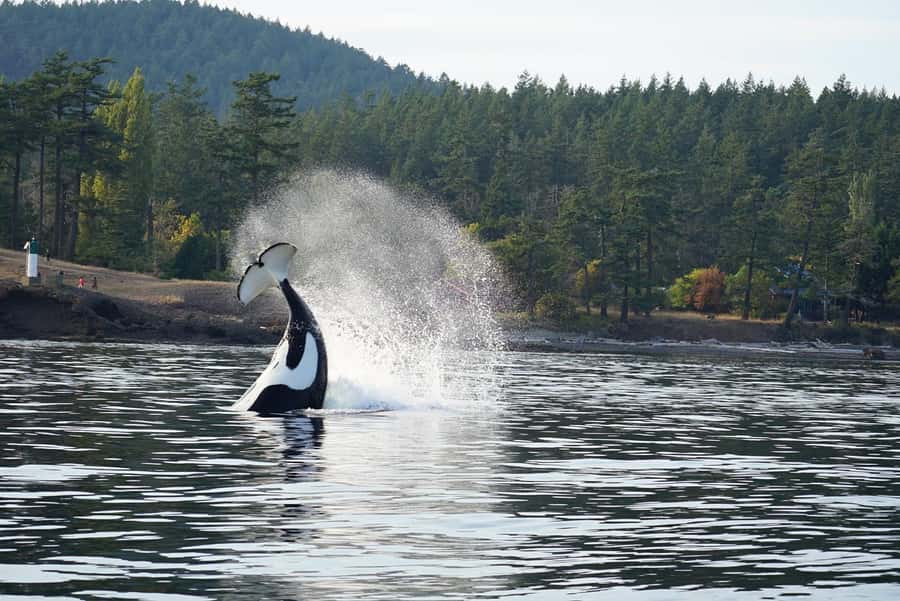
Check-in begins 30 minutes before departure at the small building directly on the dock. Arriving early gives you time to find the meeting point, get organized, and board without turning the start of the trip into a scramble.
The guide is part of the value here. You are not simply transported to a viewing area. An onboard naturalist explains the whales and helps place what you see in context. That matters because a distant fin or brief surfacing can be hard to interpret without someone explaining the behavior.
Crews have included Shiela and Captain Phil, both praised for sticking with the search and continuing until they found a group. The exact crew may vary, but the experience depends heavily on the captain’s judgment and the guide’s ability to turn a waiting period into useful time.
The meeting point is simple, but the larger journey to Orcas Island is not. You need a Washington State Ferry reservation to reach the island. Ferry schedules, vehicle space, and connections can affect your day, so do not treat the boat tour as an easy add-on to a last-minute island visit.
The opening run through the archipelago
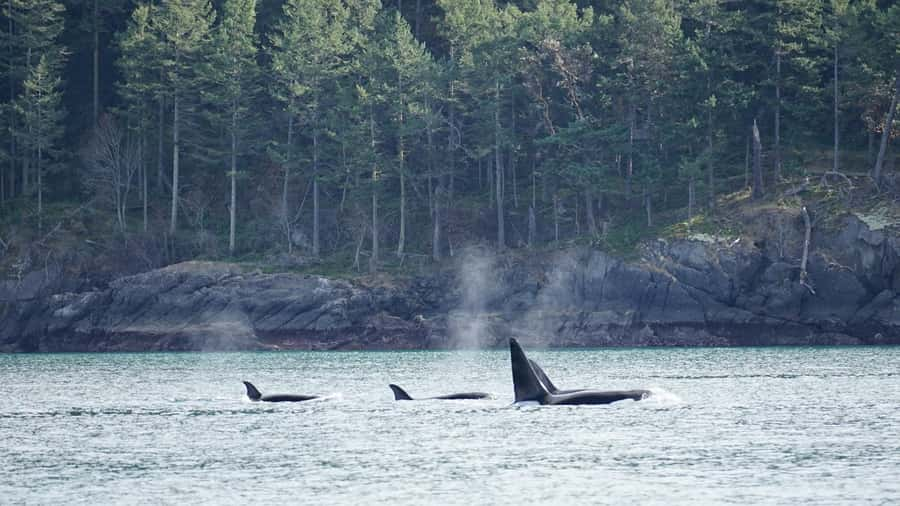
Once underway, the boat begins moving through the San Juan Islands. The scenery is a major part of the outing, even before any whales appear. You get a sea-level view of the island chain, channels, and open stretches of water that are difficult to appreciate from land.
The first part of the trip may feel like travel rather than whale watching. That is normal. The crew is covering distance and watching for signs of orca activity. Your guide may discuss Biggs orcas, their year-round presence, and their ability to move long distances in a single day.
This is where the tour rewards patience. The islands are not an aquarium, and the crew cannot place the whales in a convenient viewing spot. You may spend time watching the water, listening to updates, and waiting for the captain to adjust course.
For some people, that open-ended search is the best part. You are out in the environment where the animals live, not watching a scheduled display. For others, the lack of a guaranteed close encounter can make the ride feel long, especially if the sea is rough or the weather turns chilly.
Same sea, a different boat:
- Juneau Wildlife Whale Watching
★ 5.0 · 7,379 reviews - Juneau Wildlife Whale Watching & Mendenhall Glacier
★ 5.0 · 6,236 reviews - Boston: City Cruises Whale Watching Cruise
★ 4.5 · 4,710 reviews - Whale Watching Tour in Gloucester
★ 5.0 · 4,460 reviews
Finding the whales and staying with them
The crew uses its time allocation to locate the orcas and then observe them. The target is 45 minutes or more with whales, though the quality of that time can vary. A pod may surface repeatedly, travel steadily, or appear only at a distance.
Biggs orcas are an especially interesting focus because this population is described as healthy and thriving. The animals live in the area year-round, which means the tour is not limited to a narrow seasonal window.
Still, you should think of the 95 percent plus figure as a reason to book with more confidence, not as a guarantee of a dramatic close approach. One past outing produced sightings of about eight orcas after a determined search. Another account described only two small orcas seen from far away, showing how different the same basic activity can feel from one day to the next.
That difference is not necessarily a failure of the crew. Wild whale watching depends on distance, movement, visibility, and the behavior of the animals. The captain can search hard and make good decisions, but cannot control where a pod surfaces.
The free return policy helps with the biggest disappointment: seeing no orcas at all. If you do not see them, you can come back for free. You should confirm the exact terms when booking, but this policy makes the price easier to accept for people who are determined to see whales.
What the naturalist adds
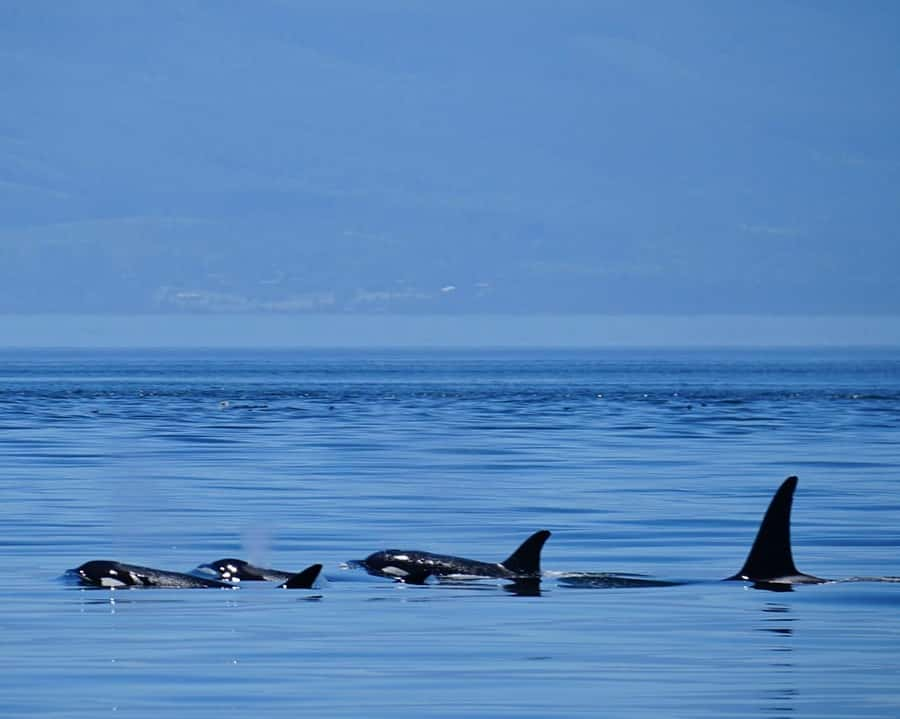
A guide can make a major difference on a four-hour trip. Without interpretation, the search can become a long stretch of gray water interrupted by quick sightings. With an onboard naturalist, you have someone explaining what you are looking at and why the crew is changing direction.
The guide also gives meaning to the animals’ movements. Biggs orcas can travel great distances, and that mobility explains why the crew may need to keep moving rather than wait in one place. You get a clearer sense of the scale of the islands and the range these whales use.
The captain matters just as much. A successful trip may involve tracking reports, covering distance, and choosing when to stay with a pod. The strongest praise for the crew has focused on persistence and useful whale information, so I would place a high value on the people operating the boat, not just the boat itself.
Is $199 a fair price?
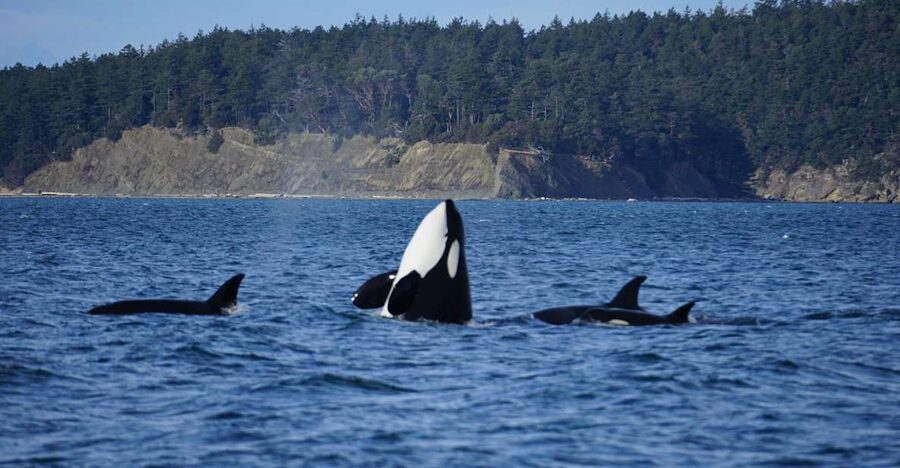
At $199 per person, this is not a casual budget activity. The price makes more sense if you value a serious search, a fast vessel, a naturalist guide, and a strong chance of finding orcas.
You are also paying for time. A three-to-five-hour outing gives the crew room to search, and the target of 45 minutes with whales is more substantial than a brief sightseeing cruise. The free return option adds another layer of value if the first trip produces no sighting.
The cost feels less attractive if you are traveling from Seattle and must arrange a long connection through Anacortes and the ferry system. One particularly difficult day involved a distant Anacortes departure, limited local transport, and a late return to Seattle. That experience shows why you should not judge the tour price separately from the cost and effort of reaching the departure point.
If you are already staying on Orcas Island, the calculation improves. If you are based in Seattle, Bellingham, or elsewhere on the mainland, compare the Orcas Island departure with the Anacortes option. The mainland location offers the same guarantee and may remove the need for a ferry trip to the island.
Orcas Island or Anacortes?
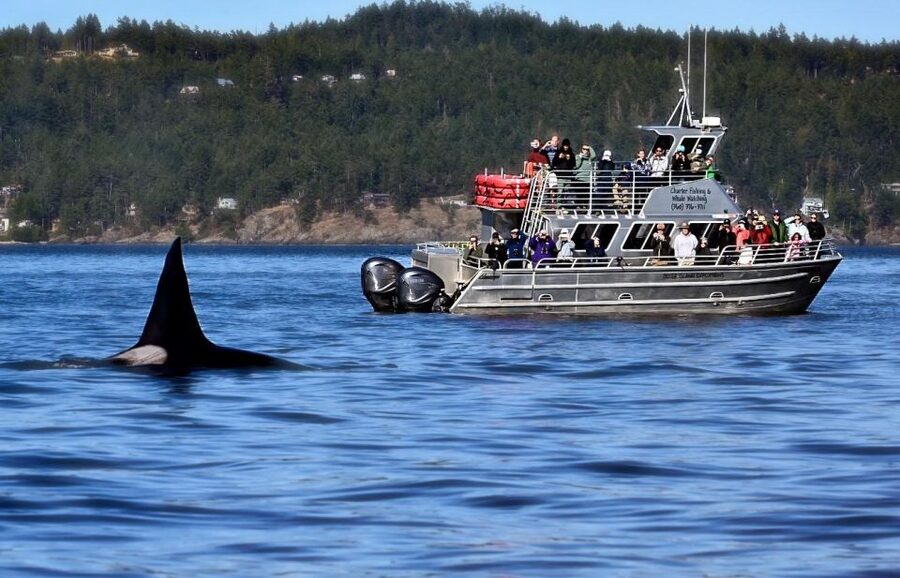
The Orcas Island departure gives you the pleasure of exploring the archipelago from within the islands. It works best when Orcas Island is already part of your trip and you can allow room for ferry timing and the boat excursion.
Anacortes is more practical for many mainland visitors. It is the better option to investigate if you are staying near Seattle or Bellingham and do not want to add the Washington State Ferry to an already long day.
Do not assume that the most scenic departure is automatically the easiest. Orcas Island offers a memorable setting, but getting there requires planning. Anacortes may be less romantic as a starting point, yet it can reduce the transport burden considerably.
Who will enjoy this most?
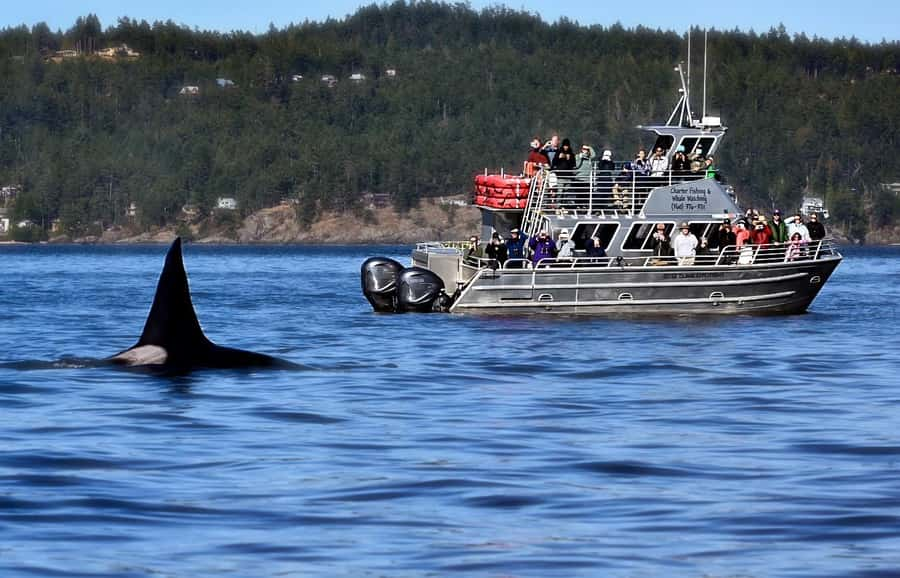
I would choose this tour if you are serious about seeing wild orcas and are comfortable giving the search several hours. It suits adults, older children over 12, photographers, and anyone who prefers animals in their natural setting rather than a controlled attraction.
It is also a good match for people who enjoy the journey itself. The San Juan Islands, the open water, and the shifting search area all form part of the experience.
I would hesitate if you need a short, predictable activity, dislike cold boat rides, or are organizing a same-day return to Seattle with tight transport connections. The tour may be rewarding, but the full day can become exhausting once ferries, transfers, and waiting time are included.
Book the Orcas Island departure when you are staying nearby and can keep your schedule flexible. Choose Anacortes when mainland access matters more than the island setting. Bring warm clothing, reserve your ferry early if needed, and think of the guarantee as protection against a blank day, not a promise of whales at close range.
FAQ
How long does the orca tour last?
The listed duration is four hours, but the actual tour may last between three and five hours depending on the search and viewing conditions.
What type of orcas will I see?
The tour searches for Biggs orcas, also known as killer whales. This population is found year-round in the San Juan Islands.
How likely is it that I will see orcas?
The tour advertises a success rate of more than 95 percent. If you do not see orcas, you can return for free.
How much time will I spend with the whales?
The goal is to spend 45 minutes or more with orcas during the outing. The exact viewing time depends on where the whales are and how they behave.
What happens if no orcas are found?
You can come back for free if you do not see any orcas on your trip.
Are children allowed on the tour?
Children under 12 are not allowed. The trip can be long and cold, which is why the age restriction applies.
Where does the Orcas Island tour meet?
The crew meets you at the small building directly on the dock. Check-in begins 30 minutes before departure.
Do I need a ferry reservation to reach the tour?
Yes. The Orcas Island departure requires a Washington State Ferry reservation. Anacortes is an alternative mainland departure with the same guarantee.
New whale trips around the USA
- Newport Beach: Year-Round Whale Watching Cruise★ 4.2 · 151 reviews
- Juneau: Mendenhall Glacier and Whale Watching Tour★ 4.6 · 98 reviews
- West Oahu: Eco-Friendly Whale Watching Cruise★ 4.5 · 40 reviews
- Oahu: Waikiki Eco-Friendly Morning Whale Watching Cruise★ 4.4 · 119 reviews
- Whale Watch Sail Ma’alaea★ 4.9 · 27 reviews
- Whale and wildlife watching Private and Semi-Private tours★ 5.0 · 2 reviews
- Oahu: Waikiki Eco-Friendly Afternoon Whale Watching Trip★ 4.5 · 60 reviews
- Waikiki: Sunset Whale Watching with 2 Drinks (BYOB-Friendly)★ 4.3 · 34 reviews
Orca Watching Tours, compared.
Orca, Whale and Dolphin Watching Boat Experience
Read our review →
Bremer Bay: Bremer Canyon Killer Whale Expedition
Read our review →
Orca and Whale Watching comfort heated boat Trip
Read our review →Browse the lists this tour appears in