
Review · WHALE WATCHING CRUISES
Mooloolaba: Whale Watching Cruise
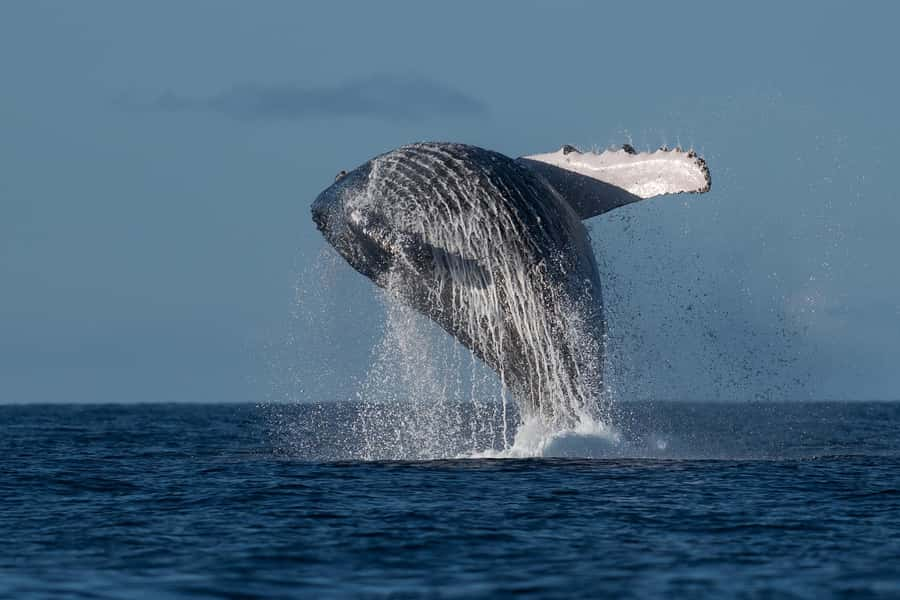
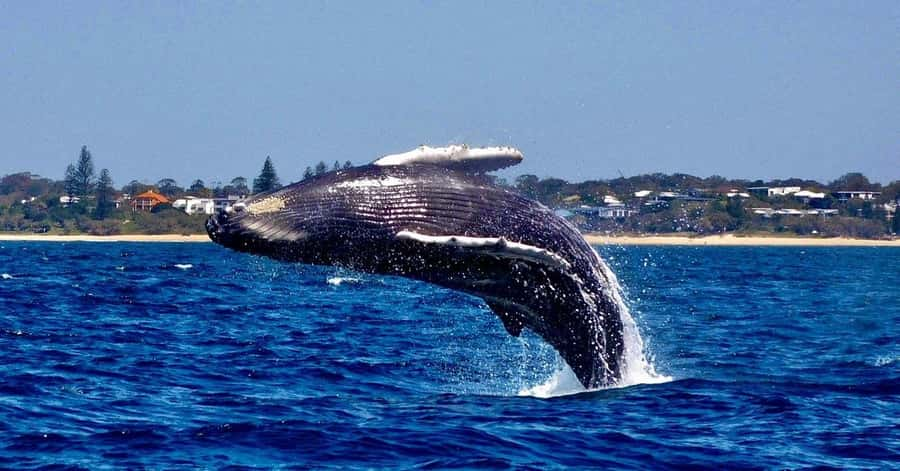
Humpback whales are the main event here, but the best part is the sense of anticipation as you leave Mooloolaba River and start scanning the open water. A whale may breach, slap its tail, circle the boat, or simply show a dark back before disappearing. The crew cannot control the animals, so each sighting feels properly wild.
I like the multiple viewing areas, which let you move between indoor, outdoor, upper, and lower seating. I also like the whale-sighting guarantee: if no whales appear, you receive a free return trip. The main caution is seasickness. Several passengers found the swell rough once the boat moved beyond the shelter of the coast, so take the crew’s advice seriously.
Key points to know before you sail
- Whale One gives you several viewing angles: Use the outdoor decks for fresh air and the indoor areas when you need shelter.
- The cruise starts with a short river run: You reach the Mooloolaba River mouth after about 15 minutes, then begin the main search.
- The crew actively teaches you how to spot whales: Watch for blows, backs, tail flukes, breaches, and spy-hops.
- Other wildlife may appear: Dolphins, turtles, eagle rays, seabirds, and other marine life can add to the outing.
- Sea conditions matter: The trip depends on suitable weather and water conditions, and the open-water swell can be uncomfortable.
- No whale does not mean no remedy: You receive a free return trip, not a cash refund, if the boat records no whale sightings.
Leaving The Wharf at Mooloolaba
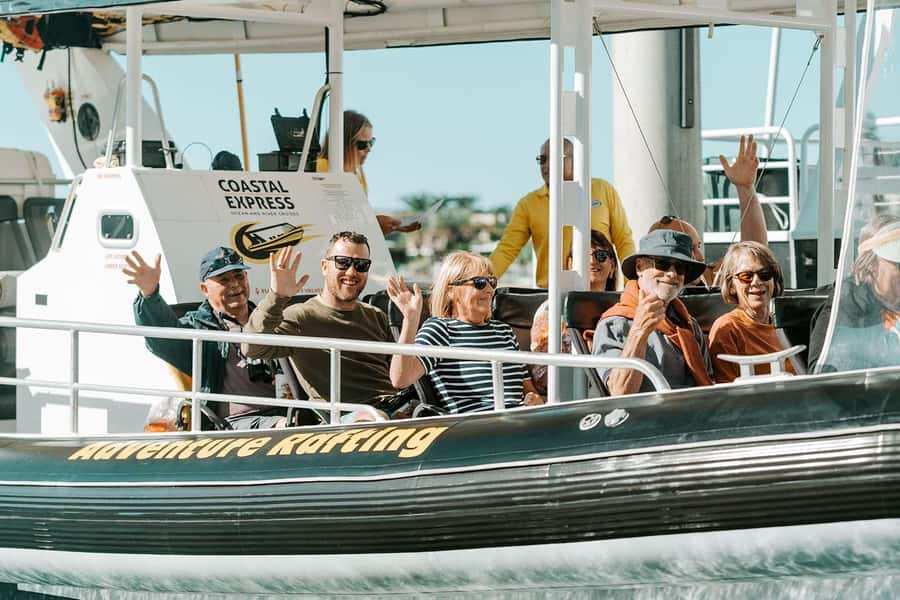
Your morning begins at Sunreef Mooloolaba, Shop 11 to 12 at The Wharf. Arrive at least 15 minutes before departure, check in at the desk, collect your boarding pass, and wait in the designated area. This early arrival matters because the boat has several good viewing positions, and boarding promptly gives you more choice.
There is no hotel pickup, so you need to make your own way to The Wharf. The meeting point is practical for a self-guided day in Mooloolaba, but build in time to find the exact Sunreef shop and complete check-in without rushing.
The operator sends an email and text message around 3:30 PM the day before departure with the trip status and departure time. Sea conditions can change, so check those messages rather than assuming the cruise will run exactly as first planned.
The boat has indoor and outdoor seating, upstairs and downstairs areas, bathrooms, and space to move around. That range of positions is useful because a whale can surface on either side. One passenger found herself repeatedly on the wrong side of the boat and needed help crossing over, so do not settle into one spot for the whole cruise.
More Whale Watching Cruises in Australia
- Sydney: Whale Watching Adventure Cruise
★ 4.2 · 1,790 reviews - Brisbane Whale Watching Cruise from Redcliffe or Sunshine Coast
★ 5.0 · 997 reviews - Freedom 3/4 Day Hervey Bay Premium Whale Watching Cruise
★ 5.0 · 919 reviews
The first 15 minutes on the Mooloolaba River
After boarding, you receive a safety briefing as the boat leaves the Mooloolaba River. The first section is calm compared with the open sea, and it gives you time to learn the layout, choose a viewing position, and prepare your camera and sunscreen.
About 15 minutes after departure, the boat reaches the river mouth. This is the point where the cruise changes character. You leave the more sheltered water and begin searching along the coast and offshore areas for humpback activity.
The crew will explain what to watch for. A whale’s blow may be the first clue, followed by a rolling back, a rising tail fluke, or a sudden breach. The staff also ask passengers to report possible sightings. Keep your eyes moving, but do not feel that you must identify every distant splash. The crew is used to reading whale behavior and deciding where to look next.
Searching for humpbacks beyond the river mouth
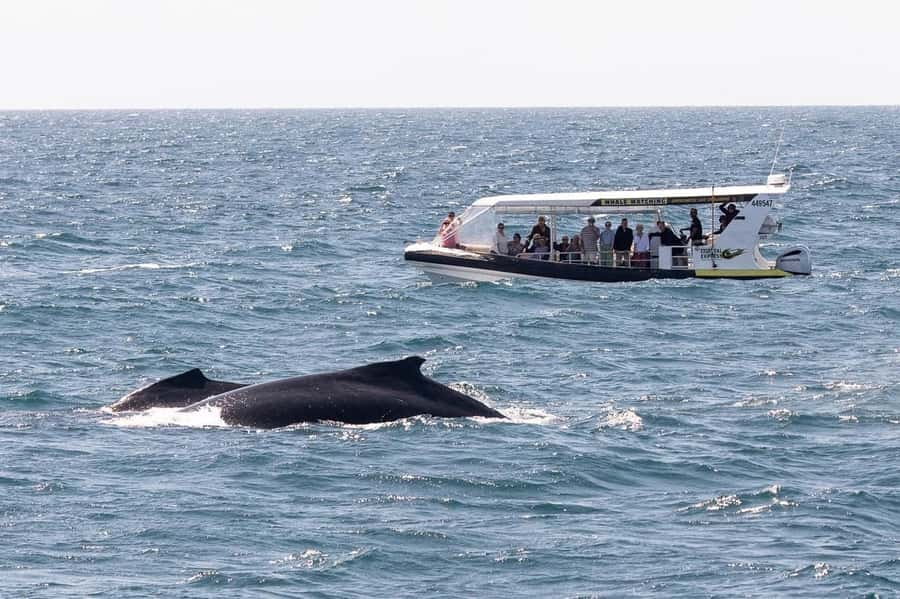
The whales are migrating to breed and mate, and sightings can vary from a single animal to several groups. Some cruises have produced close encounters with mothers and calves, juvenile males, and groups of whales that stayed near the boat for a long time. On other outings, the views have been less clear even when whales were present.
That uncertainty is part of the bargain. This is not a marine park performance, and the operator cannot summon a whale or direct it toward the boat. A whale may approach, swim under or beside the vessel, and show repeated surface activity. It may also turn away and continue its journey.
The strongest experiences come when the animals choose to linger. Reports include whales circling the boat, spy-hopping, breaching, fluke-slapping, and surfacing repeatedly. One memorable sighting involved a mother, calf, and male escort staying close for more than an hour. Another included juvenile males making sounds near the boat.
You should keep your expectations realistic. A clear sighting is not guaranteed on every trip, and even a whale nearby may remain mostly underwater. The free return-trip policy softens that risk, but you still need time in your schedule for another outing if the first cruise produces no whales.
What you may see besides whales
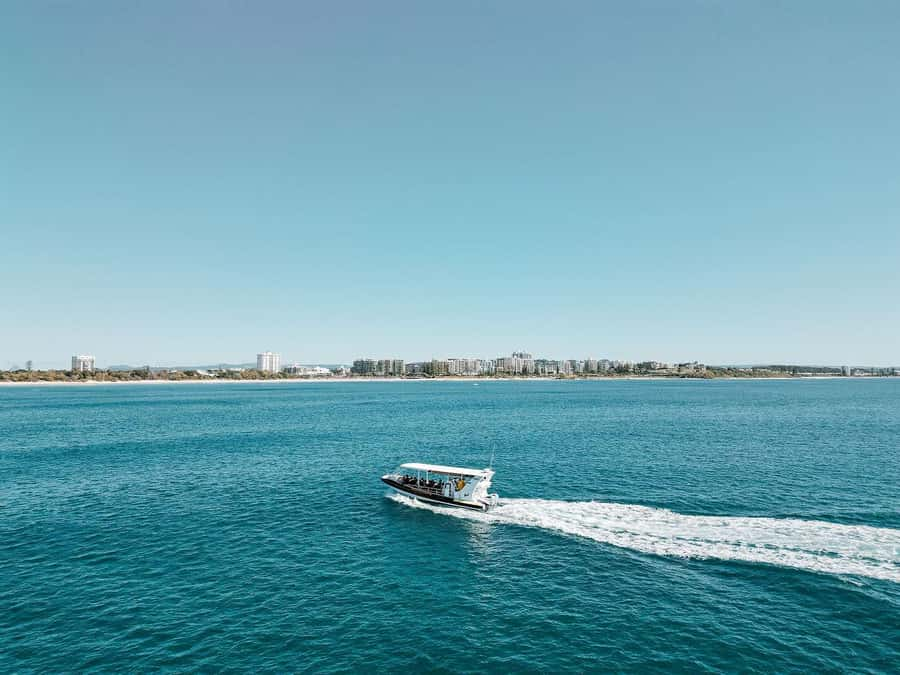
Humpbacks are the focus, but the water around Mooloolaba can produce a varied wildlife list. Dolphins have appeared alongside the boat, including small pods of golden-nosed dolphins. Turtles and eagle rays are also possible, along with seabirds and other marine life.
These sightings are welcome extras rather than promised attractions. I would treat them as a reason to keep watching between whale sightings, not as a substitute for the main purpose of the cruise.
The Mooloolaba coastline adds interest during the outward and return sections. You get a different view of the coast from the water, and the changing angles make the three-hour outing feel like more than a fixed wildlife lookout.
Same sea, a different boat:
- Whale Watching Tour with Spirit of Gold Coast
★ 4.5 · 884 reviews - Sydney Whale-Watching Cruise Including Lunch or Breakfast
★ 4.5 · 878 reviews - Sydney: 2-hour Express Whale Watching Cruise
★ 4.2 · 756 reviews - Spirit of Gold Coast 2.5-Hour Whale Watching Tour
★ 4.2 · 703 reviews
Whale One and the best place to stand
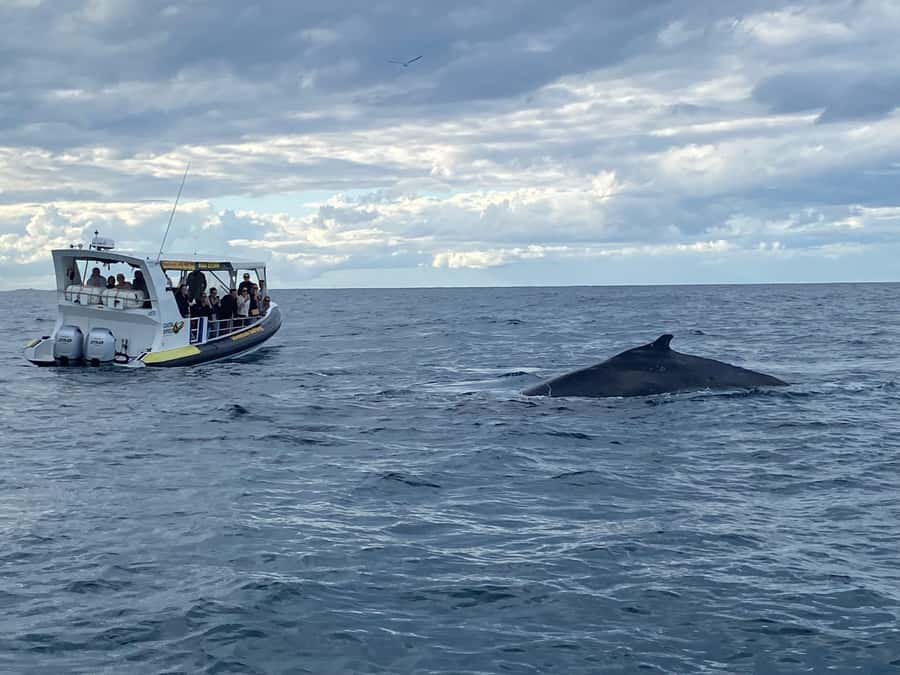
The boat, Whale One, is described as large, comfortable, and well equipped. Its size gives you room to change position, while the upper and outdoor areas help you see over other passengers. Indoor and lower seating provide a break from wind and spray.
For the best chance of seeing activity, I would begin outside if conditions allow. Fresh air can also help if you are prone to seasickness. Move carefully when the boat is underway, and ask crew members for assistance if you need to change sides.
The vessel’s layout is a practical strength, but it cannot remove the basic challenge of whale watching from a boat. When several people move toward one sighting, your view may be briefly blocked. The crew can help direct attention, but you will still need patience and a willingness to shift position.
There is music on board, although at least one passenger found it unnecessary once the vessel was out on the water. If you prefer natural sea sounds and quiet concentration, that may be a small annoyance.
Commentary that makes the waiting worthwhile
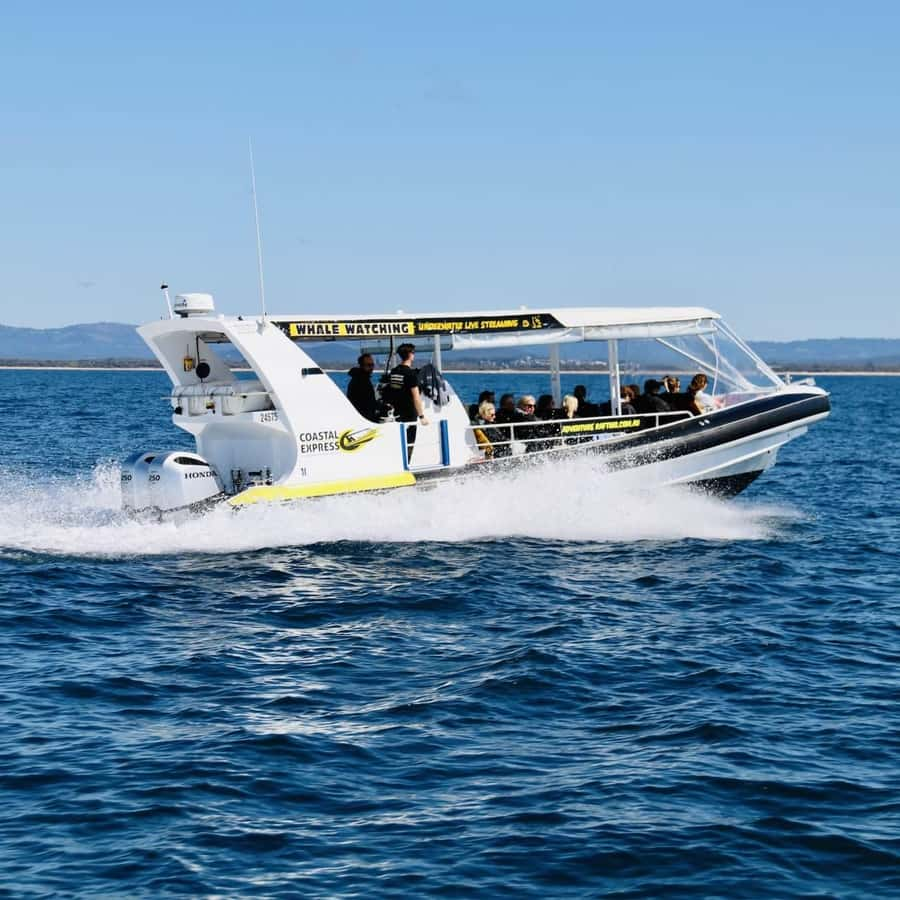
The English-speaking crew provides safety information, wildlife commentary, and practical tips for spotting whales. The strongest part of the guiding is not simply naming what you see. It is learning why a whale surfaces, how to recognize a fluke, and what different forms of surface activity may mean.
The crew has been praised for its enthusiasm, clear communication, and respectful approach to the animals. Staff also explain the migration and whale behavior in enough detail to make the quiet periods useful. When there is no action, you are still building the skills to notice the next blow or rolling back.
Some passengers have needed help with seasickness, and the crew has assisted them. Tablets and other seasickness medication are available to buy on board, but it is wiser to prepare before departure if you know you are sensitive.
The operator works to respect the whales’ boundaries and environment. That matters. A close encounter should not mean crowding the animals or chasing them aggressively. The most memorable sightings described here came from whales choosing to approach or remain nearby, while the boat maintained a safe distance.
The real issue: swell and seasickness
The biggest practical drawback is the open-water motion. Mooloolaba River and the coastal shelter can make the early part of the trip feel easy, but the swell becomes more noticeable at the river mouth and beyond.
Advice from the crew and passengers is consistent: fresh air helps, and seasickness tablets can make a major difference. One passenger called the tablets essential to enjoying the trip. If you are unsure how you handle boat motion, prepare before boarding rather than waiting until you feel ill.
The activity is not suitable for pregnant women or wheelchair users. Children under 14 must stay with an adult, and unaccompanied minors are not accepted. A stroller may be allowed only if its wheels lock and space remains, with the decision made at check-in.
Bring warm clothing even on a pleasant Queensland day. Wind on the water can feel much cooler than conditions on shore. Sunglasses, a hat, comfortable clothes, sunscreen, and a camera are sensible choices. Keep your camera secured, and remember that the best photograph may be a distant blow rather than a dramatic breach.
Food, drinks, and the three-hour schedule
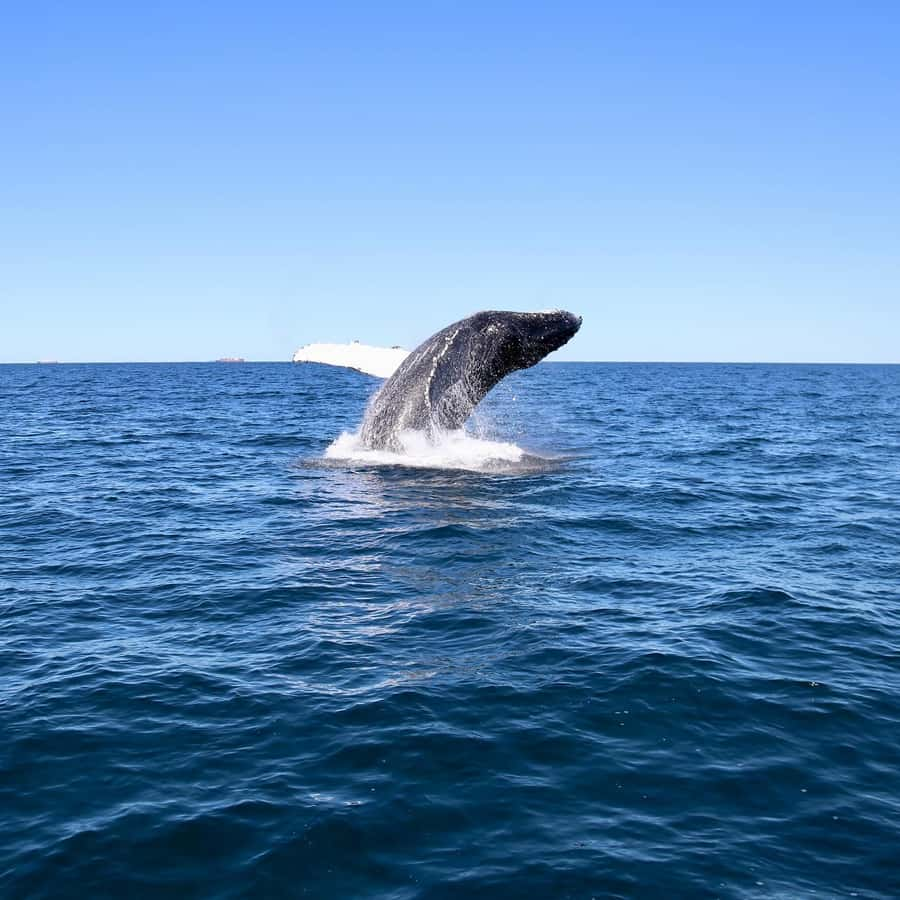
Food and drinks are not included in the $60 price. An onboard bar sells snacks and soft drinks, and alcohol is available after 10:00 AM. Outside food and drinks are not permitted because of food licensing rules, so do not plan to bring a packed breakfast onto the vessel.
The three-hour duration is long enough to reach the whale-watching area, search properly, and allow time for changing conditions and animal behavior. One passenger felt the actual boat time was closer to two and a half hours, boarding at 7:30 AM and returning at 10:00 AM. If timing matters to you, check the exact departure and return details carefully.
A three-hour search is also important from a wildlife point of view. Whales do not perform on a timetable. The longer period gives the crew a fair chance to locate animals and gives you time to wait for repeated surfacing rather than judging the whole cruise on one brief glimpse.
Is $60 good value?
At $60 per person, this is a reasonable price for a three-hour wildlife cruise with commentary, bathrooms, several seating areas, and the chance to return free if no whales are sighted. The value rises sharply when whales remain near the boat for an hour or more, or when you see several groups, dolphins, and other wildlife on the same outing.
The price feels less certain if whales are distant and the swell makes the viewing uncomfortable. You can sometimes see migrating whales from shore at no cost, as one passenger pointed out. Shore watching, however, cannot give you the same moving viewpoint or the possibility of animals surfacing beside the boat.
It is worth checking the direct Sunreef Mooloolaba price before booking. One booking experience was reportedly $40 cheaper when booked directly, though rates and family offers can change. Compare the final total, cancellation terms, and any family pricing rather than assuming the first advertised figure is best.
Cancellation is free up to three days before departure. If the operator cancels because weather or sea conditions are unsuitable, you should wait for the status message and follow the partner’s instructions about the changed trip.
Who will enjoy this cruise most
I would recommend it to families with children old enough to follow safety instructions, wildlife fans, photographers who accept imperfect conditions, and anyone who wants a structured way to learn about humpbacks. The multiple decks help families spread out, and the crew’s lively approach can keep younger passengers interested during quiet stretches.
It also suits people who want more than a quick sightseeing ride. The commentary explains what you are seeing, and the waiting becomes part of the experience rather than dead time.
I would think twice if you are highly prone to seasickness, pregnant, dependent on wheelchair access, or working with a very tight schedule. You should also avoid booking it if you need a guaranteed close-up whale performance. Nature may provide a spectacular breach, or it may offer a back, a blow, and a long wait.
Should you book the Mooloolaba whale cruise?
Book it if you can accept uncertainty and prepare for the swell. The strongest trips have included close mothers and calves, curious juveniles, dolphins, spy-hops, tail slaps, and breaches. The crew’s spotting help, useful commentary, and respect for the animals add real value.
Take seasickness precautions, arrive early for check-in, dress warmly, and compare direct pricing with the $60 booking option. If no whale appears, you receive a free return trip rather than a refund, so leave room in your schedule for that possibility.
For a three-hour Mooloolaba outing, this is a good choice when you want a genuine wildlife search rather than a guaranteed show. The ocean makes the rules, but the boat, crew, and return-trip policy give you a fair chance of a memorable day.
FAQ
Where does the Mooloolaba whale-watching cruise depart from?
Check in at Sunreef Mooloolaba, Shop 11 to 12 at The Wharf Mooloolaba. Arrive at least 15 minutes before departure to collect your boarding pass and receive directions to the waiting area.
How long does the whale-watching cruise last?
The advertised duration is three hours. The exact departure time varies, so check availability and the operator’s message sent the day before your trip.
What happens if no whales are sighted?
You receive a free return trip if no whales are sighted. You are not eligible for a cash refund under the whale-sighting policy.
What should I bring?
Bring warm clothing, sunglasses, a hat, comfortable clothes, sunscreen, and a camera. Seasickness medication is available to buy on board.
Can I bring food or drinks onto the boat?
No. Outside food and drinks are not permitted because of food licensing restrictions. Snacks, soft drinks, and alcohol after 10:00 AM are available from the onboard bar, but they are not included in the ticket price.
Is the cruise suitable for children and wheelchair users?
Children under 14 must be accompanied by an adult, and unaccompanied minors are not allowed. The activity is not suitable for wheelchair users. A stroller may be accepted only if its wheels lock and space is available at check-in.
New whale trips around Australia
- Wilsons Promontory: Whale Spotting Cruise with Lunch★ 4.9 · 20 reviews
- Noosa: Epic Whale Watching Ocean Kayak Tour & Beach 4X4★ 4.8 · 7 reviews
- Whale Watching Safari Byron Bay★ 4.9 · 39 reviews
- Western Australia: Swim with Humpback Whales★ 5.0 · 20 reviews
- Tweed Heads: Whale Watching Boat Tour★ 4.7 · 30 reviews
- Bremer Bay Orca Experience★ 5.0 · 79 reviews
- Wilsons Prom Whale Cruise★ 5.0 · 104 reviews
- Whale Watching and Wildlife Cruise Townsville and Magnetic Island★ 5.0 · 11 reviews
Whale Watching Cruises, compared.

Whale & Dolphin Eco-Cruise with Snacks & Drinks
Read our review →
Dolphin & Whale Watching Cruise with Swim Stop
Read our review →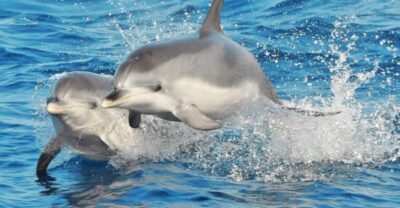
Morro Jable: Dolphin & Whale Watching Cruise, Drinks & Swim
Read our review →
Whale & Dolphin Watching Cruise with Swim Stop
Read our review →
Browse the lists this tour appears in