
Review · BIG ISLAND WHALE WATCHING TOURS
Kohola Whale Watching Excursion
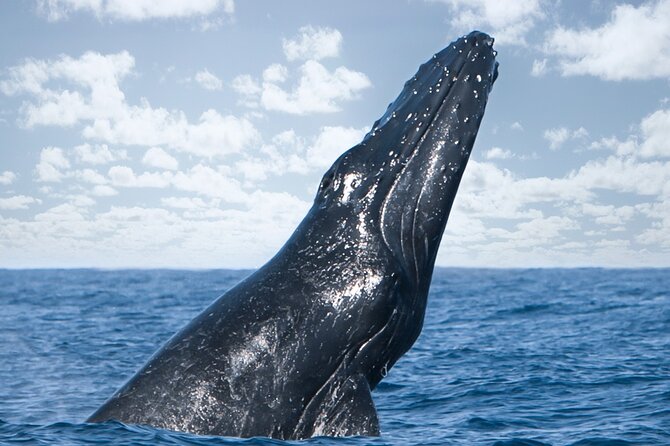
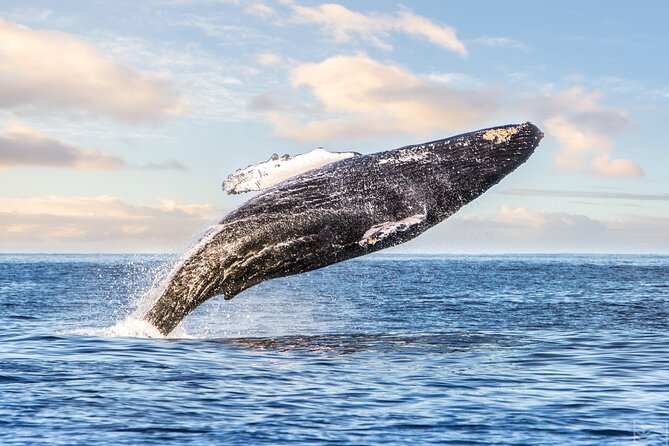
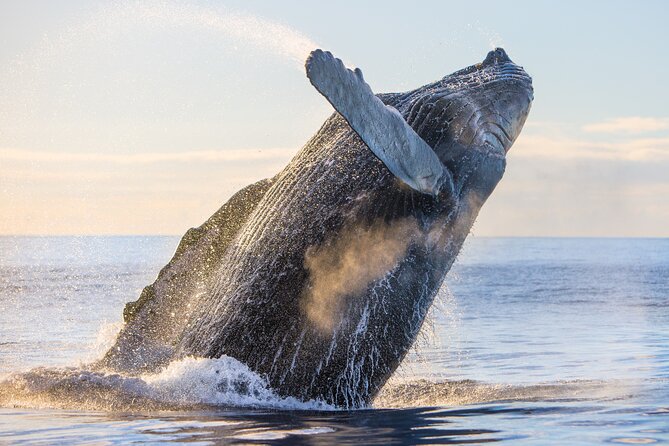
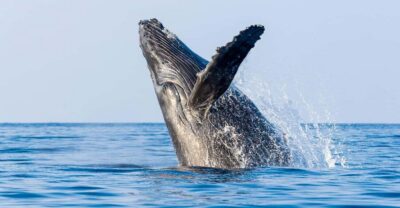
Kohola humpback whales are the main event here, and the small boat gives you a close, personal way to search Kona’s winter waters for them. You may see whales breaching, resting, playing, or traveling with calves, and an underwater microphone may let you hear their haunting songs.
I like the six-person maximum, which keeps the trip quiet and makes it easier to see over the rail. I also like the crew’s careful approach to wildlife, plus the chance to spot dolphins and snorkel if time and sea conditions cooperate.
The trade-off is simple: this is a wildlife trip, not a guaranteed whale show. Rough seas can cancel the snorkel, shorten the outing, or make the ride uncomfortable, so you should be ready for nature to set the schedule.
Key points to know before booking
- Small boat, maximum six people: You get more space to watch the water and more direct time with the crew than on a large vessel.
- Captain Cam and Alyssa lead the outing: Both are described as welcoming, capable, and well informed about whale behavior and local waters.
- Whale watching comes first: The three-hour trip is built around finding and observing humpbacks, not around a long snorkeling session.
- Whale songs may be part of the experience: An underwater microphone has been used to let people listen to humpbacks beneath the boat.
- Dolphins are a possible bonus: Sightings have included several dolphins, including one unusual white dolphin.
- Plan for a physical outing: You must be at least 4 feet tall, under 250 pounds, and able to climb a vertical ladder to snorkel.
Why a six-person boat changes the Kona whale trip
At $160 per person, this is not the cheapest way to look for humpback whales around the Big Island. You are paying for something more specific: a small-group trip with a maximum of six people, rather than a large boat filled with a crowd.
That difference matters at sea. On a small vessel, you can usually shift your view more easily when a whale surfaces. You are also closer to the crew, so questions about behavior and conditions do not get lost in a large group. Captain Cam and Alyssa work as a two-person crew, creating a more personal outing but also placing limits on space and onboard service.
I see this as a good choice for people who care more about the quality of the wildlife search than about having a roomy boat with many facilities. The small setting can feel special when whales surface nearby. It can also feel less comfortable if the sea turns rough.
The boat holds no more than six people, and you can book individual spaces or arrange a private charter. The minimum to run the trip is four people, so your departure depends on that number being met. If you want the private option, ask about it when booking rather than assuming an individual reservation creates an exclusive boat.
More whale watching around Big Island worth comparing
- Whale Watching On The Big Island
★ 5.0 · 573 reviews - Big Island: Pelagic Whale Watch Tour
★ 5.0 · 557 reviews - Zodiac Raft Whale Watching Adventure
★ 5.0 · 456 reviews
Starting at Honokohau Harbor at 1 p.m.
The meeting point is Kiwailuka at Honokohau Harbor in Kailua-Kona. The tour starts at 1:00 p.m. and returns to the same point after roughly three hours.
That afternoon timing gives you a clear block of your day, but you should leave room around it. The trip can run close to its estimated duration, and sea conditions may affect the plan. I would avoid booking an important dinner or another fixed activity immediately afterward.
The harbor departure also keeps the experience focused. You are not spending the outing on a long land transfer. Once aboard, the time is used for the coast and open water, where the crew can search for signs of whales.
Bring your own reusable water bottle because bottled water is not included. Snacks and soda are provided, along with snorkeling equipment. The practical approach is to wear clothing you do not mind getting wet, keep your essentials secure, and bring sun protection, though the provided information does not specify a particular clothing list.
Searching the Kona coast for winter Kohola
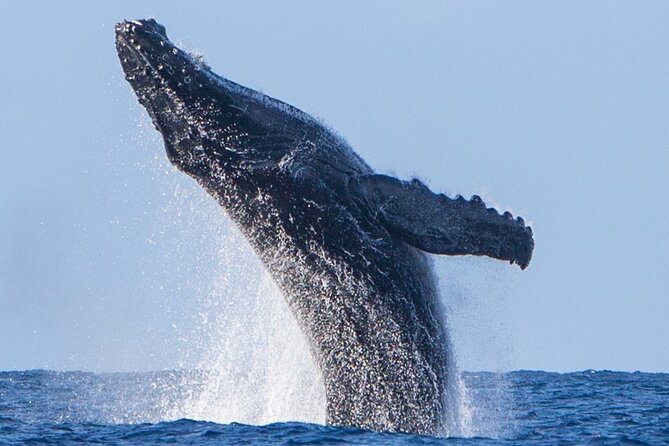
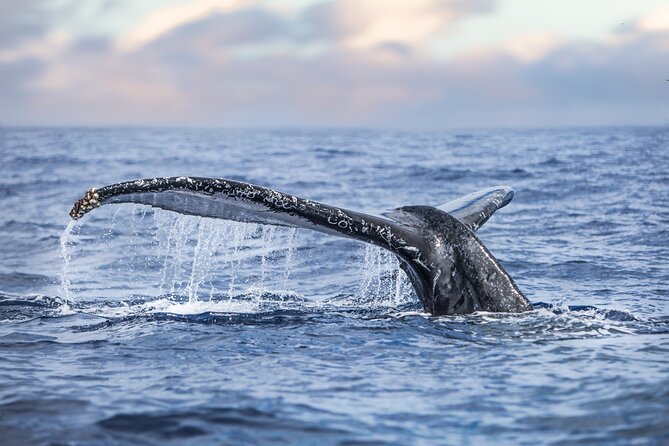
The humpback whales that visit Hawaii are in the area during the winter months. They come to these waters to give birth, mate, rest, and play. That makes the season especially interesting because you may see more than a whale simply passing through.
The crew’s job is to scan the coast and locate natural behavior without turning the outing into a staged performance. You might see a whale surface, travel, rest, or interact with another whale. You might also spend time searching with no dramatic breach at all. That uncertainty is part of wildlife watching, and the price does not guarantee a particular number of sightings.
The strongest encounters can be remarkable. One outing placed the boat among eight or nine whales at once. That kind of scene explains why the small format appeals to people who want a more direct experience. Still, you should treat it as a fortunate moment, not the standard promise of every departure.
The crew’s approach also matters. Captain Cam and Alyssa are praised for keeping the focus on the animals and for limiting disruption and contamination in the water. That is the right standard for a whale trip. You are there to watch wild creatures, not call them in or pressure them into performing.
Listening to whales beneath the boat
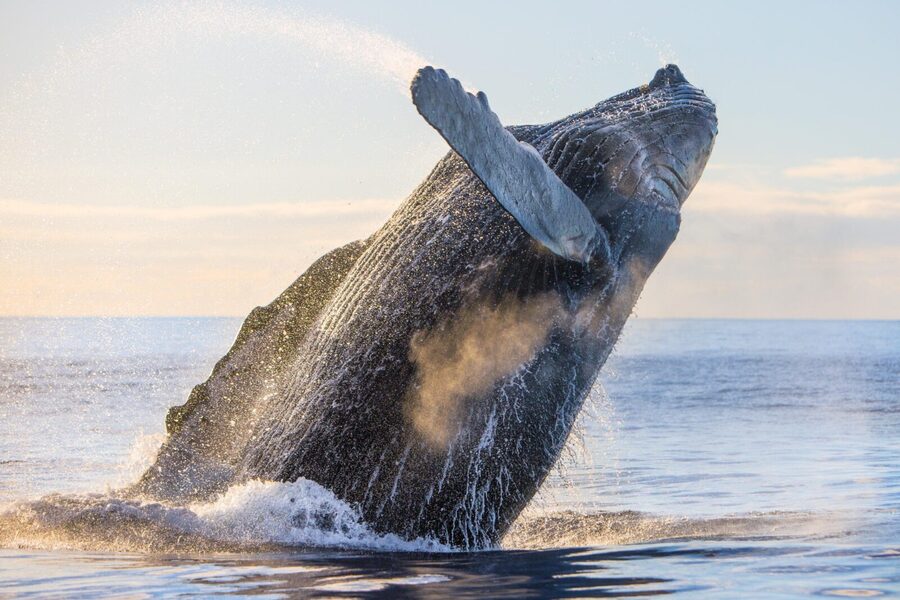
Seeing a humpback is memorable. Hearing one underwater can be even more surprising.
An underwater microphone has been used on the trip, allowing you to listen to whale songs below the surface. Humpback songs can carry through the ocean, and hearing those sounds changes the experience from simply watching a large animal to sensing how active the water is beneath you.
The microphone is a special feature, but it should not be treated as a guarantee for every departure. The success of listening depends on conditions and on where the whales are in relation to the boat. Still, it is worth asking the crew about it when you arrive.
This is also an example of why the small boat works well. With only a few people aboard, the crew can explain what you are hearing and connect it to the animals you are watching. You get less of the party-boat feel and more attention to the natural setting.
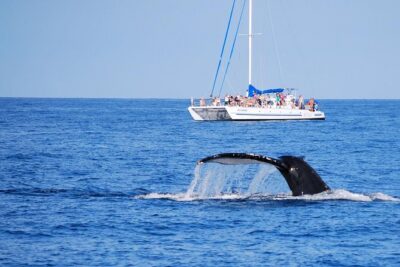
Same sea, a different boat:
- Kailua-Kona: Whale Watching Cruise on the Big Island
★ 4.7 · 273 reviews - Whale Watch Excursion from the Big Island
★ 4.5 · 263 reviews - Wake Up With the Whales Cruise on Seasmoke
★ 5.0 · 159 reviews - Whale Watching Tour – Big Island, Hawaii
★ 5.0 · 148 reviews
Dolphins, calves, and the surprises of the search
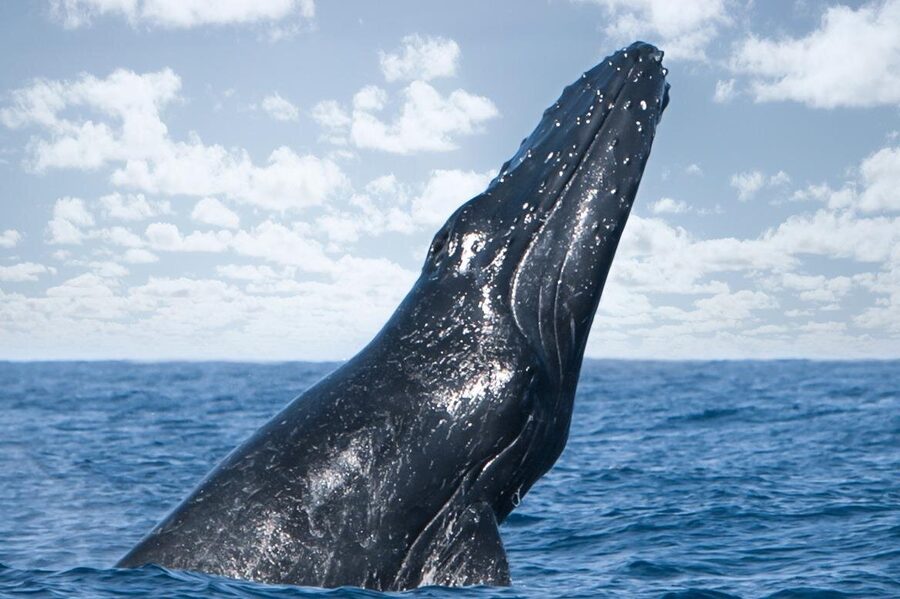
Humpbacks are the purpose of the trip, but dolphins may add another layer to the outing. Sightings have included dolphins close to the boat, including a white dolphin. That is an unusual bonus, not something you should count on.
The same applies to calves. The whales visit Hawaii to give birth and care for young, so the possibility of seeing a mother and calf is part of the season’s appeal. The experience does not promise a particular family group or behavior, but the winter timing gives the search a meaningful purpose.
I like this kind of trip because the crew is looking for living animals in their own setting, rather than taking you to a fixed attraction. You may get several whale sightings, dolphins, and perhaps an excellent listening session. You may instead spend much of the time waiting and scanning. Both outcomes are possible on a wild-animal excursion.
Snorkeling is a bonus, not the main event
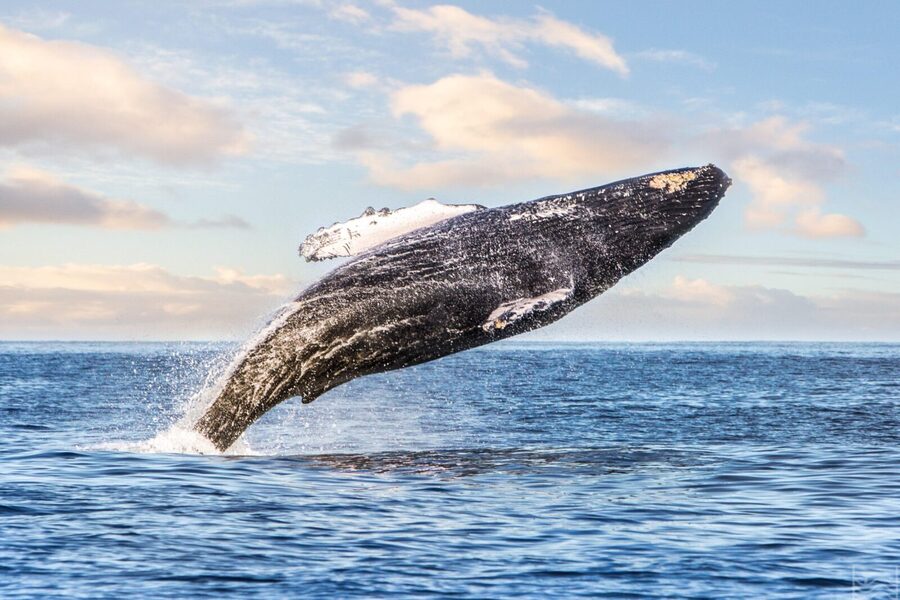
Snorkel equipment is included, and the crew may offer a short snorkel if time allows. That sounds appealing, but you should book this primarily as a whale-watching trip.
The order of priorities matters. The crew may spend most of the outing locating and observing humpbacks, leaving limited time for swimming. Rough seas can also make snorkeling unsafe or impractical. One outing had to skip swimming and finish an hour early because conditions were poor.
If you do snorkel, you must be able to climb a vertical ladder. That requirement is important for anyone with limited mobility, balance concerns, or recent physical restrictions. The tour requires a moderate fitness level, excludes anyone who has had major surgery in the past six months, and sets a minimum height of 4 feet and a maximum weight of 250 pounds.
The snorkel can be a pleasant extra when the timing is right. It should not be the reason you choose this excursion over a dedicated snorkeling tour.
Rough water and the need for flexible plans
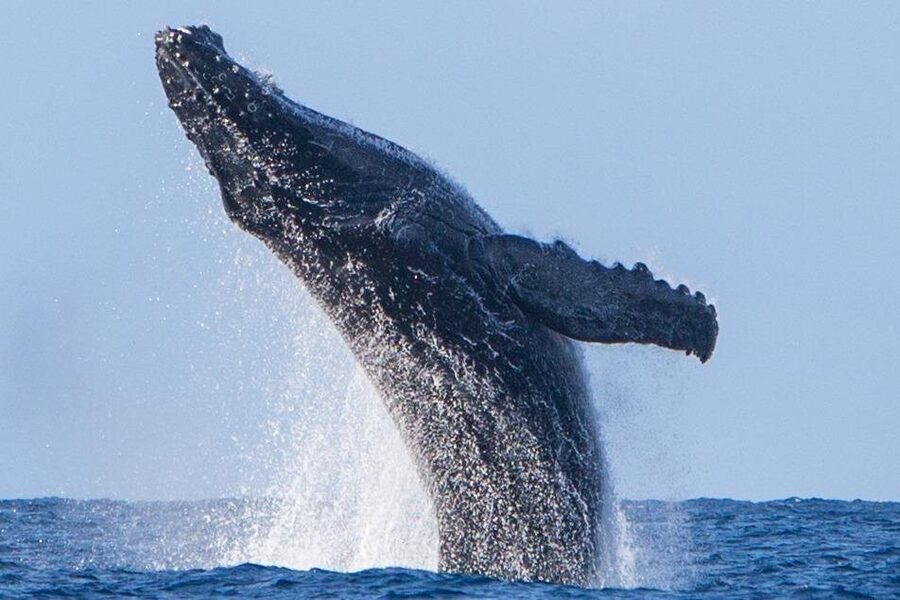
Ocean conditions can change the trip. The small boat may move more in rough water than a large vessel, and some people are more comfortable with that than others. If you are prone to seasickness, you should take the boat size seriously and plan accordingly, though no specific seasickness supplies are listed.
Poor weather can lead to a different date or a full refund. The same options apply if the minimum number of four people is not reached. Once the trip begins, conditions can still affect the length and activities. A recent outing ended an hour early in rough seas, with part of the fee refunded.
I consider that a fair approach. The crew cannot control the ocean, and pushing ahead in bad conditions would be worse than changing the plan. You should simply avoid treating the three-hour duration as an absolute guarantee when weather is unsettled.
The best mindset is flexible: the whale search is the priority, the snorkel is optional, and safety comes before a fixed itinerary. That makes the trip easier to enjoy.
What is included for $160
The $160 price includes the approximately three-hour boat outing, snorkeling equipment, snacks, and soda. Bottled water is not included, so bring your own reusable bottle.
The value depends on what you want from a boat trip. If you only want the lowest-cost chance of seeing a whale, a larger vessel may offer a cheaper seat. If you want a smaller group, direct contact with the crew, and a quieter setting for watching wildlife, the price becomes easier to justify.
You are also paying for the chance to spend meaningful time on the water. The small boat is designed to provide more personal access and more time in the water than a typical large sightseeing boat, although weather and whale behavior remain outside anyone’s control.
I would consider the price reasonable for a special occasion, a family outing, or a whale enthusiast who values group size. I would think twice if your main goal is snorkeling, a guaranteed show, or a completely smooth ride.
Who will enjoy this most
This excursion suits you if you want a small, personal wildlife trip and are willing to accept uncertainty. It can work especially well for families who meet the height and weight limits, couples seeking a quieter outing, and older adults who can manage the boat and ladder requirements.
A pair of parents in their seventies enjoyed seeing humpbacks and dolphins, even in less-than-ideal conditions. That does not mean the boat is easy for every older person, but it shows that age alone is not the deciding factor. Your ability to handle a small vessel and, if desired, a vertical ladder matters more.
The tour also suits anyone interested in whale behavior and sound. The crew’s explanations, the possibility of an underwater microphone, and the chance to watch animals at close range give the trip more substance than a quick photo stop.
You may want a different outing if you need guaranteed swimming time, dislike small boats, have trouble climbing ladders, or want extensive onboard amenities. This is a focused ocean search, not a resort-style cruise.
Booking and cancellation details worth knowing
Confirmation is provided when you book, and the mobile ticket makes access straightforward. You can cancel for a full refund up to 24 hours before the 1 p.m. start time. Changes or cancellations inside that 24-hour window are not accepted for a refund.
The weather and minimum-group rules are useful protections. If poor weather cancels the trip, you can choose another date or receive a full refund. If fewer than four people book and the outing cannot run, you receive the same choice of a different date or experience, or a full refund.
Service animals are allowed. English is the operating language.
Because the trip is often booked well ahead, around 52 days in advance on average, I would reserve early during the winter whale season if your schedule is fixed. The small capacity means there are only six spaces at most on an individual departure.
Should you book the Kohola Whale Watching Excursion?
Book it if you want a small-group whale search led by an attentive two-person crew, and if you see the ocean itself as part of the adventure. The chance to watch several humpbacks, hear whale songs, and encounter dolphins can make the $160 worthwhile.
Skip it if you need a guaranteed sighting, a long snorkel, or a large, stable boat. The strongest reason to choose this trip is not a promise of spectacle. It is the intimate setting, the careful wildlife approach, and the possibility of being in the right place when wild whales decide to come close.
FAQ
Where does the Kohola Whale Watching Excursion start?
It starts at Kiwailuka, Honokohau Harbor, Kailua-Kona, Hawaii.
What time does the tour start?
The tour starts at 1:00 p.m.
How long does the excursion last?
The planned duration is approximately three hours.
Where does the tour finish?
The activity ends back at the meeting point at Honokohau Harbor.
How many people can join the boat?
The maximum is six people.
What is the minimum number needed to run the tour?
A minimum of four people is required for the tour to operate.
Is snorkeling included?
Snorkeling equipment is included, and a short snorkel may be offered if time allows. Snorkeling is not the main focus of the trip.
Do I need to bring water?
Yes. Bottled water is not included, so you should bring your own reusable water bottle. Snacks and soda are included.
Are there physical requirements?
You must be at least 4 feet tall, under 250 pounds, and able to maintain a moderate level of physical fitness. You must be able to climb a vertical ladder if you want to snorkel, and you must not have had major surgery in the previous six months.
What happens if the weather is poor?
If poor weather cancels the excursion, you can choose a different date or receive a full refund. A full refund is also available if the minimum number of people is not reached and the trip is canceled.
New whale trips around Big Island
- Sunset Cruise with the Whales on our Sailing Catamaran★ 5.0 · 48 reviews
- Sunset Cruise with the Whales on our Power Catamaran★ 5.0 · 2 reviews
- Small Group Whale Watching in Kona Hawaii★ 5.0 · 5 reviews
- Whale Watching on Big island★ 4.5 · 19 reviews
- Waikoloa Deluxe Whale Watch★ 4.5 · 124 reviews
- Sunset Whale Watching Shared Activity★ 4.5 · 5 reviews
- Wake Up With the Whales Cruise on Seasmoke★ 5.0 · 159 reviews
- Kona’s Guaranteed Whale Watch: An Unforgettable Ocean Encounter★ 4.5 · 47 reviews
Big Island Whale Watching Tours, compared.
Kailua-Kona: Whale Watching Cruise on the Big Island
Read our review →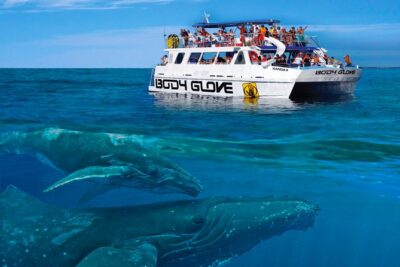
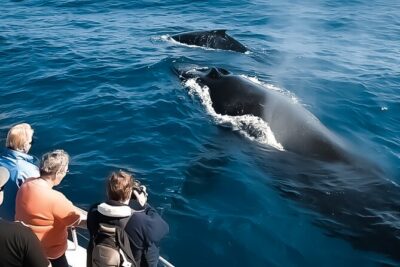
Browse the lists this tour appears in