
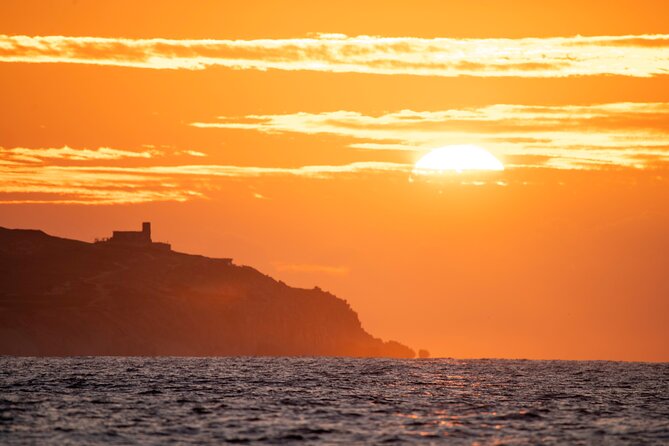
Review · PHOTOGRAPHY SESSIONS
Educational Sunrise Whale Watching with Photos Included
At 6:00 am, Proyecto Cetáceo takes you out of Cabo San Lucas Marina while the sky changes color over the Pacific. The most unusual part comes early: the boat pauses in a quiet area so Angelika and the captain can lower a hydrophone and listen for whales beneath the surface.
I like two things right away. The small maximum of 10 people gives the outing a personal feel, and the plan combines whale watching with Cabo’s classic sights, including Lover’s Beach, the sea lion colony, and the Arch. Photos are included, so you can give more attention to the water instead of spending the whole morning behind your phone.
The main tradeoff is the early start and the uncertainty built into wildlife watching. You may see humpback whales, gray whales, or a calf breaching, as some outings have, but no guide can promise a sighting or a particular behavior. The open ocean can also make conditions change quickly.
Key points to know before booking
- The hydrophone adds a rare underwater element: You do not just look for whales. You also listen for their calls in the quiet of the bay.
- The whale search takes about two hours: Most of the tour is devoted to watching marine life rather than rushing from one photo stop to another.
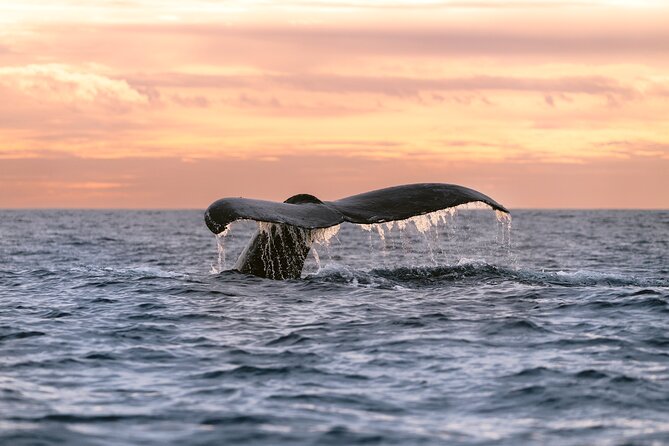
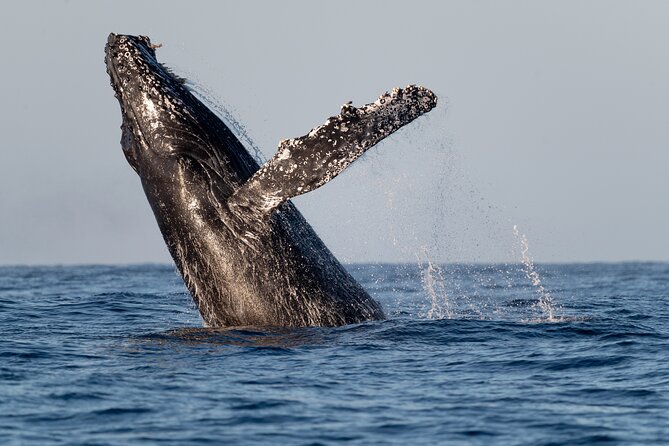
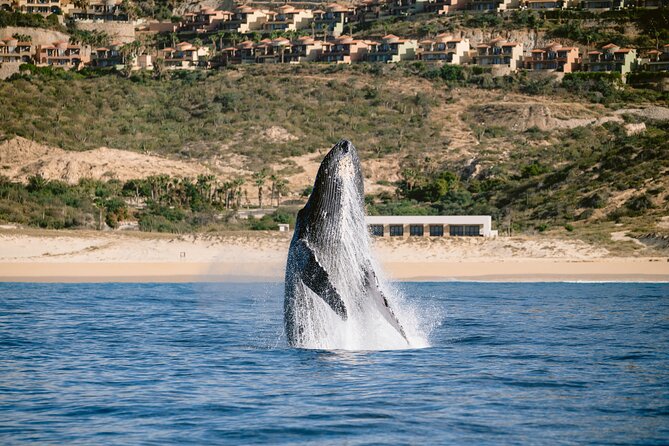
- You may see humpback and gray whales: Sightings can include several species, and a lucky morning may bring a breaching calf.
- The return route covers Cabo’s famous sights: Lover’s Beach, the sea lion colony, and the Arch are part of the trip.
- The group is capped at 10 people: That matters when you want room to see, hear, and ask questions.
- The outing starts at 6:00 am: You need to be ready at Proyecto Cetáceo on Boulevard Paseo de la Marina in central Cabo San Lucas.
Why the 6:00 am departure is worth considering
The first reward is the changing sky. From the water, sunrise is not blocked by hotel buildings or city streets. You watch the colors spread across the Baja California Sur sky while the marina gives way to the open sea.
This timing also suits whale watching. The tour is designed around an early start, so you get a quiet stretch on the water before the day feels fully underway. The calm mood matters here. The goal is not simply to race toward the first whale. The opening part asks you to slow down and notice the sounds and movement around the boat.
You should still treat the start time seriously. This is not a relaxed late-morning cruise. You need to reach the meeting point before 6:00 am, and the experience lasts about three hours. If you prefer sleeping late on vacation, this may feel like work. If you enjoy wildlife and sunrise views, the early alarm is a fair trade.
The meeting point is Proyecto Cetáceo, located at Blvd. Paseo de la Marina, Centro, 23410 Cabo San Lucas, B.C.S., Mexico. The activity ends back there, which keeps the plan simple. You do not need to arrange a separate end point.
More Photo Trips in Cabo San Lucas:
- Whale Watching Cabo-Women crew-Sightings Guaranteed & Free Photos
★ 5.0 · 1,743 reviews - Los Cabos Whale Watching (Transportation and Pictures Included)
★ 5.0 · 290 reviews - Cabo: Whale-Whatching Boat Trip w/ All-Women Crew and Photos
★ 4.9 · 202 reviews
The hydrophone turns whale watching into listening
Many whale trips focus on what you can see above the water. This one begins by finding a quiet area where the crew can set a hydrophone. You then listen for whale sounds below the surface.
That pause gives the outing a different rhythm. Instead of constant engine noise and a quick search for fins, you get a moment of silence in the bay. Angelika explains the activity, while the captain helps position the boat and keep the search moving.
The whale songs were a major highlight in one account of the experience. That detail is useful because it shows what the hydrophone adds: even when a whale is not close enough to photograph, the water may still offer a sign of life beneath you.
You should keep your expectations practical. A hydrophone can help you hear whales, but it does not guarantee a close encounter or a clear song every time. Sea conditions, whale behavior, and location all matter. Still, the listening session makes the experience more than a standard sightseeing ride.
About two hours in the open ocean
After the hydrophone session, the boat spends about two hours looking for whales and watching them. This is the heart of the tour, and the length matters. You are not limited to a brief pass through a known whale area before returning to the marina.
Whale watching rewards patience. You might first spot a spout, then a back, then a tail disappearing below the water. On a good morning, you may see several humpback and gray whales. One reported sighting included a baby whale jumping, which gives you an idea of how memorable the right conditions can be.
The captain’s role is important. The boat needs to cover water while still giving you time to watch. The available feedback points to a captain who worked hard to find whales, while Angelika supplied explanations in a pleasant, clear way. Her guidance and the captain’s boat handling appear to be the strongest parts of the human side of the trip.
The open ocean is also where you should expect the most motion. The supplied details do not promise calm water, special seating, or specific onboard equipment, so plan around the fact that this is a boat trip in the Pacific. If you are sensitive to motion, consider your comfort before booking.
You will want to dress for changing conditions, though the exact clothing recommendations are not provided. The sensible approach is to prepare for an early morning on the water and bring a practical attitude. The day may begin cool and quiet, then feel brighter and warmer as the sun rises.
Angelika and a small crew make a difference
Angelika is named as the guide, and her role goes beyond pointing out whales. She explains the activity and helps you understand what you are hearing and seeing. That is especially useful during the hydrophone session, when the experience could otherwise feel mysterious.
The captain also contributes to the outing. Finding whales requires more than heading into open water and waiting. The boat must search, adjust its course, and give everyone a useful view when whales appear.
A maximum of 10 people is one of the clearest advantages here. A small group can make it easier to hear the guide, ask a question, and move your attention from one side of the boat to the other. It also reduces the chance that the experience feels like a crowded harbor excursion.
The group size does not guarantee a private charter. You are still sharing the boat with other people, and the boat’s layout is not described. But compared with a much larger cruise, the limit should make the naturalist side of the outing more personal.
The tour is offered in English. That is important if you want detailed explanations about the whales and the hydrophone session. A Spanish-language review also praised the explanations from Angelika and the captain, but the listed operating language for the tour is English.
More Early-Start Trips in Cabo San Lucas:
- Sunrise Whale Watching boat tour with marine biologist
★ 5.0 · 14 reviews - Bahia Ballena Whale and Dolphin Tour – Morning
★ 5.0 · 155 reviews - Oahu: Waikiki Eco-Friendly Morning Whale Watching Cruise
★ 4.4 · 119 reviews - Late-Morning Whale Watch on our Power Catamaran
★ 4.5 · 54 reviews
Lover’s Beach, sea lions, and the Arch on the way back
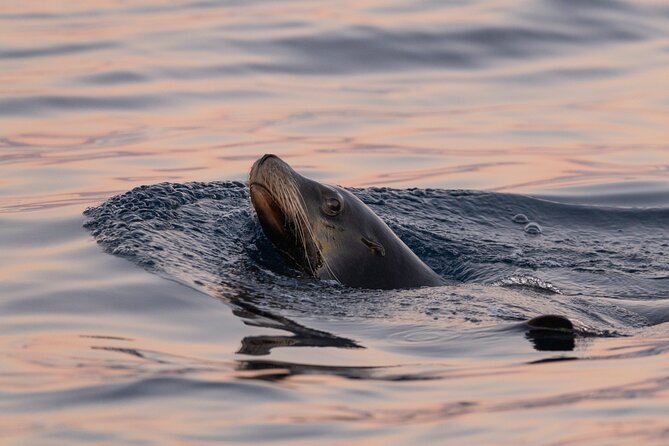
The return route adds three familiar Cabo sights after the whale search. This makes the trip useful if you want one morning to cover both wildlife and the area’s signature coastal views.
Lover’s Beach is part of the stop sequence. The beach is famous for its position near the Arch and the meeting point of two bodies of water, although the precise sightseeing time is not stated here. You should think of it as a photo and viewing stop rather than a beach day.
The sea lion colony gives you another chance to watch wildlife after the whale search. Sea lions bring a different kind of energy to the trip. They are closer to shore and easier to spot than whales, so this portion can add a dependable wildlife moment even if the whale activity is quiet.
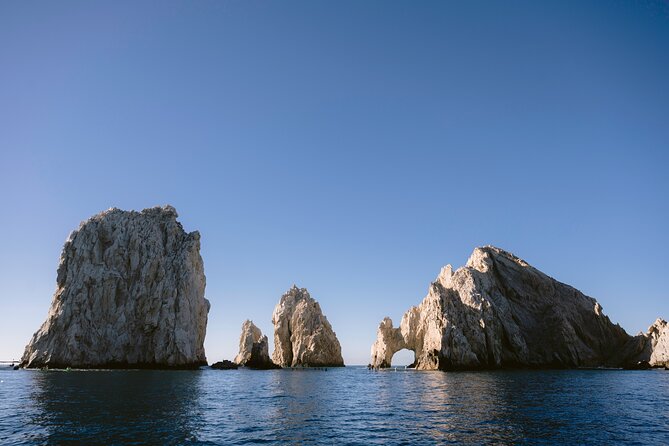
The Arch is the final classic Cabo image. The boat visits the famous rock formation so you can take a photo. Since photos are included with the experience, you can focus on enjoying the view while the tour handles the picture-taking element.
Do not book this as a full coastal sightseeing cruise. The whale search takes up most of the time, and the return visits are an added part of the route. That balance is ideal if whales are your main reason for going. If the Arch and beaches are your priority, a sightseeing-focused boat trip may give you more time at each place.
Photos included, with value beyond a standard boat ride
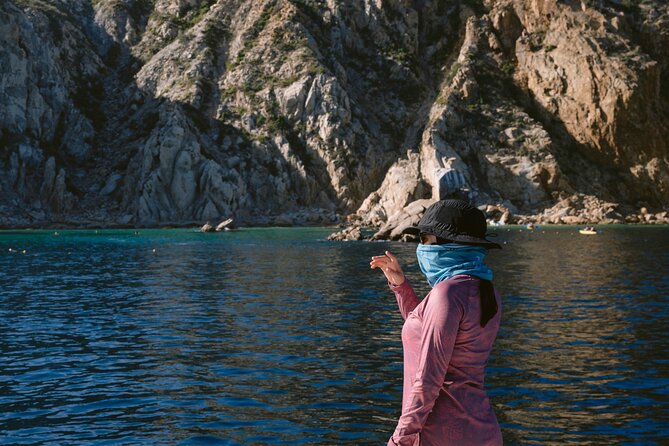
The included photos add practical value. Wildlife outings can leave you choosing between watching the water and trying to capture a sharp image. Having photos included lets you stay present during a whale sighting, especially when the action lasts only a few seconds.
The available information does not explain how many photos you receive, their quality, or how they are delivered. Keep that in mind when comparing the tour with other Cabo excursions. Photos are a useful bonus, but they should not be treated as a guarantee of close-up whale portraits.
The stronger value comes from the full mix: sunrise, hydrophone listening, roughly two hours of whale searching, a small group, and a return route past Cabo’s best-known sights. If the price is higher than a basic harbor cruise, those added elements help explain why. I cannot assess the exact price because it is not provided, but you can judge the value by asking whether you want a focused wildlife outing rather than a simple boat transfer or photo loop.
The 100 percent recommendation rate and five-star rating are encouraging, especially alongside the specific praise for Angelika’s explanations, the whale songs, and the captain’s effort to find whales. Still, wildlife remains unpredictable. A strong rating reflects the quality of the overall experience, not a promise that every departure will produce a breaching whale.
Who will enjoy this Cabo outing most
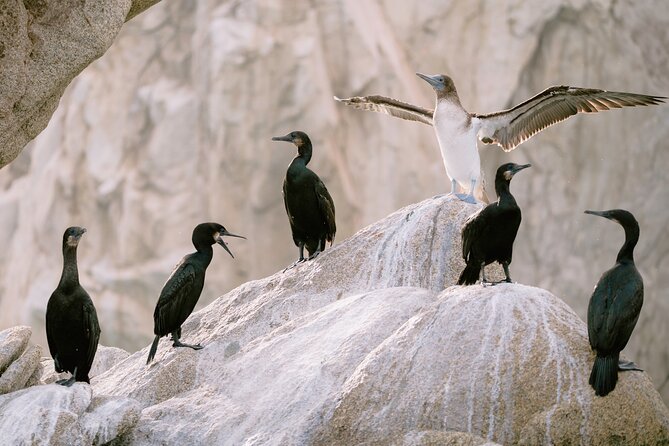
I would choose this experience if you want a small-group wildlife trip with a clear educational angle. The hydrophone makes it a good fit for anyone interested in how whales communicate, not just in collecting a quick photograph.
Families may like the variety, provided everyone can handle the early start and the boat ride. A sunrise, underwater sound, whales, sea lions, and the Arch give the morning several points of interest. The tour is also suitable for most people according to the supplied participation information, and service animals are allowed.
It suits photographers who want the major Cabo sights and whale-watching opportunities in one outing. The included photos are helpful, though anyone seeking highly controlled wildlife photography should remember that the whales choose the distance and timing.
It may not suit you if you want a guaranteed close encounter, a long beach stop, or a late departure. It is also not the best choice if your main goal is a leisurely coastal cruise with plenty of time to lounge. The itinerary gives priority to whale watching.
The tour is near public transportation, which may help with access to the central meeting point. No hotel pickup is specified, so you should plan to reach Proyecto Cetáceo on your own.
Booking, weather, and cancellation details
You receive confirmation at the time of booking. The activity requires good weather, and poor conditions can lead to a different date or a full refund.
A minimum number of participants is also required. If that minimum is not met, you can receive a different date or experience, or a full refund.
Free cancellation is available if you cancel at least 24 hours before the 6:00 am start time. Cancellations made less than 24 hours before departure are not refunded, and changes within that window are not accepted. The cut-off follows local Cabo San Lucas time.
These rules are fair for a weather-dependent boat trip, but the 24-hour deadline is firm. If your plans may change, decide early rather than waiting until the night before.
Should you book Proyecto Cetáceo?
Book it if you want to hear whales through a hydrophone, spend real time searching the open ocean, and still see Lover’s Beach, the sea lion colony, and the Arch before returning to Cabo San Lucas. Angelika’s explanations, the captain’s active search, the small group, and the included photos give the outing more substance than a quick sightseeing ride.
Skip it if you dislike early starts, boat motion, or wildlife uncertainty. No tour can control whale behavior, and the supplied details do not promise a particular species or sighting.
For the right kind of morning, this is a thoughtful Cabo choice: part sunrise cruise, part natural history lesson, and part classic coastal sightseeing. Just set your alarm, arrive ready for the water, and measure success by the whole experience rather than by one perfect whale photograph.
FAQ
Where does the whale-watching tour start?
The tour starts at Proyecto Cetáceo, Blvd. Paseo de la Marina, Centro, 23410 Cabo San Lucas, B.C.S., Mexico.
What time does the activity begin?
The activity starts at 6:00 am.
How long does the experience last?
The tour lasts approximately three hours.
Where does the activity end?
The activity ends back at the starting meeting point.
How many people can join the tour?
The experience has a maximum of 10 travelers.
Is the tour offered in English?
Yes. The tour is offered in English.
What happens during the hydrophone session?
The boat first looks for a quiet area where the crew can set a hydrophone and listen for whale sounds beneath the water.
How much time is spent looking for whales?
The group spends about two hours in the open ocean searching for and watching whales.
What happens on the way back to Cabo San Lucas?
The return route includes visits to Lover’s Beach, the sea lion colony, and the famous Arch for photographs.
New whale trips around Cabo San Lucas
- Cabo San Lucas: Whale Watching Experience on Catamaran★ 4.3 · 5 reviews
- Whale Watch Cabo: Group Whale Watching Tour – FREE photos★ 5.0 · 3 reviews
- Whale Watch Cabo: Zodiac Whale Adventure – FREE Photos★ 4.8 · 4 reviews
- Whale Watching on 2 Level Big Boat with Breakfast and Drinks INCLUDED★ 5.0 · 9 reviews
- Whale Watching Experience in Cabo San Lucas★ 5.0 · 41 reviews
- Snorkeling and whale watching Tour in Cabo★ 5.0 · 9 reviews
- Whale Watching by Zodiac in Cabo San Lucas with Photos Included★ 5.0 · 119 reviews
- Whale Watching in Cabo San Lucas on board our Luxury Trimaran!★ 5.0 · 32 reviews
Photography Sessions, compared.

Vancouver Half-Day Whale Watching Adventure with Free Photos
Read our review →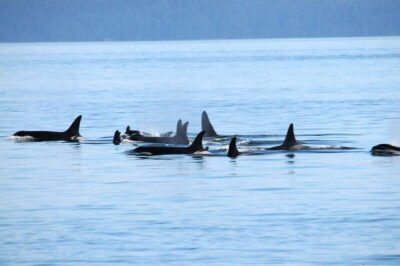
Covered Whale Watching Adventure with Free Photos
Read our review →
Victoria Half-Day Whale Watching Adventure with Free Photos
Read our review →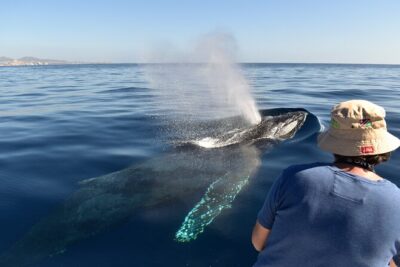
Whale Watching Cabo-Women crew-Sightings Guaranteed & Free Photos
Read our review →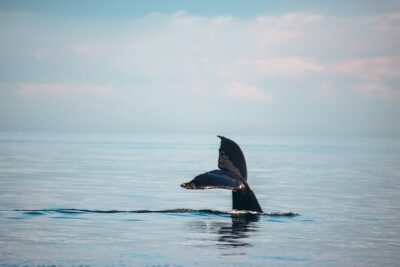
Vancouver Sunset Whale Watching Adventure with Free Photos
Read our review →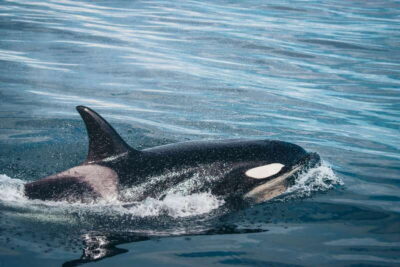
Covered Whale Watching Adventure with Free Photos
Read our review →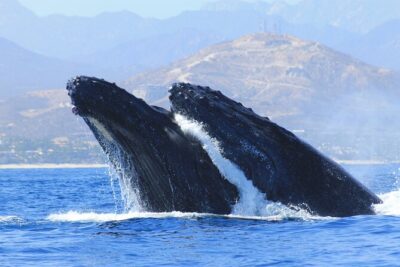
Los Cabos Whale Watching (Transportation and Pictures Included)
Read our review →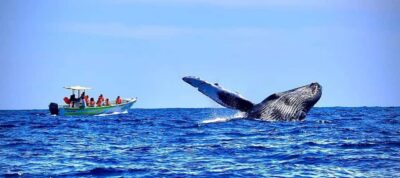
Cabo: Whale-Whatching Boat Trip w/ All-Women Crew and Photos
Read our review →Browse the lists this tour appears in