Review · WHALE WATCHING CRUISES
Dolphin & Whale Cruise
The big draw here is the chance to search for humpback and southern right whales along their winter migration route, while also watching for dolphins, seals, and albatross. The cruise leaves San Remo at 1:00 pm and spends about three hours on the water, with Cape Woolamai and Phillip Island’s wild coast as the backdrop.
I like the close approach to seal rock, and I like the simple comforts of a large catamaran, on-board commentary, and afternoon tea with coffee or tea. The main catch is open water: conditions can be choppy, and even a well-run wildlife cruise cannot promise whales or dolphins.
Key points to know before you book
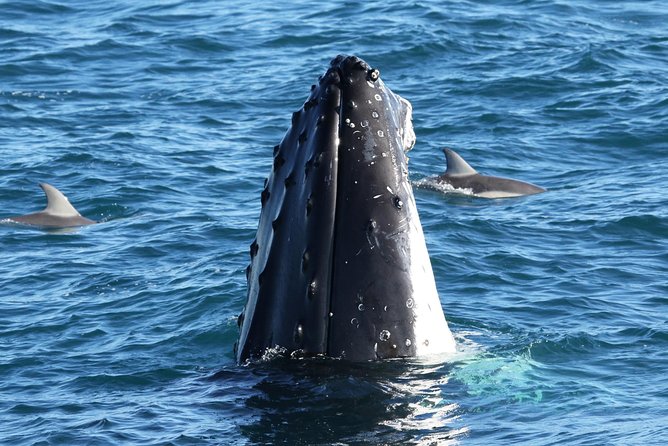
- Winter is whale season: Cape Woolamai and Phillip Island sit along the annual route of humpback and southern right whales.
- Seal rock is a fixed highlight: You get a close look at seals even if whale activity is quiet.
- The cruise starts at San Remo Jetty: Meet at 170 Marine Parade for the 1:00 pm departure.
- Expect real ocean motion: The vessel can move sharply in rough water, so prepare for seasickness if you are prone to it.
- A large catamaran keeps things comfortable: The maximum group size is 80, with refreshments served onboard.
- The price reflects a half-day wildlife outing: At $96.83 per person, you are paying for the boat time, commentary, coastal access, and wildlife search rather than a guaranteed sighting.
Setting out from San Remo at 1:00 pm
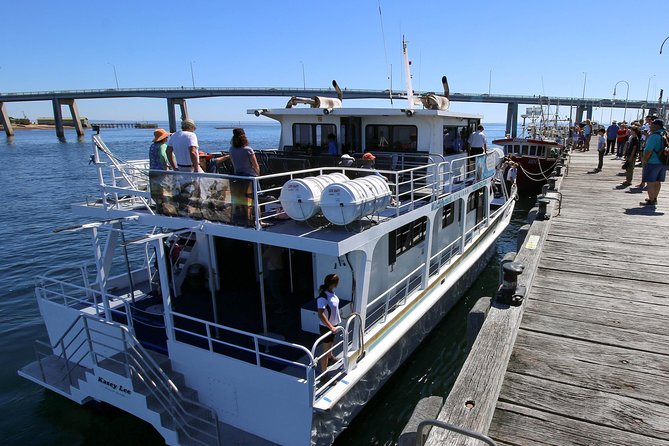
Your cruise begins at San Remo Jetty, at 170 Marine Parade. The activity returns to this same meeting point, which keeps the plan simple if you are spending the day around Phillip Island and the nearby coast.
The departure time matters. At 1:00 pm, you are not signing up for a dawn wildlife run or an all-day voyage. This is a compact afternoon outing that can fit beside other island plans. You get about three hours on the water, enough time to travel along the coast, pause at notable sites, and search open water for marine life without giving up the entire day.
The boat is a large catamaran with room for up to 80 people. That capacity makes this less like a private wildlife encounter and more like a shared coastal cruise. I see that as a fair trade for families and groups who want stable facilities, refreshments, and a straightforward booking option.
You should arrive ready for changing conditions. The operator sends weather information before departure, and the cruise can be affected by poor weather. Dress for the open water, not just the temperature at the jetty. A calm afternoon on land does not always mean a calm ride beyond the shelter of the coast.
More Whale and Dolphin Watching Tours in Australia
- Moreton Island: Tangalooma Whale Watching & Dolphin Feeding
★ 4.7 · 57 reviews - Port Stephens 3 Hour Whale and Dolphin Watch Cruise
★ 5.0 · 53 reviews - Philip Island: Dolphin and Whale Cruise
★ 4.4 · 48 reviews
Cape Woolamai and the old granite quarry
One of the first points of interest is Cape Woolamai Old Granite Quarry. The stop lasts about 10 minutes, and there is no separate admission charge.
The quarry gives the cruise a useful sense of place. This is not only a wildlife search in empty water. As the boat heads toward the open ocean, you also get a short introduction to the history of the quarry and the wider Cape Woolamai area.
Ten minutes is enough for context, not a full historical visit. You will not be walking through the quarry or spending an hour ashore. Instead, it works as a brief coastal landmark while the boat transitions from the jetty area toward the search for dolphins and whales.
I like this kind of stop because it breaks up the cruise. Wildlife watching can involve long stretches of scanning the surface, so a named feature gives you something definite to see while the crew explains where you are. Keep your expectations measured, though. The quarry is a short viewing point within the cruise, not a separate excursion.
Searching the winter whale route
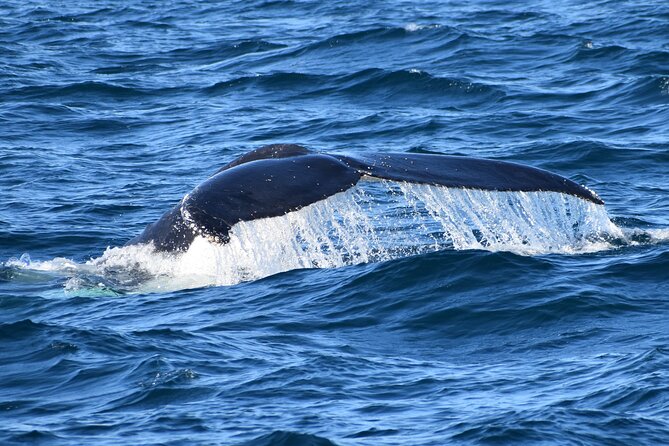
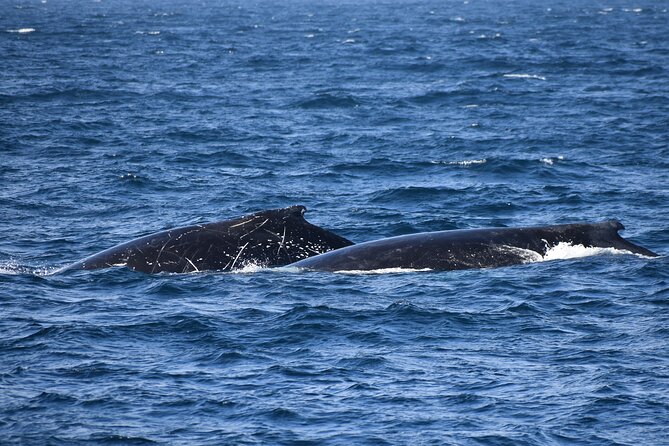
The whale search is the most seasonal part of the experience. Each winter, the waters around Cape Woolamai and Phillip Island sit along the migration pathway used by humpback and southern right whales.
That timing gives you the best reason to book this cruise during the colder months. You may see a whale surface, blow, or pass through the area, but wildlife sightings remain unpredictable. The boat must search a wide stretch of ocean, and conditions can affect how far the crew can go and how easy it is to spot an animal.
This is important when you judge the price. At $96.83 per person, the outing is not a guaranteed whale performance. You are paying for access to the marine area, a three-hour search, the vessel, commentary, and the possibility of several kinds of wildlife.
The experience can still be worthwhile when whale activity is limited. The coastline, the open-water setting, and the chance to see seals or dolphins provide more than one reason to go. If your only goal is to photograph a whale, you may find the uncertainty frustrating. If you enjoy being outside and watching the sea, the search itself becomes part of the day.
The on-board commentary helps give purpose to the trip. You learn more about the animals you are looking for and the coastal area around Cape Woolamai. No individual guide names are provided, so I would not book this expecting a particular naturalist or presenter. The appeal is the combination of crew commentary and time spent in the animals’ actual marine environment.
Seal rock offers the more dependable wildlife moment
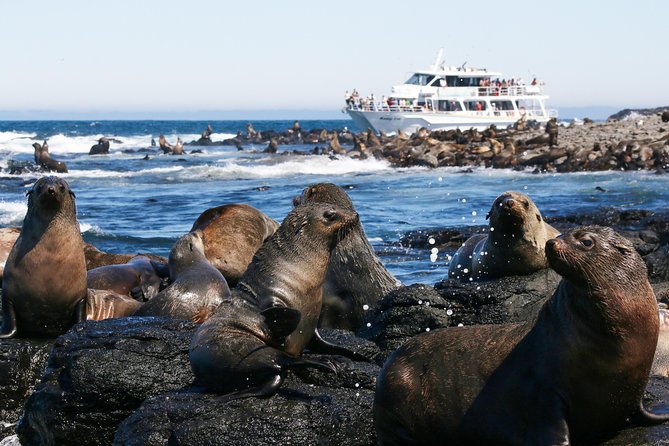
Seal rock is one of the strongest features of the cruise because it gives you a defined wildlife stop. Seals gather on the rock, and the boat takes you close enough to see them from the water.
That makes seal rock a useful counterpoint to whale watching. Whales may remain elusive, while the seals offer a more reliable subject for your attention. You can watch their movement, notice how they rest on the rock, and compare the slower scene with the constant scanning required in open water.
The boat’s size also helps here. A large catamaran gives you a comfortable platform for looking out across the water, rather than forcing you into a small, cramped craft. At the same time, a larger vessel cannot move or turn like a tiny boat, so you should expect a viewing experience built around a broad coastal route rather than close, fast manoeuvres.
Bring patience. Wildlife does not arrange itself on cue, and the best position can change as the boat moves. If you want the clearest view, stay alert during the approach to seal rock and listen for the crew’s directions.
More Whale Watching Cruises in Australia
- Sydney: Whale Watching Adventure Cruise
★ 4.2 · 1,790 reviews - Brisbane Whale Watching Cruise from Redcliffe or Sunshine Coast
★ 5.0 · 997 reviews - Freedom 3/4 Day Hervey Bay Premium Whale Watching Cruise
★ 5.0 · 919 reviews - Sydney Whale-Watching Cruise Including Lunch or Breakfast
★ 4.5 · 878 reviews
Dolphins, albatross, and the value of looking up
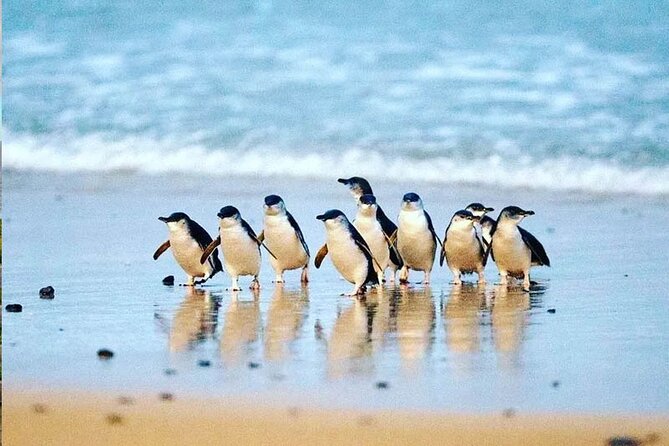
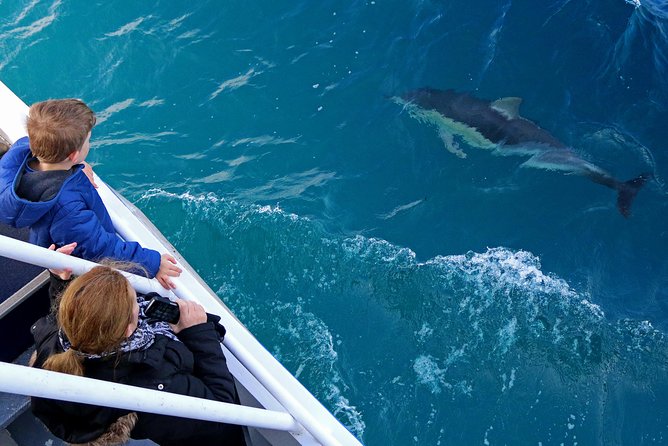
Dolphins are another possible sighting during the search. The cruise also gives you a chance to see an albatross circling above the water.
These possibilities add variety to the trip. You are not locked into watching one patch of sea for a whale. Scan near the bow and along the sides for dolphins, then look higher when the crew points out birds. The albatross is especially easy to miss if you keep your eyes fixed only on the surface.
This is a good experience for anyone who enjoys the small surprises of a wildlife outing. You may spend part of the cruise watching the waterline, part looking toward the rocky coast, and part waiting for a bird to appear overhead.
Still, keep the language of possibility in mind. The cruise is designed to look for dolphins, seals, whales, and albatross, but no sighting is guaranteed. The published rating is 4.8 from 23 ratings, with 96 percent recommending the activity, which suggests strong overall satisfaction. That number should reassure you about the general format, but it cannot remove the natural uncertainty of wildlife watching.
What the open water feels like
The most practical issue is motion sickness. This cruise operates in open water, and the catamaran can rise and fall with the ocean.
One account of the trip describes conditions as a constant roller-coaster sensation, with the water dipping and rising through choppy waves. That is useful preparation. You should not assume that a large boat means a perfectly smooth ride.
The operator warns passengers when rough conditions are possible, and taking that warning seriously is smart. If you are prone to seasickness, plan ahead using the measures that normally work for you. Sit where you are most comfortable, keep your attention on the horizon when possible, and avoid treating the afternoon as a completely sheltered harbour cruise.
Rough water can make the trip tiring, especially for young children or anyone who dislikes boat movement. On the other hand, some people enjoy the lively ride and see it as part of the open-ocean experience. I would call this a real consideration rather than a flaw. The same exposure that gives you access to whales and seabirds also exposes you to wind and swell.
Weather can also change the itinerary. Cruises are weather dependent, and poor conditions may lead to a different date or a full refund. Check with Wildlife Coast Cruises before departure and dress appropriately. The practical lesson is simple: keep some flexibility in your Phillip Island plans.
Comforts onboard for a three-hour outing
The large catamaran is equipped for a fairly comfortable afternoon. You receive afternoon tea, along with coffee or tea, while on the boat.
That refreshment matters more than it might sound. Three hours scanning the ocean can feel long if you are cold, hungry, or standing without a break. A warm drink gives the trip a basic rhythm and makes it feel like a proper coastal outing rather than a quick transfer to a wildlife site.
The boat’s size also suits mixed groups. Most people can participate, and service animals are allowed. The activity is near public transportation, though the supplied details do not specify a particular bus route or transport schedule.
With a maximum of 80 passengers, this is not an intimate cruise. If you want a quiet, private wildlife encounter, the group size may feel too large. If you prefer having room, onboard facilities, and a more forgiving platform than a small speedboat, the catamaran makes good sense.
The commentary is another part of the value. You are not left to guess what you are seeing or why the boat is visiting a particular section of coast. The information about Cape Woolamai, the quarry, and the marine animals gives structure to the journey.
Is $96.83 fair value?
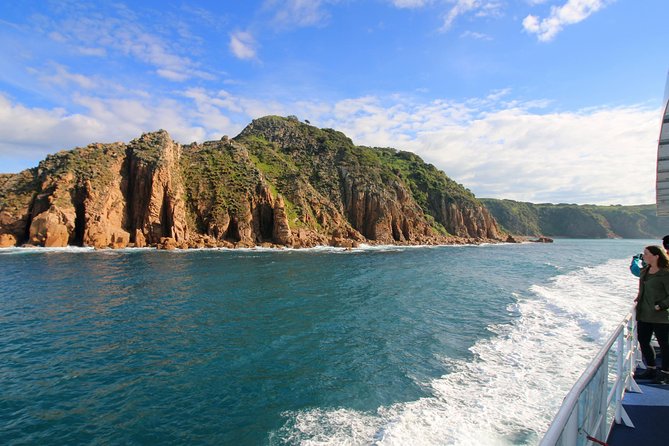
At $96.83 per person, this cruise sits in the range where expectations matter. You are paying for approximately three hours, a marine wildlife search, coastal viewing, the seal rock stop, commentary, refreshments, and the boat itself.
I think the price is reasonable if you are already planning time around Phillip Island and want a dedicated look at the coast from the water. The cruise covers several possible highlights in one outing: quarry history, seals, dolphins, migratory whales, birds, and the shoreline around Cape Woolamai.
The value is weaker if you measure the ticket only by whale sightings. A whale may not appear, and even a sighting can be brief or distant. No wildlife cruise can control that. The better way to judge the fare is to ask whether you would enjoy three hours on the ocean even if seals became the main event.
The 96 percent recommendation rate and 4.8 rating from 23 ratings are encouraging signs. The strongest practical praise is tied to the overall thrill of the rough-water ride and the importance of preparing for it. That tells me the cruise works best for people who accept nature on its own terms, rather than expecting a controlled show.
Who will enjoy this cruise most?
I would recommend it to families, couples, and solo visitors who want a manageable half-day activity near Phillip Island. It suits anyone interested in marine wildlife but who also wants a comfortable boat, refreshments, and commentary.
It is particularly well suited to a winter visit, when humpback and southern right whales are on the migration route. Seal rock gives the outing a second wildlife focus, so you are not relying on whales alone.
You should think twice if you suffer badly from motion sickness, dislike uncertain wildlife sightings, or want a quiet private boat. The open-water setting can be demanding, and the group may contain as many as 80 people.
The cruise also works well for people who enjoy a little adventure without signing up for an entire day at sea. The three-hour duration keeps the commitment reasonable, while the 1:00 pm start leaves room for other plans before or after.
Booking, cancellation, and practical details
You receive confirmation at booking, and the ticket is mobile, so you can keep it on your phone. The activity begins and ends at San Remo Jetty, 170 Marine Parade, San Remo, Victoria.
Free cancellation is available if you cancel at least 24 hours before the 1:00 pm start time. Changes or cancellations inside that window are not accepted and are not refunded.
The operator may cancel for poor weather or if the minimum number of passengers is not met. In those cases, you can choose another date or activity, or receive a full refund. Since the cruise depends on weather, avoid building an inflexible schedule around it if possible.
Should you book the Dolphin and Whale Cruise?
Book it if you want a three-hour coastal outing with a genuine chance of seeing seals, dolphins, seabirds, and winter whales. The strongest reasons are the Cape Woolamai setting, the close look at seal rock, the large catamaran, and the simple comfort of tea and afternoon refreshments.
Go with realistic expectations. You may see a whale, but you may spend the afternoon watching seals and open water instead. Prepare for motion, follow the weather advice, and consider your usual seasickness response.
For most visitors who enjoy wildlife and the sea, I think $96.83 is fair value. It is best understood as a well-supported search through Phillip Island’s marine world, not a guaranteed whale show.
FAQ
Where does the cruise depart?
The cruise departs from San Remo Jetty at 170 Marine Parade, San Remo, Victoria 3925, Australia.
What time does the cruise start?
The scheduled start time is 1:00 pm.
How long does the cruise last?
The cruise lasts approximately three hours.
Where does the activity finish?
The cruise ends back at the meeting point at San Remo Jetty.
What wildlife might I see?
You may see humpback whales, southern right whales, dolphins, seals, and albatross. Whale activity is especially associated with the winter migration season, but sightings are not guaranteed.
Is food or drink included?
Afternoon tea and coffee or tea are provided onboard the catamaran.
Can rough water affect the experience?
Yes. The cruise operates in open water, and vessel motion may cause discomfort for people affected by seasickness. Cruises are also dependent on weather.
What happens if the cruise is canceled?
If poor weather or an insufficient number of passengers causes cancellation, you will be offered a different date or activity, or a full refund.
New whale trips around Australia
- Wilsons Promontory: Whale Spotting Cruise with Lunch★ 4.9 · 20 reviews
- Noosa: Epic Whale Watching Ocean Kayak Tour & Beach 4X4★ 4.8 · 7 reviews
- Whale Watching Safari Byron Bay★ 4.9 · 39 reviews
- Western Australia: Swim with Humpback Whales★ 5.0 · 20 reviews
- Tweed Heads: Whale Watching Boat Tour★ 4.7 · 30 reviews
- Bremer Bay Orca Experience★ 5.0 · 79 reviews
- Wilsons Prom Whale Cruise★ 5.0 · 104 reviews
- Whale Watching and Wildlife Cruise Townsville and Magnetic Island★ 5.0 · 11 reviews
Whale Watching Cruises, compared.

Whale & Dolphin Eco-Cruise with Snacks & Drinks
Read our review →
Dolphin & Whale Watching Cruise with Swim Stop
Read our review →
Morro Jable: Dolphin & Whale Watching Cruise, Drinks & Swim
Read our review →
Whale & Dolphin Watching Cruise with Swim Stop
Read our review →