
Review · CATAMARAN WHALE WATCHING
Andenes: Responsible Whale Watching with Classic Catamaran
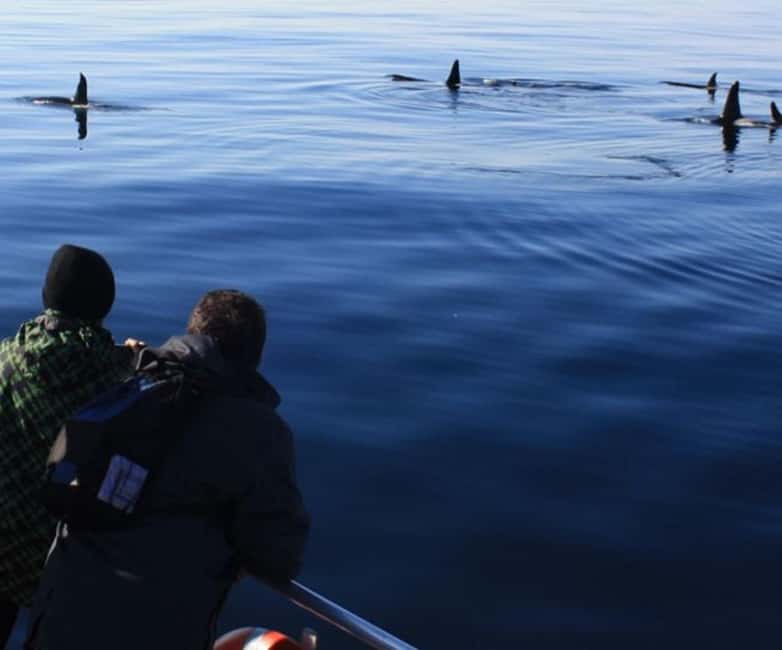
The first great moment is often the simplest: a whale surfaces beside the boat, breathes, and slips back into the cold Arctic sea. From Andenes, you search for sperm whales, orcas, dolphins, and seabirds with local crew and marine biologists who explain what you are seeing. I especially like the heated indoor cabin with hot soup and drinks, and the Whale Pass, which lets you rebook free if no whales are seen.
This is a serious wildlife trip, not a quick harbor cruise. The boat can be at sea for three to five hours, and rough conditions are possible. Guides explain the wildlife in English, but one French-speaking guide helped some French passengers follow the discussion more easily. If you are sensitive to motion, take seasickness medication before departure.
Key points to know before booking
- Whales are never guaranteed: The Whale Pass gives you a free rebooking if no whales are seen, subject to availability.
- The boat stays out for three to five hours: Timing depends on sea conditions and where whales are moving.
- Marine experts guide the search: Local crew and marine biologists explain whale behavior and the Arctic ecosystem.
- You get a warm refuge at sea: Hot soup, bread, tea, coffee, and biscuits are served in the heated cabin.
- Sightings can include more than whales: Keep watch for orcas, dolphins, puffins, sea eagles, and other seabirds.
- Sea conditions matter: Warm layers, rain gear, waterproof shoes, and motion sickness prevention are practical essentials.
Setting out from Andenes Harbor
Your meeting point is easy to identify at Østre Havn in Andenes. Look for the black reception container beside the large red harbor buildings and near the Andenes to Gryllefjord ferry. An Arctic Whale Tours sign is placed on the red harbor building, and staff are there to welcome you.
Parking is available a few meters from reception, but spaces are first come, first served. I would arrive with time to spare rather than count on finding a spot at the last minute. Check-in is required one hour before departure, which may feel early for a four-hour boat ride, but it gives the crew time to handle safety instructions and boarding without a rush.
The tour needs at least 15 participants to depart. It can also be canceled or rescheduled at short notice if weather makes the trip unsafe. That is not a flaw in the operation. It is the sensible side of taking a small group into exposed Arctic waters.
More Catamaran Whale Watching in Norway:
- From Funchal: Ecological Catamaran Dolphin Whale Watching
★ 4.5 · 8,204 reviews - Funchal: Dolphin and Whale Watching Catamaran Cruise
★ 4.5 · 5,697 reviews - Costa Adeje: Whale Watching Catamaran Tour with Drinks
★ 4.7 · 3,653 reviews
A classic catamaran built for a long search
After check-in, you receive a safety briefing and life vest before boarding. The boat has an indoor heated seating area and an outdoor viewing deck, so you are not forced to stay outside for the entire trip.
That indoor space matters more than it may sound. Northern Norway can be cold, wet, and windy even when the harbor feels calm. A warm cabin gives you a place to thaw your hands, eat, and watch through the windows before heading back outside when the crew spots activity.
The catamaran is designed for stability and wildlife viewing. Still, stability does not mean motion-free. On one recent October trip, the sea was rough, yet the boat found three whales. That is encouraging if you want an honest Arctic experience, but it also shows why seasickness medicine and proper clothing should be taken seriously.
The outdoor deck is where you will want to be when the crew spots a whale. Bring binoculars if you have them, but do not forget that your own eyes may be more useful when a large animal appears without warning. Wildlife sightings are quick, and the best view can come from any side of the boat.
Searching the Arctic waters
Once the boat leaves the harbor, the trip becomes a moving search rather than a fixed sightseeing route. The crew checks recent sightings, sea conditions, and the whales’ current movements before choosing where to go. The route can change from one departure to the next.
This uncertainty is part of the experience. You are not visiting an aquarium where an animal appears on schedule. You are watching wild creatures in open water, and the crew has to work with the conditions nature provides that day.
The guides talk about the local marine ecosystem, whale behavior, and responsible wildlife tourism during the crossing. That commentary gives the search a purpose even during quiet stretches. Instead of simply staring at an empty sea, you learn why the boat is moving toward a particular area and what signs may point to nearby animals.
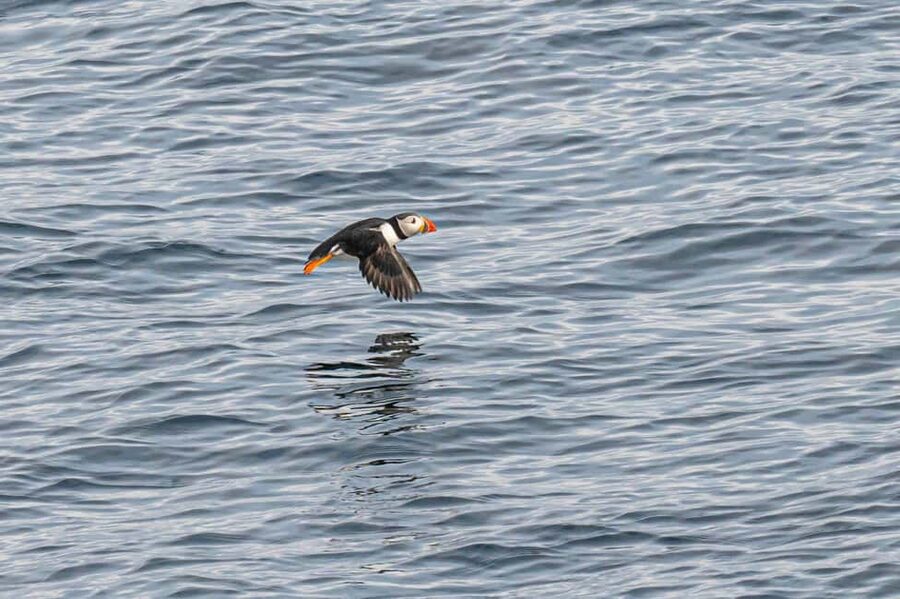
The main target is often the sperm whale, but the crew may also search for orcas and dolphins. Seabirds add another layer to the trip. Puffins and sea eagles are among the possible sightings, along with other birds that use these waters.
You should set your expectations carefully. The tour promises an active search, not a guaranteed close encounter. The Whale Pass helps protect your booking value if no whales are seen, but it does not change the basic fact that wildlife sets the timetable.
What a whale sighting is really like
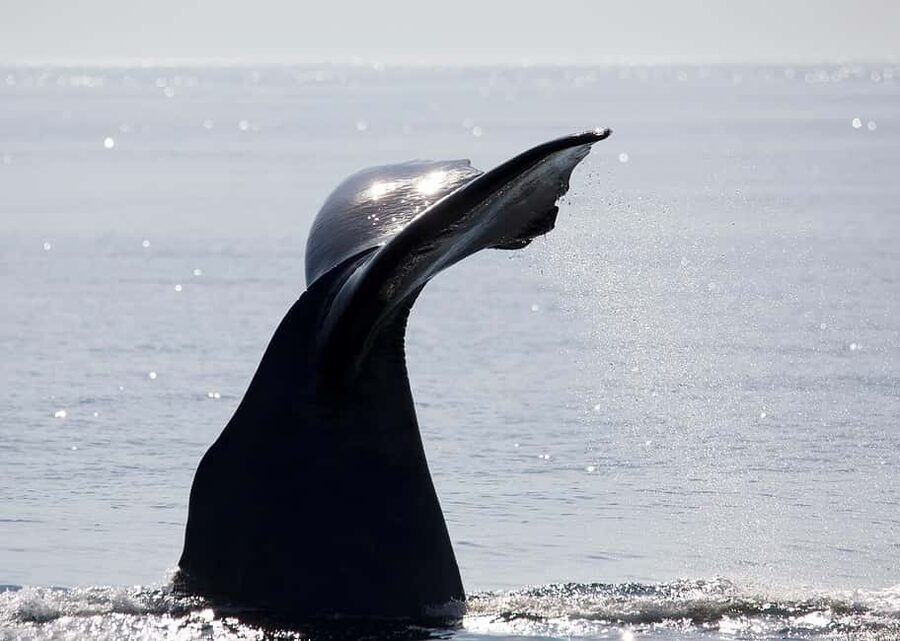
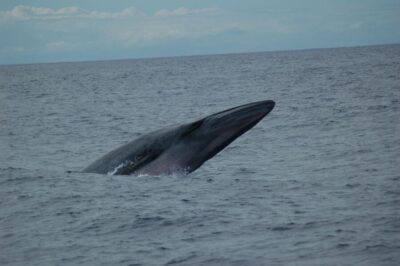
The most powerful part of the tour is the pause before a whale surfaces. The boat slows, people scan the water, and the crew watches for a breath, a back, or a change in the sea. Then the animal appears, often for only a short time.
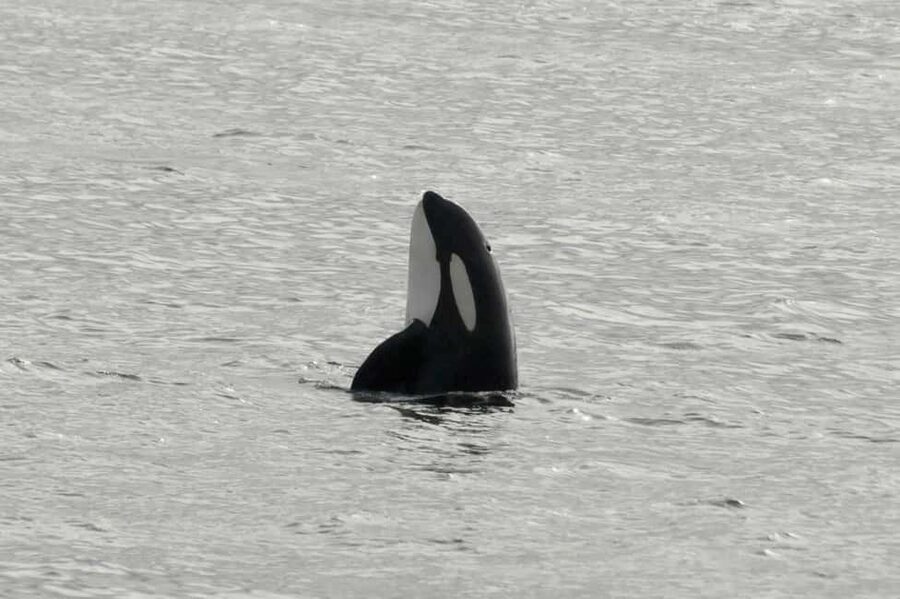
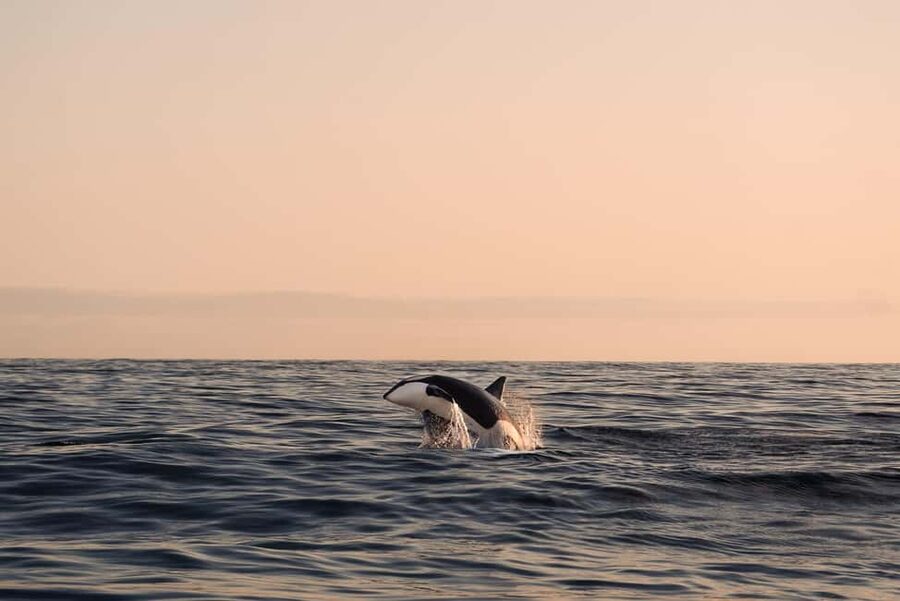
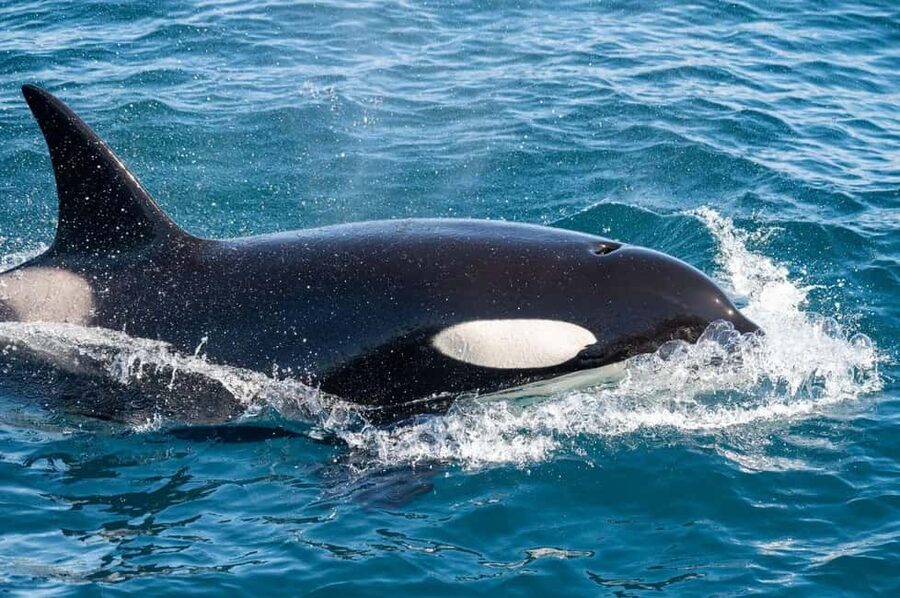
A sperm whale may show its back and blow before disappearing again. Orcas can appear in groups, while dolphins may move more playfully through the water. The information provided does not promise a particular species, number, or distance, so you should treat every sighting as a gift rather than a scheduled part of the program.
A recent trip in late September had calm weather, sunshine, and whale sightings. Another outing faced a rough sea but still saw three whales. These two examples tell you more than a perfect-weather brochure could: conditions can vary widely, and a successful trip does not always feel easy.
The guides are one of the strongest parts of the outing. They combine local experience with marine biology, explaining the animals and the place they inhabit. On one trip, a French-speaking guide helped passengers understand the differences among whale species. The main tour language is English, and one passenger found that a guide spoke too quickly for their level of English. If you need slower explanations, tell the crew early and stay near the guide during the talks.
More whale watching around Norway worth comparing
- Tromsø: Whale Watching Tour by Hybrid-Electric Boat
★ 4.5 · 4,217 reviews - Tromsø Whale Safari with MS Gabriele
★ 4.3 · 1,937 reviews - From Tromsø: All-Inclusive Whale & Orca Safari
★ 4.5 · 1,221 reviews - From Tromso: Whale Watching in Magic Skjervoy
★ 4.7 · 1,207 reviews
Hot soup, cold air, and time to reset
The onboard meal is simple but useful. You receive hot soup, fresh bread, tea, coffee, and biscuits in the heated cabin. This is not a gourmet meal, and one passenger specifically found the vegetable soup rather instant-tasting.
I would judge the food as comfort rather than a reason to book. After time outside in Arctic wind, a hot cup of coffee and a bowl of soup can feel exactly right. Eat before you become cold and tired, then return to the deck when the crew calls attention to wildlife.
The food also makes the three to five-hour duration easier. A short trip might get you to the search area and back before conditions or animal movement offer much chance. The longer window gives the crew time to adjust the route and wait for better opportunities.
The tradeoff is that the return time is not fixed to the minute. Sea conditions and whale location determine how long you stay out. Keep that in mind if you have a ferry, flight, or another timed activity later the same day.
Responsible wildlife watching in open water
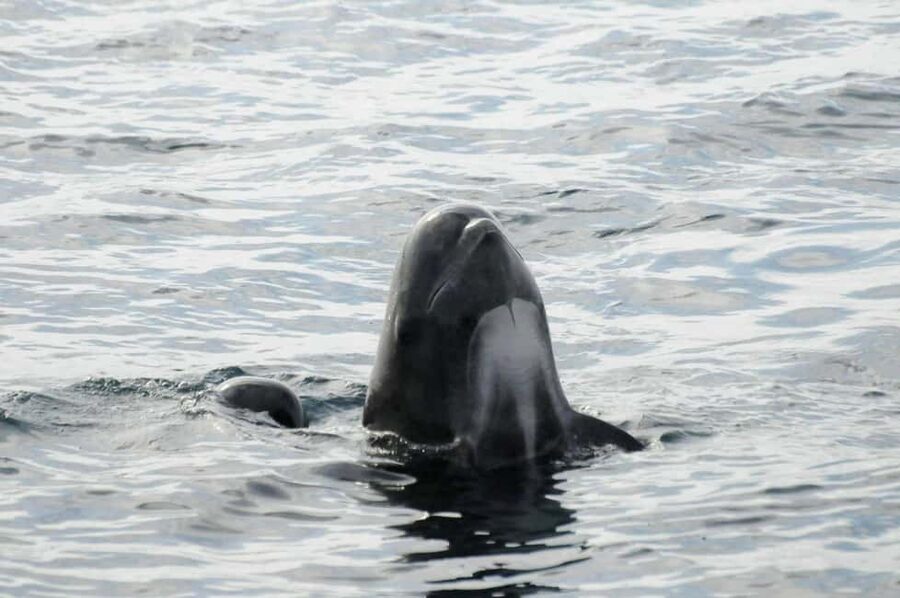
The tour presents whale watching as observation, not pursuit. You are asked not to touch marine life, and drones are not allowed. Smoking, alcohol, drugs, and intoxication are also prohibited.
Those rules protect both the animals and the people onboard. A whale can look close enough to touch, but it remains a wild animal in its own environment. Responsible viewing means letting the crew manage the boat and giving the animals space.
The guides also explain the importance of responsible wildlife tourism. That is valuable because the trip is not only about collecting photographs. You are learning how a marine ecosystem works and why careful behavior matters when boats share the sea with large animals.
Bring a waterproof phone case or camera protection if you plan to photograph. The supplied information does not promise photography equipment or a dedicated photo guide, so you should bring only what you can manage safely on a moving boat.
Clothing that makes or breaks the day
Pack for wet, cold, and windy conditions, even if Andenes is pleasant when you leave the harbor. Recommended items include:
- Thermal clothing
- A warm hat and gloves
- Waterproof outerwear
- Waterproof shoes
- Binoculars
- Motion sickness prevention
Layers are better than one bulky coat. You may warm up inside the cabin, then need protection again on the outdoor deck. Waterproof shoes are especially practical because harbor spray, rain, and wet deck surfaces can make ordinary footwear uncomfortable.
If you are prone to seasickness, prevention should happen before departure, not after nausea begins. The tour is not suitable for people prone to seasickness, pregnant women, babies under one year, or people with mobility impairments. If you use a wheelchair or travel with a service animal, contact the provider in advance so they can discuss the arrangements.
Oversize luggage is not permitted. Bring a small day bag with only the items you need for the boat.
Is $183 a fair price?
At $183 per person, this is not a budget harbor outing. The price makes more sense when you consider the length of the trip, marine guides, safety equipment, heated seating, food, and the Whale Pass.
The free rebooking policy is especially important. If no whales are seen, you can join another tour free of charge, subject to availability. That does not guarantee a sighting on the next attempt, and it may not help if your schedule allows only one day in Andenes. Still, it reduces the risk of paying for a whale trip that produces no whale sighting at all.
You are also paying for access to a wild setting and for the crew’s work in finding animals whose location changes daily. The value is strongest if you enjoy the full search, the marine commentary, and the Arctic setting, not just the moment of a whale surfacing.
The value is weaker if you have a tight schedule, dislike cold or rough water, or want a guaranteed animal encounter. In that case, the long duration and weather dependence may feel like too much uncertainty for the cost.
Who will enjoy this Andenes outing?
I would recommend it to nature lovers, photographers, families with older children, and anyone who wants more than a quick coastal cruise. The heated cabin makes it more manageable for a family-friendly day, though babies under one year are not accepted.
It also suits people who enjoy learning while they watch. The marine biologists and local crew add meaning to the waiting time, and their explanation of whale behavior helps you understand why the boat changes course or pauses in one area.
You should think twice if you are very sensitive to motion, uncomfortable in bad weather, or unable to remain on a boat for several hours. The tour is also less suitable for anyone who needs guaranteed accessibility, since people with mobility impairments are not considered suitable and advance contact is required for wheelchair users or service animals.
English is the tour language. If you are not comfortable following spoken English, the guide’s talks may be hard to follow, especially when delivered quickly. You can still watch the sea and wildlife, but the educational side will be less rewarding.
Booking advice for a flexible day in Andenes
Free cancellation is available up to 24 hours before departure, and you can reserve now while paying later. Those terms help if your Northern Norway plans are still shifting, but the weather can still change the tour on short notice.
Leave a large part of your day open. The advertised duration is four hours, while the actual trip can run from three to five hours. Arrive one hour before departure at the black reception container, and do not schedule a ferry connection or other fixed activity too closely afterward.
The Andenes to Gryllefjord ferry is near the meeting point, but transportation to the harbor is not included. You need to arrange your own way there, along with travel insurance and personal expenses.
Should you book it?
Book this tour if you want a proper wildlife search with marine experts, a heated refuge, simple food, and a free second chance if no whales appear. The strongest reasons are the serious guiding, the chance to see sperm whales or orcas in open water, and the practical Whale Pass.
Skip it if rough seas would ruin your day, if you cannot follow English commentary, or if you have only a narrow window before another departure. Andenes whale watching rewards patience and flexible plans. If you can accept that wild animals set the schedule, the price buys a meaningful Arctic experience rather than a guaranteed photo opportunity.
FAQ
Where does the whale watching tour begin?
Meet at the black reception container at Østre Havn in Andenes, beside the large red harbor buildings and near the Andenes to Gryllefjord ferry. Look for the Arctic Whale Tours sign on the red harbor building.
How long does the tour last?
The planned duration is four hours, but the trip typically takes three to five hours. The exact length depends on weather, sea conditions, and where the whales are located.
What happens if no whales are seen?
The Whale Pass allows you to rebook another tour free of charge if no whales are seen, subject to availability. The information provided also refers to searching for dolphins, but the free rebooking policy is specifically described in relation to whales.
What food and drinks are included?
The crew serves hot soup, fresh bread, tea, coffee, and biscuits in the heated indoor cabin. The food is simple rather than a full meal.
What should I wear?
Bring thermal clothing, warm layers, a hat, gloves, rain gear, and waterproof shoes. Binoculars are useful, and you should consider motion sickness prevention if you are sensitive to boat movement.
Is the tour offered in English?
Yes. The live tour guide language is English. A French-speaking guide was present on one departure, but French guiding is not listed as a standard tour language.
New whale trips around Norway
- Alta: 3.5 Hour Fjord & Whale Watching Cruise★ 4.4 · 8 reviews
- Whale Watching RIB Safari at Skjervøy★ 4.8 · 136 reviews
- Skjervøy: Whale Watching with RIB Boat and Local Guide★ 4.9 · 109 reviews
- Alta: Altafjord Whale Watching in a Heated Boat★ 5.0 · 80 reviews
- Alta: Alta Fjord Whale Watching Tour★ 4.7 · 26 reviews
- From Alta: Whale and Seabird Cruise★ 4.6 · 136 reviews
- From Alta: Small Group Whale Watching by RIB★ 4.9 · 28 reviews
- Bleik: Whale Watching by Speedboat with Puffins and Muffins★ 4.7 · 326 reviews
Catamaran Whale Watching, compared.
Whale and Dolphin Watching Catamaran with Transfer and Buffet
Read our review →
Funchal Bay: Dolphin & Whale Watch Luxury Catamaran Cruise
Read our review →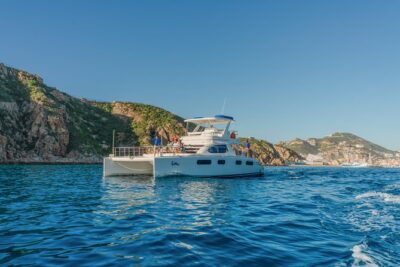
Luxury Catamaran Whale Watching Cabo San Lucas
Read our review →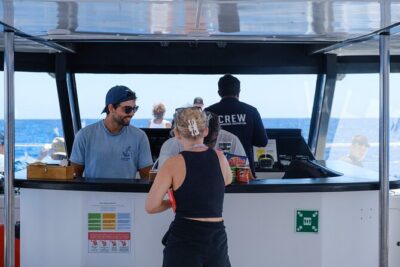
Madeira Dolphin and Whale Watching on a Ecological Catamaran
Read our review →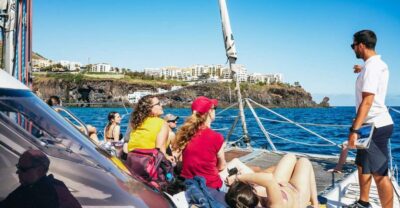
Dolphin and Whale Watching by Luxury Catamaran
Read our review →Browse the lists this tour appears in