
Review · AUSTRALIA WHALE WATCHING TOURS
Albany’s Whale Story
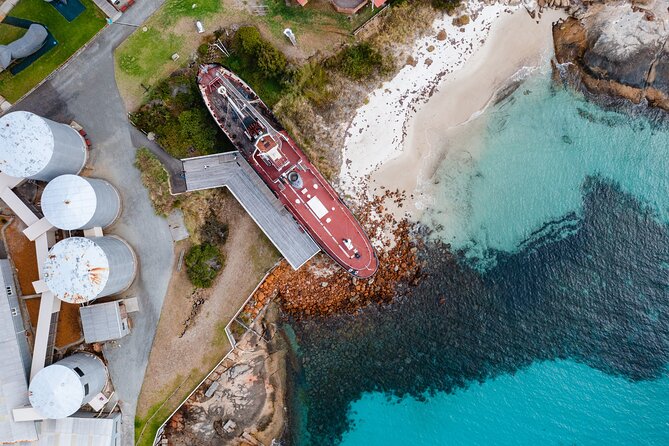
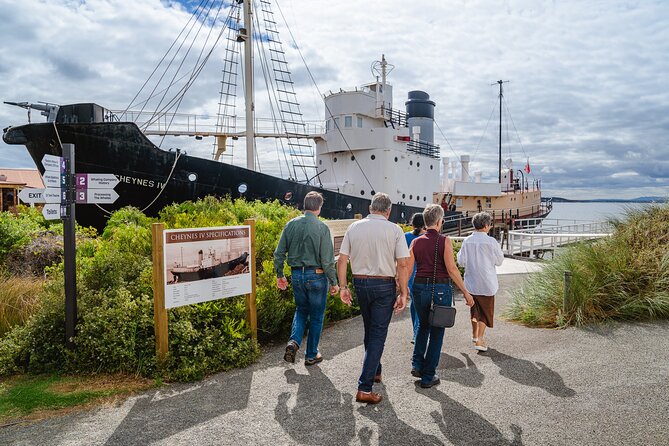
Albany’s whale story is told best at the old whaling station, where you can board the whale chaser Cheynes IV and stand beside enormous whale skeletons. The experience links Albany’s past with today’s respect for whales, rather than treating whaling as a simple museum subject.
I like the small group of up to seven, which gives the guide room to explain the displays properly. I also like the mix of indoor history, harbor scenery, native bushland, and cake with tea or coffee at a local café. The main consideration is that parts of the whaling story can be confronting, so this is not a lightweight sightseeing stop.
Key points at a glance
- Board Cheynes IV: Walk onto the famous whale chaser and picture the work carried out along Western Australia’s southern coast.
- See enormous whale skeletons: The displays make the scale of these animals clear in a way that photographs cannot.
- Follow the story with a live guide: The English-language tour uses animation, images, relics, and spoken explanation.
- Travel around Princess Royal Harbor: Look toward King George Sound and the Southern Ocean beyond as you leave Albany.
- Finish with tea, coffee, and cake: The café stop gives you time to sit, shop, or take a short break.
- Keep the group personal: With no more than seven participants, the tour feels more focused than a large coach outing.
Why Albany’s whaling story matters
This experience deals with a difficult part of Albany’s past. Whaling was once an economic activity along Western Australia’s southern coastline, and Albany’s Historic Whaling Station explains how that work shaped the area.
The presentation does not leave the subject at old equipment and dates. You see animation, images, relics, whale skeletons, and the former whale chaser. Together, these details show the practical side of whaling and its human cost.
The story also asks you to think about how attitudes have changed. The tour connects whale hunting in the past with the value placed on whale watching today. That contrast gives the visit a purpose beyond simply looking at old machinery.
I appreciate that balance. You are not asked to ignore Albany’s past, but neither are you pushed into a simple celebration of it. The material can feel confronting in places, so allow yourself time to take it in.
More whale watching around Australia worth comparing
- Sydney: Whale Watching Adventure Cruise
★ 4.2 · 1,790 reviews - Brisbane Whale Watching Cruise from Redcliffe or Sunshine Coast
★ 5.0 · 997 reviews - Freedom 3/4 Day Hervey Bay Premium Whale Watching Cruise
★ 5.0 · 919 reviews
The harbor road to King George Sound
The tour begins at the Albany Visitor Centre on York Street. From there, you travel by van for about 25 minutes, curving around Princess Royal Harbor.
This opening drive gives you a useful sense of Albany’s setting before the main visit begins. You look toward King George Sound, with the Southern Ocean beyond. The views help explain why Albany became an important coastal place and why the sea is central to the town’s story.
The drive is short, but it prevents the tour from feeling like a single museum transfer. You begin with water, harbor, and open views, then move into the more focused historical experience.
Bring a jacket or windbreaker even if the day begins mild. The supplied advice also recommends a hat, sunscreen, comfortable shoes, and rain gear. That is sensible for a tour that combines van travel, walking, outdoor scenery, and exposed coastal conditions.
Albany’s Historic Whaling Station at Discovery Bay
The main part of the tour takes about two hours and includes a guided visit to Albany’s Historic Whaling Station. This is the part that gives the excursion its strongest identity.
You can expect to move through the site with an English-speaking guide, using the displays to understand how whaling worked along the coast. Animation, photographs, relics, and spoken explanation help connect the objects to the people and animals involved.
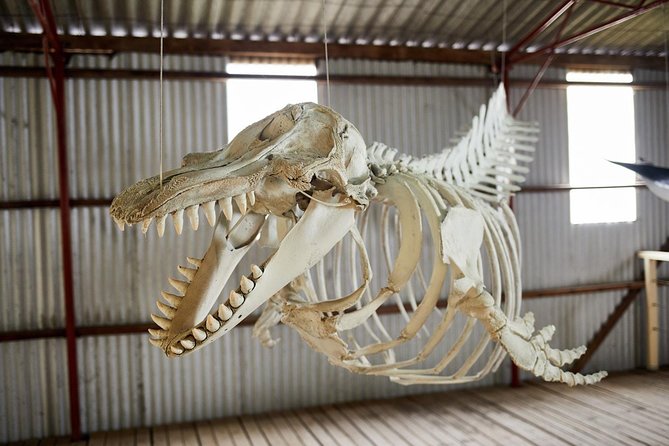
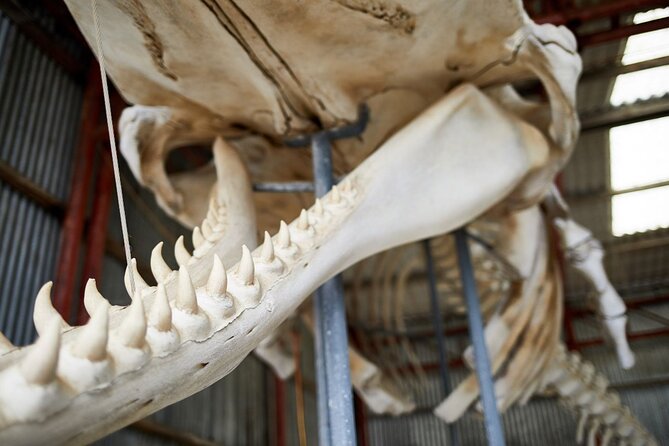
The site’s most memorable feature is likely to be the whale skeleton display. Seeing the enormous bones in person gives you an immediate sense of a whale’s size. It is a direct, physical way to understand what the industry was dealing with, and why the subject can feel confronting.
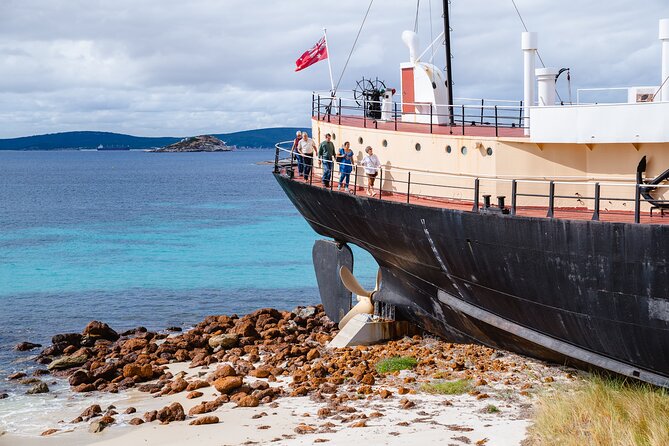
You also climb aboard Cheynes IV, the famous whale chaser. This is more than a quick photo opportunity. Standing on the vessel lets you imagine the lookout position described in the tour, scanning the water for the telltale spume, with wind and salt spray around you.
That moment brings the old work to life, but it also raises the ethical question at the heart of the visit: was the animal prey to be hunted, or something to be honoured? The tour’s value lies partly in letting you consider that change in outlook for yourself.
Allow enough energy for walking during the station visit. Comfortable shoes are specifically recommended, and you may encounter displays that require you to pause and listen rather than hurry from one object to the next.
The guide makes the difference
A live guide adds something that a self-guided display cannot. The guide can explain the relics in context, adjust the pace, and give you a clearer path through a subject that could otherwise feel scattered.
One guide named in the tour feedback is Joy. The comments about Joy point to an informative and entertaining presentation, with particular appreciation for the way the history was delivered verbally. Another comment singles out the guide’s ability to make the visit informative.
That is useful to know because the station contains several kinds of material. You have the vessel, skeletons, shell collections, images, animation, and historical objects. Clear narration helps tie these pieces together.
With a maximum of seven people, you should have a better chance of hearing the explanation and asking a question than you would in a large group. The small size is especially useful in a museum setting, where a crowded room can make it hard to see displays or follow a guide’s voice.
The language is English. If you need an experience in another language, this tour will not meet that need.
Same sea, a different boat:
- Whale Watching Tour with Spirit of Gold Coast
★ 4.5 · 884 reviews - Sydney Whale-Watching Cruise Including Lunch or Breakfast
★ 4.5 · 878 reviews - Sydney: 2-hour Express Whale Watching Cruise
★ 4.2 · 756 reviews - Spirit of Gold Coast 2.5-Hour Whale Watching Tour
★ 4.2 · 703 reviews
The whale chaser and the skeletons
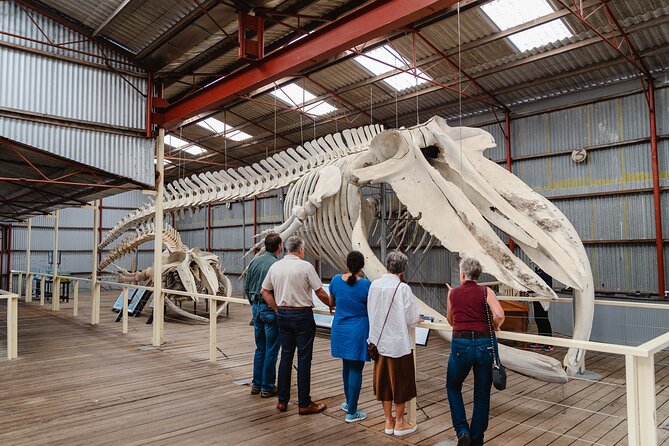
Cheynes IV is the emotional center of the visit. You are not merely looking at a photograph of a working vessel. You can climb aboard and consider the cramped, practical world of a whale chaser.
The ship makes the old industry more concrete. It shows the type of platform used to search the water and pursue whales, which gives the history a human scale. At the same time, the skeletons make the animals’ scale impossible to overlook.
I would give the vessel and skeleton display plenty of attention. The tour information makes clear that these are key parts of the experience, and the strongest feedback focuses on the whale skeletons, shell collection, and spoken history.
This is also where the tour’s tone becomes important. You may find some material uncomfortable. The visit is educational, but it is not designed to make whaling seem harmless or sentimental. If you prefer only light sightseeing, this may feel heavy. If you want to understand Albany rather than simply photograph its coastline, the difficult parts are part of the value.
A local café break with cake
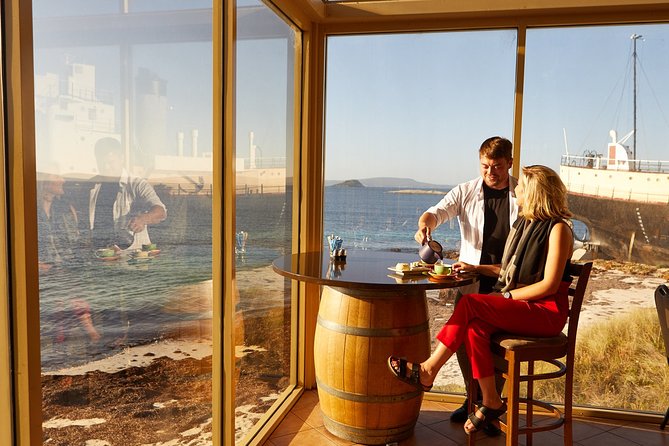
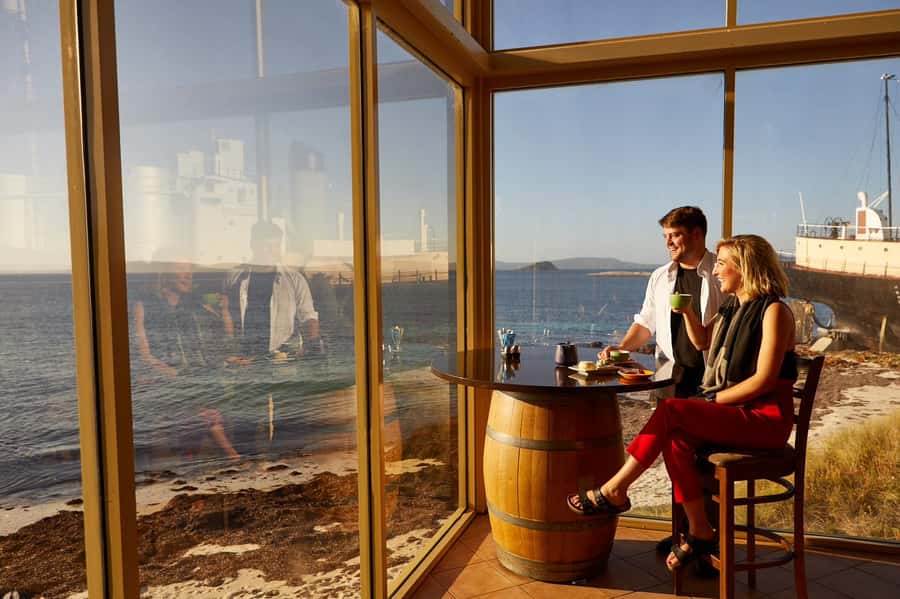
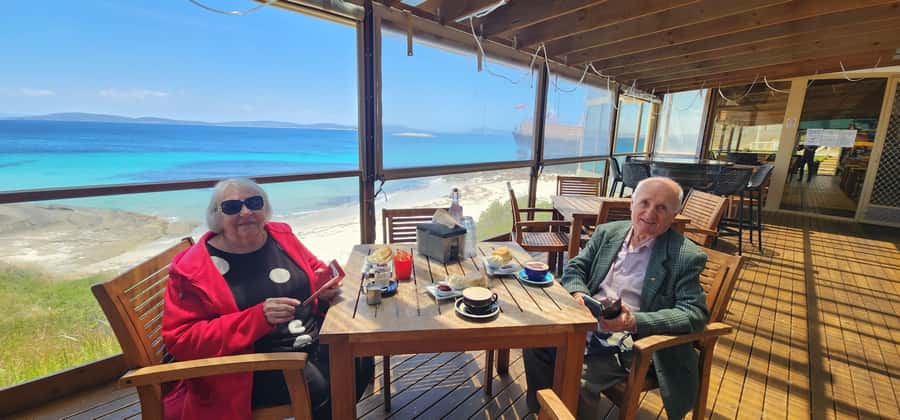
After the station, the tour includes a 30-minute break at a local café. Tea, coffee, and cake are included, and you have free time for a short rest or shopping.
This pause is well placed. Two hours of guided walking and historical displays can be a lot to absorb, especially when the subject is serious. A warm drink and something sweet give you a chance to reset before the return journey.
You should advise the operator of any dietary requirements. The supplied information does not specify alternative food options, so do not assume that every dietary need can be handled without advance notice.
The café stop also adds a small local element to the day. You are not rushed straight from the station into the van. You have time to sit, look around, and decide what you want to remember from the visit.
Torndirrup National Park on the return
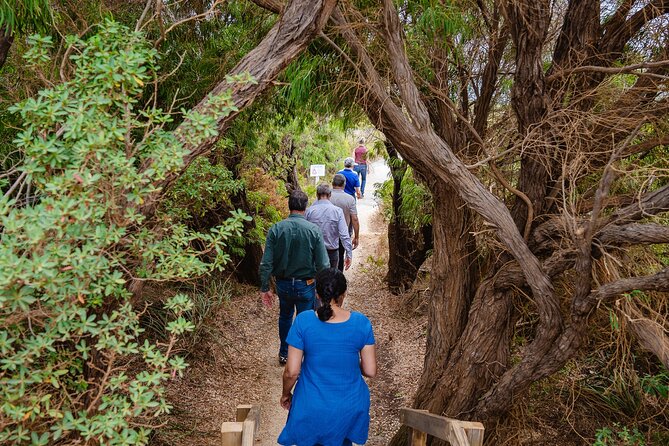
After the café break, you return by van toward Albany, with the route passing through Torndirrup National Park. The drive takes about 25 minutes.
The park provides a strong change of mood after the whaling station. Instead of concentrating on objects and recorded history, you move through native bushland and along an impressive coastal setting. The tour description calls attention to the park’s granite formations and asks what tales these granite mounds could tell.
Do not expect a separate long hike or a detailed park walk from the information provided. The park is part of the scenic return journey, not a full national park excursion. That distinction matters if you are hoping to visit several named lookout points or spend hours walking.
Still, the drive gives the tour a wider sense of Albany. You see how the town’s human story sits within a powerful natural setting. The visit to the whaling station explains what people did along this coast, while Torndirrup shows the setting that made the coast so memorable.
The tour then returns to the Albany Visitor Centre. From start to finish, the activity lasts 210 minutes, or three and a half hours.
Is $99 good value?
At $99 per person, this is not simply a short transfer to a museum. The price includes entry to Albany’s Historic Whaling Station, a guided tour, transport by van, and morning or afternoon tea with coffee and cake.
The value depends on how you like to sightsee. If you planned to visit the whaling station independently, you would still need to arrange your own transport and pay the entry fee. This tour adds a guide, the harbor drive, Torndirrup National Park, and a café stop.
The small group also matters. A seven-person limit costs more than joining a large coach, but it gives the experience a more personal scale. You spend less time dealing with crowd movement and more time following the guide’s explanation.
I would consider the price fair for someone who wants a structured half-day introduction to Albany’s coastal history. It is less compelling if you only want a wildlife trip, because this is not presented as a whale-watching cruise. It is a historical and scenic tour focused on the old whaling station, with reflection on modern whale watching.
Who will enjoy this experience most?
This tour suits you if you want context for Albany’s coastline rather than a series of disconnected photo stops. It works particularly well for first-time visitors who want the whaling station, harbor, and Torndirrup National Park covered in one half-day.
It also suits people who prefer small groups and a live guide. The maximum of seven participants should make the historical explanation easier to follow and the timing more manageable.
Families with older children may find the vessel and skeletons memorable, but adults should be ready to explain the difficult parts of the story. The word confronting is important here. The site does not hide the realities of whaling.
The tour is wheelchair accessible, which is useful information when comparing options. Still, the activity includes walking and boarding the whale chaser, so it is sensible to ask the operator about the specific access needs of your party before booking.
I would not choose this tour if your main goal is a long hike, a dedicated whale-watching outing, or a full day inside Torndirrup National Park. Those are different experiences. Choose this one for the combination of history, transport, scenery, and a thoughtful look at changing attitudes toward whales.
Practical planning for the day
Meet at the Albany Visitor Centre, 221 York Street, Albany, Western Australia. The activity starts and finishes there, which keeps the logistics simple.
Wear comfortable shoes and bring a windbreaker or jacket. A hat, sunscreen, and rain gear are also recommended. The coastal setting can change the feel of the day, and you will be better prepared if you carry layers rather than rely on one forecast.
The tour is offered with morning or afternoon tea and coffee, depending on the starting time. Check the available departure time when booking, since the schedule is not given as one fixed daily hour.
Free cancellation is available up to 24 hours in advance for a full refund. You can also reserve and pay later, which helps if your Albany plans are still changing.
Should you book Albany’s Whale Story?
Book it if you want Albany’s whaling past explained clearly, with the added benefit of a harbor drive, Torndirrup National Park, and a small group. The whale chaser, skeletons, and guide’s spoken storytelling give the visit more weight than a quick museum stop.
Think twice if you want only cheerful sightseeing or a dedicated whale encounter. Parts of the station can be confronting, and the experience asks you to think about the cost of an industry that Albany once depended on.
For most visitors who have three and a half hours to spare, the $99 price is reasonable because it combines admission, guiding, transport, and refreshments. I would choose it early in an Albany stay, since it gives you useful context for the harbor, the coast, and the town’s changing relationship with whales.
FAQ
Where does Albany’s Whale Story start?
The tour starts and finishes at the Albany Visitor Centre, 221 York Street, Albany, Western Australia.
How long does the experience last?
The total duration is 210 minutes, or three and a half hours.
What is included in the price?
The price includes entry to Albany’s Historic Whaling Station, a guided tour, and morning or afternoon tea with coffee and cake.
Is the tour conducted in English?
Yes. The tour has a live English-speaking guide.
How large is the group?
The tour is limited to seven participants.
Is the activity wheelchair accessible?
Yes, the activity is listed as wheelchair accessible.
What should I bring?
Bring comfortable shoes, a windbreaker, a hat, sunscreen, a jacket, and rain gear. You should also advise the operator of any dietary requirements.
New whale trips around Australia
- Broome Sunset & Whale Watching Cruise★ 5.0 · 2 reviews
- Bremer Bay: Bremer Canyon Killer Whale Expedition★ 4.9 · 114 reviews
- Bremer Canyon Orca Experience from Bremer Bay★ 4.6 · 35 reviews
- Augusta: Whale Watching Tour★ 4.5 · 9 reviews
- Port Stephens 3 Hour Whale and Dolphin Watch Cruise★ 5.0 · 53 reviews
- Nelson Bay: Whale and Dolphin Watching Catamaran Cruise★ 4.6 · 47 reviews
- Philip Island: Dolphin and Whale Cruise★ 4.4 · 48 reviews
- Moreton Island: Tangalooma Whale Watching & Dolphin Feeding★ 4.7 · 57 reviews
Australia Whale Watching Tours, compared.
Brisbane Whale Watching Cruise from Redcliffe or Sunshine Coast
Read our review →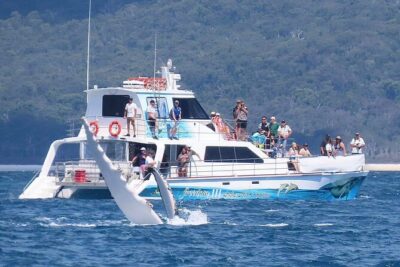
Freedom 3/4 Day Hervey Bay Premium Whale Watching Cruise
Read our review →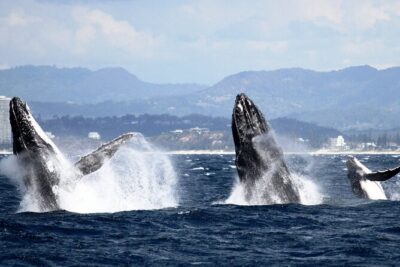

Sydney Whale-Watching Cruise Including Lunch or Breakfast
Read our review →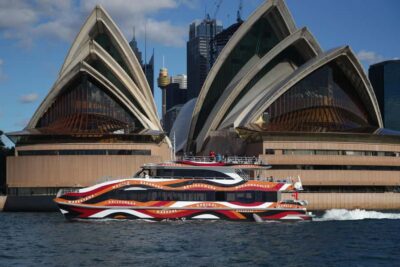
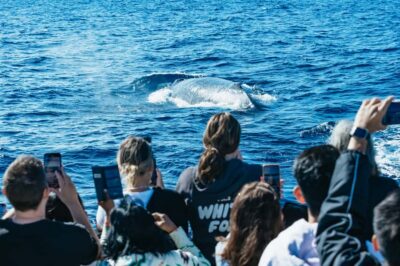
Spirit of Gold Coast 2.5-Hour Whale Watching Tour
Read our review →
Browse the lists this tour appears in