
Review · ZODIAC AND RIB WHALE WATCHING
Skjervøy: Whale Watching with RIB Boat and Local Guide
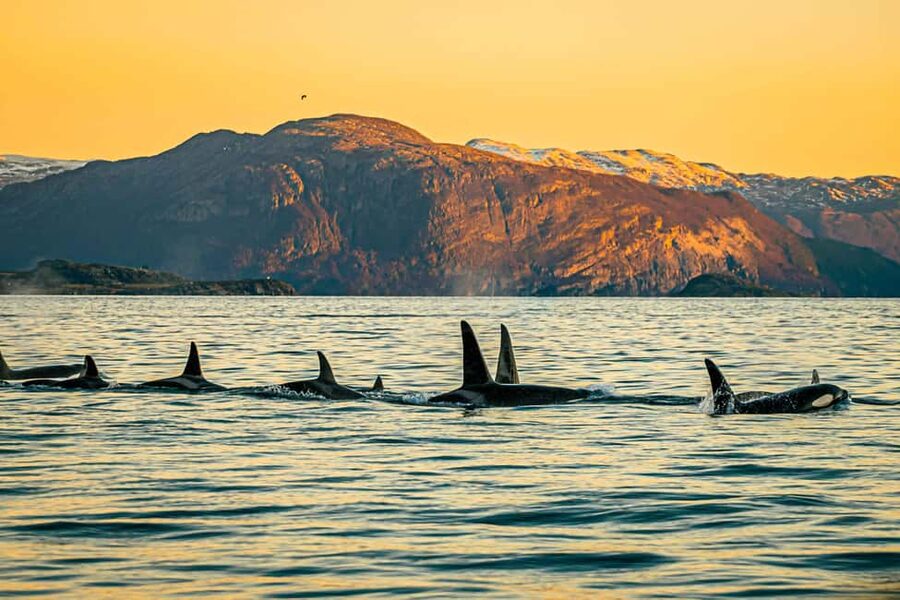
Orcas gathering around a herring meal are the main event here, and the action can be remarkable. From Skjervøy, you head into open Arctic water by fast RIB boat, with local guide Viktor searching for killer whales and humpback whales among snowy mountains and cold northern seas.
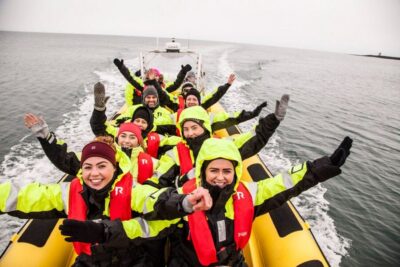
I like the small, lively RIB boat and the care taken with whale encounters. The guide keeps a respectful distance, yet orcas sometimes approach out of curiosity. I also like the practical equipment package: thermal suits, boots, hats, goggles, and life jackets are included.
The catch is simple: this is a cold, exposed boat ride, not a cozy cruise. Even with the supplied gear, bring serious winter clothing, especially gloves and something to cover your neck. Rough water can add a good dose of rock and roll.
Key points to know before booking
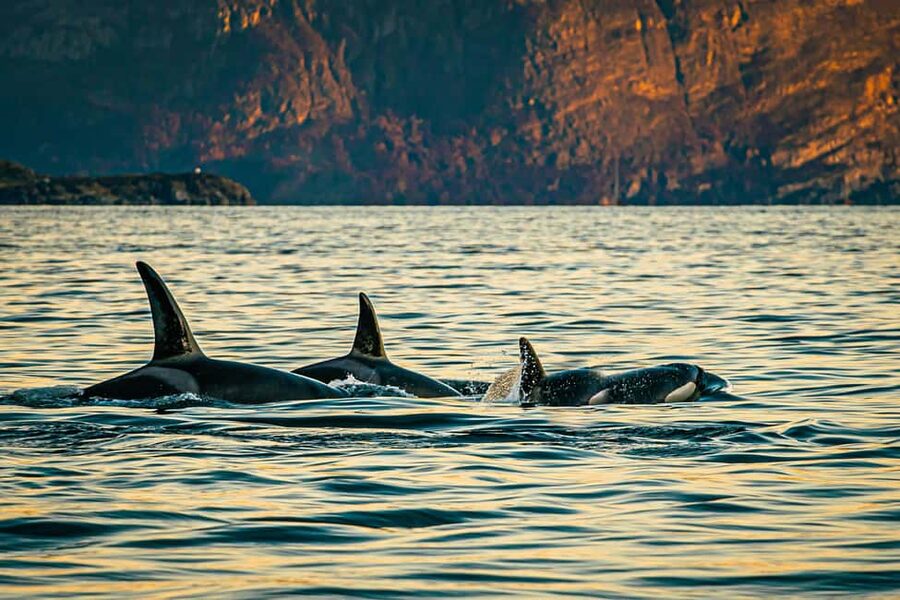
- Orcas often gather around feeding herring, with humpback whales and sometimes fin whales in the same area.
- Viktor is a local guide and boat driver praised for spotting whales, explaining behavior, and keeping a safe distance.
- The RIB carries up to 12 people plus the guide, giving everyone a place to look out over the water.
- The whale season runs from about mid-October through February, with early-season sightings sometimes requiring more searching.
- Warm outerwear, boots, hats, goggles, and life jackets are provided, but your own gloves and neck warmer are wise.
- You can reach Skjervøy from Tromsø by Arctic Route bus, if you arrange the transport separately.
Why Skjervøy is now a prime whale-watching base
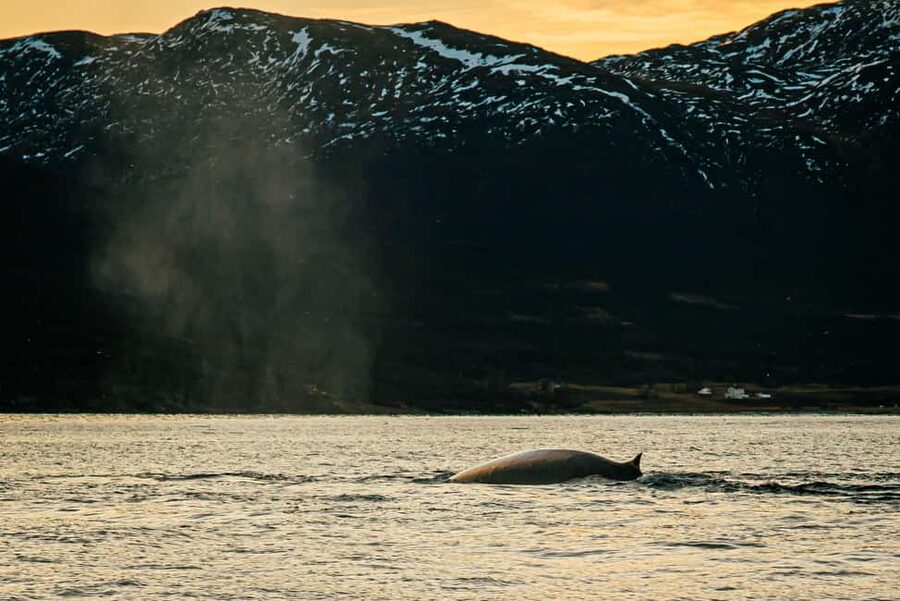
The waters around Skjervøy have become a major winter feeding area for whales following the herring. That food source is the reason orcas, humpbacks, and other whales gather here during the colder months.
This also explains why the trip begins in Skjervøy rather than Tromsø. From Tromsø, you need to add the long transfer to the island community. Once you are in Skjervøy, the actual whale safari lasts three hours, putting you much closer to the feeding grounds.
The setting is part of the reward. You are not simply looking at animals against empty sea. Snow-covered mountains, dark water, winter light, and scattered Arctic islands form the backdrop. On clear days, the views can be startlingly beautiful. On rough or cloudy days, the same setting feels raw and wild.
A practical point: whale watching is never a guaranteed wildlife performance. The boat crew can search, read the water, and use local knowledge, but whales move freely. The strong sighting reports are encouraging, yet you should book this for the full Arctic outing, not only for a checklist of species.
More Zodiac and RIB Whale Watching in Norway
- Bleik: Whale Watching by Speedboat with Puffins and Muffins
★ 4.7 · 326 reviews - Whale Watching RIB Safari at Skjervøy
★ 4.8 · 136 reviews - From Alta: Small Group Whale Watching by RIB
★ 4.9 · 28 reviews
Meeting at Strandveien 96
The meeting point is on the harbor side of Skjervøy, at Strandveien 96. Look for the backside of the old white building, downhill from the Extra grocery store. The coordinates are 70.02948760986328, 20.968090057373047.
That description matters because harbor meeting points can be confusing, especially in winter darkness. Give yourself enough time to find the building and the correct side of it. The operation provides a changing area, so you can get into the supplied equipment before walking to the boat.
If you are coming from Tromsø, Arctic Route runs daily bus service between Tromsø and Skjervøy. The bus ticket is separate from the whale trip, so check the schedules carefully before committing to a same-day plan. The whale activity itself begins and ends at Strandveien 96.
Getting ready for three hours on the water
Before departure, you receive a life jacket and warm outer clothing. The equipment package includes thermal suits, hats, boots, and goggles. The goggles are particularly useful because the RIB can throw spray into your face when the sea is choppy.
The clothing helps, but it does not replace sensible layering. Wear warm clothes underneath the suit, and bring gloves that keep your hands usable. One visitor found the supplied gloves less warm than expected and wished the instructions had been clearer about using a neck covering. My advice is straightforward: bring your own gloves and neck warmer if you have them.
The boat holds 12 people plus Viktor, according to the available details. That is a reasonably intimate group for a whale trip, and the seating allows everyone to see the water. Still, space on a RIB is limited compared with a heated cabin cruiser. You are choosing contact with the sea over indoor comfort.
The RIB is powerful and fast. That makes the journey exciting, but it also means you may bounce over waves and feel the wind. A guest described the ride as rough but fun, while another warned that spray can be heavy enough to threaten an unprotected camera. Put cameras and phones in a waterproof bag between sightings.
Leaving the harbor by RIB boat
Once everyone is dressed, the group boards and heads out from Skjervøy. The boat ride is part of the attraction, not just transportation to the whales. You get a direct sense of the cold, open Arctic water and the scale of the surrounding mountains.
A RIB gives the guide flexibility to cover ground while searching. That matters because the whales are not tied to one viewing point. In the early part of the season, the boat may need to travel back and forth before locating orcas. One October trip involved a longer search, followed by a large group of killer whales once the animals were found.
The tradeoff is comfort. A RIB has no heated cabin, and the ride can be lively. If you prefer a warm indoor seat, a heated boat may suit you better. If you want speed, fresh air, and a close connection to the water, this format makes sense.
Same sea, a different boat:
- Tromsø: Whale Watching Tour by Hybrid-Electric Boat
★ 4.5 · 4,217 reviews - Tromsø Whale Safari with MS Gabriele
★ 4.3 · 1,937 reviews - From Tromsø: All-Inclusive Whale & Orca Safari
★ 4.5 · 1,221 reviews - From Tromso: Whale Watching in Magic Skjervoy
★ 4.7 · 1,207 reviews
Watching orcas work together
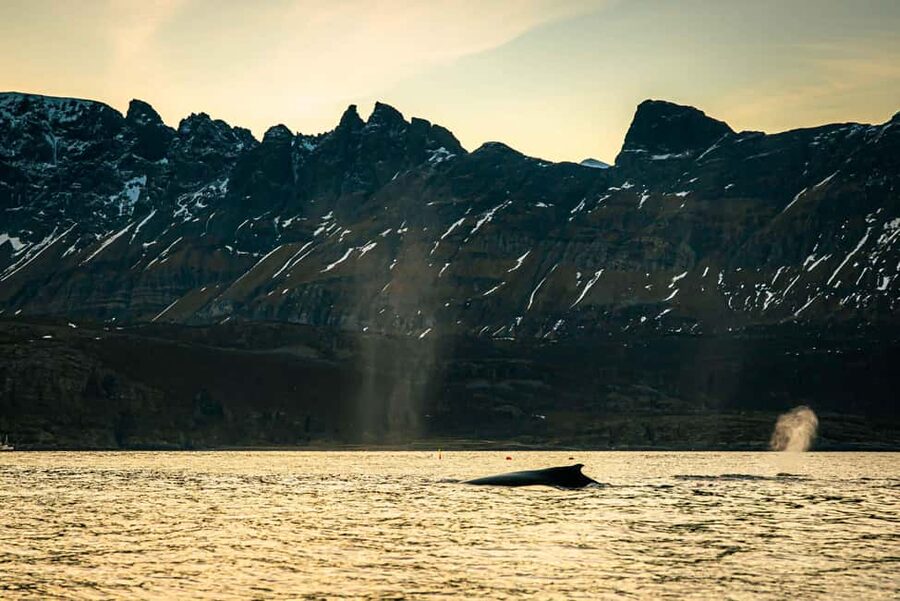
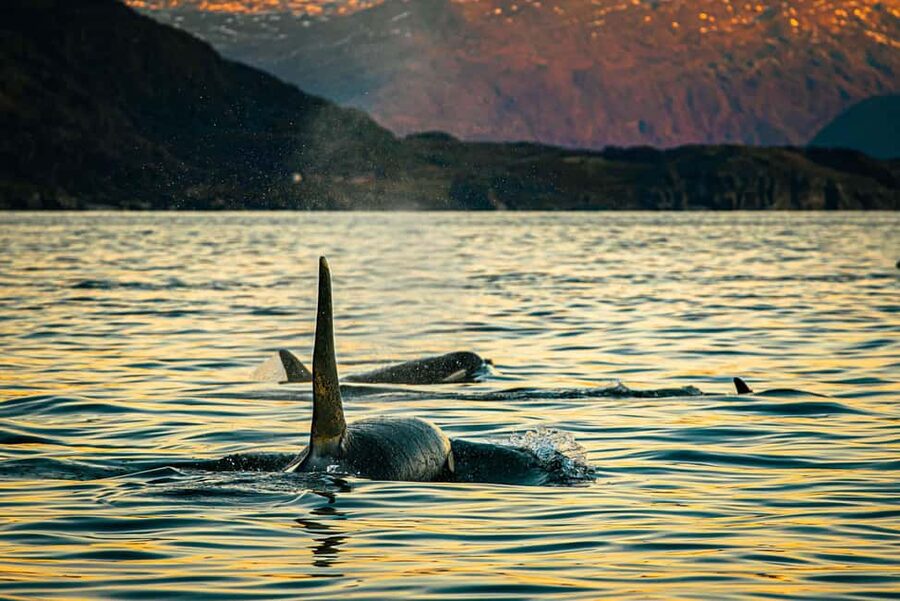
Killer whales are the stars of the trip. Their black bodies and white markings make them easy to identify, even when only part of the animal appears above the surface. They are social animals, and a feeding group can be far more interesting than a single distant fin.
The guide explains how orcas communicate with whistles and pulsing sounds. When the animals work together to catch herring, the scene becomes active and coordinated. Sightings have included groups of around 50 orcas, family groups approaching the boat, and animals feeding close enough for excellent views.
You should not expect the boat to chase or crowd them. Viktor has been praised for stopping at a respectful distance and allowing curious orcas to decide if they want to come closer. That approach is better for the animals and often produces a calmer, more memorable encounter.
There can be a great deal happening at once. Orcas may surface in groups, disappear, then reappear in another direction. Keep scanning the water and listen to the guide rather than fixing your attention on a single spot. A camera can help, but the best views may last only seconds.
Looking for humpback and fin whales
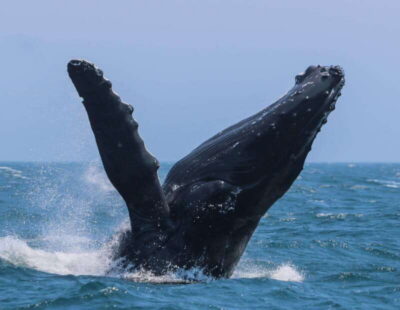
Humpback whales are often seen alone or in small groups. Their size is impressive, but their behavior can be surprisingly graceful. You may see a back roll, a blow, a tail fluke, or, with luck, a dramatic breach.
Each humpback has a distinct tail pattern. If you get a clear view of the fluke, you are seeing a natural identifier that can distinguish one whale from another. The guide also explains humpback songs and behavior, adding useful context to what might otherwise be a quick glimpse.
Fin whales have also appeared during the season. Seeing fin whales, humpbacks, and orcas in one outing is possible, though it is not something anyone can promise. One January trip had all three species in the area at the same time, which gives you an idea of the variety these waters can offer.
The guide’s skill matters here. Viktor is praised for spotting animals, adjusting the route, and knowing where to search. He is also described as recognizing some orcas by name. That local familiarity gives the trip a personal touch without turning it into a staged wildlife show.
The role of the local guide
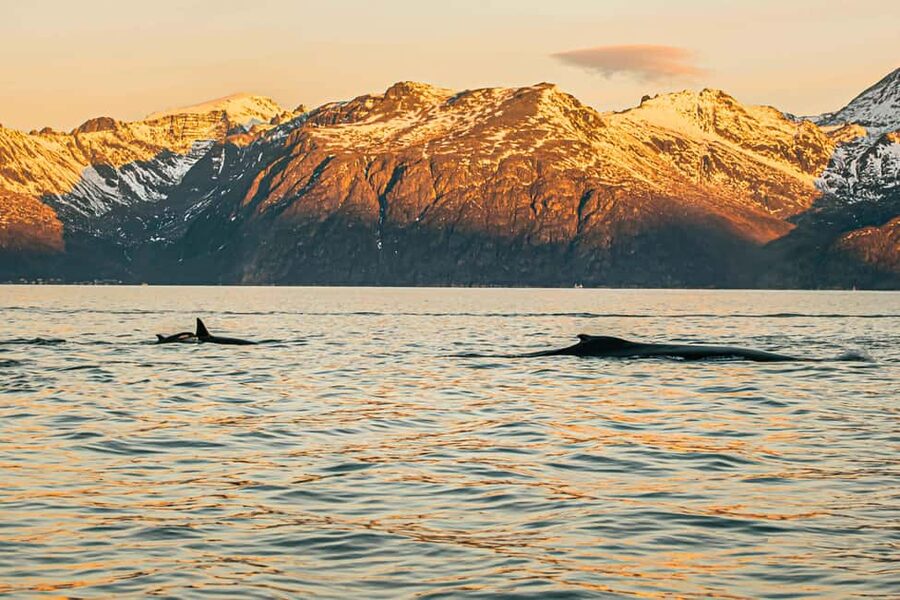
Viktor serves as both boat driver and guide. That combination is important on a RIB because driving safely, watching sea conditions, locating whales, and sharing information all happen at once.
He has been described as calm, welcoming, and attentive. The best reports focus not only on finding whales but also on his judgment. He keeps a safe distance, explains what you are seeing, and tries to respond to the group’s interests when time and conditions allow.
The RIB setup does limit how much formal commentary everyone can hear. Engine noise, wind, and distance between seats can make long explanations difficult. If detailed natural history lectures are your main priority, a larger boat with indoor seating may be easier.
Still, the guide’s practical commentary fits the setting. You learn about species, communication, feeding, and conservation while watching the animals in front of you. That is usually more useful than a long talk before departure.
Weather, sea conditions, and what to wear
Northern Norway in the whale season is cold by definition. The season runs from roughly the middle of October to February, when daylight is limited and the sea can be rough.
The supplied suits offer a strong layer of protection, but you can still feel the cold through gaps around the hands, neck, and face. Wear warm base layers. Bring gloves you trust, and use the neck covering offered by the operator or bring your own. Do not assume the thermal suit alone will keep every part of you comfortable.
The weather can change the character of the trip. On a calm day, you may focus on distant mountains and quiet whale blows. In poor weather, the ride can feel more adventurous, with spray and rolling waves. One group feared the trip might be canceled because conditions looked bad, yet the guide still found both orcas and humpbacks.
That is not a promise that every trip will run in every condition. It does show why a capable local boat driver is valuable. Conditions affect visibility, comfort, and safety, and the final decision belongs with the operator.
Is the three-hour trip good value?
No price is provided here, so I cannot judge the exact cost against competing tours. I can judge what you receive for the booking: three hours on the water, a local guide and boat driver, a small RIB, whale-searching time, and a full set of basic protective equipment.
The value is strongest if you want an active wildlife outing rather than a comfortable cruise. You are paying for access to the Skjervøy feeding area, the guide’s local knowledge, and the chance to see several whale species in one outing. The included boots, suit, hat, goggles, and life jacket also save you from buying or packing specialist outerwear.
The trip is less compelling if you are only in Skjervøy for a short time and cannot accept the possibility of a quiet wildlife day. It also may not suit anyone who dislikes cold, spray, or bumpy boat travel.
Several trips extended slightly when the orcas were putting on a show. That kind of flexibility adds value, though it should not be treated as a fixed part of the three-hour schedule. The stated duration remains three hours.
Free cancellation is available up to 24 hours before departure, and you can reserve now and pay later. Those terms are helpful when Arctic weather and transport connections make planning uncertain.
Who should book this RIB safari?
I would choose this trip if you want:
- A close-to-the-water wildlife experience
- A fast boat with a small group
- A chance to see feeding orcas and humpback whales
- Local guidance in English or Norwegian
- A winter activity that feels active rather than polished
Families with older children may enjoy it, especially if everyone is comfortable with cold and rough water. The boat ride itself is thrilling, but the operator does not provide an age recommendation in the available details, so check the current booking terms before reserving for young children.
Photographers should bring protection for their equipment. A waterproof bag is more useful than carrying an expensive camera openly in heavy spray. You will also need patience. Whales can surface on the far side of the boat, and the best image may come when you are not ready.
If you want warmth, quiet, and easy access for the full trip, compare this RIB with a heated cabin boat from Skjervøy. The RIB is the better choice for excitement and a more direct feel for the sea.
Practical booking details
The activity lasts three hours and returns to Strandveien 96. Departure times vary, so check availability for the date you want.
The guide speaks English and Norwegian. Warm outerwear, life jackets, hats, thermal boots, and goggles are supplied. Bring your own warm gloves, extra layers, and neck protection.
The season runs from mid-October through February. The exact whale activity changes during that period, and early-season trips may require more searching. If you are traveling from Tromsø, plan the Arctic Route bus connection separately and allow enough time for the Skjervøy meeting point.
Should you book the Skjervøy whale safari?
Yes, if your priority is a lively, well-equipped RIB outing with a strong chance of seeing orcas and humpback whales. The combination of local guide Viktor, a manageable group size, warm gear, and access to the herring-feeding grounds makes this a serious option for wildlife fans.
Book with realistic expectations. You are going into cold Arctic water, not entering a warm viewing lounge. Bring better gloves than you think you need, protect your camera, and accept that the guide may have to search.
For the best match, choose this trip if you want the sea spray, the speed, and the possibility of seeing killer whales work together in their natural setting. If comfort matters more than excitement, choose a heated boat instead.
FAQ
Where does the whale-watching trip start?
The trip starts at Strandveien 96 in Skjervøy. Meet at the backside of the old white building in the harbor, downhill from the Extra grocery store.
How long is the whale-watching activity?
The stated duration is three hours, including the RIB boat outing and return to Strandveien 96.
Which whales can I see?
The main species are killer whales, also called orcas, and humpback whales. Fin whales have also been seen during some trips.
When does the whale-watching season run?
The seasonal period runs from about the middle of October through February.
Is transportation from Tromsø included?
Transportation from Tromsø is not included in this activity. Arctic Route operates daily bus service between Tromsø and Skjervøy, and you can book that separately.
What clothing and safety equipment are provided?
The operator provides warm outerwear, life jackets, hats, thermal boots, and goggles.
Should I bring extra clothing?
Yes. Bring warm layers, gloves, and a neck covering. The supplied equipment helps with the cold, but the RIB is exposed to wind and spray.
What languages does the guide speak?
The live guide service is available in English and Norwegian.
Can I cancel the booking?
You can cancel up to 24 hours before the activity for a full refund. Reserve now and pay later is also available.
New whale trips around Norway
- Andenes: Responsible Whale Watching with Classic Catamaran★ 4.1 · 86 reviews
- Alta: 3.5 Hour Fjord & Whale Watching Cruise★ 4.4 · 8 reviews
- Whale Watching RIB Safari at Skjervøy★ 4.8 · 136 reviews
- From Alta: Whale and Seabird Cruise★ 4.6 · 136 reviews
- From Alta: Small Group Whale Watching by RIB★ 4.9 · 28 reviews
- Alta: Altafjord Whale Watching in a Heated Boat★ 5.0 · 80 reviews
- Alta: Alta Fjord Whale Watching Tour★ 4.7 · 26 reviews
- Bleik: Whale Watching by Speedboat with Puffins and Muffins★ 4.7 · 326 reviews
Zodiac and RIB Whale Watching, compared.
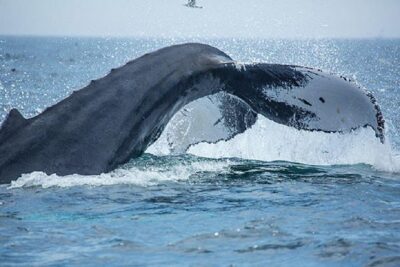
City Cruises Boston Whale Watching Cruise by High-Speed Boat
Read our review →
Tadoussac/Charlevoix: Whale Watching Zodiac Tour
Read our review →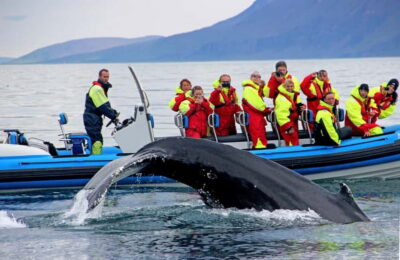
Original Big Whale Safari & Puffins by Speedboat
Read our review →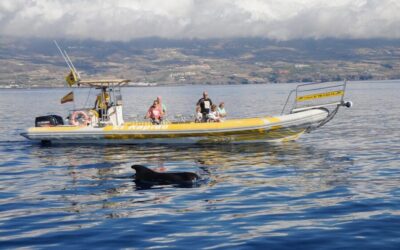
Dolphin and Whale Watching Cruise by Speedboat
Read our review →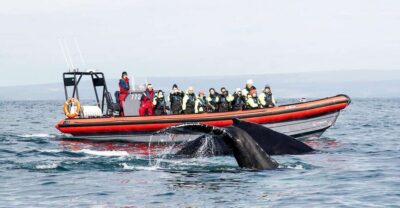
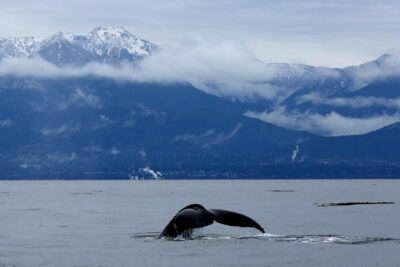
Browse the lists this tour appears in