
Review · ORCA WATCHING TOURS
Bremer Bay: Bremer Canyon Killer Whale Expedition
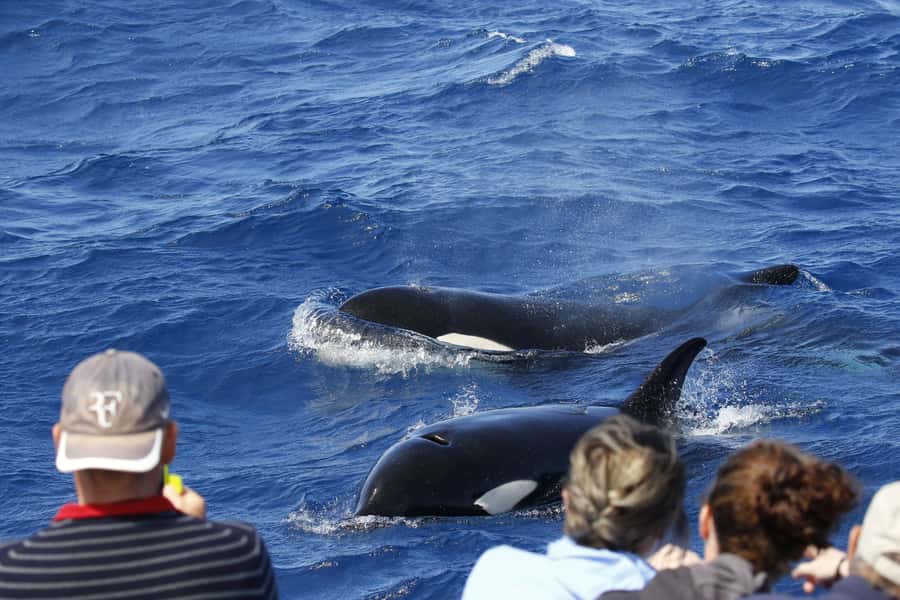
Bremer Bay is home to Australia’s most reliable wild killer whale encounter, and the experience is a serious day at sea rather than a quick sightseeing cruise. You spend about 1.5 hours reaching the offshore canyon, then may watch orcas hunt, travel, and slip alongside the boat in the open Southern Ocean.
I like the marine biologist’s live interpretation, which gives meaning to every breach, blow, and change of direction. I also like that the Alison Maree was built for these waters and that morning tea, lunch, afternoon tea, and hot and cold drinks are included. The catch is simple: rough seas can make the long day hard for anyone prone to motion sickness.
Key points before you book
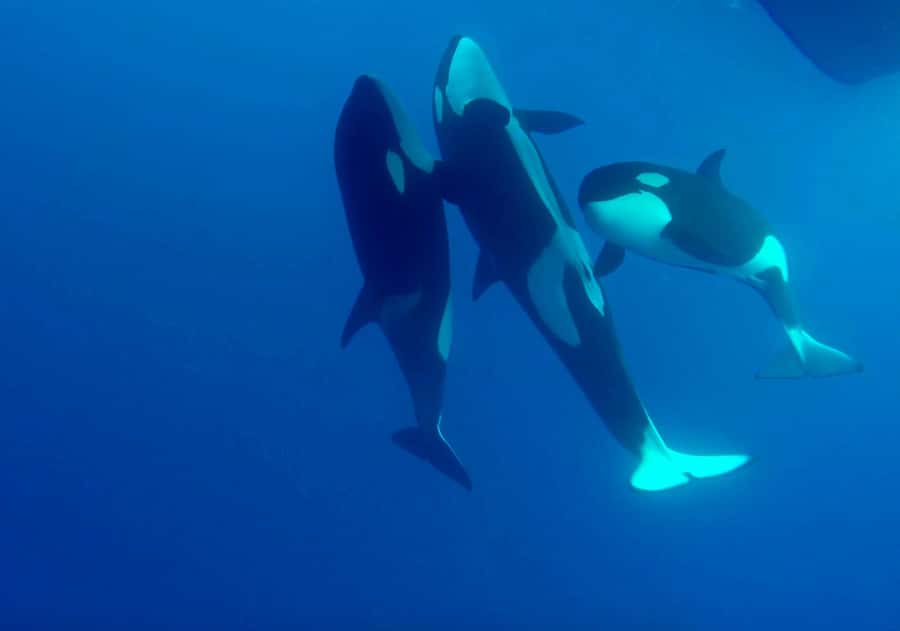
- Bremer Canyon is Australia’s key wild orca destination, with the best chance of seeing killer whales in their natural setting.
- The Alison Maree is designed for Southern Ocean conditions, but no boat can remove all motion on a long offshore trip.
- A marine biologist provides ongoing commentary, covering orca biology, hunting, and the other animals you may encounter.
- The day runs for about eight hours, with roughly 1 to 1.5 hours each way between the harbour and the canyon.
- Food, drinks, expedition photos, and a daily blog are included, adding useful value to the $282 price.
- Sea sickness preparation matters, even if you do not normally become unwell on boats.
Why Bremer Bay is the place for wild orcas
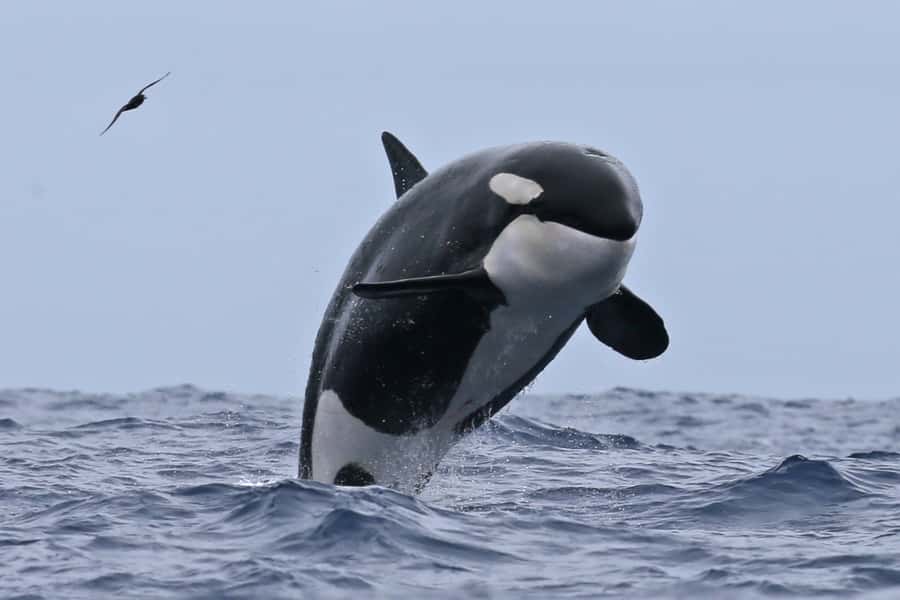
The main reason to choose this trip is the setting. You are not watching killer whales in a tank or waiting beside a coastal viewing platform. You are heading offshore to Bremer Canyon, the only place in Australia where you can reliably encounter orcas in the wild.
That distinction matters. Wild killer whales do not perform on cue. They may travel in pods, hunt, rest, approach the boat, or remain out of sight. The expedition team searches for them across a large marine area, so the day has a genuine sense of discovery.
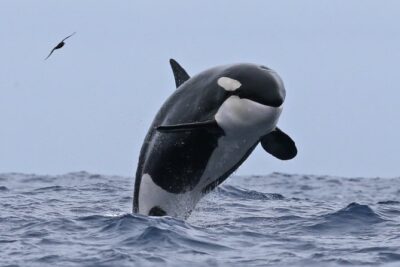
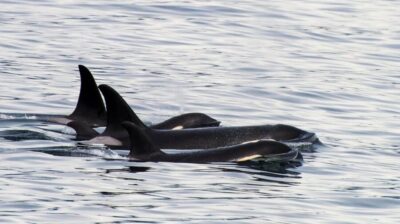
The best encounters can last for hours. On strong days, you might see several pods repeatedly, with animals surfacing near the boat or passing underneath it. Orcas have also been seen chasing prey and carrying out predations, although those events are rare and never guaranteed.
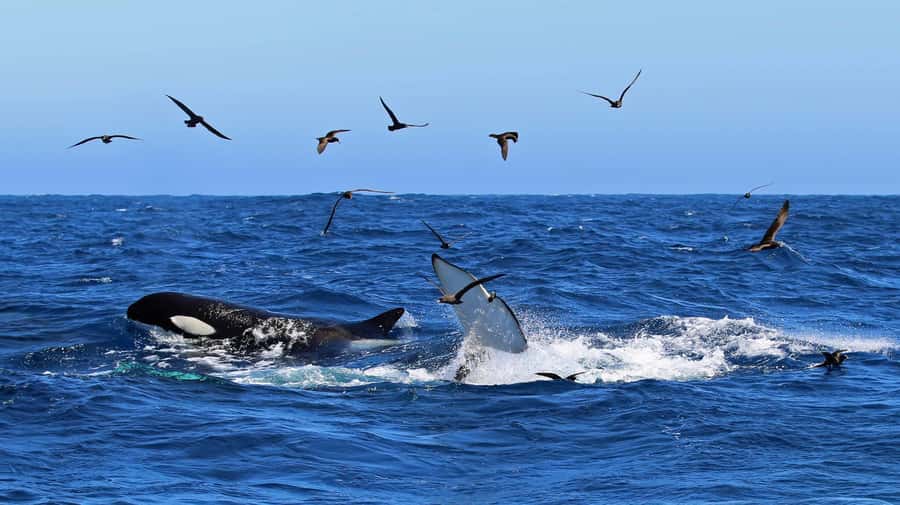
You may also see pilot whales, sperm whales, dolphins, seals, sea lions, sharks, and pelagic birds. A blue whale has been seen on one outing, and a bronze whaler shark has appeared on another. Still, keep your expectations focused: the orcas are the central attraction, and other wildlife is a welcome extra.
More Orca Watching Tours in Australia:
- Bremer Canyon Killer Whale (Orca) Expedition
★ 5.0 · 215 reviews - Bremer Canyon Orca Experience from Bremer Bay
★ 4.6 · 35 reviews - From Tromsø: All-Inclusive Whale & Orca Safari
★ 4.5 · 1,221 reviews
Starting at Bremer Bay boat harbour
Your day begins at Bremer Bay boat harbour. Hotel pickup is not included, so you need to arrange your own way to the departure point and allow time to be ready before boarding.
The crew begins with a safety briefing. This is not a formality to ignore. You will be spending most of the day offshore, and the Southern Ocean can change quickly. Listen carefully to instructions about moving around the vessel, where to stand, and how to manage yourself on a moving deck.
The boat is the Alison Maree, built specifically for the conditions around the Southern Ocean. That gives you a more suitable platform than a small general-purpose sightseeing boat, though it does not make the ride smooth in every weather pattern.
Wear warm clothing and comfortable shoes. Waterproof layers are a smart choice, and you should be prepared to spend time outside for the best views. You cannot swim or snorkel during this experience, so this is strictly a wildlife-watching trip.
The onboard presentation sets up the day
Before or during the outward run, you receive a multimedia presentation about killer whale biology and ecology. The onboard marine biologist also explains the other animals you may meet.
This preparation improves the experience. Without context, a distant black fin can be exciting but brief. With an explanation of pod behaviour, hunting methods, and identifying features, you have a better chance of understanding what you are seeing.
The crew’s role continues throughout the expedition. You can ask questions, and the marine biologist helps explain changes in animal behaviour. Previous outings have included talks about how orcas hunt, what they are doing at the surface, and how different species fit into the wider marine setting.
One practical point: sound can be an issue when the boat is busy or the sea is rough. A past passenger suggested that a microphone would help everyone hear the commentary. If you have difficulty hearing in noisy conditions, stay near the speaking area when possible.
The 1.5-hour run to Bremer Canyon
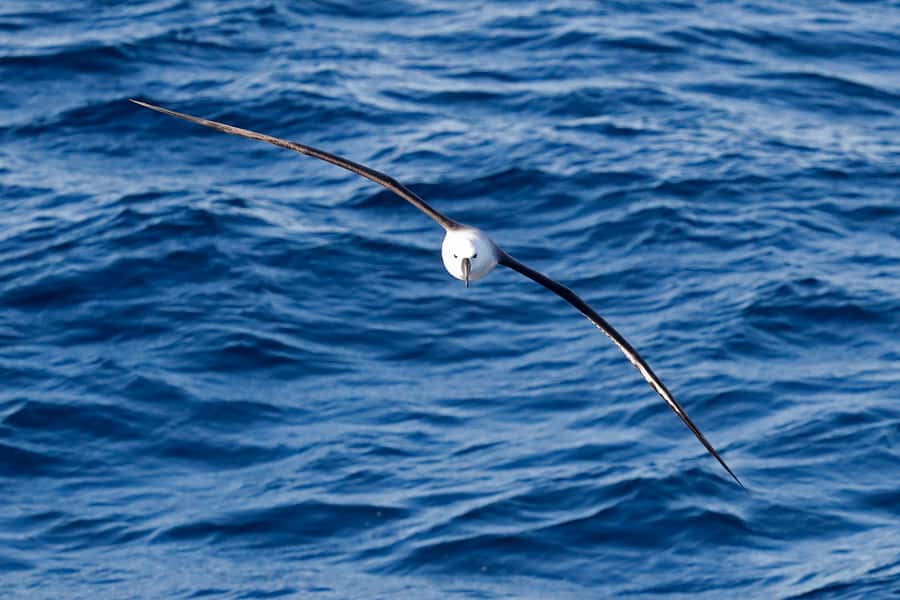
The trip to the canyon takes about 1 to 1.5 hours, depending on sea state and weather. This is the part of the day many people underestimate. You are not reaching the wildlife zone within minutes, and the return journey takes similar time.
The crossing gives you a chance to settle into the boat, but it can also be the roughest part of the expedition. Several people have found the motion difficult, even on days that felt mild to experienced boat users. Take sea sickness tablets before boarding as advised, rather than waiting until you feel unwell.
A plain, light breakfast can help. Warm layers matter too, since feeling cold can make a rough crossing harder. If you are prone to motion sickness, sit where you can see the horizon and spend time outside if conditions allow. The crew provides care and assistance, but prevention is much easier than recovery once symptoms begin.
This is also where the included food and drinks help. Morning tea, lunch, afternoon tea, and unlimited hot and cold beverages are provided. You do not need to pack a full day of food, though you may still want personal medication and any snacks that suit your stomach.
More whale watching around Australia worth comparing
- Sydney: Whale Watching Adventure Cruise
★ 4.2 · 1,790 reviews - Brisbane Whale Watching Cruise from Redcliffe or Sunshine Coast
★ 5.0 · 997 reviews - Freedom 3/4 Day Hervey Bay Premium Whale Watching Cruise
★ 5.0 · 919 reviews - Whale Watching Tour with Spirit of Gold Coast
★ 4.5 · 884 reviews
Watching orcas in their natural habitat
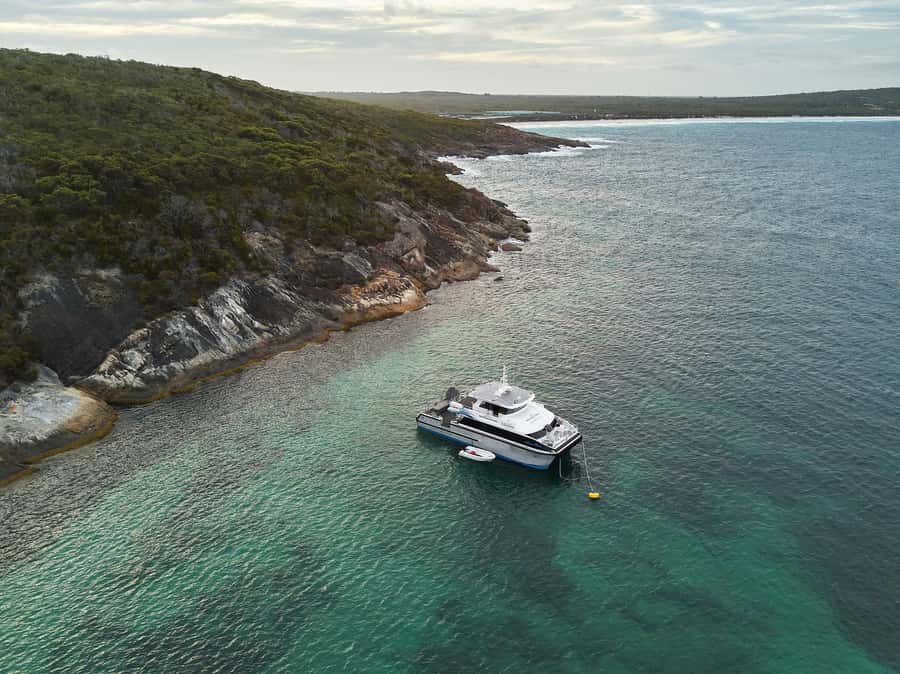
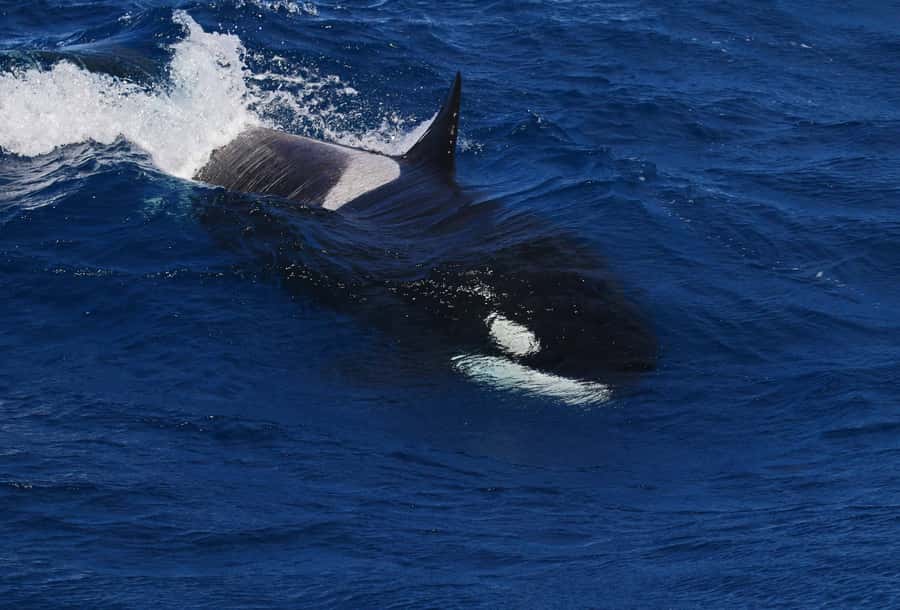
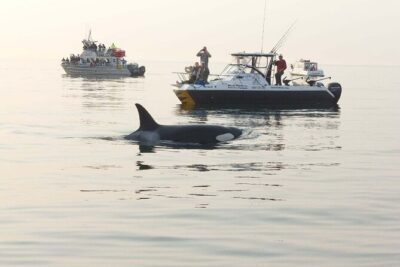
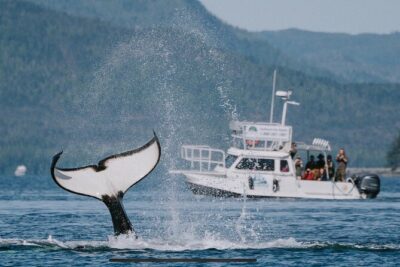
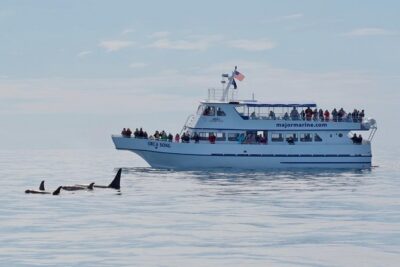
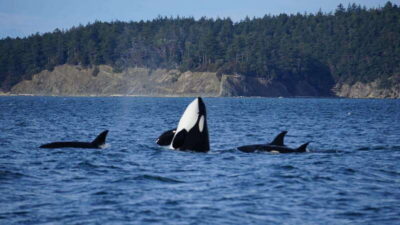
Once you reach the canyon, the rhythm of the day changes. The crew searches for signs of wildlife and adjusts the boat’s position to give you useful viewing opportunities. You may see a single animal, a family group, or several pods spread across the water.
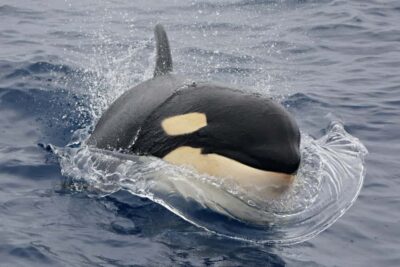
The strongest encounters are not just about distance. Orcas may surface alongside the Alison Maree, swim under the boat, or follow in the wake as the vessel leaves an area. One outing included younger orcas repeatedly passing beneath the boat, creating a lively scramble as people moved from one side to the other.
You should expect the crew to make the most of the available time. On some days, the boat remains in the canyon for around five hours, especially when pods are active and conditions permit. The crew may also shift to new areas to find more orcas or stay longer when another species appears on the return route.
Still, wildlife viewing is never fully predictable. One outing produced a great variety of animals but mostly orcas, while another included sperm whales and dolphins later in the day. The value here comes from seeing wild behaviour, not ticking off every species.
The boat may bring you close, but the experience remains controlled wildlife viewing. You are not entering the water, feeding animals, or trying to make them perform. That makes the encounter feel more natural and keeps the focus on watching what the orcas choose to do.
Beyond orcas: sperm whales, dolphins, and birds
The supporting cast can be excellent. Common dolphins may appear during the run to the canyon, while pilot whales and sperm whales have been seen during the main outing or on the journey back.
Sperm whales are especially useful for showing how varied this marine area can be. One crew chose to spend extra time with them on the return journey, giving everyone a chance to watch an animal that was not the main reason for booking.
You may also spot seals, sea lions, sharks, and albatross. Pelagic birds add another layer to the day, particularly for anyone interested in life beyond the surface. A bronze whaler shark has been seen, and a blue whale appeared on one particularly productive outing.
These sightings are not guaranteed, so avoid treating the trip as a fixed checklist. The crew searches for wildlife across the day, but weather, animal movements, and sea conditions determine what you actually see.
Food, comfort, and the long hours onboard
Eight hours is a long time on any boat. It is also long enough for comfort and service to affect your overall experience.
The Alison Maree provides morning tea, lunch, afternoon tea, and hot and cold drinks. That is a real benefit at this price, since you are not paying for an offshore wildlife trip and then buying every drink separately. Soft drinks are available, along with hot beverages.
The crew is attentive during the day, helping with food, drinks, questions, and sea sickness. Their care becomes especially important when conditions turn rough. A calm sea can make the boat feel spacious and relaxed, while a rolling day may leave some passengers spending much of the trip managing their stomach.
Bring warm clothing even if the forecast looks mild. Wear shoes that give you a secure footing, and use waterproof layers if you have them. You should also bring any motion sickness treatment you normally use. This is not the place to discover that you need it after the boat has left harbour.
What the $282 price really covers
At $282 per person, this is a costly wildlife outing, but it covers much more than a short boat ride. You receive an eight-hour expedition, marine biologist interpretation, meals, drinks, and a purpose-built vessel for Southern Ocean conditions.
You also receive photos and a daily blog by email after the expedition. That is helpful because it lets you stay present during the sightings instead of trying to photograph every surface.
The price makes the most sense if seeing wild orcas is a major reason for your trip to Western Australia. You are paying for access to a rare location, a full day of searching, a specialist crew, catering, and the chance to see behaviour that cannot be recreated in a standard wildlife park.
It is less appealing if you want a quick, gentle cruise or a guaranteed list of species. The trip can be rough, the crossing is long, and the orcas are wild animals. You need to accept those limits before booking.
The reserve-now-and-pay-later option gives you some flexibility, and cancellation is free up to 24 hours before departure. Those terms are useful when your wider Bremer Bay plans depend on weather or changing travel arrangements.
Who will enjoy this expedition most
I would choose this trip if you are fascinated by marine biology, wildlife photography, or animal behaviour. It also suits anyone who considers seeing orcas in the wild a major travel goal and is willing to spend a full day offshore to do it.
Families should note that children under 10 are not accepted. The trip is also not suitable for pregnant women or wheelchair users.
You do not need to be an expert in whales. The marine biologist explains what you are seeing, and the crew answers questions throughout the day. Curiosity matters more than prior knowledge.
I would be cautious if you are highly sensitive to motion sickness, have trouble standing or moving on a boat, or want a relaxed coastal cruise. Tablets are strongly recommended, and even people who rarely feel sick have taken them as a precaution.
Practical tips for a better day
- Take sea sickness medication before boarding, following the product instructions.
- Eat a light breakfast rather than a heavy meal.
- Wear warm, waterproof layers and comfortable shoes.
- Bring personal medication and any small items you need for eight hours away from shore.
- Listen closely to the safety briefing, especially the advice about moving around the vessel.
- Keep your camera ready, but watch with your own eyes too.
- Do not assume the sea will be calm because the weather looks pleasant at the harbour.
- Plan extra time in Bremer Bay around the expedition, since the trip occupies most of the day.
Should you book the Bremer Bay orca expedition?
Book it if you want one of Australia’s rarest wildlife encounters and can handle a long day on open water. The chance to watch killer whales hunt, travel, and approach the Alison Maree in their own environment is the main reason to come.
The strongest parts are the skilled crew, marine biologist commentary, generous catering, and the amount of time available in the canyon. The main drawback is the Southern Ocean itself. Rough conditions and sea sickness can affect the day, even when the wildlife is excellent.
For me, the decision comes down to priorities. If you want wild orcas and accept that nature sets the schedule, the $282 price is reasonable for eight hours of boat time, food, interpretation, and a specialist search. If you want guaranteed calm water or a short sightseeing trip, choose something closer to shore instead.
FAQ
Where does the expedition start?
The tour starts at Bremer Bay boat harbour in Western Australia. Hotel pickup and drop-off are not included.
How long does the expedition last?
The full expedition takes approximately eight hours. The journey to the Bremer Canyon takes about 1 to 1.5 hours, depending on sea conditions and weather.
What wildlife might I see?
You may see killer whales, sperm whales, pilot whales, dolphins, sharks, seals, sea lions, and pelagic birds. Sightings depend on the animals and conditions on the day.
Is seeing orcas guaranteed?
No wildlife encounter can be guaranteed. Bremer Canyon is the only location in Australia where killer whales can be reliably encountered in the wild, but the animals remain free to move elsewhere.
Is food included?
Yes. Morning tea, lunch, afternoon tea, and unlimited hot and cold beverages are included.
What should I bring?
Bring comfortable shoes, warm clothing, and motion sickness prevention. Waterproof layers are also useful for an offshore day.
Is the expedition suitable for children and wheelchair users?
The experience is not suitable for children under 10, pregnant women, or wheelchair users.
New whale trips around Australia
- Broome Sunset & Whale Watching Cruise★ 5.0 · 2 reviews
- Bremer Canyon Orca Experience from Bremer Bay★ 4.6 · 35 reviews
- Augusta: Whale Watching Tour★ 4.5 · 9 reviews
- Albany’s Whale Story★ 5.0 · 4 reviews
- Philip Island: Dolphin and Whale Cruise★ 4.4 · 48 reviews
- Moreton Island: Tangalooma Whale Watching & Dolphin Feeding★ 4.7 · 57 reviews
- Port Stephens 3 Hour Whale and Dolphin Watch Cruise★ 5.0 · 53 reviews
- Nelson Bay: Whale and Dolphin Watching Catamaran Cruise★ 4.6 · 47 reviews
Orca Watching Tours, compared.
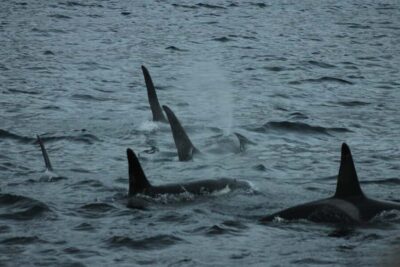
Anacortes: Orca Whales Guaranteed Boat Tour near Seattle
Read our review →Browse the lists this tour appears in