
Review · SAN JOSE DEL CABO WHALE WATCHING TOURS
San José del Cabo: Whale Watching Experience
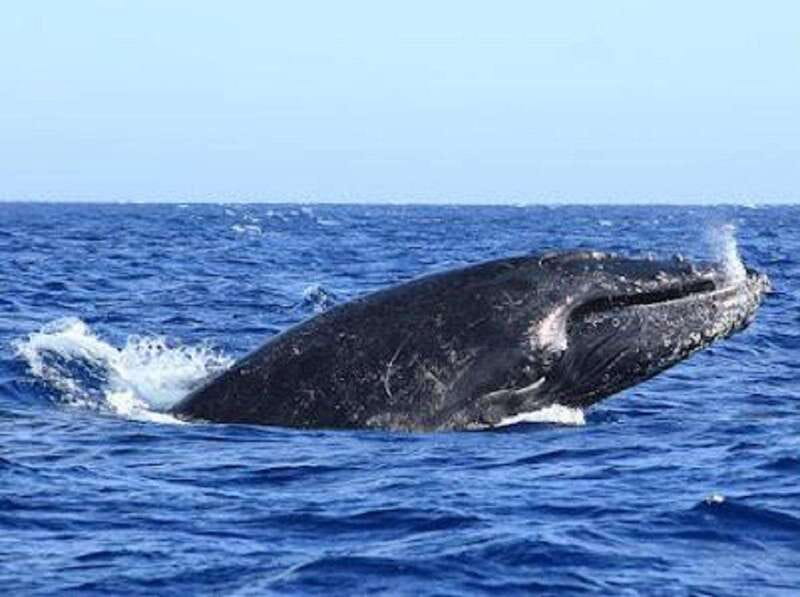
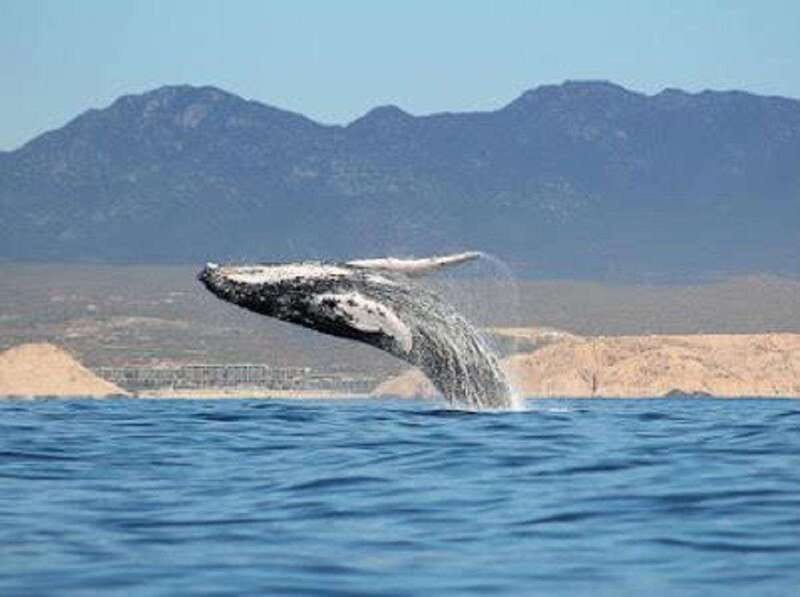
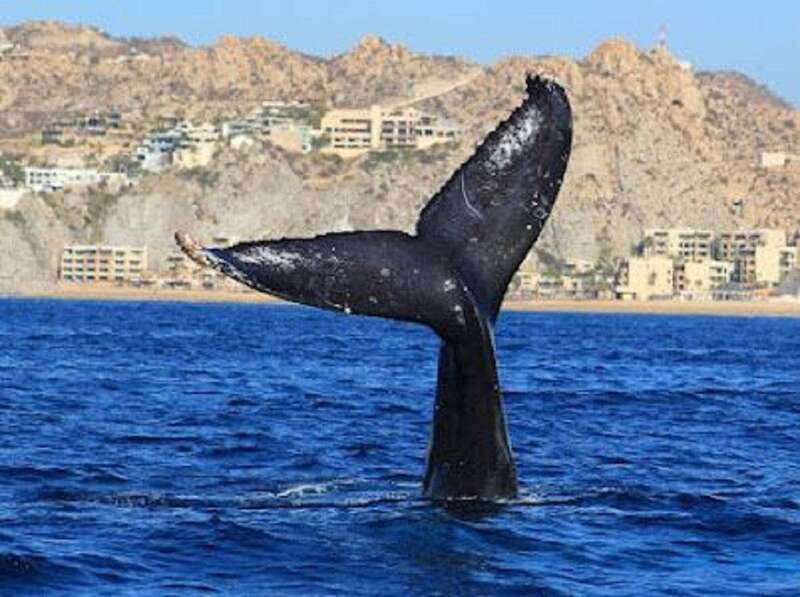
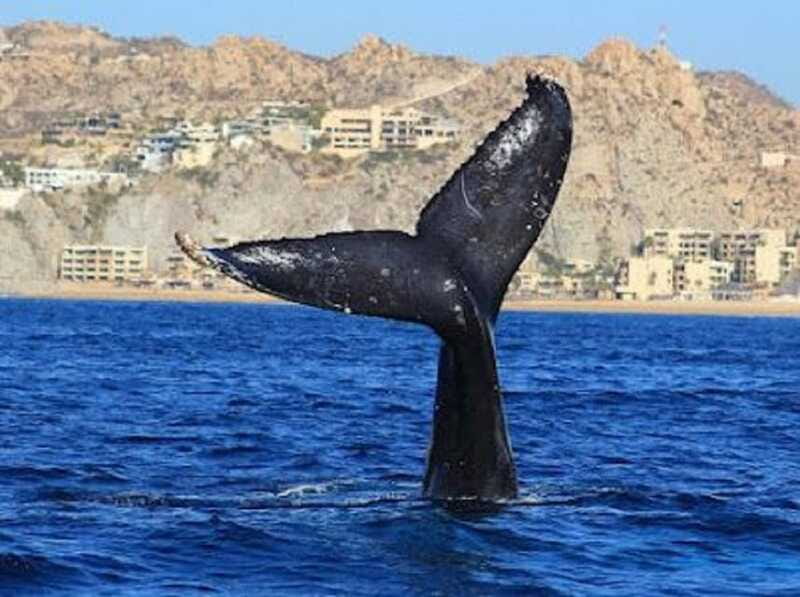
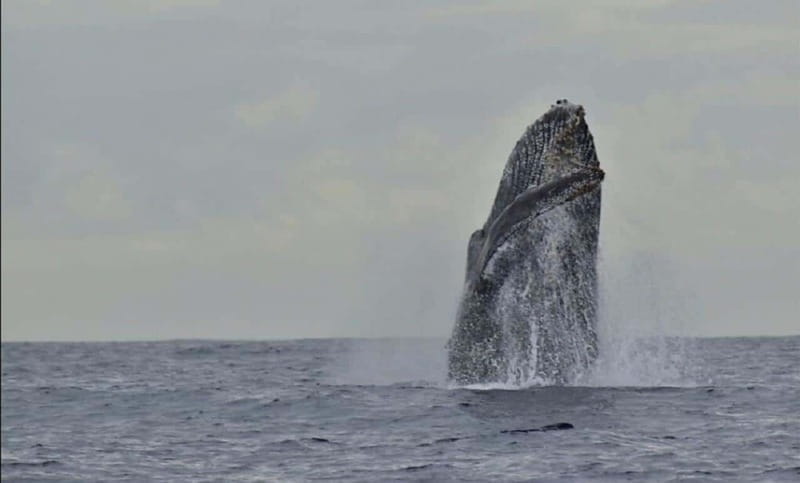
Humpback whales are the stars here, and they can make a quiet Pacific morning suddenly feel enormous. From December through April, you may watch a whale breach, lift its tail, or glide close to the surface while its blow echoes across the water.
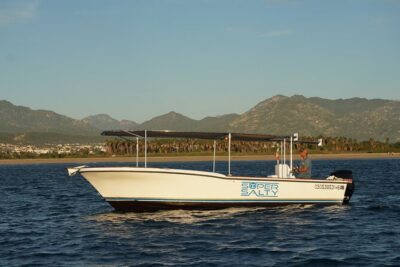
I like the small-boat setting, which gives you a better chance to see the action without sitting in a large crowd. I also like the crew’s practical approach, with guides such as Marina, Bernardo, and Jimmy explaining whale behavior while keeping a respectful distance. The main drawback is simple: whales are wild animals, so sightings and close encounters cannot be promised, and the open water can feel chilly or rough.
Key points to know before you book
- Two hours on the water: The trip is short enough to fit into a busy Cabo itinerary, but long enough for patient whale watching.
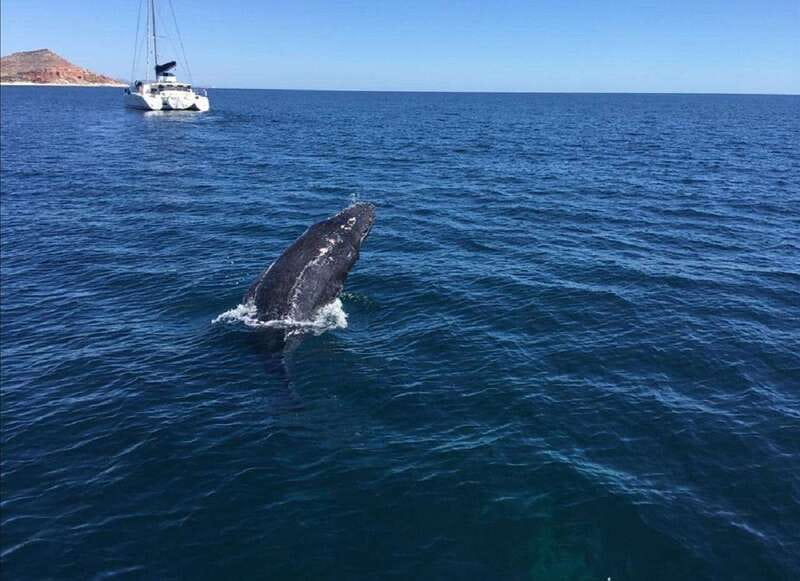
- Humpbacks from December to April: This is the seasonal window for seeing them in the warm waters of Baja California Sur.
- Small groups and private trips: A smaller boat can feel more personal and gives you a better view than a crowded vessel.
- Mother-calf behavior: With luck, you may see a mother guiding her calf through the water.
- Snacks and drinks included: The $110 price covers the boat, guide, bilingual captain, snacks, and drinks.
- Bring warm layers: Even on a sunny day, the breeze can make the ride feel cool.
Meeting the boat at Open Water Expeditions
Your outing begins at Open Water Expeditions in San José del Cabo, where you meet the crew and board the whale-watching boat. Hotel pickup and drop-off are not included, so you need to arrange your own way to the meeting point.
That detail matters more than it may seem. If you are staying elsewhere in the Los Cabos area, allow extra time to reach San José del Cabo. The tour returns to the same Open Water Expeditions location after the two-hour outing, making the plan straightforward once you arrive.
The company offers private and small-group departures. I would choose the smallest available group if whale watching is a major part of your trip. You will have more room to shift your view from one side of the boat to the other, and it is easier to hear the guide when something happens quickly.
The captain speaks English and Spanish, and the live guide service is available in both languages. That is useful on a boat, where a quick explanation about a whale’s movement can add much more than a simple sighting.
More whale watching around San Jose Del Cabo worth comparing
- Luxury Catamaran Whale Watching Cabo San Lucas
★ 5.0 · 2,107 reviews - Whale Watching Group Tour in San Jose del Cabo
★ 5.0 · 243 reviews - Whale Watching in Cabo San Lucas: Sightseeing Cruise and Shopping
★ 5.0 · 185 reviews
Why winter and spring are the right time
Humpback whales visit Baja California Sur from December through April. They migrate to these warmer waters, making this the season when you have a reasonable chance of seeing them near San José del Cabo.
The timing also shapes the feel of the trip. In January and February, you may encounter active adults and mothers with young calves. By April, the season is nearing its end, but whales can still be present. The exact number of sightings varies from day to day, so you should treat the trip as a wildlife outing, not a scheduled performance.
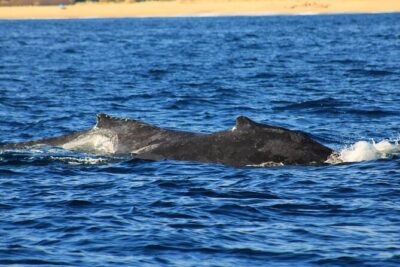
That is part of the appeal. A whale may surface once and disappear for several minutes, or it may remain near the boat long enough for repeated views. You may hear a blow before you see the animal, then catch a dark back sliding through the water.
The crew’s job is to help you read those clues. They can explain why the whales migrate, how they behave near the surface, and what makes each species distinctive. You are not just waiting for a large animal to appear. You are learning what to watch for.
Two hours of whale watching, step by step
Once the boat leaves the meeting point, the crew guides you toward areas where whales may be active. The exact route depends on conditions and whale movement, so the trip is not a fixed sightseeing circuit with a list of guaranteed stops.
The first part may be spent scanning the water. Keep your camera ready, but do not stare only through its screen. A whale can appear just beyond the frame, and the most memorable moment may be the sound of its blow or the sudden rise of its tail.
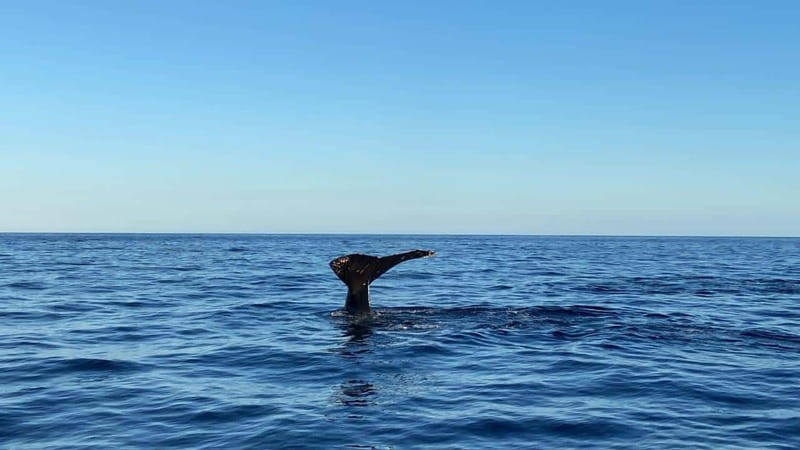
As the boat moves through the area, the guide points out signs of activity. A blow can reveal a whale’s position. A back at the surface may be followed by a tail raise, and a sudden burst of movement can signal a breach. These moments are brief, so listening closely to the crew is worthwhile.
A breach is the dramatic possibility, but it is not the only rewarding sight. Watching a humpback glide near the surface can be just as impressive. You get a sense of the animal’s size, power, and calm rhythm without needing an acrobatic display.
The boat keeps a respectful distance and avoids disrupting the whales’ natural behavior. That is good for the animals and better for the experience. You want to see a mother and calf moving normally, not being pushed into repeated activity by boats.
The special chance to see a mother and calf
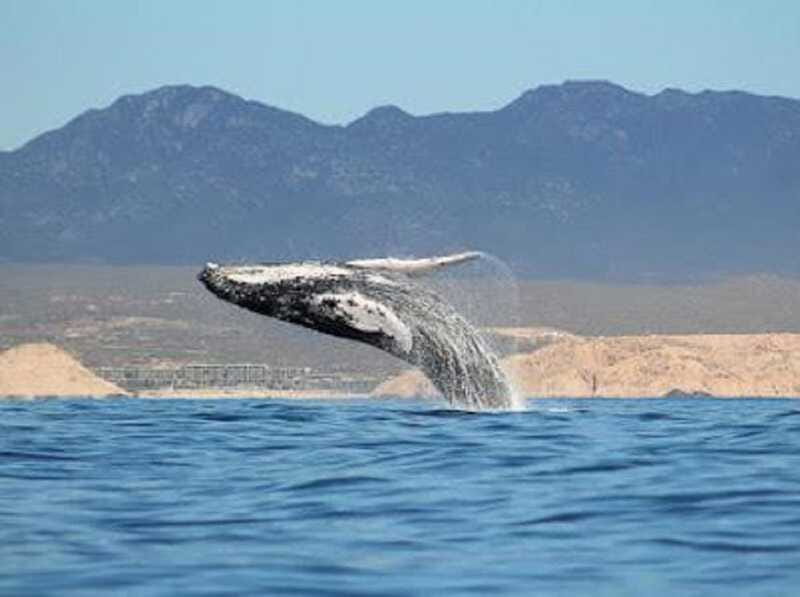
One of the most meaningful possibilities is seeing a mother whale with her calf. The young whale may stay near its mother while learning how to move through the ocean, and the crew may explain how the pair navigates the water together.
This is where the guide adds real value. A quick view of two whales can become a lesson in family behavior, movement, and survival. You may see the calf surface beside its mother, follow her path, or practice the motions needed to travel efficiently.
Several outings have included mother-calf pairs, and the sightings have sometimes involved multiple pairs. Still, you should not book this expecting a particular family group. Wildlife changes its position constantly, and no responsible operator can guarantee that a mother and calf will appear.
Bring binoculars if you have them. They are listed among the suggested items and can help when a whale surfaces at a distance. A camera is useful too, though patience often produces better memories than trying to capture every movement.
Same sea, a different boat:
- Private Whale Watching in San José del Cabo
★ 5.0 · 102 reviews - San Jose del Cabo Small-Group Sunrise Whale Watching
★ 5.0 · 46 reviews - Sunset Whale Watching in San Jose del Cabo
★ 5.0 · 36 reviews - Whale Watching Warranty in San José del Cabo Snacks and drinks
★ 5.0 · 34 reviews
What the small boat changes
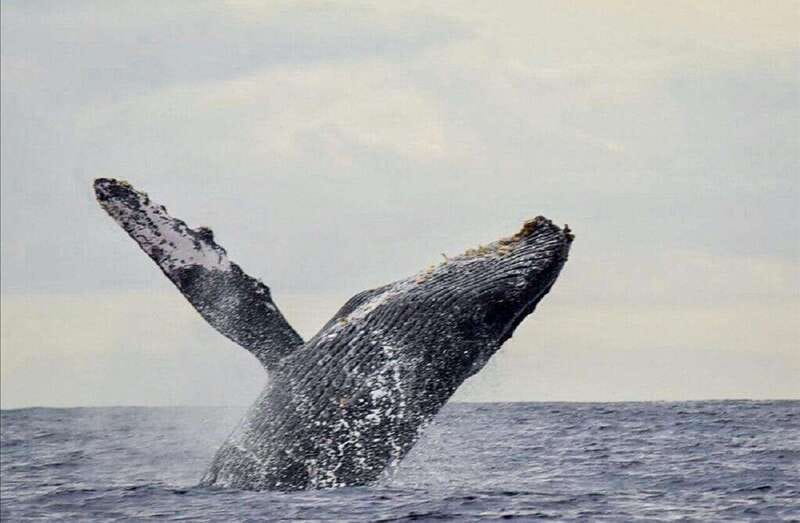
The small craft is one of the strongest reasons to consider this tour. A smaller group usually means less visual clutter and a more direct connection with the captain and guide. You can ask questions, hear explanations, and respond quickly when a whale surfaces.
The tradeoff is comfort. A small boat may move more noticeably than a larger vessel, especially if the water is choppy. The tour is not recommended for people prone to seasickness, and anyone with back problems should take the boat’s motion seriously.
Pregnant women are also listed among those who should not take this activity. If you are unsure about your suitability for a small-boat outing, ask a medical professional before booking.
The crew does provide snacks and drinks, which is a welcome touch during the two hours. The outing has a relaxed social feel, and one booking even highlighted the enjoyment of a cold beer on the boat. Do not mistake that easygoing mood for a party cruise, though. The focus remains whale watching and learning about the animals.
Is $110 a fair price?
At $110 per person, this is not the cheapest way to spend two hours in Cabo. The value depends on what you want from the outing.
The price includes the boat ride, a guide focused on whale behavior, a bilingual captain, snacks, and drinks. You are also paying for a small-group format and a crew that actively searches for whales rather than simply taking you out for a general cruise.
That can be worthwhile if you care about the quality of the encounter. A short trip with a smaller group may suit you better than a longer ride on a crowded boat where the guide is harder to hear.
There is still a risk. One outing had no whales, although the company offered a free return trip the next day, which led to a much better experience. That is an important point when judging the price. Even with skilled crew members, nature can refuse to cooperate.
I would consider the $110 reasonable if whale watching is a highlight of your Baja visit and you value expert commentary, drinks, and a small boat. If you need a guaranteed sighting, no whale tour can provide that certainty.
What the crew adds to the experience
The human side of this trip receives strong praise. Marina and Bernardo have been singled out for their information, friendly manner, and ability to keep the outing engaging while several pairs of mother and baby whales were in view.
Jimmy has also been credited with making a return trip especially rewarding after an earlier outing produced no sightings. Those names matter because a whale tour depends on more than the boat. The crew needs to spot activity, explain what you are seeing, and keep everyone patient during quiet stretches.
You will hear about migration, feeding and surface behavior, and the traits that help identify the whales. The guide may also help you distinguish a tail raise from a simple surface movement or explain why a whale disappears after a blow.
The best guides do not fill every quiet moment with chatter. They give you enough information to understand the scene, then let you listen to the water and watch. That balance is especially useful on a two-hour tour.
How to dress and what to pack
Warm clothing is the most important advice. San José del Cabo may feel sunny and mild on land, but the boat’s speed and the ocean breeze can make the ride chilly.
I would wear layers so you can adjust as conditions change. Bring sunscreen even if the air feels cool, since the sun can be strong on open water. A camera and binoculars are also recommended.
Keep your camera secure and ready, but do not let photography take over. A whale breach can last only a moment, and you may enjoy the sight more if you first watch it directly.
Snacks and drinks are included, so you do not need to plan the outing around carrying a full meal. The tour lasts two hours, which makes it manageable for most schedules, but you should leave enough time before and after for getting to the meeting point.
Who will enjoy this tour most
I would recommend this experience to you if you want a focused wildlife outing rather than a general boat ride. It suits people who enjoy learning about animal behavior and who can accept that the best sightings depend on luck, timing, and patience.
Families may appreciate the excitement of breaches and tail raises, though the boat motion and the no-seasickness warning deserve careful thought. Couples and small groups will likely enjoy the more personal atmosphere, especially if they choose a private departure.
Photographers should bring equipment, but they should not expect every whale to pose near the boat. The tour is better for capturing spontaneous moments than for producing a predictable set of close-up images.
You may want to skip it if you are uncomfortable on small boats, have serious back concerns, are pregnant, or tend to feel seasick. You should also think twice if your schedule is so tight that a possible return visit would be impossible after a day with poor sightings.
Should you book the San José del Cabo whale watch?
Book it if you want a small-boat experience with a strong chance of seeing humpbacks during the December to April season, and if you value a crew that explains what is happening rather than simply pointing at whales.
The best reasons to choose it are the personal group size, the bilingual crew, the included snacks and drinks, and the chance to see natural behavior such as mother-calf movement. Marina, Bernardo, and Jimmy have each helped make the experience memorable for past groups.
I would not book it expecting guaranteed breaches or a whale beside the boat every minute. Go prepared for quiet stretches, changing conditions, and the possibility that you may need to try again. If you can accept that uncertainty, $110 buys a well-focused two-hour encounter with one of Baja’s most impressive wild animals.
FAQ
When is whale-watching season in San José del Cabo?
The whale-watching season runs from December through April.
How long does the whale-watching tour last?
The tour lasts two hours, including the boat ride and guided whale watching.
What is included in the price?
The $110 price includes the boat tour, an expert guide on whale behavior, a bilingual captain, snacks, and drinks.
Is hotel transportation included?
No. Hotel pickup and drop-off are not included. You meet the boat at Open Water Expeditions in San José del Cabo.
What languages are available?
The live guide service and captain are available in English and Spanish.
Can I cancel the booking if my plans change?
Yes. You can cancel up to 24 hours in advance for a full refund. You can also reserve now and pay later.
New whale trips around San Jose Del Cabo
- Whale Watching in San Jose del Cabo★ 5.0 · 3 reviews
- Whale Watching in San Jose del Cabo★ 5.0 · 31 reviews
- Private Whale Watching in San Jose Del Cabo snack,drinks,Warranty★ 5.0 · 2 reviews
- Sunset Whale Watching in San Jose del Cabo★ 5.0 · 36 reviews
- Whale Watching Warranty in San José del Cabo Snacks and drinks★ 5.0 · 34 reviews
- San Jose del Cabo Small-Group Sunrise Whale Watching★ 5.0 · 46 reviews
- San Jose del Cabo Sunset Whale Watching★ 5.0 · 4 reviews
- San Jose del Cabo Whale Watching★ 4.8 · 12 reviews
San Jose del Cabo Whale Watching Tours, compared.
Luxury Catamaran Whale Watching Cabo San Lucas
Read our review →
Whale Watching in Cabo San Lucas: Sightseeing Cruise and Shopping
Read our review →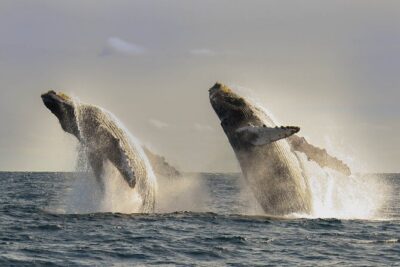
San Jose del Cabo Small-Group Sunrise Whale Watching
Read our review →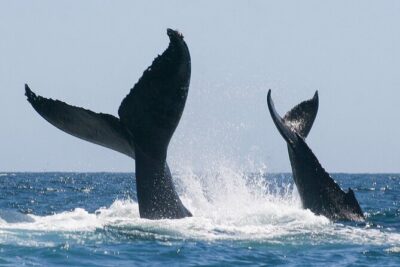
Whale Watching Warranty in San José del Cabo Snacks and drinks
Read our review →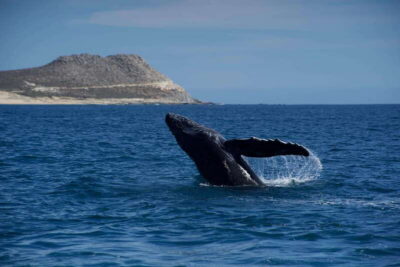
Browse the lists this tour appears in