
Review · WHALE WATCHING CRUISES
San Diego: 3 Hour Whale Watching Cruise
Gray whales pass San Diego during one of the longest animal migrations on earth, and this three-hour cruise gives you a real chance to watch them near La Jolla Canyon. The season matters: gray whales are the main draw from November through April, while blue whales become more likely in summer.
I like the $34 price and the roomy 80-foot boat, with covered seating, outdoor viewing areas, a bar, and three full-sized bathrooms. I also like the whale guarantee, though the exact return offer may vary. Some recent passengers received a 50 percent discount rather than a free ride, so check the current terms before booking.
- Season shapes the sightings: Gray whales are the main winter attraction, while blue whales are more likely from late spring through summer.
- La Jolla Canyon is the wildlife zone: Dolphins, porpoises, sea lions, whales, and seabirds may all appear during the cruise.
- The boat is built for comfort: An 80-foot fiberglass vessel offers two decks, covered indoor seating, bow space, and an upper deck.
- The price is unusually approachable: At $34, this is a low-cost way to spend three hours on the Pacific.
- Dolphins can save the day: Even without whales, pods ranging from dozens to hundreds have made the trip memorable.
- Bring warm layers: The boat can feel cold and bouncy, even in pleasant San Diego weather.
A Three-Hour Search for Whales off San Diego
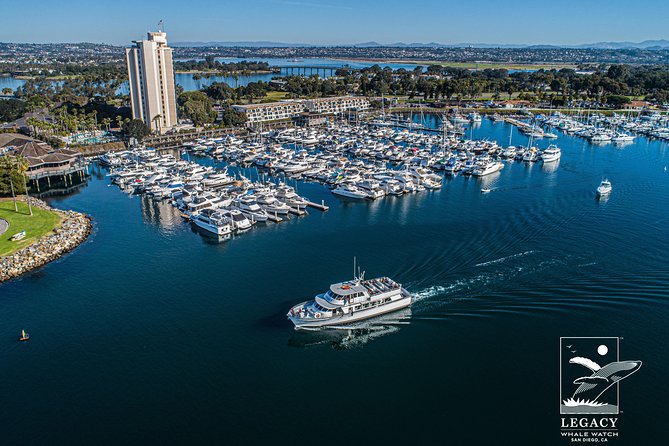
The cruise begins at Legacy Whale Watch in Mission Bay, a recreational bay used for boating and other water activities. You park at 1717 Quivira Road, board the boat, and head out toward La Jolla Canyon.
This is not a short harbor ride with a quick look at the water. The full three hours give the crew time to travel to productive areas, search for wildlife, and stay with animals when they are found. That matters because whales do not follow a schedule. You may spend long stretches watching open water before a blow, fin, or group of dolphins breaks the wait.
The trip returns to the same location. There is no separate sightseeing stop or land visit, so the value comes from the time at sea, the wildlife, the crew’s explanations, and the coastal views.
What You Might See in Each Season
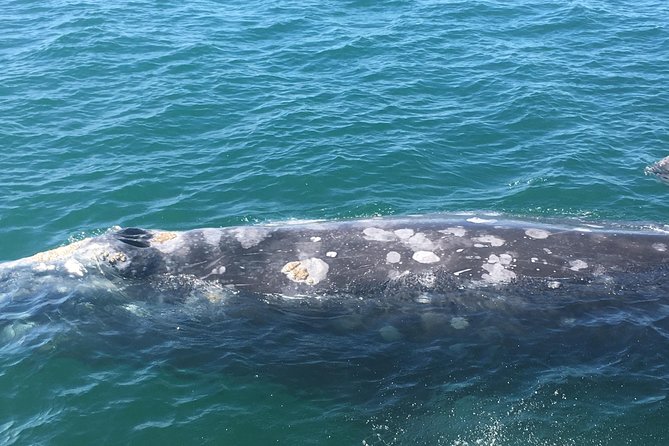
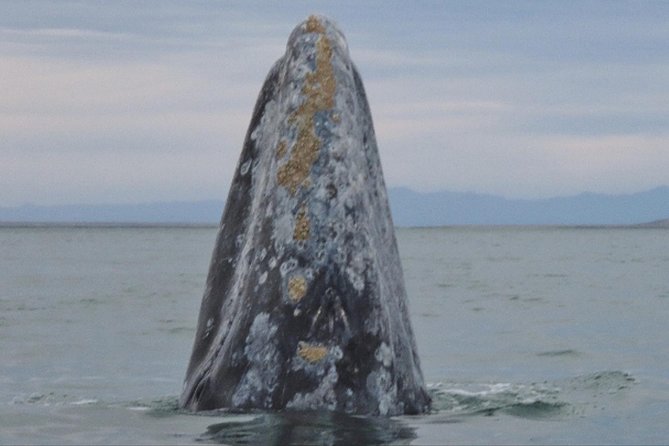
From November through April, the main target is the California gray whale. More than 20,000 gray whales make an annual journey of over 5,000 miles from the Bering and Chukchi Seas to the lagoons of Baja California, Mexico.
San Diego sits along part of that route. You will not see the whole migration, of course, but a passing whale can make the connection feel surprisingly immediate. Winter trips are a sensible choice if gray whales are at the top of your list.
The timing is not rigid. The activity information gives November to April as the gray whale period, while another note uses November or December through April. Treat late fall as the beginning of the season rather than a guarantee of peak sightings.
Summer brings warmer water and better chances for blue whales. May through October can also produce fin whales, humpback whales, and minke whales. Humpbacks were seen on several recent trips, including whales moving south from Arctic waters toward Mexico.
You should not book based on one species alone. Nature decides what appears. One summer trip produced only dolphins, but the group saw hundreds of them. Another outing found four gray whales and stayed with two sets of whales for much of the three hours. Both are realistic versions of the experience.
More Whale Watching Cruises in the USA
- San Diego Whale Watching Cruise
★ 5.0 · 2,317 reviews - San Diego Whale Watching & Dolphin Cruise
★ 4.5 · 1,588 reviews - San Diego Whale Watching Cruise
★ 4.5 · 663 reviews
La Jolla Canyon and the Other Wildlife
La Jolla Canyon is the cruise’s main wildlife area. It provides the setting for searching for whales, but the trip is not limited to large animals.
Dolphins are often the most active part of the outing. You may see them traveling beside the boat, jumping, or gathering in large pods. One trip produced what was described as thousands of dolphins, while another found a few hundred spread across the water. Those numbers cannot be promised, but they show why a no-whale day can still turn into a fine wildlife trip.
California sea lions may appear, along with several dolphin and porpoise species. The crew also helps you look for native and migratory seabirds. Keep your camera ready, but do not spend the whole ride staring through a screen. Wildlife can surface anywhere, and the best moment may last only a few seconds.
The crew and onboard volunteers add useful context. Recent trips included natural history or environmental volunteers who explained marine life and whale behavior. Their talks helped identify what passengers were seeing and added substance to the search.
The 80-Foot Boat and Best Places to Sit
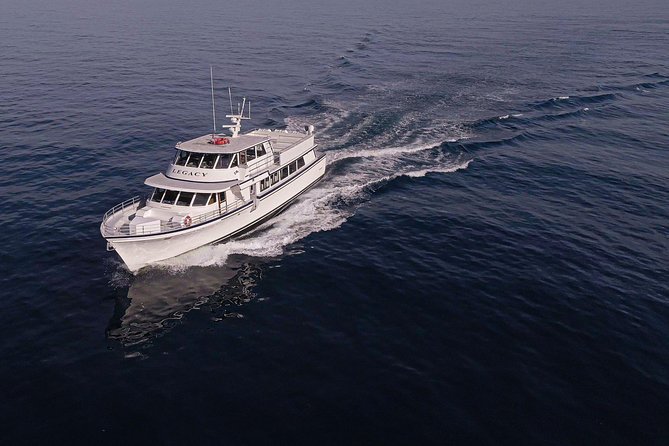
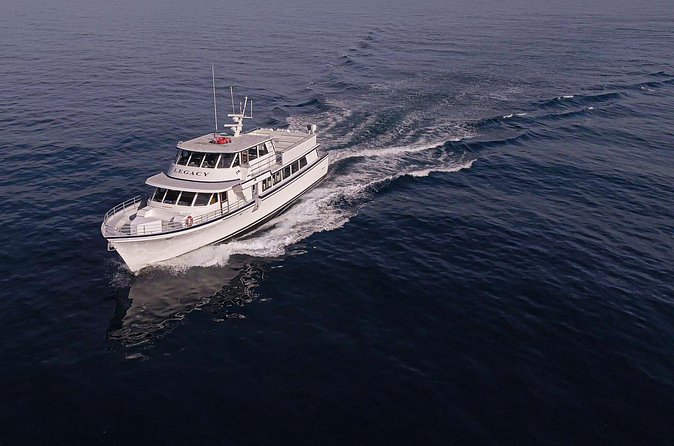
The vessel is an 80-foot fiberglass boat with two decks. It has covered indoor seating for more than 100 people, windows on both levels, outdoor seating at the bow, and seating on the upper deck.
That layout gives you choices. Indoor seats are useful when the wind picks up or the weather turns cool. The bow gives you a more exposed view of the water, while the upper deck offers a higher angle for scanning the horizon.
The boat is described as stable and well equipped, and several passengers found the ride smooth. Still, this is the Pacific. One person found it slightly bouncy, and the activity is not suitable for people prone to seasickness. If you are sensitive to motion, take that warning seriously and choose a sheltered seat.
The boat has three full-sized bathrooms, which is a small but important advantage on a three-hour trip. You are not forced to cut the outing short because facilities are limited. A bar serves snacks and beverages, giving you the option to buy something during the ride.
One practical weakness is the sound system. If you sit toward the back, you may have trouble hearing the commentary. I would choose a place with a clear view of the crew when the talk begins, then move outside when the wildlife search gets serious.
How the Wildlife Commentary Adds Value
A good whale cruise is more than a boat pointed at the horizon. You need help knowing what to watch for and why a distant splash matters.
The captain and crew explain the animals in English, and natural history volunteers may also offer information during the trip. The focus can include whale species, migration routes, dolphins, sea lions, and seabirds. This makes the quiet periods more useful, especially for children who may lose interest during a long wait.
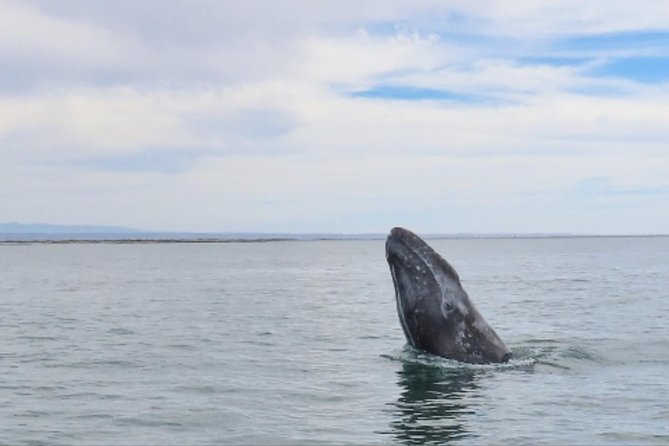
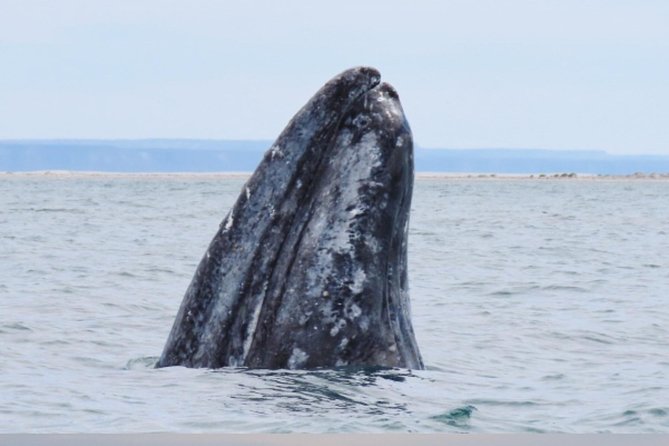
The talks also help set fair expectations. A whale may show only a back or blow rather than leap clear of the water. Several successful trips involved whales that did not breach. That is still a worthwhile sighting, but it is different from a dramatic wildlife documentary moment.
Bring binoculars if you have them. The boat may get close enough for clear views, but whales often remain some distance away. A camera with a zoom lens is more helpful than a phone for distant animals, though your phone can capture the setting and close dolphin activity.
More Whale Watching Cruises in San Diego:
- San Diego: Whale Watching Tour – Flagship Cruises & Events
★ 4.1 · 315 reviews - Dolphin and Whale Watching Sunset Cruise
★ 4.5 · 249 reviews - San Diego: Whale and Dolphin Watching Cruise
★ 4.3 · 186 reviews - San Diego: Whale Watching Cruise
★ 4.5 · 173 reviews
Price, Value, and the Whale Guarantee
At $34 per person, this is one of the easier San Diego activities to fit into a sightseeing budget. You get three hours on the water, crew commentary, indoor and outdoor seating, access to snacks and drinks for purchase, and bathrooms.
The value is strongest if you want a full marine wildlife outing without paying for a private boat or a luxury cruise. The vessel has enough space to spread out, and the covered seating gives you a fallback when the wind turns cold.
The main risk is obvious: whales are wild animals. A three-hour search cannot force them to appear. You might see four whales, several species, and dolphins, or you might see dolphins, sea lions, and birds without a whale.
The activity includes a whale guarantee and says you can receive a free ride if no whales are spotted. However, recent passengers described receiving a 50 percent discount coupon for a future trip when whales were absent. Since the practical offer may change, ask at check-in what the current guarantee includes. Even with that uncertainty, the policy reduces the sting of a no-whale day.
The guarantee does not mean you should expect a refund during the same outing. It is best viewed as a reason to try again, not as insurance against disappointment.
Parking at 1717 Quivira Road
Parking instructions are unusually important here. Use the lot at 1717 Quivira Road, San Diego, California 92109, or park along Quivira Road where parking is designated.
Do not use the nearby Seaforth Boat Rentals, Seaforth Marina, or Marina Village lots. Those businesses tow aggressively, and parking in the wrong place can turn a $34 cruise into a much more expensive morning.
Allow enough time to park and board without rushing. The meeting point is at Legacy Whale Watch, and the same place is used when the cruise returns. Clear parking directions have been especially useful for people unfamiliar with San Diego roads.
What to Wear and Bring
Dress in layers. The coast may feel mild on land, but wind and spray can make the boat cold. A warm top is more useful than relying on the weather at your hotel.
Bring a hat, sunscreen, camera, and binoculars. Sun protection still matters on a cloudy day because the water reflects light. A hat can help, but secure it well in the wind.
If you are prone to seasickness, this is not the right activity. The boat is stable, but passengers have still described some bouncing. People who tolerate normal boat motion should find the vessel manageable, yet no boat can promise a perfectly calm ride.
The bar sells snacks and beverages, but the supplied information does not promise a full meal service. Plan accordingly if you need more than a light snack during three hours at sea.
Who Will Enjoy This Cruise Most
I would choose this outing for families, couples, and first-time whale watchers who want a reasonably priced introduction to San Diego’s marine life. The indoor seating and bathrooms make it easier for mixed-age groups, while the outdoor areas give serious wildlife watchers a place to scan the water.
It also suits anyone who enjoys dolphins and seabirds as much as whales. That flexibility matters. If your only goal is a close-up breaching whale, no cruise can guarantee the scene you have in mind.
The trip may be less suitable for people who dislike open water, get seasick, or need a tightly scheduled activity. Wildlife sightings can take time, and the boat spends the full three hours searching rather than moving between several fixed attractions.
Should You Book the Legacy Whale Watch Cruise?
Book it if you want an affordable, properly paced wildlife trip and can accept that the ocean makes the final decision. The $34 fare, large boat, covered seating, bathrooms, wildlife commentary, and return-trip policy make it a strong value.
For the best odds, choose gray whale season from November through April or look for blue whales from summer into early fall. Bring warm clothes even on a sunny day, arrive at the correct parking lot, and sit where you can hear the commentary.
I would skip it only if seasickness is a serious concern or if you need a guaranteed whale sighting. For everyone else, the cruise offers a good chance to see dolphins, sea lions, birds, and perhaps one of the great whales moving along the California coast.
FAQ
How long is the whale watching cruise?
The cruise lasts three hours, including the trip from Mission Bay to the wildlife area near La Jolla Canyon and the return to Legacy Whale Watch.
Where does the cruise depart?
It departs from Legacy Whale Watch. Park at 1717 Quivira Road, San Diego, California 92109, or use designated parking along Quivira Road.
What whales can I see?
From November through April, California gray whales are the main seasonal focus. From May through October, you may have a chance to see blue, fin, humpback, or minke whales.
Can I see dolphins and sea lions?
Yes. The cruise area is home to several dolphin and porpoise species, California sea lions, and native and migratory seabirds.
What is included in the tour?
The price includes the three-hour cruise, the captain and crew, indoor and outdoor seating, access to the bar for snacks and beverages, and three full-sized bathrooms.
What happens if no whales are seen?
The activity includes a whale guarantee and states that you can receive a free ride if no whales are spotted. Recent passengers have also received a 50 percent discount for a future trip, so confirm the current offer before boarding.
More Three-Hour Trips in San Diego
- San Diego: 3 Hour Whale Watching Cruise
★ 4.5 · 106 reviews - 3-Hour Guided Whale and Dolphin Watching Experience in San Diego
★ 4.5 · 39 reviews - Akureyri: 3-Hour Classic Whale Watching Tour by Ship
★ 4.6 · 3,000 reviews - Tadoussac/Charlevoix: 3-Hour Whale Watching Boat Tour
★ 4.2 · 2,179 reviews
New whale trips around San Diego
- Whale and Dolphin Watching in San Diego★ 5.0 · 129 reviews
- San Diego Whale/Dolphin Watching Cruise Aboard Luxury Vessel★ 5.0 · 64 reviews
- San Diego: 3 Hour Whale Watching Cruise★ 4.5 · 106 reviews
- 3-Hour Guided Whale and Dolphin Watching Experience in San Diego★ 4.5 · 39 reviews
- Dolphin and Whale Watching Sunset Cruise★ 4.5 · 249 reviews
- City Cruises San Diego: Whale and Dolphin Watching Adventure★ 4.0 · 143 reviews
- Whale and Dolphin Watching in San Diego Speedboat Tour★ 3.5 · 3 reviews
- San Diego: Whale Watching Cruise★ 4.5 · 173 reviews
Whale Watching Cruises, compared.
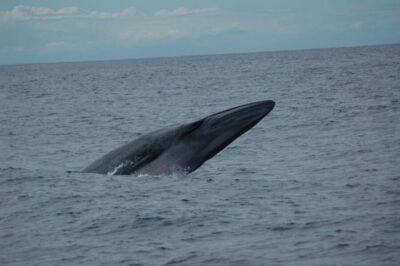

Whale & Dolphin Eco-Cruise with Snacks & Drinks
Read our review →
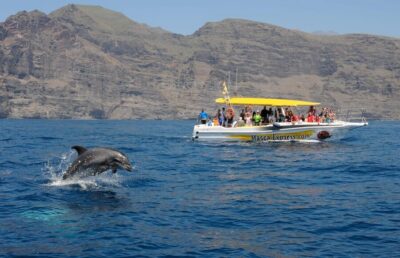
Dolphin & Whale Watching Cruise with Swim Stop
Read our review →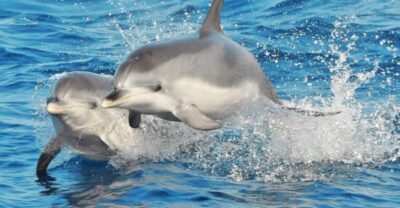
Morro Jable: Dolphin & Whale Watching Cruise, Drinks & Swim
Read our review →
Whale & Dolphin Watching Cruise with Swim Stop
Read our review →
Browse the lists this tour appears in