
Review · PORTUGAL WHALE WATCHING TOURS
Pico Island: Whale Watching Experience from Lajes do Pico
The Azores sit in the Atlantic where many whale and dolphin species pass through or live year-round. From Lajes do Pico, this three-hour trip takes you into open water on a zodiac, with marine biologist guides explaining what you may see and how to watch without disturbing it. The wildlife is completely wild, so a breaching whale is possible, but never promised.
I like two things right away: the guides put animal welfare ahead of getting the closest photo, and the fast boat lets you cover plenty of ocean in a short outing. Guides such as Lynn and Nadja have been singled out for their energy and clear explanations. The main drawback is the ride itself. This is a bumpy open-water trip, not a gentle harbor cruise, and it is unsuitable for children under eight, pregnant women, and people with back, heart, mobility, or recent-surgery concerns.
Key points before you book
- Three hours from Lajes do Pico: Allow about 15 minutes for the safety briefing and roughly 2 hours 45 minutes on the water.
- Marine biologist guides: Expect a briefing on local species, Azorean whaling history, and respectful wildlife watching.
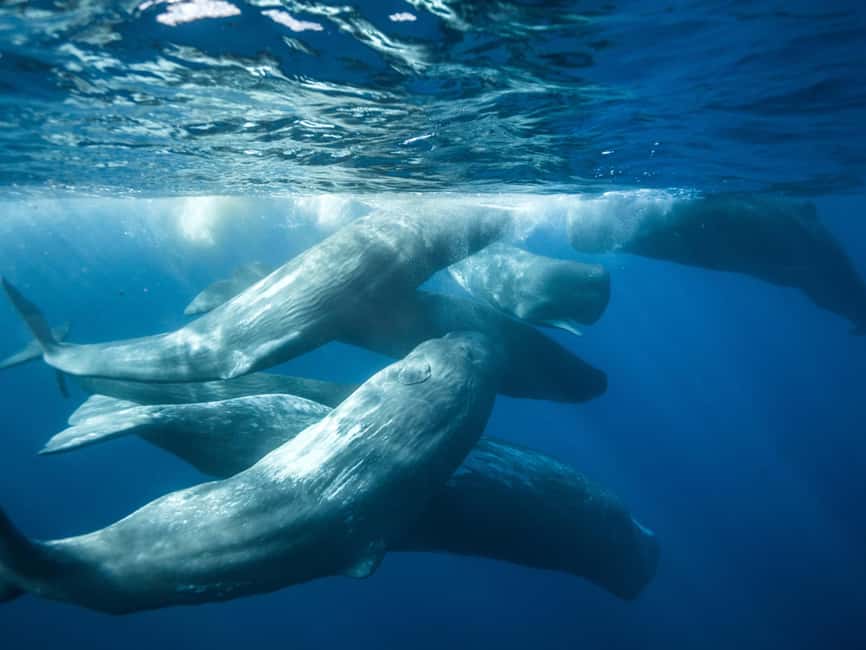
- Common sightings can be impressive: Past outings have included sperm whales, blue whales, humpback whales, pilot whales, several dolphin species, turtles, and seabirds.
- A zodiac means speed and spray: You get close to the sea surface, but the ride can be rough. A back seat may feel less bumpy.
- Wildlife sightings depend on nature: Weather, sea conditions, migration patterns, and patience all matter.
- Current price and flexible booking: At $82 per person, the trip offers strong value for a serious wildlife outing, with cancellation up to 24 hours ahead and a reserve-now, pay-later option.
Why Pico is such a strong whale-watching base
Pico is one of the Azores islands, a mid-Atlantic group where ocean depths, migration routes, and resident marine life meet. More than a third of the world’s whale and dolphin species are found in Azorean waters at some point, either as permanent residents or passing visitors.
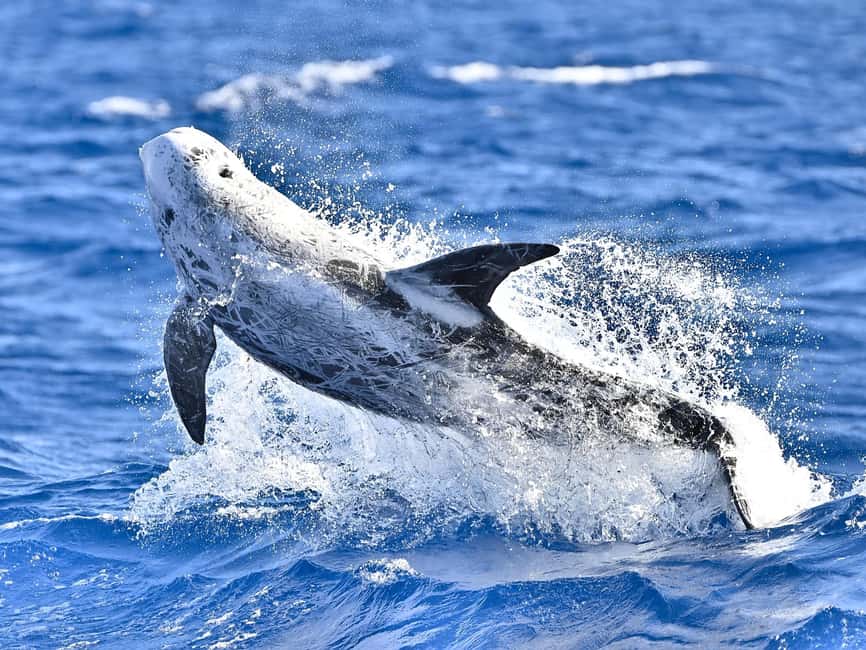
That does not mean you will see every species on one trip. It does mean the setting is unusually promising. Sperm whales are a regular highlight, and the trips can also produce several dolphin species in a single morning or afternoon. Seasonal visitors may include humpback and blue whales, while other sightings can include pilot whales, Risso’s dolphins, bottlenose dolphins, Atlantic spotted dolphins, common dolphins, turtles, and flying fish.
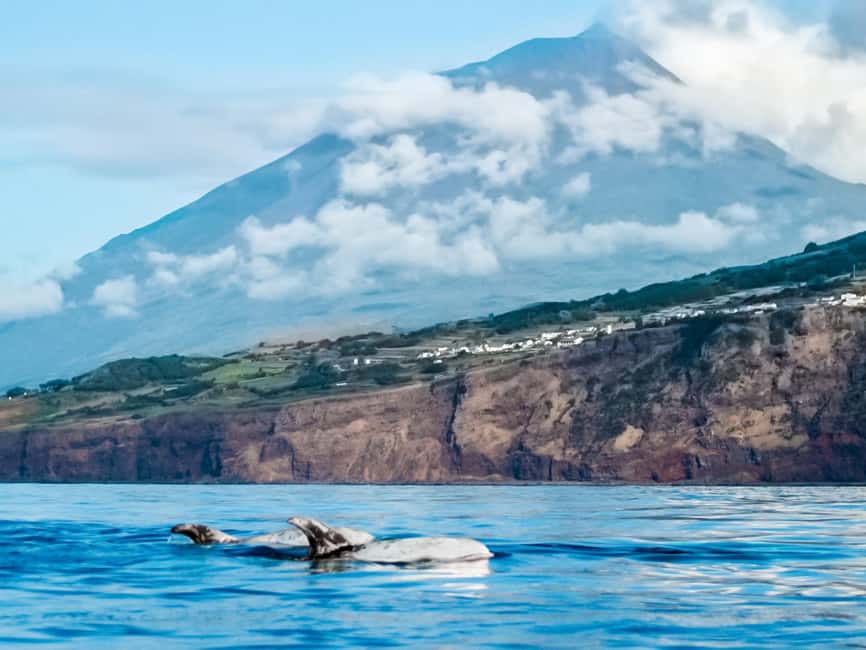
The coastline adds to the outing. As the boat leaves Lajes do Pico, you can look back at dark volcanic rock and vegetation rising from the water. Then the view opens into the Atlantic, where the scenery becomes spare and powerful. You are not visiting a marine park with scheduled animal appearances. The point is to enter the animals’ environment and wait for nature to offer something.
More whale watching around Portugal worth comparing
- From Funchal: Ecological Catamaran Dolphin Whale Watching
★ 4.5 · 8,204 reviews - Funchal: Dolphin and Whale Watching Catamaran Cruise
★ 4.5 · 5,697 reviews - From Ponta Delgada: Whale and Dolphin Watching Trip
★ 4.7 · 4,109 reviews
Checking in at Lajes do Pico harbor
Your starting point is Futurismo Azores Adventures in Lajes do Pico. Check in at the ticket counter before the tour begins. A free parking lot sits about a five to ten-minute walk from the shop, so allow extra time if you are driving.
There is no hotel pickup or drop-off, and food and drinks are not included. That makes the logistics simple, but you should arrive ready. Eat beforehand if you tend to feel queasy, bring water if needed, and use the restroom before boarding.
Wear comfortable outdoor clothing and shoes with a secure grip. A windbreaker, sun hat, sunglasses, and sunscreen are useful even on a cloudy day. The open sea can feel much cooler and wetter than the harbor, so pack a waterproof bag for phones and cameras. Rain pants and a raincoat are supplied if needed.
High heels, pets, drones, baby strollers, baby carriages, and alcoholic drinks in the vehicle are not allowed. These rules are practical rather than fussy. A zodiac has limited room, and loose or bulky items quickly become a nuisance once the boat is moving.
The 15-minute briefing sets the tone
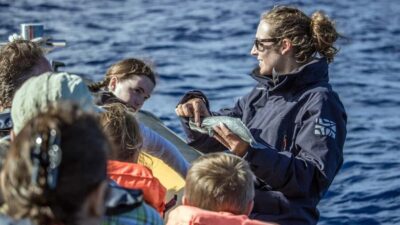
Before departure, the marine biologist guides explain the boat, the safety rules, and the wildlife you may encounter. You also get a short introduction to whale watching in the Azores and the basic rules for observing animals responsibly.
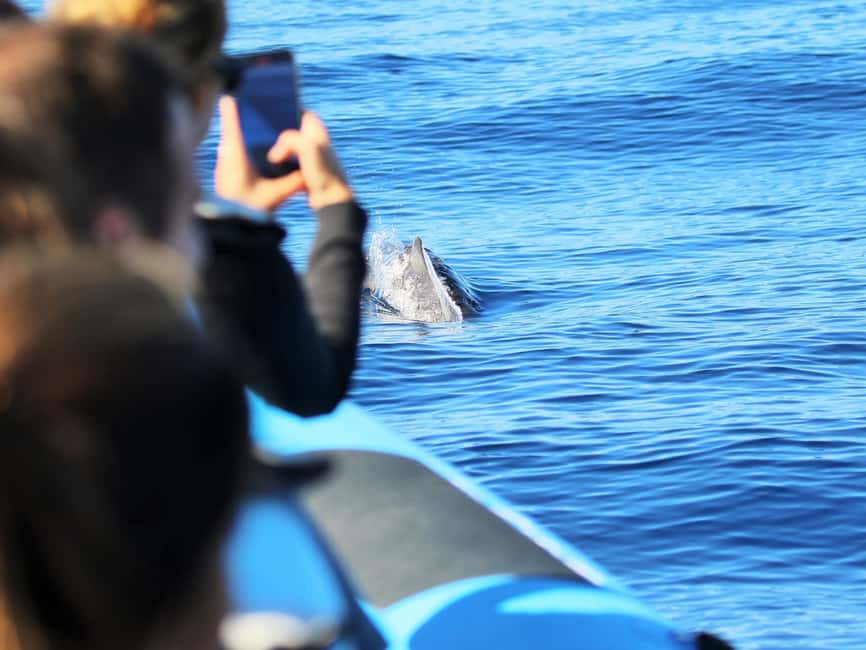
This briefing matters. A whale may surface only briefly, and dolphins can change direction quickly. Knowing the difference between a blow, a dorsal fin, a tail, and a rolling back helps you understand what you are seeing instead of simply pointing at the water.
The guides also explain why the boat may slow down, change direction, or leave an animal alone. The goal is not to chase a whale until it performs. If an animal seems uncomfortable, the boat gives it space. That approach may occasionally mean a less dramatic photograph, but it makes for a better wildlife experience.
The guides are a major part of the trip. Past outings have been led by people such as Lynn and Nadja, and the strongest feedback consistently focuses on their enthusiasm, science background, and ability to explain animal behavior in an engaging way. Some guides have spoken several languages, including Portuguese, English, German, and French, though language availability can vary by departure.
A zodiac ride that gets you into the open Atlantic
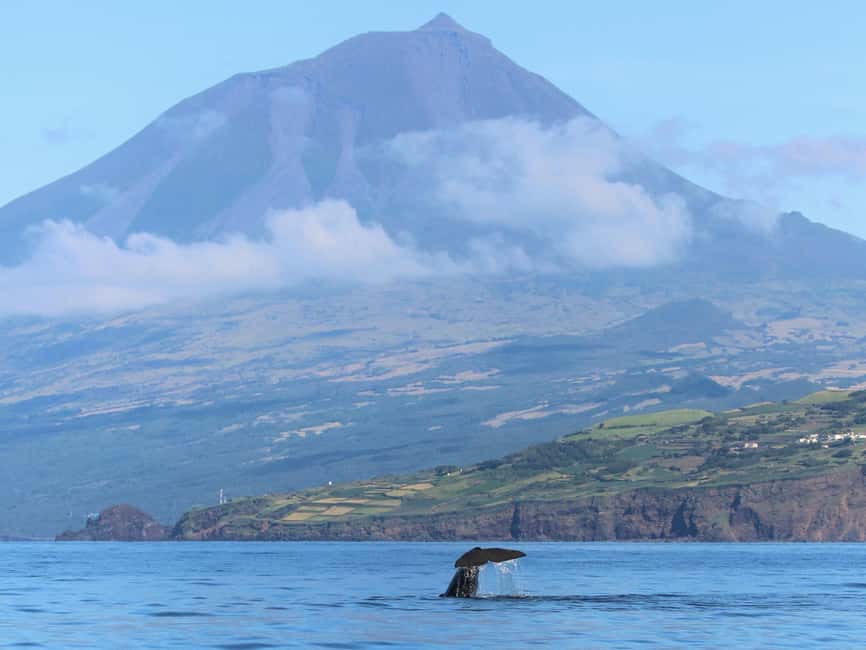
Once aboard, the boat heads away from the harbor and toward areas where whales and dolphins may be found. The trip lasts about 2 hours 45 minutes after the briefing, though the exact route depends on conditions and reports of animal activity.
The zodiac is a good fit for this kind of outing because it is fast and sits close to the water. Several outings have produced multiple sightings with little time spent waiting between locations. It also gives you a direct feel for the sea. You will notice the wind, spray, engine noise, and the rise and fall of the boat.
That same design is the main comfort issue. If you do not like bumpy rides, ask for a seat toward the back of the boat, a tip that has helped some passengers. Even then, expect movement. This is not a suitable choice for anyone who needs a stable, easy-access vessel.
The boat type is not recommended for pregnant women or people with back problems. The operator also lists heart problems, mobility impairments, wheelchair use, and recent surgery as reasons not to take this trip. Children must be at least eight years old.
Same sea, a different boat:
- Azores: Whale Watching & Islet Boat Tour w/ Marine Biologist
★ 4.7 · 2,945 reviews - Funchal Bay: Dolphin & Whale Watch Luxury Catamaran Cruise
★ 4.2 · 2,684 reviews - All Inclusive Whale and Dolphin Watching Luxury Tour
★ 4.9 · 2,573 reviews - Madeira Dolphin and Whale Watching on a Ecological Catamaran
★ 4.5 · 1,957 reviews
What you might see from sperm whales to super pods
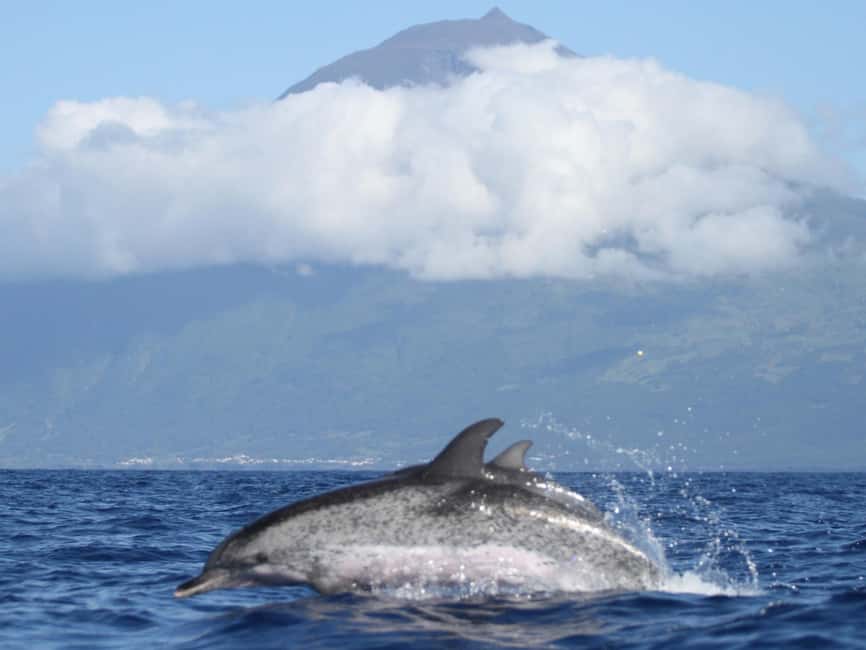
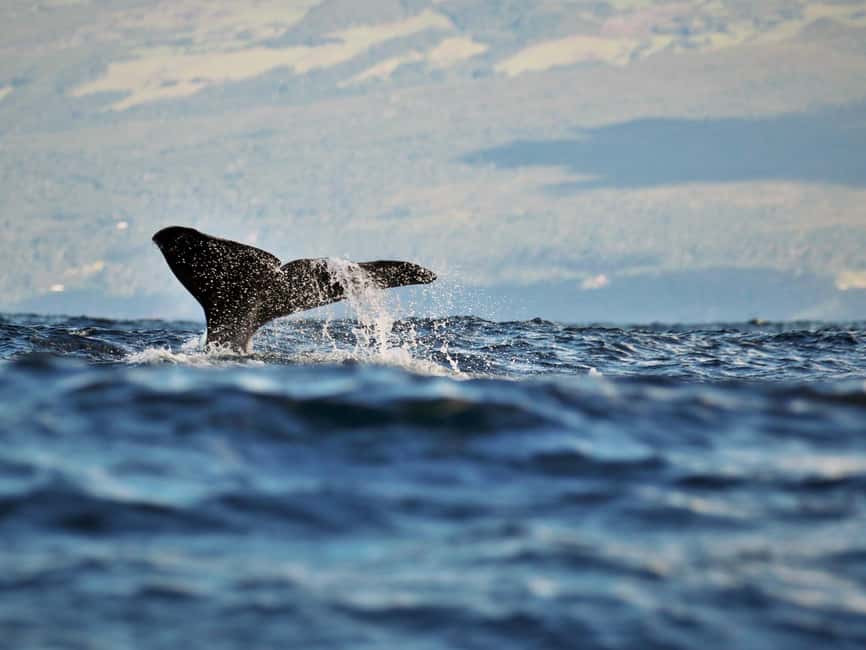
Sperm whales are among the most frequently praised sightings on this trip. You might see the whale surface, breathe, and disappear again, or catch the dramatic lift of its tail before it heads back below. A sperm whale flip has been a memorable moment for several passengers.
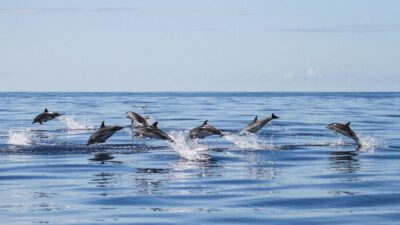
Dolphins can provide a completely different show. Common dolphins may appear in large groups, sometimes described as super pods of hundreds. Atlantic spotted dolphins, Risso’s dolphins, bottlenose dolphins, and pilot whales have also been seen. When dolphins travel alongside or across the boat, the action can feel faster and more chaotic than whale watching.
Seasonal luck can be extraordinary. Past trips have included three blue whales in April, a humpback whale breaching repeatedly in June, and several different whale species on a single outing. Other reports include Bryde’s and sei whales, although you should treat every species list as a possibility rather than a promise.
The supporting cast can be just as interesting. You might spot shearwaters, turtles, flying fish, or a Portuguese man o’ war. One outing included huge numbers of seabirds, while another found a turtle during the search for whales and dolphins.
The important point is patience. You may spend stretches scanning a calm patch of ocean before something appears. That is normal. The guides and skipper use information from land-based spotters and watch for signs such as blows and bird activity, but no crew can order a whale to surface on schedule.
How the wildlife policy improves the experience
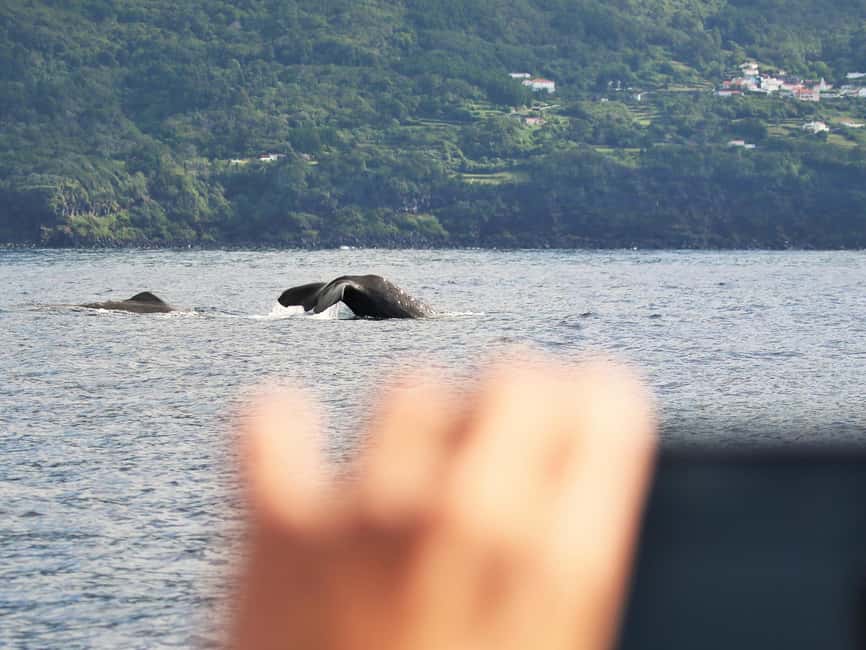
Futurismo’s approach centers on respectful observation. The skipper does not simply rush from one animal to the next without regard for distance or behavior. The crew works to show you as much as possible while avoiding pressure on the animals.
This is good for the wildlife and better for you. A guide who explains why the boat is holding back turns a moment of waiting into part of the lesson. You learn to watch the animal’s movement and behavior instead of judging the trip only by how close the boat gets.
The Azores also have a long connection with whaling, so the briefing adds useful context. The guides explain the region’s whale-watching history and connect it with present conservation efforts. That gives the trip more meaning than a simple search for a dramatic photograph.
Is $82 good value for three hours?
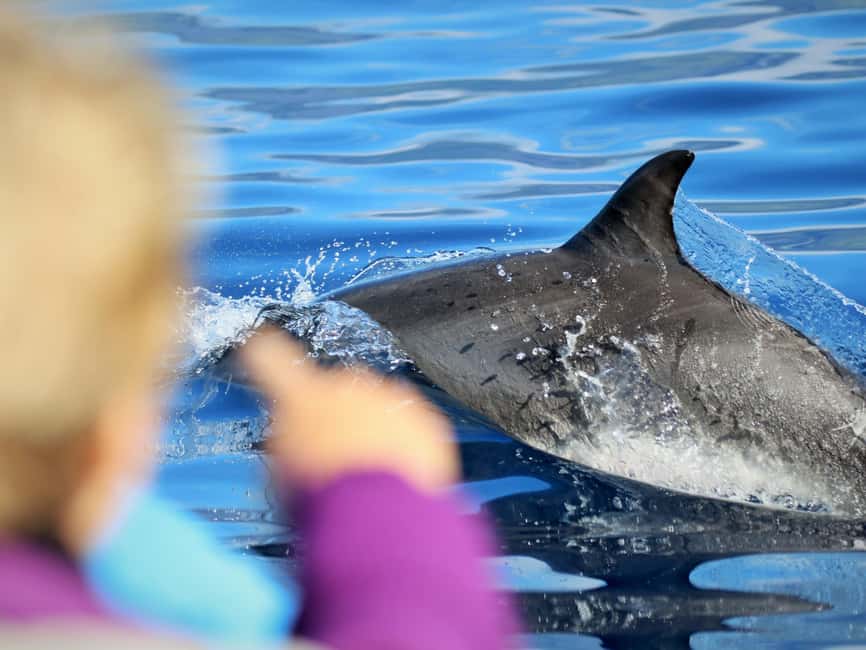
At $82 per person, this is not a cheap harbor activity, but it is a reasonable price for a guided three-hour marine wildlife outing with a specialist guide, boat transport, life jacket, and rain gear when required.
The value is strongest if you care about the quality of the interpretation and the company’s wildlife policy. You are paying for a crew that can identify species, explain behavior, use local sighting information, and make responsible decisions at sea. A lucky trip with several species can feel like excellent value.
The price is less appealing if you need a guaranteed sighting, a quiet boat, or a soft ride. Nature controls the result. Even a skilled crew cannot promise a whale, and a rough sea can make the experience tiring.
There is some flexibility in booking. You can cancel up to 24 hours before departure for a full refund, and the reserve-now, pay-later option helps if your island schedule is still changing. Weather and sea conditions can force a cancellation or rescheduling, so avoid placing this trip on the final few hours of your Pico stay.
What to bring for comfort and better photographs
Dress for changing conditions rather than the temperature at the harbor. A windbreaker and outdoor layers are more useful than a heavy coat, and cloudy weather can still bring strong glare from the water.
Bring:
- Comfortable shoes
- A windbreaker
- Sunglasses and a sun hat
- Sunscreen
- A waterproof bag
- Comfortable outdoor clothing
Keep cameras and phones protected until you are sure the boat is settled. A waterproof phone pouch is a sensible extra, since the supplied rain gear protects you better than delicate electronics.
Do not plan around a large meal during the trip. Food and drinks are not included, and the boat is focused on searching rather than serving refreshments. If you are prone to seasickness, the combination of open ocean, movement, and several hours aboard deserves serious thought.
Who should book this Pico whale-watching trip?
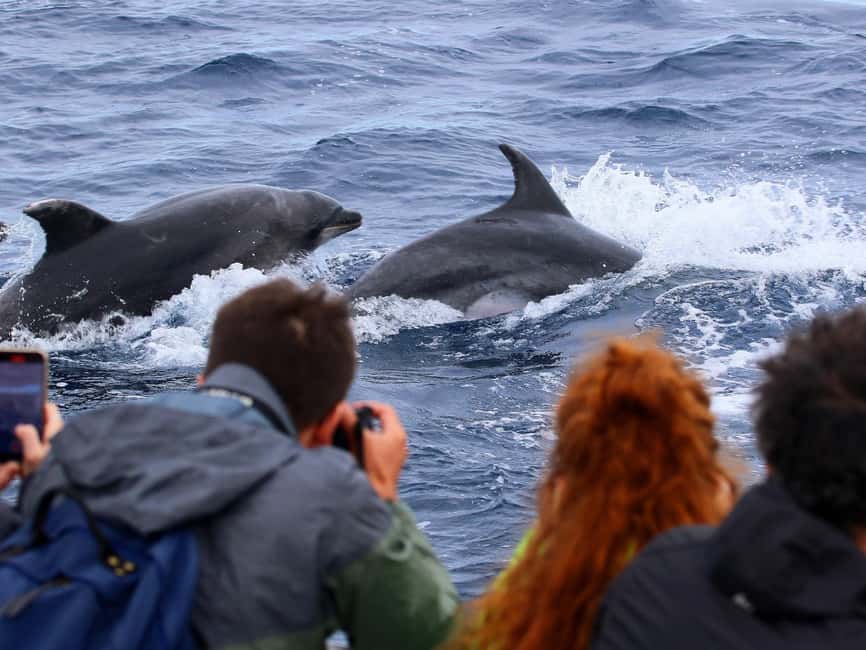
I would choose this outing if you want a serious wildlife experience with a small, direct connection to the sea. It suits adults, older children who meet the minimum age, keen photographers, bird watchers, and anyone who likes learning how animals behave in the wild.
It is also a good match for people who care about responsible tourism. The guides make animal welfare part of the experience, not an afterthought. You will still get exciting sightings, but the crew does not treat wildlife as a performance.
I would look elsewhere if you need wheelchair access, a steady boat, a short ride, or a guaranteed animal encounter. People with heart conditions, back problems, recent surgery, mobility limits, or pregnancy should not book this zodiac trip. The same goes for anyone who gets seasick very easily and does not want to risk three hours in open water.
Should you book it?
Yes, if the sea is calm enough, your body can handle a zodiac, and you accept that wildlife watching requires luck. The combination of Pico’s productive waters, fast boat, marine biologist guides, and careful approach gives this trip real substance.
Book early in your Pico plans, not at the very end, so weather changes do not erase your only chance. Bring layers, protect your camera, ask for a back seat if you dislike jolts, and keep your expectations realistic. You may see one species, or you may see whales, several kinds of dolphins, seabirds, and a turtle in one outing. Either way, you are spending three hours in the animals’ world, which is the real reason to go.
FAQ
How long is the whale-watching trip?
The full activity lasts three hours. This includes a 15-minute safety briefing and about 2 hours 45 minutes for the guided boat cruise and wildlife search.
Where does the tour begin?
Meet at Futurismo Azores Adventures in Lajes do Pico and check in at the ticket counter. A free parking lot is about a five to ten-minute walk from the shop.
What languages are available?
The tour is offered in Portuguese and English. Specific guides may speak additional languages, but this can vary by departure.
Is food or a hotel transfer included?
No. Food, drinks, hotel pickup, and hotel drop-off are not included.
What happens if the weather is bad?
The activity depends on weather and sea conditions. If conditions are not suitable, the trip may be canceled or rescheduled.
Who should not take this zodiac trip?
It is not suitable for children under eight, pregnant women, people with back or heart problems, people with mobility impairments, wheelchair users, or people with recent surgeries.
New whale trips around Portugal
- Caniçal : Madeira Whale Museum Entry ticket★ 4.4 · 8 reviews
- Calheta: Whale & dolphin watching small groups designer tour★ 5.0 · 4 reviews
- Watching whales and dolphins on Terceira Island★ 5.0 · 150 reviews
- Terceira Island Whale Watching and Jeep Tour★ 4.9 · 27 reviews
- Whale and Dolphin Watching Tour at Terceira Island★ 5.0 · 39 reviews
- Terceira: Whale & Dolphin Watching | Best Wildlife Tour★ 4.7 · 55 reviews
- Terceira: Half-Day Dolphin and Whale Watching Tour★ 4.6 · 219 reviews
- Terceira: Whale and Dolphin Watching in a Zodiac Boat★ 4.8 · 230 reviews
Portugal Whale Watching Tours, compared.
Whale Watching & Islet Boat Tour w/ Marine Biologist
Read our review →
Funchal Bay: Dolphin & Whale Watch Luxury Catamaran Cruise
Read our review →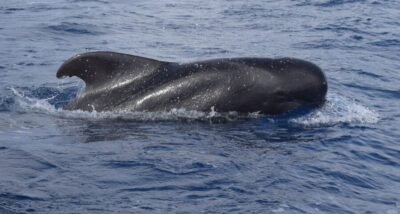
All Inclusive Whale and Dolphin Watching Luxury Tour
Read our review →
Madeira Dolphin and Whale Watching on a Ecological Catamaran
Read our review →
Dolphin and Whale Watching by Luxury Catamaran
Read our review →Browse the lists this tour appears in