
Review · ICELAND WHALE WATCHING TOURS
Ólafsvík: Whale Watching Tour
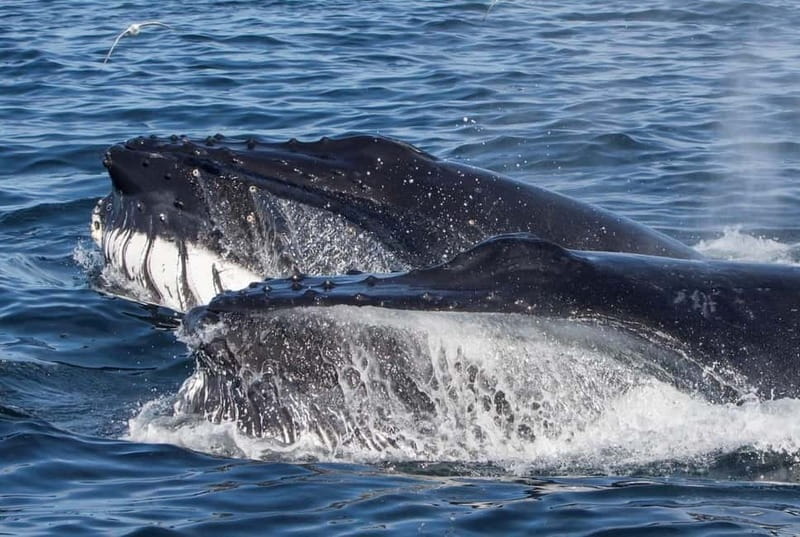
Ólafsvík is one of Iceland’s best places to look for toothed whales, especially orcas and sperm whales. The boat follows the Snæfellsnes Peninsula coastline, with the broad white mass of Snæfellsjökull Glacier behind you and open water ahead. It is a wildlife trip first, but the scenery gives the three-hour ride plenty of value even while you wait for a fin.
I like the seasonal variety here: sperm whales are most regular from March through June, while orcas are most often seen from February into early July. I also like the chance to see several species on one outing, from pilot whales and humpbacks to white-beaked dolphins. The catch is simple: wildlife is never guaranteed, and rough water can make this a poor choice if you get seasick.
Key points to know before sailing
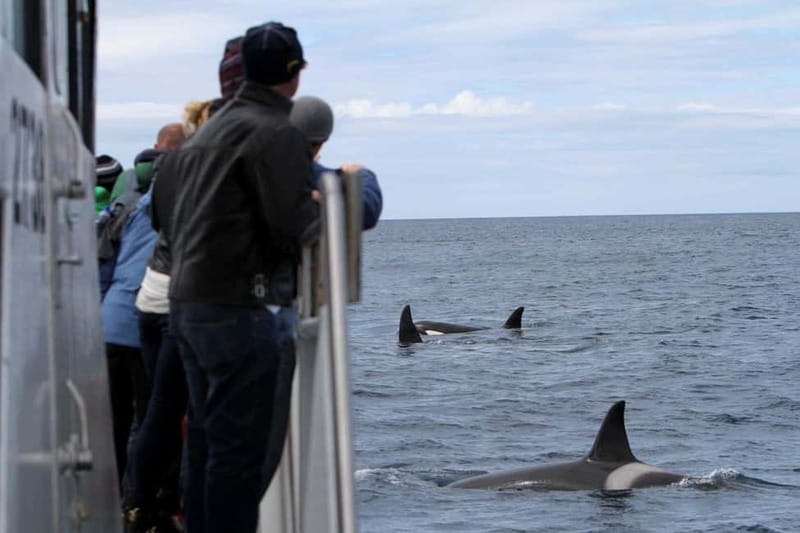
- Orcas are most likely from February through early July, with occasional sightings later in summer.
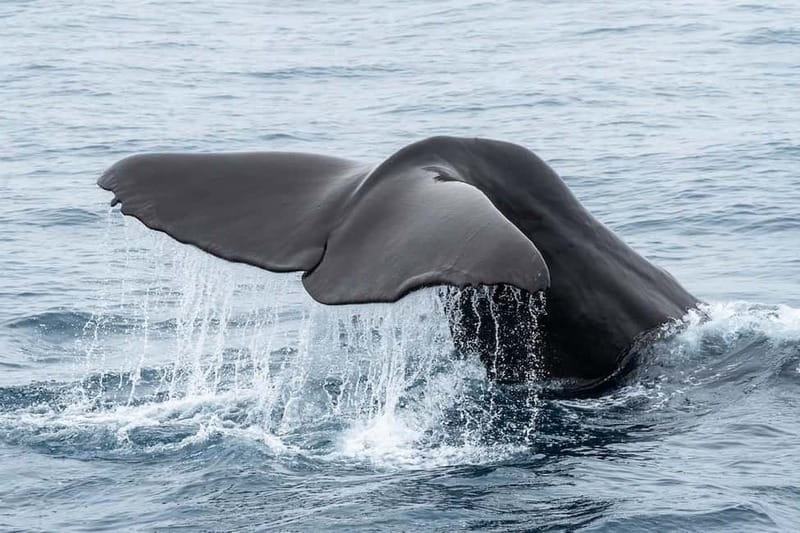
- Male sperm whales appear mainly from March to June, usually in deeper water.
- Late summer and autumn shift the focus toward minke whales, pilot whales, humpbacks, and dolphins.
- Snæfellsjökull Glacier provides a memorable backdrop throughout the boat ride.
- The tour lasts three hours, which gives the crew time to search rather than rush from one spot to another.
- Warm clothing is essential, and food, drinks, and hotel transfers are not included.
Why Ólafsvík is a strong whale-watching base
The appeal of this tour is not simply that it puts you on a boat. Ólafsvík sits beside waters known for toothed whales, and the coast offers a better chance of seeing orcas, sperm whales, and pilot whales than many other whale-watching areas in Iceland.
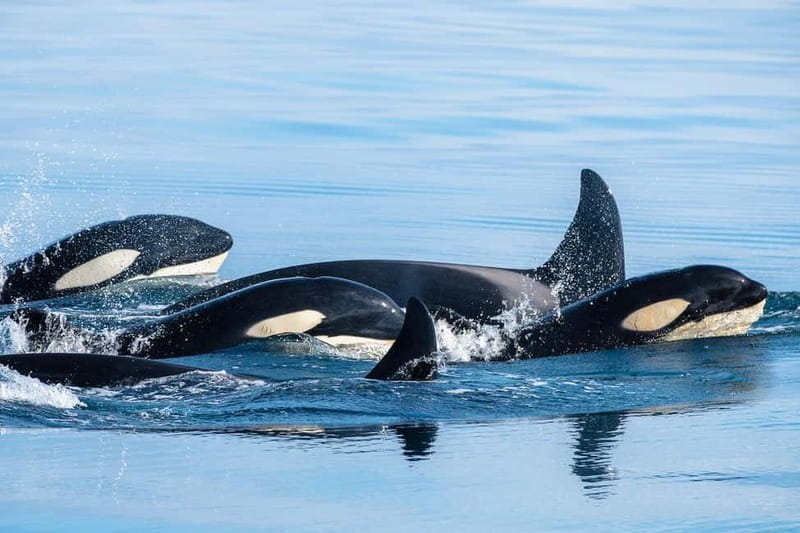
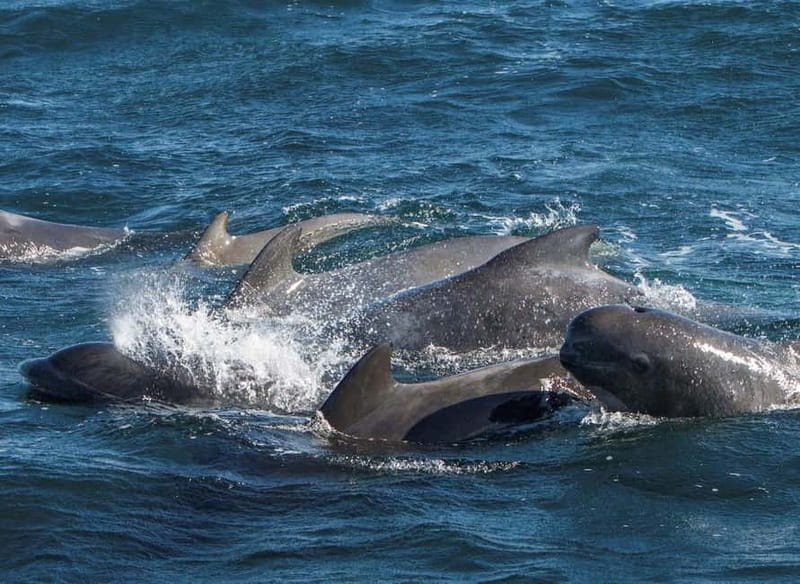
That matters because these species behave differently from the large baleen whales you may picture first. Orcas often travel in family groups, pilot whales move in social pods, and sperm whales spend much of their time in deeper water. You are not just waiting for one type of whale to surface. The crew is watching for a changing cast of animals.
The setting helps, too. From the water, you get a fresh view of the Snæfellsnes Peninsula and Snæfellsjökull Glacier. The glacier is an especially useful landmark on a gray day, when the coast can feel spare and dramatic. A clear view is never promised in Iceland, but the glacier gives your eyes something worthwhile to follow between sightings.
I also like the scale of the outing. Three hours is long enough to search a meaningful stretch of water, but it does not consume your entire day. If you are driving around Snæfellsnes, you can fit the boat trip into a larger route without giving up every other stop.
More whale watching around Iceland worth comparing
- Reykjavík: Whale Watching and Marine Life Cruise
★ 4.6 · 9,838 reviews - Akureyri: 3-Hour Classic Whale Watching Tour by Ship
★ 4.6 · 3,000 reviews - Reykjavík: Whale Watching Cruise on the Amelia Rose Yacht
★ 4.5 · 2,911 reviews
What happens during the three-hour boat trip
You meet the English-speaking guide in Ólafsvík and board the boat for the trip along the peninsula. The available information does not give a fixed stop-by-stop route, and that is normal for a wildlife cruise. The exact course must respond to where the animals are found that day.
The first part of the ride is about getting away from the harbor and into the whale-watching area. Keep your eyes moving. A whale may appear as a back, a blow, a fin, or a brief patch of white water. Dolphins can be even harder to spot at first because they move quickly and may surface in groups.
The crew’s job is to search, identify, and position the boat without feeding the animals. Feeding wildlife is not allowed, and that is important. The aim is to watch natural behavior, not to turn a wild animal into a guaranteed performance.
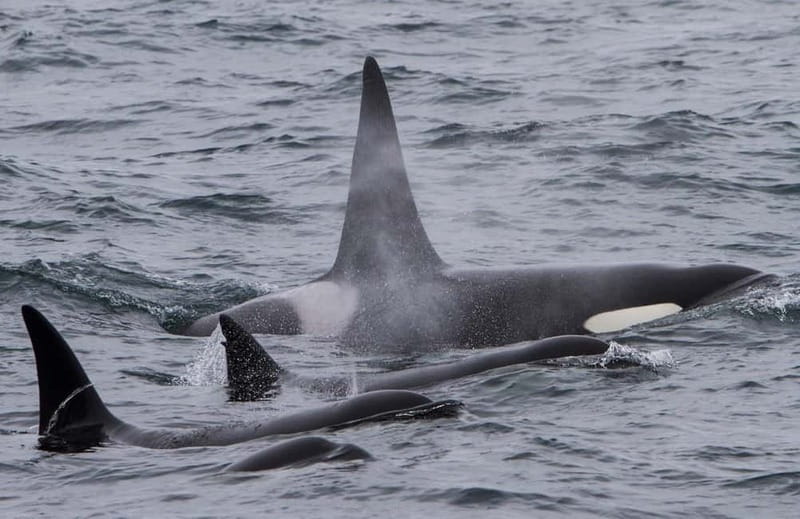
If the boat reaches an area with whales, you may spend time watching one group before moving on. One particularly useful detail from the available feedback is that the guide may try to show you more than one orca group rather than staying with a single pod. Orcas are individual animals with different markings and social patterns, so that approach can make the encounter more rewarding for anyone interested in the animals themselves, not just a quick photograph.
The trip is not a scripted show. Some time may pass with no major sighting. That is part of the bargain with marine wildlife, and it is why the three-hour duration matters. A short cruise can miss animals simply because the boat has not reached the right water at the right moment.
The whales you may see by season
Timing makes a real difference here. You should choose your departure date with the species calendar in mind, though nature does not follow a strict timetable.
Orcas from February through early July
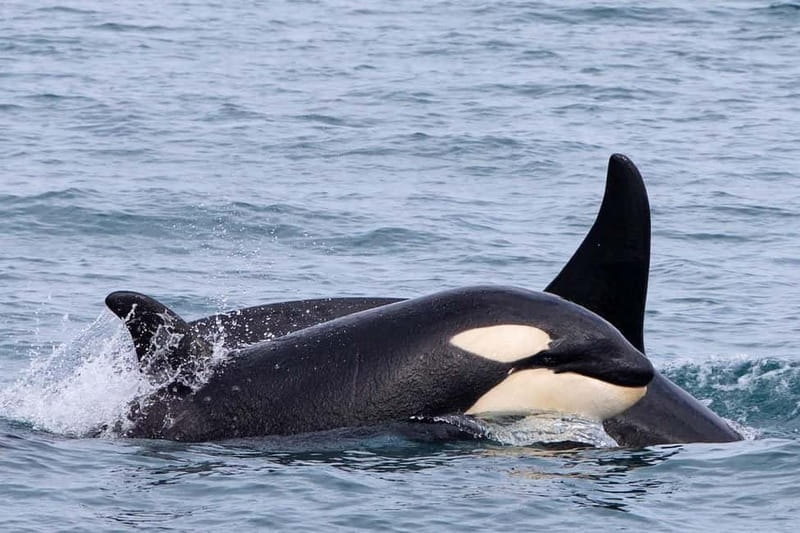
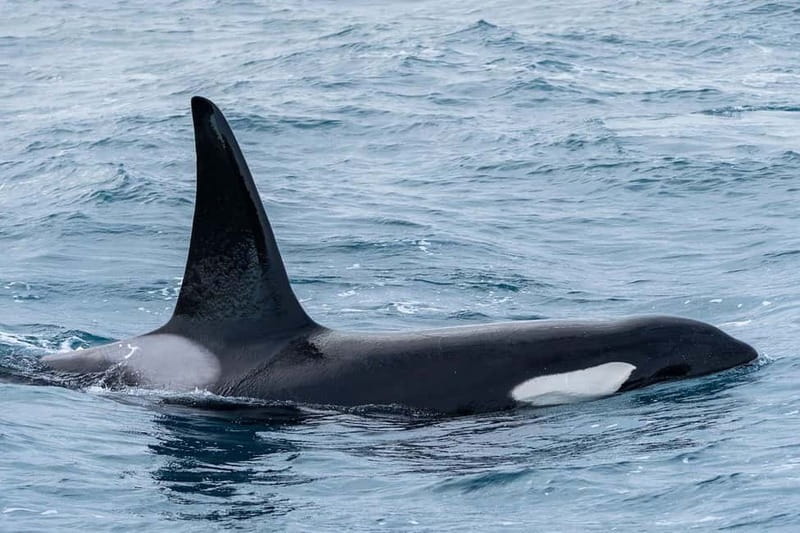
Orcas are the headline sighting for many people, and this coastline is especially appealing from winter through spring and into early summer. February to early July offers the strongest chance, with occasional sightings later in the summer.
An orca encounter can be brief or prolonged. You might see a single dorsal fin, or you might watch several animals surface together. The most encouraging reports from this experience describe many orcas seen close to the boat, sometimes along with humpback whales. That sort of day is exceptional, but the timing is right for giving yourself the best chance.
If seeing orcas is your main reason for booking, I would favor the February to early July period rather than September. You still have no guarantee, but you are working with the more favorable seasonal pattern.
Same sea, a different boat:
- Húsavík: Whale Watching Tour with Guide
★ 4.6 · 2,761 reviews - The Original Classic Whale Watching from Reykjavik
★ 4.5 · 2,626 reviews - Reykjavik: Whale Watching Tour with Expert Guide
★ 4.3 · 2,422 reviews - Húsavík: Traditional Whale Watching Tour
★ 4.6 · 2,115 reviews
Sperm whales from March through June
Male sperm whales are seen regularly in deeper water, mostly from March through June. This is a different type of whale-watching experience from looking for dolphins near the surface. Sperm whales can spend long periods below the water, so patience matters.
The possibility of sperm whales gives the tour a special edge. These are powerful deep-water animals, and seeing one surface near the boat can be a striking moment. They may also appear later in the year, but spring is the more sensible choice if they are high on your list.
Humpbacks, minkes, pilot whales, and dolphins later in the year
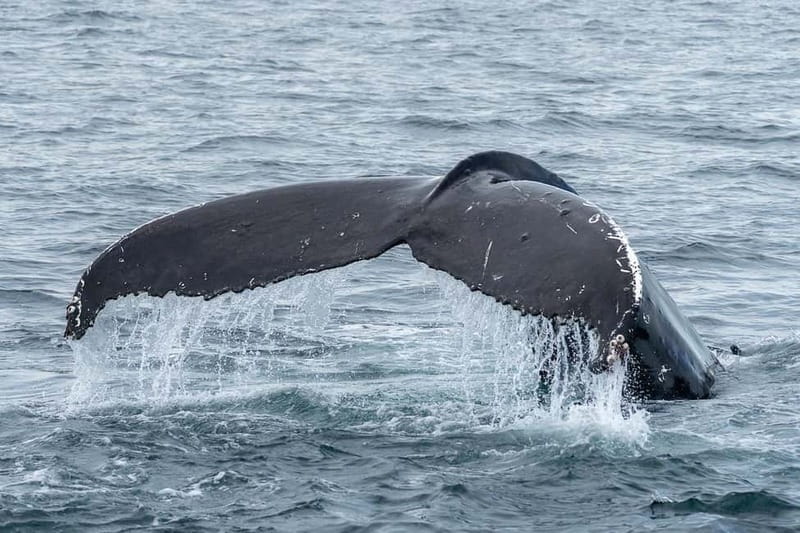
From late summer into autumn, the focus often shifts. Minke whales, pilot whales, humpbacks, and white-beaked dolphins become the more likely targets.
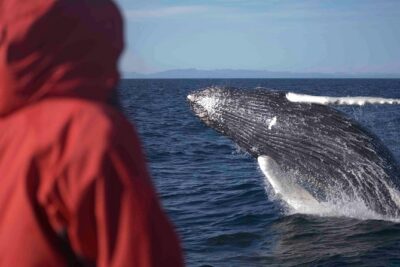
That does not make a September trip a second-rate option. A late September outing has produced many orcas and humpbacks, and another late September trip included many dolphins and a small whale. Those sightings show why you should treat the seasonal guide as a pattern, not a promise.
Late summer and autumn may suit you if you would be happy with a varied wildlife trip rather than one aimed at a single species. Dolphins can provide fast-moving action, while humpbacks offer a larger, slower presence. Pilot whales add another social toothed-whale species to the search.
The Snæfellsjökull Glacier view is part of the value
Whale watching can be frustrating if you judge the trip only by the number of animals seen. I prefer to judge it as a boat ride in a remarkable setting, with wildlife as the main possibility.
Snæfellsjökull Glacier gives the journey a strong sense of place. You are not looking at anonymous ocean. You are sailing along the Snæfellsnes Peninsula with one of Iceland’s best-known natural landmarks rising behind the coast.
On a clear day, the glacier can make the ride feel almost theatrical. On a cloudy day, it may be partly hidden, but the coastline still gives you a changing view as the boat moves. This scenery also makes the trip worthwhile for companions who are less focused on identifying every whale.
Bring your camera, but keep it ready for the wrong kind of photograph. The best moment may be a whale’s back in one frame and an empty sea in the next. A long lens can help, but no camera replaces watching the water with your own eyes.
The guide and the quality of the wildlife encounter
The tour includes an English-speaking guide, and the guide’s role is more important here than a fixed narration. You need someone who can help you understand what you are seeing, where to look, and when the boat is changing position.
The strongest reports describe guides who were attentive, informed, and keen to find animals along with the people on board. That enthusiasm matters on a wildlife trip. A passive guide can leave you staring at open water without knowing what to watch for. An active guide can help you notice the blow, fin, or movement that you might otherwise miss.
The most distinctive detail is the effort to look for different orca groups instead of remaining with one group for the whole outing. If the conditions and animal movements allow it, that gives you a broader encounter and a better sense that these are wild, individual animals.
Still, the guide cannot control the whales, the weather, or the sea state. A good guide improves your chances and your understanding, but cannot manufacture a sighting. That is worth keeping in mind before you pay for any whale-watching tour.
Is $119 a fair price?
At $119 per person, this is not a casual add-on for every budget. I see the price as reasonable if you care strongly about marine wildlife and want a focused three-hour trip from western Iceland.
The value comes from several things:
- You get three hours on the water rather than a very short harbor ride.
- Ólafsvík offers a strong chance for toothed whales, including orcas and sperm whales.
- The route includes views toward Snæfellsjökull Glacier and the Snæfellsnes Peninsula.
- The seasonal range gives you several possible species, not just one target.
- The guide can adjust the search based on animal movements.
Food, drinks, and hotel pickup are not included. That means you should treat the $119 as the cost of the boat and guide only. Eat beforehand and arrange your own way to Ólafsvík. If you are already exploring Snæfellsnes, the lack of hotel transfer is less of a problem. If you are staying far away, you need to account for the extra driving time and fuel.
I would not book this solely because the price suggests a guaranteed orca sighting. I would book it because the location, duration, and species range give you a strong opportunity in a scenic part of Iceland.
Who should book this experience
This trip suits you best if you are already planning time on the Snæfellsnes Peninsula and want to add a serious wildlife outing. It is also a good fit if orcas, sperm whales, and pilot whales interest you more than a quick sightseeing cruise.
Families and couples can enjoy it, but everyone should be prepared to stand outside in cold conditions and watch the water for long stretches. The experience depends on patience. A child who expects constant action may find the search slow, while anyone fascinated by animals may appreciate the waiting.
You should think twice if you are prone to seasickness. The tour information specifically warns that it is not suitable for people who get seasick. Warm clothing is required, and I would take that advice literally. Icelandic conditions can feel cold on the water even when the harbor seems comfortable.
The tour is less suitable if you need hotel pickup, want food served on board, or have only a very short window in Ólafsvík. None of those services is included, so the practical planning is yours.
A few smart ways to plan your day
Book around your main wildlife goal. For orcas, February through early July gives you the strongest seasonal chance. For sperm whales, March through June is the better window. For humpbacks, minkes, pilot whales, and white-beaked dolphins, late summer and autumn can be productive.
Leave room in your schedule before and after the three-hour trip. The tour itself has a stated duration of three hours, but your wider day should not feel rushed. That gives you time to prepare, eat before boarding, and continue exploring the peninsula afterward.
Wear warm clothing in layers. You are going out on open water, and the instruction to bring warm clothes is not a minor packing suggestion. You may spend much of the trip outside, watching for animals and taking in the glacier view.
Finally, protect the quality of the encounter by following the wildlife rules. Do not feed the animals. The best sighting is one in which the whales behave naturally, even if that means they do not come as close as you hoped.
Should you book the Ólafsvík whale-watching tour?
I would book this tour if you can visit during the stronger orca or sperm whale seasons and you are comfortable with the uncertainty of wildlife watching. The combination of a three-hour search, a good toothed-whale area, and Snæfellsjökull Glacier views gives it real value at $119.
I would choose another plan if you are highly prone to seasickness, need transportation from your hotel, or require a guaranteed sighting. For everyone else, this is a well-focused way to experience the Snæfellsnes coast, with the chance of seeing anything from a small group of dolphins to a pod of orcas moving through the water.
FAQ
How long is the Ólafsvík whale-watching tour?
The tour lasts three hours.
How much does the tour cost?
The listed price is $119 per person.
Which whales might I see?
Possible sightings include orcas, sperm whales, pilot whales, minke whales, and humpback whales. You may also see white-beaked dolphins.
When is the best time to see orcas?
Orcas are more often seen from February through early July, although there is still a chance of seeing them during the summer.
When are sperm whales most often seen?
Male sperm whales are seen mostly between March and June, usually in deeper water. They may appear later in the year as well.
Which species are more likely in late summer and autumn?
Late summer and autumn are mainly associated with minke whales, pilot whales, humpback whales, and white-beaked dolphins.
Is hotel pickup included?
No. Hotel pickup and drop-off are not included.
Is food or drink included?
No. Food and drinks are not included.
What should I bring, and is the tour suitable for people prone to seasickness?
Bring warm clothing. The tour is not suitable for people who are prone to seasickness.
New whale trips around Iceland
- Reykjavik: Whale Watching & Lava Show★ 5.0 · 4 reviews
- Akureyri: Whale Watching Tour & Forest Lagoon Entrance★ 3.8 · 4 reviews
- Reykjavik: Whale & Marine Adventure Tour★ 4.3 · 71 reviews
- Icelandic Horse Riding and Whale Watching Cruise from Reykjavík★ 4.0 · 14 reviews
- Whale Wonders Morning Expedition from Reykjavík★ 4.0 · 10 reviews
- Whales Of Iceland Admission Ticket★ 4.0 · 239 reviews
- Whale Watching and Northern Lights Half-Day Combo Tour★ 4.5 · 43 reviews
- Whale Watching by RIB Speedboat from Downtown Reykjavik★ 4.5 · 26 reviews
Iceland Whale Watching Tours, compared.
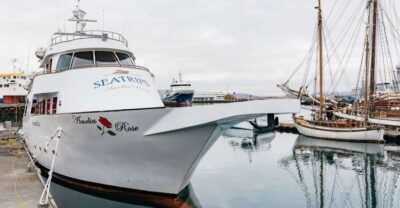
Whale Watching Cruise on the Amelia Rose Yacht
Read our review →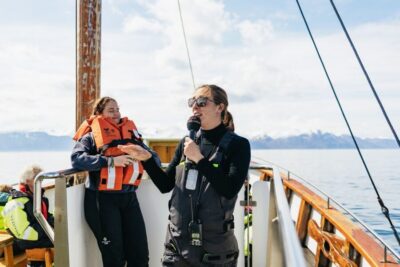
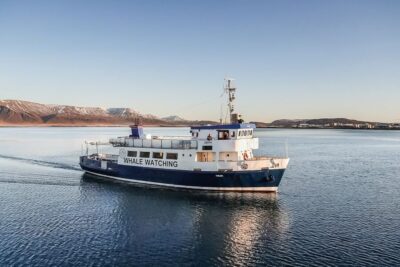
The Original Classic Whale Watching from Reykjavik
Read our review →
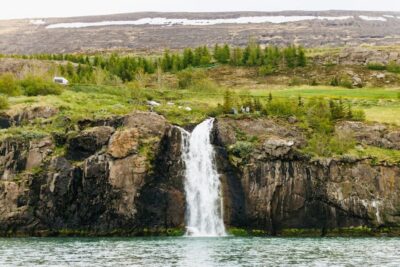
Whale Watching – Family Run with Indoor Seats
Read our review →Browse the lists this tour appears in