
Review · WHALE AND DOLPHIN WATCHING TOURS
Kona: Dolphin & Whale Watching Tour
Kona’s best feature on this 150-minute boat trip is the mix of wildlife watching and volcanic scenery. You are not simply motoring offshore and hoping for a whale. The captain points out sea caves, arches, and lava tubes, then uses an underwater hydrophone when whales are near enough to hear. I like the chance to watch Hawaiian Spinner Dolphins and the option to hear whale songs below the surface. I also like the onboard binoculars, which help when an animal appears far from the boat.
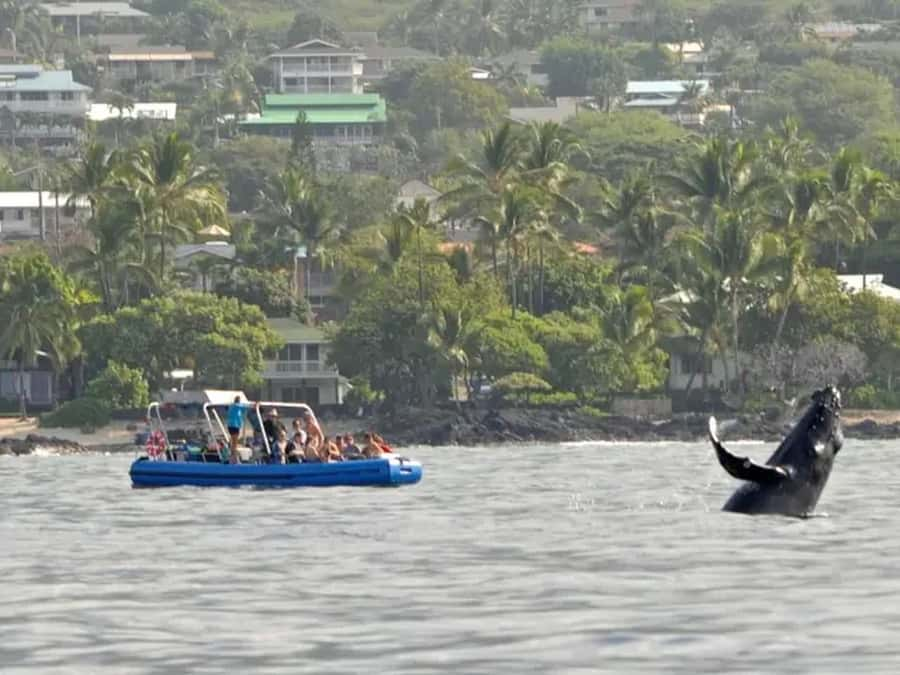
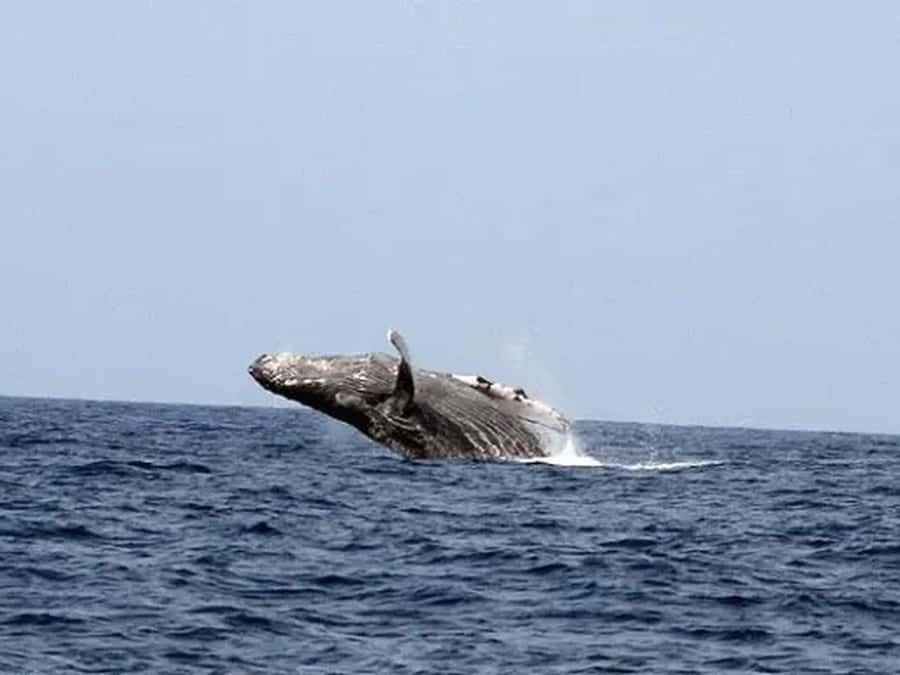
The main catch is that nature sets the schedule. Humpbacks are seasonal, and early winter can be too soon for good whale numbers. One January outing produced tail slaps and pectoral-fin displays but no full breaches, while another had engine trouble and returned about 15 minutes early. That makes this a good wildlife search, not a guaranteed whale show.
Key points at a glance
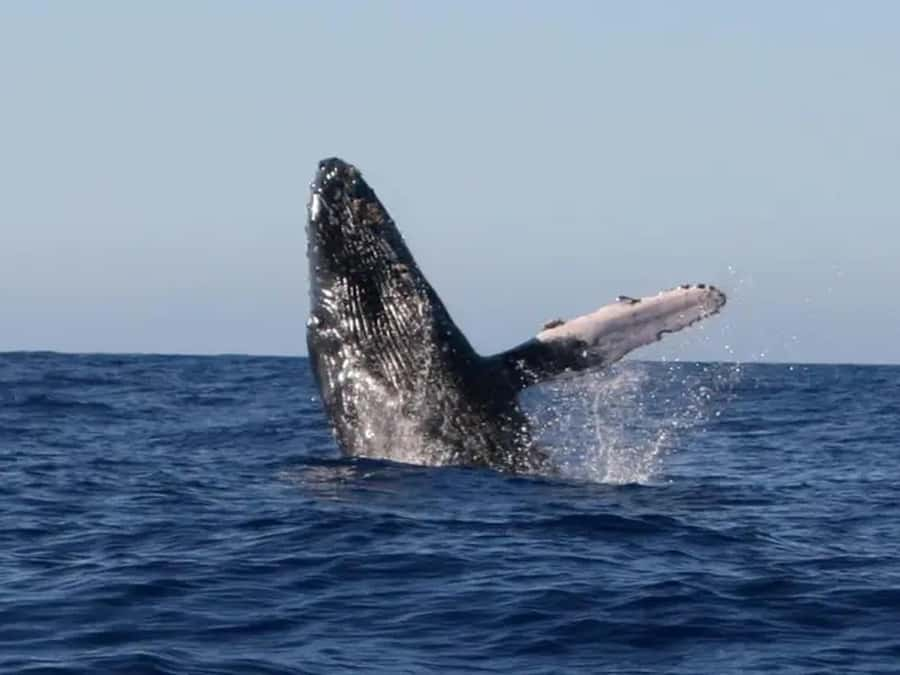
- Whale songs through a hydrophone: You may hear vocalizations beneath the boat, an unusual feature for a short sightseeing cruise.
- Spinner dolphins are a main target: Watch for leaps, turns, and other aerial movement along Kona’s coast.
- Volcanic scenery comes close: Sea caves, sea arches, and lava tubes add interest even when wildlife stays out of sight.
- Captain-led interpretation: The narration covers local history, geology, and marine life in an interactive format.
- Recent crew names to note: Dennis and Robert handled a January departure, with Robert receiving special praise for spotting distant whales.
- Practical timing matters: The tour lasts 2.5 hours, offers two departure times, and requires you to arrange your own way to Keauhou Bay.
Setting out from Keauhou Bay
Your tour starts with check-in at the operator’s retail location in Keauhou Shopping Center, at 78-6831 Alii Drive. Park near Tropics Tap House and walk into the center. From there, you drive to the actual launch point at Keauhou Bay, 78-7138 Kaleiopapa Street in Kailua-Kona.
This two-step meeting plan is the detail most likely to trip you up. The retail shop and the bay are separate places, and transportation between them is your responsibility. If you use Uber, the operator suggests adding both stops to the reservation so the driver waits while you check in and then takes you to the bay. You do not need to return to the shop after the cruise unless you want a souvenir.
Plan some breathing room before departure. You will need to complete an electronic waiver for each person, and the confirmation email gives your check-in time. Bring your sunglasses, hat, sunscreen, and camera. Leave luggage and large bags behind, since they are not allowed on board.
The boat has no restroom. I would make that a firm part of your pre-departure plan, especially since the trip is 150 minutes and the schedule includes time along the coast rather than a quick out-and-back run.
More Whale and Dolphin Watching Tours in the USA
- Maui Eco-Raft Tour: Eye-Level Whale or Dolphin Watching – Lahaina
★ 5.0 · 2,482 reviews - Monterey: Monterey Bay Dolphin and Whale Watching Boat Tour
★ 4.7 · 1,645 reviews - San Diego Whale Watching & Dolphin Cruise
★ 4.5 · 1,588 reviews
Searching for spinner dolphins along Kona’s coast
The wildlife search begins with a narrated cruise. The captain explains what you are seeing and keeps an eye on the water while you scan for movement. Hawaiian Spinner Dolphins are one of the main attractions, and their name gives you a good idea of what to watch for: leaps, spins, and quick bursts of activity at the surface.
Dolphins are fast and unpredictable. They may appear close to the boat, then vanish before you have your camera ready. The onboard binoculars help when a pod is farther away, but you should still spend time watching with your own eyes. A wide view makes it easier to catch the first splash or a group moving across the surface.
The captain and crew do much of the spotting work. On one January trip, Robert was especially effective at finding whales, even though there were no full breaches. The boat still saw pectoral-fin slaps and tails, which are rewarding sightings but less dramatic than the classic breach many people picture.
That distinction matters. If your main goal is a photograph of a whale launching clear of the sea, no captain can promise it. You are paying for time, local searching, interpretation, and the chance to see several types of marine life. The more flexible your expectations, the more satisfying this outing is likely to be.
Seasonal humpbacks and the timing question
Humpback whales are seen seasonally, and the month you choose matters. A December departure was considered too early for strong whale watching, with late January or mid-February suggested as a better window. Another January trip found whales, but not in large numbers and without any breaches.
That gives you a useful planning rule: do not book this as a year-round whale guarantee. If you visit during the stronger part of the season, your odds may improve, but sightings still depend on animal behavior and sea conditions. If you are in Kona outside the main humpback period, think of this as a general marine-life cruise with a seasonal possibility rather than a dedicated whale outing.
The boat does not only look for humpbacks. You might also see sea turtles, monk seals, or manta rays. These sightings are not promised, but they broaden the experience and make the trip worthwhile when whales are quiet.
The captain also shares information about the coast’s geology and local history. That narration gives the cruise some purpose beyond waiting for a blow on the horizon. You learn to connect the black volcanic shoreline, open water, and marine life as parts of one place.
Sea caves, arches, and lava tubes
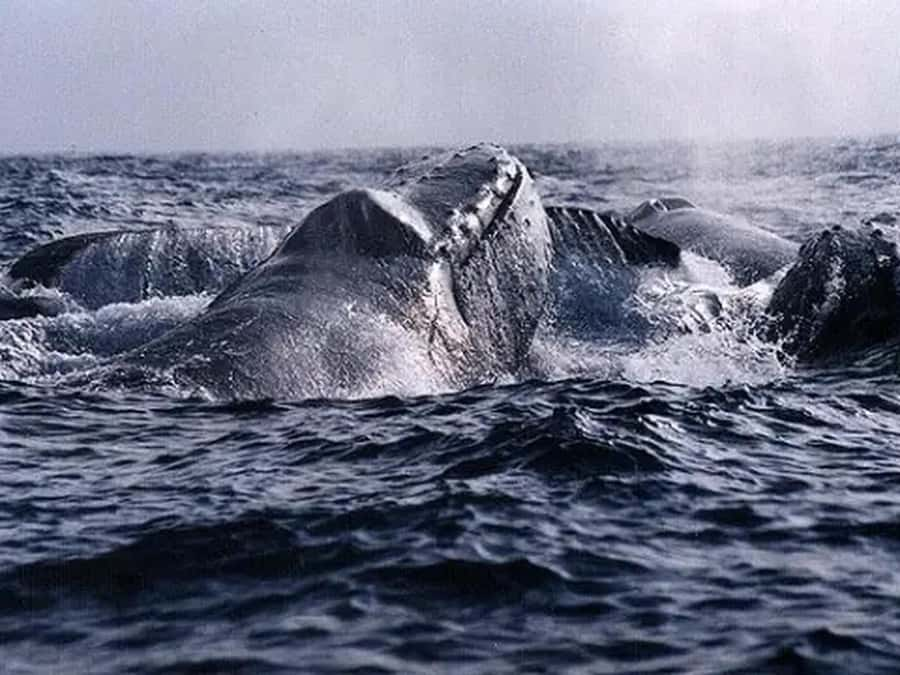
Kona’s coastline is the other half of the tour. The route includes stops or close passes by sea caves, sea arches, and lava tubes. These formations show how volcanic rock meets the ocean, and they give you something interesting to study between wildlife sightings.
A sea cave can look very different from the water than it does from shore. You notice the dark opening, the rock walls, and the way waves work into the space. Sea arches offer a natural frame through which you may see the coast or open sea. Lava tubes reveal the rough, unusual shapes left by volcanic activity.
The exact order and length of each stop are not specified, so you should not expect a fixed sightseeing timetable. Conditions, wildlife, and the captain’s judgment shape the route. That flexibility is useful on a wildlife trip, though anyone seeking a tightly timed geology tour may find the program less predictable.
I like this mix because it protects the outing from becoming a single-species hunt. Even if dolphins stay distant and whales do not cooperate, the coast itself gives the captain material to discuss and you plenty to photograph.
Same sea, a different boat:
- Juneau Wildlife Whale Watching
★ 5.0 · 7,379 reviews - Juneau Wildlife Whale Watching & Mendenhall Glacier
★ 5.0 · 6,236 reviews - Boston: City Cruises Whale Watching Cruise
★ 4.5 · 4,710 reviews - Whale Watching Tour in Gloucester
★ 5.0 · 4,460 reviews
Hearing whales beneath the boat
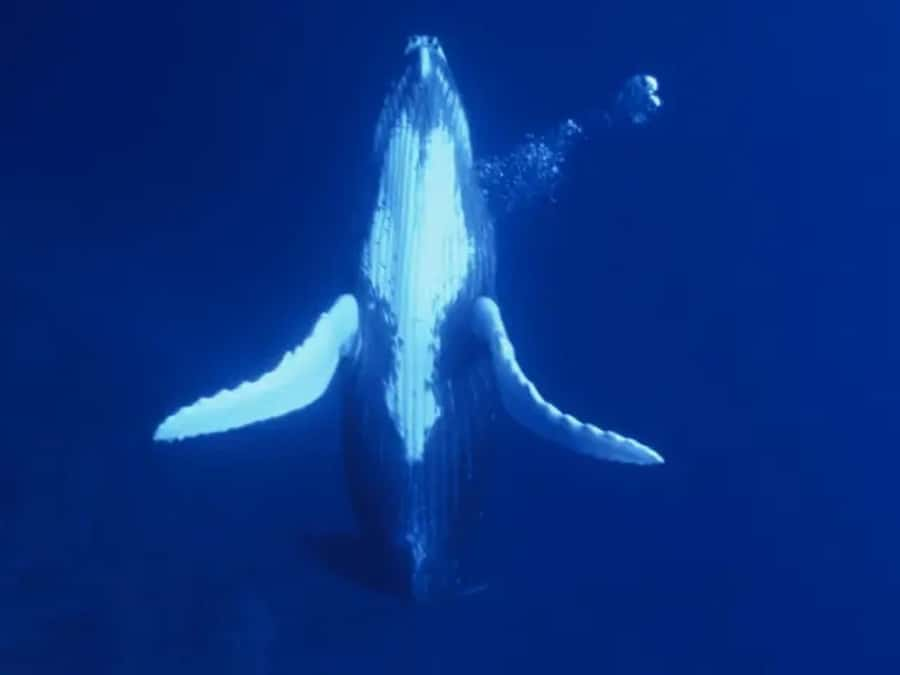
The underwater hydrophone is one of the most distinctive features here. When conditions allow, you can listen to whale vocalizations through the boat’s system. Seeing a whale is visual and immediate. Hearing one below the surface gives you a different sense of how much life is happening out of sight.
The hydrophone does not guarantee a soundtrack on every departure. It depends on whales being nearby and vocal, and the trip information does not promise a specific duration for listening. Still, it adds real value when it works, especially for people who enjoy learning how marine animals communicate rather than simply collecting photographs.
Captain narration continues during the cruise, with an interactive program focused on marine life, geology, and the area’s past. You can ask questions in English and use the binoculars supplied on board. Island juices and bottled water are included, which is useful in Kona’s sun, though meals and snacks are not.
Bring your own camera if photography matters to you. A camera is listed among the recommended items, but the operator does not promise professional photo service or close approaches. Keep your gear secure, since a moving boat and ocean spray are a poor combination for loose electronics.
What the 150 minutes feel like
Two and a half hours is a sensible length for this kind of trip. It is long enough to search different stretches of coast and wait for wildlife, but short enough to fit beside other Kona plans. Two departure times are available, so check the schedule against your day rather than choosing only by habit.
The pace is not constant action. Some minutes may bring dolphins or a whale tail. Other stretches may involve quiet scanning, captain commentary, or a closer look at volcanic formations. I see that as the honest rhythm of wildlife watching, but it is worth telling children and first-time boat passengers in advance.
Recent conditions show why patience matters. On one trip, the crew found several whales but then dealt with engine trouble, headed back slowly, and ended about 15 minutes early. Dennis, the captain, and Robert, the crew member, handled the unusual problem well and continued offering useful information. Still, the shortened trip meant less active searching and reduced value for the passengers.
That possibility is not a reason to avoid the tour, but it is a reason to keep your schedule flexible afterward. Do not place a critical dinner reservation immediately after the boat returns.
Price, value, and who should book
At $107 per person, this is not the cheapest way to spend a morning or afternoon in Kona. The price includes the captain’s narration, binoculars, island juices, and bottled water, but not food, transportation, or gratuity. You also pay for access to a boat-based search along the coast, not for a guaranteed whale encounter.
I think the price is reasonable for people who value several elements at once: a dedicated marine-life search, a captain-led program, volcanic shoreline views, and the hydrophone. The hydrophone is the feature that helps separate this trip from a basic scenic cruise. The binoculars also mean you do not have to bring specialized equipment to get a better look.
The value falls if your only goal is a large number of humpbacks. The supplied trip information shows that some winter dates produce modest sightings, and one outing was shortened by mechanical trouble. If you have a fixed budget and want certainty, this is a gamble. If you enjoy the search itself and accept that wildlife controls the result, the price makes more sense.
This tour suits adults, older children who can manage a boat ride, photographers, and anyone curious about Hawaii’s coast and marine life. Children under five cannot join, and unaccompanied minors are not allowed. It is not suitable for wheelchair users, pregnant women, people with back or heart problems, people with other serious medical conditions, or anyone over 70. Intoxication, alcohol, drugs, smoking, vaping, sprays, aerosols, pets, and large bags are not permitted.
Small details that make the trip easier
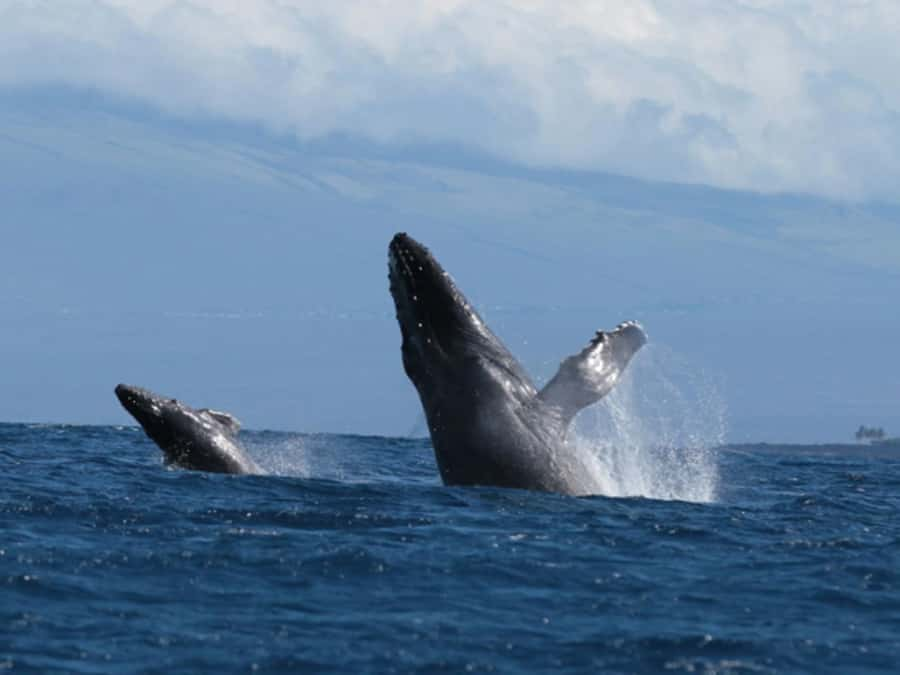
Wear sun protection from the start. Sunglasses and a hat are listed as essentials, and sunscreen is especially practical during an open-water search when shade may be limited.
Drink the provided water, but use the restroom before you leave. There are no facilities on the boat, and the trip is long enough for that detail to matter.
Do not count on buying lunch on board. Meals and snacks are not included, so eat beforehand or plan food for after the cruise. Keep any post-tour meal reservation loose in case the boat returns late.
Give yourself time to find both meeting points. The retail check-in at Keauhou Shopping Center is not the launch site. Sign the electronic waiver in advance for every member of your group, using the link supplied with the booking instructions.
The cancellation terms are fairly flexible: you can cancel up to 24 hours before departure for a full refund, and you can reserve now and pay later. That helps if your Kona plans are still shifting, though it does not remove the need to check the weather and your own health needs.
Should you book this Kona boat tour?
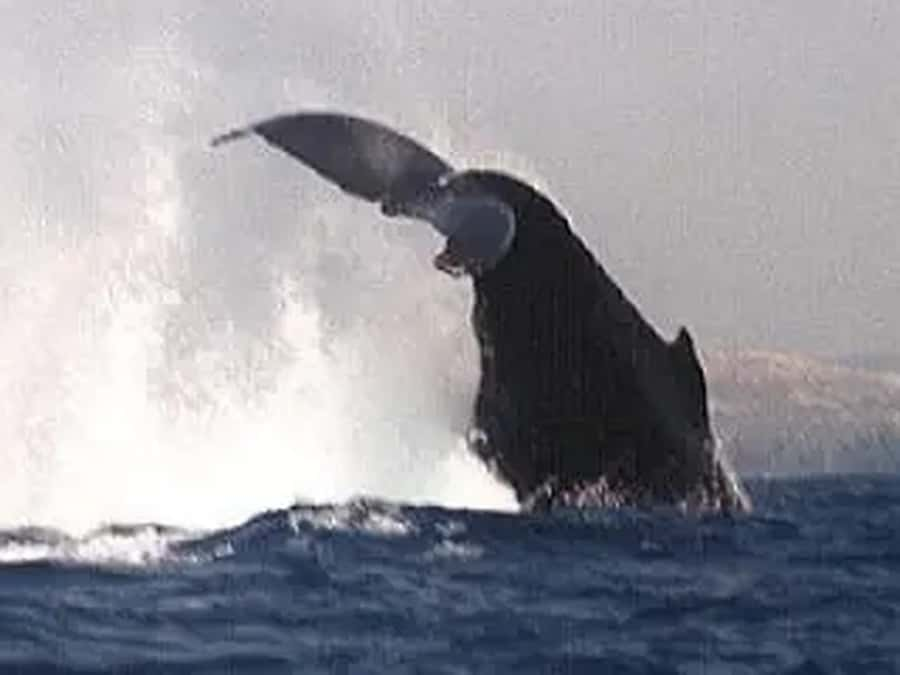
Book it if you want a general marine-life and coastline outing rather than a guaranteed whale performance. The hydrophone, binoculars, captain narration, and volcanic formations give you several ways to enjoy the 2.5 hours. Recent crew members Dennis and Robert also show the value of having people on board who actively scan and explain what you see.
Think twice if you are visiting early in whale season, need wheelchair access, cannot manage a boat without a restroom, or have a serious medical restriction listed above. Also skip it if a single dramatic breach is the main reason you are paying.
For the best chance at a satisfying whale-focused trip, consider a later winter date such as late January or mid-February, while remembering that sightings remain wild and uncertain. If you can accept tail slaps, fins, distant blows, dolphins, turtles, geology, and the occasional quiet stretch, this is a well-rounded way to get onto the Kona coast.
FAQ
How long does the Dolphin and Whale Watching Tour last?
The tour lasts 150 minutes, or 2.5 hours.
Where do I check in?
Check in at the retail location in Keauhou Shopping Center, 78-6831 Alii Drive. Park near Tropics Tap House and walk into the center.
Where does the boat leave from?
The crew meets you at Keauhou Bay, 78-7138 Kaleiopapa Street, Kailua-Kona, Hawaii 96740.
Is transportation to the meeting points included?
No. You are responsible for getting to the retail check-in location and then to Keauhou Bay.
What wildlife might I see?
You might see Hawaiian Spinner Dolphins, seasonal Humpback Whales, sea turtles, monk seals, and manta rays. Sightings are not guaranteed.
Can I hear whale songs?
The boat has an underwater hydrophone system that may let you hear whale vocalizations when whales are close enough and conditions allow.
Is snorkeling part of the tour?
No. This is a non-snorkeling boat trip focused on watching and learning about marine life.
What is included in the price?
Captain narration, use of onboard binoculars, island juices, and bottled water are included.
Are food and snacks provided?
No. Meals and snacks are not included, so plan to eat before or after the tour.
Is there a restroom on the boat?
No. Restroom facilities are not available on board.
Can young children join?
Children under five cannot participate, and unaccompanied minors are not allowed.
What should I bring?
Bring sunglasses, a hat, sunscreen, and a camera. Large bags and luggage are not allowed.
What happens if I need to cancel?
You can cancel up to 24 hours in advance for a full refund. The reservation also offers a pay-later option.
New whale trips around the USA
- Newport Beach: Year-Round Whale Watching Cruise★ 4.2 · 151 reviews
- Juneau: Mendenhall Glacier and Whale Watching Tour★ 4.6 · 98 reviews
- West Oahu: Eco-Friendly Whale Watching Cruise★ 4.5 · 40 reviews
- Oahu: Waikiki Eco-Friendly Morning Whale Watching Cruise★ 4.4 · 119 reviews
- Whale Watch Sail Ma’alaea★ 4.9 · 27 reviews
- Whale and wildlife watching Private and Semi-Private tours★ 5.0 · 2 reviews
- Waikiki: Sunset Whale Watching with 2 Drinks (BYOB-Friendly)★ 4.3 · 34 reviews
- Oahu: Waikiki Eco-Friendly Afternoon Whale Watching Trip★ 4.5 · 60 reviews
Whale and Dolphin Watching Tours, compared.
Eco-Yacht Whale and Dolphin Watching and Swimming
Read our review →
Los Cristianos Respectful No-Chase Whale and Dolphin Safari
Read our review →

Whale & Dolphin Eco-Cruise with Snacks & Drinks
Read our review →
Dolphin & Whale Watching Cruise with Swim Stop
Read our review →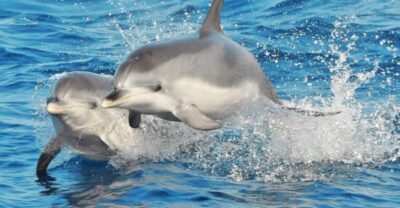
Morro Jable: Dolphin & Whale Watching Cruise, Drinks & Swim
Read our review →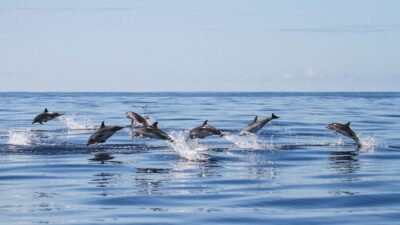
Browse the lists this tour appears in