
Review · WHALE WATCHING AND SNORKELING TRIPS
Trincomalee: Whales Watching and Navy Island Snorkeling Tour
Trincomalee gives you two very different sea experiences in one morning: the wide-open search for whales and dolphins, followed by calm-water snorkeling among coral, fish, and turtles. The early start matters. Boats leave around sunrise, when the sea is often at its calmest and the light is lovely on the coast.
I like the small-group boat and the crew’s effort to keep a respectful distance from marine life. I also like the practical second half of the tour: if whales keep their distance, you still have a guided reef outing at Navy Island, with equipment and underwater photos included.
The main catch is simple: whales are never guaranteed. Several departures have produced plenty of dolphins but no whales, and the sea can be crowded with other boats during busy periods. If you book this mainly for a blue whale, keep your expectations sensible.
Key points to know before booking
- Sunrise start: Early departures can begin around 6:00 a.m., with tea or coffee at the beach meeting point.
- Two-part sea day: The tour combines open-water whale and dolphin watching with guided snorkeling at Navy Island.
- Strong marine sightings: Blue whales, fin whales, sperm whales, spinner dolphins, sea turtles, parrotfish, clownfish, boxfish, and needlefish have all been seen.
- Helpful snorkeling support: A guide stays with the group and can assist beginners, but the tour is not suitable for non-swimmers.
- Useful extras: Mask, fins, life jacket, wetsuit if needed, bottled water, fruit, light refreshments, and underwater photos and videos are included.
- Good cancellation terms: You can cancel up to 24 hours ahead for a full refund, and reserve now while paying later.
A sunrise start at Fernandos Beach
Your morning begins at Trinco Bay Dive Center on Fernandos Beach. The welcome is low-key and useful: tea or coffee, a short wait while the group gathers, and a chance to sort out your swimwear and belongings before going to sea.
The early hour is part of the attraction, not just a scheduling detail. One departure began at 6:00 a.m., with sunrise over the coast and several boats heading out at roughly the same time. The sight of boats racing toward open water can feel lively, especially if you have a child with you, though it also hints at the main issue with popular whale watching in Trincomalee: you may not have the ocean to yourself.
Arrive on time. The outing lasts five hours, but the schedule depends on sea conditions and how quickly the group gets on the water. Bring swimwear, a towel, sunscreen, and a change of clothes. A bag cover is worth considering, since one person found the protection for personal items a little limited.
The tour is not sold as a private outing. Its advantage is a smaller, less crowded boat than some alternatives, not total solitude. That distinction matters when you compare the $84 price with cheaper operators.
More Whale Watching and Snorkeling Trips in Sri Lanka:
- Snorkeling with Whales in Mirissa
★ 4.5 · 42 reviews - All Inclusive Mirissa Whale & Dolphin Watching + Snorkeling
★ 3.9 · 3 reviews - Mirissa: Whale Watching, Snorkeling, and Coconut Hill Tour
★ 5.0 · 2 reviews
What the open-water search is really like
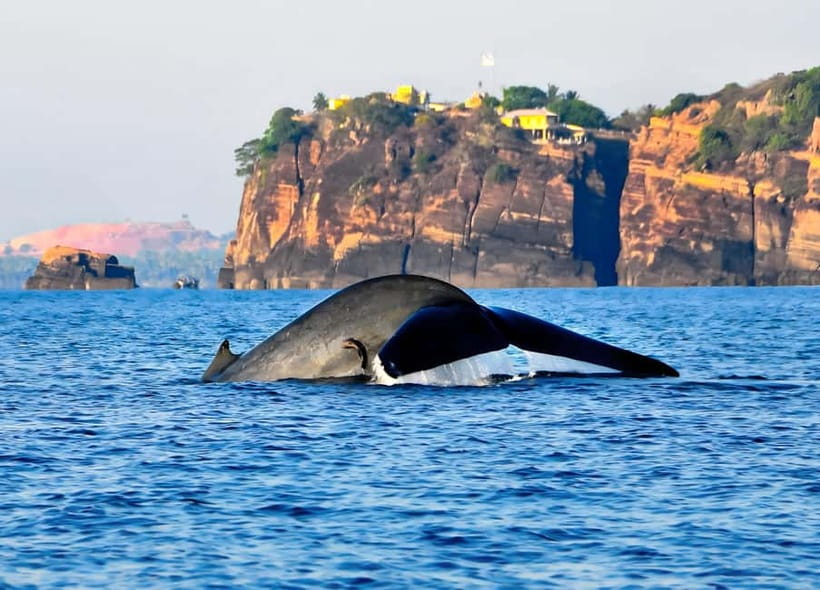
The first boat ride takes you away from the shore into the deeper waters off Trincomalee. The crew looks for blue whales and sperm whales, with fin whales also possible, and keeps an eye out for spinner dolphins.
This is wildlife watching, not a fixed attraction. Some mornings produce an impressive mix of animals. Blue whales have been seen close enough to make a lasting impression, while other trips have found fin whales and several pods of dolphins. Spinner dolphins are often the most reliable sighting, and their movement around the boat can be lively without requiring the captain to chase them.
Other mornings bring dolphins but no whales. That is not a small detail. If your heart is set on seeing a whale, you need to accept that the sea may give you only part of what you hoped for. The tour description makes whale sightings sound common during the right season, but it also correctly says they cannot be guaranteed. Local conditions can change, and whale season is not equally strong at every point in the year.
The best conduct from a boat is patient and restrained. The crew has been praised for stopping the engine near dolphins, avoiding cutting across the animals’ path, and staying out after other boats had left. That approach is especially important when several operators gather around the same whale or pod.
You may still see behavior that makes you uncomfortable. At busy times, boats can appear to compete for a good position, and one account described another company striking a whale with its boat. That is not a criticism of this operator’s crew, but it is a realistic reminder that an eco-friendly promise depends partly on how the wider fleet behaves.
Dolphins may be the morning’s main event
Spinner dolphins are often the star of this part of the trip. You may see them traveling beside the boat or playing in its bow wave. The crew’s job is to give you a clear view without forcing the encounter.
The boat can be a good choice if you dislike large, packed excursions. One person specifically valued the small, safe boat and the lack of crowding. That does not mean the sea will be quiet. Several boats may leave together, and when dolphins appear, more boats may gather.
I would judge the whale watching as a success if you see dolphins, learn how the crew handles wildlife, and perhaps spot a whale. That mindset keeps the experience enjoyable when the largest animals stay below the surface. If you need a guaranteed sighting, no responsible wildlife tour can promise that.
The guides speak English, Dutch, German, Russian, Spanish, French, and Singhalese. The exact guide may vary, but Shammy received particular praise for making the dolphin and snorkeling portions enjoyable. The crew’s role is not just to point at animals. They also manage distance, safety, and the timing of the return to shore.
The break before Navy Island
After the marine safari, you return to shore for a short pause before snorkeling. Tea or coffee is served at the start, while the later break is described as light refreshments and fresh seasonal fruit.
This stop is practical rather than fancy. You get a chance to drink, eat something, and reset after the boat ride before putting on snorkeling gear. The amount and timing of the food may vary. Most of the information describes fruit and a snack, but one departure did not receive the expected refreshments, so I would not book this for a substantial meal.
The short break also helps divide the day into two clear sections. You are not expected to spend five straight hours in the water. If you are prone to seasickness or simply find an early boat trip tiring, that pause is welcome.
More whale watching around Sri Lanka worth comparing
- Whales and Dolphins Watching-Luxury Super Grade Cruiser(Hotel Pick up offered)
★ 5.0 · 1,268 reviews - Whale Watching Mirissa with ( WWC )
★ 5.0 · 252 reviews - Whale Watching Mirissa with Eagle Eye
★ 4.5 · 128 reviews - Sports Boat- Private Whale Watching Trip( free breakfast & paid pick-up)
★ 5.0 · 93 reviews
Navy Island and the reef stop
The snorkeling section takes place in calm, shallow water around Navy Island. The setting is suited to beginners who can swim, and a guide stays with the group to point out marine life and help you stay comfortable.
You may see coral gardens, tropical fish, eels, and sea turtles. Specific sightings have included green turtles, hawksbill turtles, parrotfish, clownfish, boxfish, and needlefish. The water has been described as clear, with good views down to the reef.
The turtle encounters can be wonderful, but they can also draw a crowd quickly. Once one is spotted, everyone may move toward the same animal. The right response is to keep space, avoid touching it, and let it swim away freely. The no-touch rule applies to all marine life, not just turtles.
The name Navy Island may give you the impression of a traditional island beach stop. In practice, the snorkeling area can feel more like a reef and coastal swimming site, and the exact stop or access point may not match what you picture from the name. That is worth knowing if you are comparing it with a full island excursion.
One advantage is that the stop can feel less busy than the better-known Pigeon Island option. The trade-off is that Navy Island may not have the same formal park setting or recognizable island arrival. You are booking the underwater life and the guided access, not a grand land-based island tour.
Why the guide matters underwater
A good snorkeling guide changes the outing from simply floating with a mask into a more rewarding search for marine life. The guide can lead you toward fish, locate turtles, watch the group, and help you use the equipment properly.
This is particularly useful if you are not a confident swimmer. One person who felt unsure in the water said the guide stayed close and helped them feel safe. The equipment includes mask, fins, life jacket, and a wetsuit if needed. You should still tell the operator in advance if you cannot swim or need extra assistance.
There is an important limit: non-swimmers are not suitable for this activity. Calm, shallow water is helpful, but it does not remove the need to swim. Pregnant women and people with serious back problems are also advised against joining because of sea conditions and boat movement.
The group may not always move in a perfectly obvious line. One person wanted clearer instructions about where the snorkeling group was heading and where the boat would collect everyone. Listen carefully to the briefing, stay close, and ask the guide to repeat the plan if you are unsure.
Underwater photos are a useful bonus
Free underwater photos and videos are included, often sent later through WhatsApp. The crew may use its own camera, and the guide may also help with your personal GoPro.
This is more valuable than it sounds. Snorkeling is hard to document while you are trying to keep your mask clear, watch a turtle, and avoid bumping into coral. A few decent images let you remember the reef without spending the whole outing managing a camera.
Do not treat the footage as the main reason to book. The availability and timing have not been perfect on every departure. One person said no photos were offered as advertised, while others received strong GoPro images and videos. If the footage matters to you, confirm how and when it will be delivered before leaving the beach.
The marine rules are straightforward: no smoking, no littering, and no touching marine life. Biodegradable sunscreen is recommended. Apply it before entering the water and be careful not to stand on coral, even in shallow areas.
Is $84 good value?
At $84 per person, this is not the cheapest way to go out on the water. You may find lower-priced boats offering a similar whale and dolphin route, and several operators may use comparable boats in the same area.
The value comes from combining two activities without making you arrange them separately. You get the whale and dolphin boat trip, Navy Island snorkeling, equipment, a snorkeling guide, safety support, bottled water, refreshments, fruit, and underwater media. If you would otherwise pay separately for equipment rental and a guide, the price becomes easier to justify.
The small-group format is another part of the value. It does not guarantee an empty sea, but it can feel more personal than a packed boat. The crew’s care around dolphins and whales also matters if responsible wildlife watching is a priority for you.
The price does not include transport to the meeting point. Pickup can be arranged from Trincomalee, Uppuveli, Nilaveli, Kuchchaveli, Pasikuda, Arugam Bay, Kandy, Sigiriya, Habarana, Dambulla, and nearby areas, but an extra charge may apply. If you are staying outside Trincomalee, ask for the transfer cost before booking so the real total is clear.
Who should book this five-hour outing?
I would recommend it to confident swimmers, families with older children, wildlife lovers, and anyone wanting a full morning on the water. The snorkeling is beginner-friendly for swimmers, and the guide support can help if you are nervous rather than completely unable to swim.
It also suits you if you like having a backup plan. A whale search can end with dolphins only, but the reef portion still gives you a proper marine activity with coral, fish, and a fair chance of seeing turtles.
I would be more cautious if you are booking solely for a whale photograph, dislike early starts, or want a quiet private boat. I would also compare prices if you are comfortable arranging snorkeling yourself and do not need an included guide or equipment.
Weather can force a reschedule if the sea becomes rough. You can cancel up to 24 hours before departure for a full refund, and the reserve-now, pay-later option gives you some flexibility while you watch the forecast.
Should you book it?
Book this tour if you want the best chance of seeing a mix of Trincomalee’s marine life in one organized morning, and if you value a guide, equipment, and underwater photos. The strongest parts are the respectful crew, the smaller boat, the lively dolphin sightings, and the well-supported snorkeling at Navy Island.
Skip it if a whale is your only goal or if you can’t swim. For everyone else, $84 is a fair price for a two-part outing, as long as you understand that nature sets the schedule. Go for the dolphins, coral, and possibility of whales, not a guaranteed checklist.
FAQ
How long does the Trincomalee whale watching and snorkeling tour last?
The activity lasts five hours. Starting times vary, so you should check availability when booking.
Where is the meeting point?
The meeting point is Trinco Bay Dive Center on Fernandos Beach in Trincomalee.
Are hotel transfers included?
No. Transport to the meeting point is not included, but pickup and drop-off can be arranged for an additional charge from Trincomalee and several nearby destinations.
Can I see blue whales and sperm whales?
Blue whales and sperm whales are among the species the crew looks for. Whale sightings are common during the appropriate season, but they cannot be guaranteed.
What other animals might I see?
You may see spinner dolphins, fin whales, sea turtles, coral, and tropical fish. Sightings have included green turtles, hawksbill turtles, parrotfish, clownfish, boxfish, and needlefish.
Is the snorkeling suitable for beginners?
The snorkeling takes place in calm, shallow water and includes an experienced guide. It is suitable for beginners who can swim, but the activity is not suitable for non-swimmers.
What equipment is provided?
The tour provides a mask, fins, life jacket, and wetsuit if needed. Bottled water, safety support, light refreshments, and fresh seasonal fruit are also included.
What should I bring?
Bring swimwear, a towel, sunscreen, and a change of clothes. Biodegradable sunscreen is recommended to help protect the coral reefs.
New whale trips around Sri Lanka
- Whale Watching Tour with Transfers★ 3.6 · 4 reviews
- Trincomalee : Whale & dolphin watching +pigeon island tour★ 4.5 · 3 reviews
- Trincomalee: Whale & Dolphin Safari Tour with Expert Guides★ 4.2 · 53 reviews
- Trincomalee: Dolphin & Whale Watching Boat Tour★ 4.2 · 37 reviews
- Whale & Dolphin Watching Tour in Trincomalee | Scenic Boat Ride★ 4.0 · 8 reviews
- Whale Watching in Trincomalee by Catamaran cruise★ 4.0 · 2 reviews
- Whale & Dolphin Watching Trincomalee★ 4.5 · 4 reviews
- Whale Watching Galle with Pickup & Drop★ 3.5 · 2 reviews
Whale Watching and Snorkeling Trips, compared.
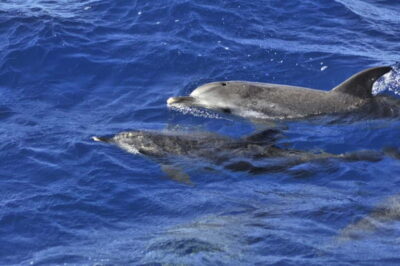
From Morro Jable: Dolphin and Whale Watching and Snorkelling
Read our review →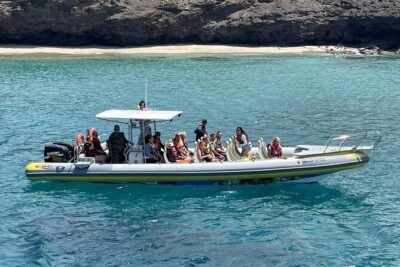
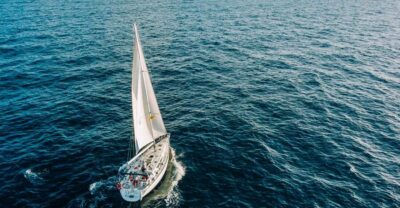
Sailboat Tour Whale Watching Food and Snorkeling
Read our review →
Fijian Islands and Snorkel Full-Day Whales Tale Cruise including Beach BBQ Lunch
Read our review →
Kayak & Turtle Town Snorkel(Turtles Guaranteed) + Whale Watching
Read our review →
Tenerife Whale Watching and Snorkeling Yacht Trip
Read our review →
Browse the lists this tour appears in