
Review · SPAIN WHALE WATCHING TOURS
Whale Watching
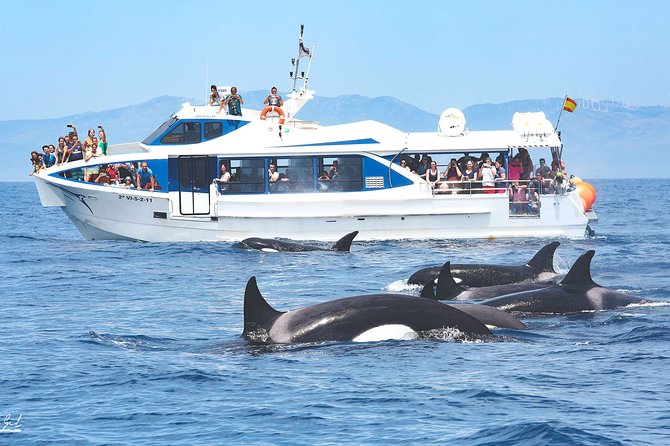
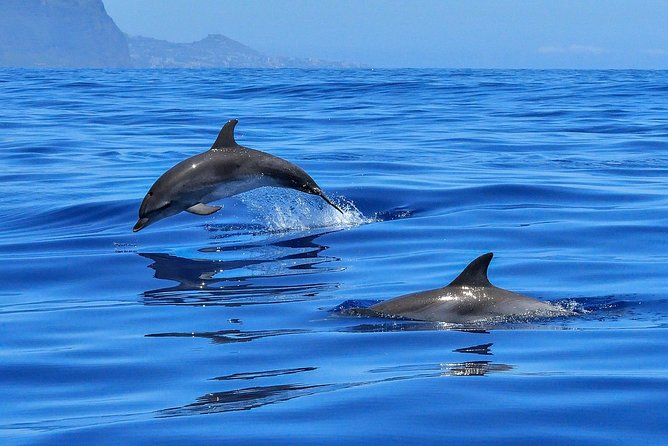
The best part of this Tarifa outing is the setting: you are sailing through the Strait of Gibraltar, where the Mediterranean meets the Atlantic and seven cetacean species may pass through. Pilot whales, dolphins, and sperm whales have all been seen, sometimes close enough for you to hear them breathe.
I like two things here. First, the crew follows Spanish and ACCOBAMS wildlife rules, approaching carefully rather than chasing animals. Second, the English explanations help you understand what you are seeing, while the second-chance policy gives you some protection if the first outing comes up empty. The main drawback is that rough water can cause seasickness, and nature never follows a timetable, despite the operator’s very high sighting claim.
Key points at a glance
- A meeting point between two seas: The boat heads into the Strait of Gibraltar, an International Biosphere Reserve since 2006.
- Seven possible cetacean species: Depending on season, food, and migration, you might see dolphins, pilot whales, sperm whales, or other species.
- About 2 hours 30 minutes on the water: The outing begins and ends at Calle Alcalde Juan Núñez in Tarifa.
- Wildlife comes first: Feeding animals, throwing objects, shouting, and running on the boat are prohibited.
- Small enough to move around: The boat takes a maximum of 50 people, allowing you to change position when animals appear.
- Bring protection from sun and wind: Pack sunscreen, a cap, a coat, comfortable shoes, and seasickness medicine if you need it.
Tarifa is not just a convenient launch point. It sits beside one of Europe’s great marine crossroads, where the Atlantic and Mediterranean meet. Water, currents, migrating fish, and moving whale populations all gather in this narrow passage.
That makes the setting more interesting than a standard coastal boat ride. You are not sailing out to a single fixed viewing area. You are searching a living marine corridor where conditions change by the hour. The day’s sightings depend on migration routes, food, and breeding periods.
The area was declared an International Biosphere Reserve by UNESCO in 2006. That designation matters because it reflects the value of the whole marine zone, not just the chance of seeing a charismatic animal. You are visiting a place where careful behavior is part of the experience.
The operator says the chance of a successful sighting is practically 100 percent, and a second outing is offered in the rare event that the first attempt finds nothing. I would treat that as encouraging rather than guaranteed. Whales and dolphins are wild animals, and a high success rate cannot promise a particular species, close approach, or dramatic tail display.
Leaving Calle Alcalde Juan Núñez
The tour starts and ends at Calle Alcalde Juan Núñez, 11380 Tarifa, Cádiz. The published operating hours are 9:00 a.m. to 3:00 p.m., with the listed seasons running from April 1 to October 15, 2026, and from March 14 to October 30, 2027.
The information provided does not give a detailed check-in routine, so you should allow enough time to locate the meeting point without rushing. Your confirmation is issued at booking, and the experience is offered in English.
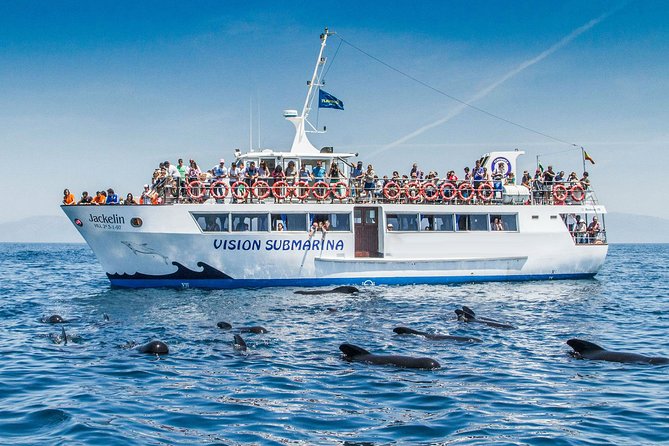
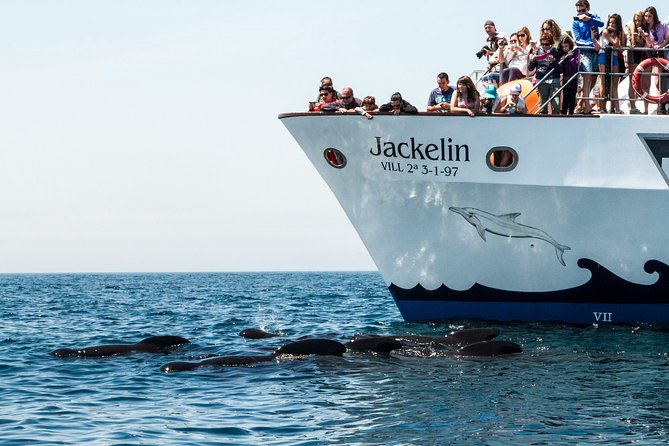
The boat carries no more than 50 people. That is not a private cruise, but it is also not an enormous sightseeing ship. The capacity matters once an animal appears. You may need to shift position or look across other passengers, yet the size should still allow people to move around the boat. One especially good sighting involved a pod of pilot whales and young animals, with people able to move around for different views.
The outing lasts about two and a half hours. That gives the crew time to leave the harbor area, search, pause for sightings, and return. It also means you should plan for a full stretch of sun, wind, and boat movement rather than a quick ride with a whale added on.
More whale watching around Spain worth comparing
- Tenerife: Eco-Yacht Whale and Dolphin Watching and Swimming
★ 4.7 · 15,619 reviews - Los Cristianos Respectful No-Chase Whale and Dolphin Safari
★ 4.6 · 12,782 reviews - Costa Adeje: Whale & Dolphin Eco-Cruise with Snacks & Drinks
★ 4.6 · 5,096 reviews
Searching the Strait, Not Chasing a Show
The boat’s purpose is to locate cetaceans while causing as little disturbance as possible. The crew follows distances, speeds, and approach directions set by Spanish law and the ACCOBAMS regulations.
That affects the pace. You may spend quiet periods looking across open water before the captain spots something. This is not a staged animal show, and the boat will not simply race toward every fin. If an animal shows signs of disturbance, the crew is expected to leave the area.
You are not allowed to feed the animals, throw anything into the sea, shout, or run on the boat. These rules are practical, not fussy. Loud behavior and loose objects create problems for both wildlife and the people around you. Keep water bottles and other belongings inside your bag when possible. Two bottles reportedly went overboard on one outing, a useful reminder that plastic in the sea is not a harmless mistake.
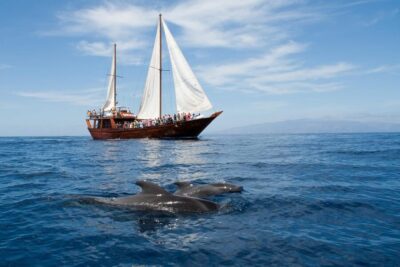
The crew’s restraint is part of the value. A close encounter is meaningful because the animal chooses to come near, not because the boat forces the meeting. Several sightings included bottlenose dolphins and pilot whales approaching the boat while it remained at a respectful distance.
Which Whales and Dolphins Might Appear
Seven cetacean species live in or pass through this marine area, though the exact mix depends on food, migration, and reproduction. The supplied information does not promise a particular species, but the recorded sightings give you a useful idea of the range.
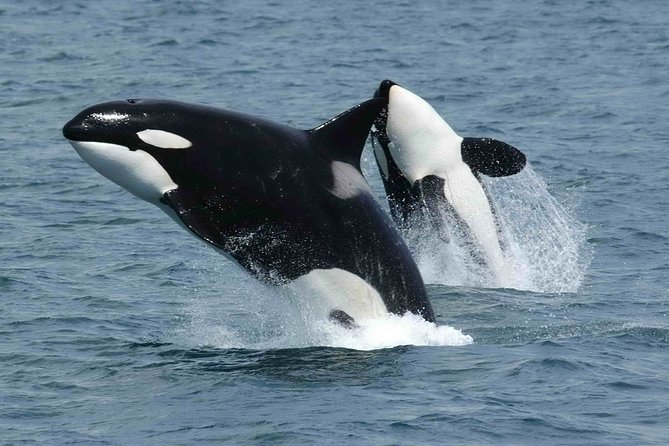
Bottlenose dolphins may approach in groups and swim close to the boat. Pilot whales are another strong possibility, including pods with young animals. Sperm whales have also been seen, and their tall spouts and slow submergence can make them a memorable sight.
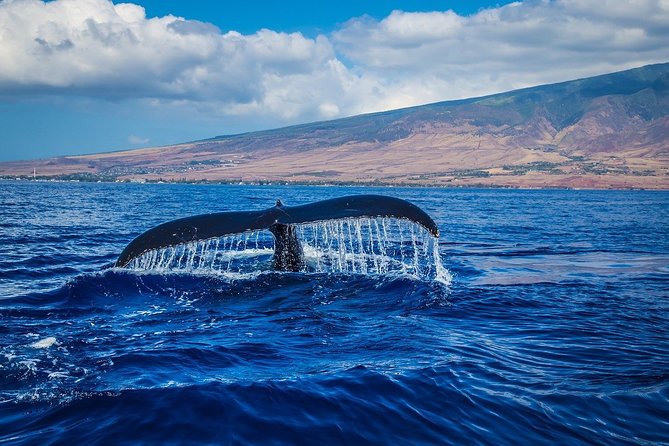
A sperm whale lifting its tail before going below the surface is one of the great moments of this type of outing. It is not something you can order up, and you might see only a brief portion of the animal before it disappears. That uncertainty is part of the appeal, though it can test your patience.
You may also see other dolphin or whale species found in the Strait. The guide’s role is important here. A quick glimpse of a fin can be hard to identify on your own, while a guide can explain what you are looking at in English and place it in the wider marine setting.
Sofia, Alba, and Víctor have been named as hosts on one outing. The available information does not assign a particular guide to every departure, so you should not assume all three will be present. Still, their names show that the experience includes a human layer beyond the captain’s wildlife spotting.
What a Typical Two-and-a-Half-Hour Outing Feels Like
The first part is the departure from Tarifa and the move into the Strait. You will want to keep your eyes open from the start, but do not expect constant action. The captain and crew need to search a broad area, and the boat may slow or pause when something is spotted.
The middle section is the heart of the trip. This is when the captain looks for blows, fins, movement, and groups of animals at the surface. The guide provides explanations in English, helping you connect a quick sighting with a species and its behavior.
When animals appear, the boat follows the required approach rules. You may see dolphins near the hull or a pod of pilot whales spread across the water. If the group is moving, the boat may adjust position carefully, but it should not crowd the animals.
The return journey gives you time to settle after the excitement. It is also when seasickness can become more noticeable, especially if the water is uneven. One account described the crew helping both children and adults who felt sick on the way back. I would take your usual seasickness remedy before boarding if you are prone to motion sickness, rather than waiting until you feel unwell.
The experience ends back at the original meeting point. There is no separate transport, meal, or land-based wildlife stop included in the information provided.
Same sea, a different boat:
- Los Gigantes: Dolphin & Whale Watching Cruise with Swim Stop
★ 4.7 · 4,539 reviews - Morro Jable: Dolphin & Whale Watching Cruise, Drinks & Swim
★ 4.1 · 4,158 reviews - From Morro Jable: Dolphin and Whale Watching and Snorkelling
★ 4.6 · 3,687 reviews - Costa Adeje: Whale Watching Catamaran Tour with Drinks
★ 4.7 · 3,653 reviews
The Weather, Wind, and Comfort Question
Tarifa is known for strong wind, and a boat crossing can feel much cooler than the temperature on land. Bring sunscreen and a cap for glare and sun exposure, but also pack a coat. Comfortable shoes are recommended, which makes sense on a moving deck.
The tour requires good weather. If poor conditions cancel the outing, you are offered another date or a full refund. That is helpful, though it means you should avoid placing this activity on the one day when a tightly packed schedule leaves no room for change.
The boat can hold up to 50 people, and most people can take part. Service animals are allowed. The supplied information does not give details about wheelchair access, toilet facilities, seating, or the exact boat design, so contact the provider if you need specific assistance.
A coat and sensible shoes are not optional extras for comfort. Even on a warm day in Tarifa, wind across open water can leave you cold after two hours. Keep your belongings secure, especially bottles, phones, hats, and anything that can roll or blow overboard.
Is the $69.77 Price Good Value?
The listed price is $69.77 per person. For a two-and-a-half-hour marine wildlife outing in a famous international strait, that can be fair value, particularly if the English guidance is useful to you and you make a meaningful sighting.
The value depends heavily on what you expect. If you want a guaranteed close view of a named whale species, no wildlife tour can honestly promise that. If you are happy to spend time at sea in a protected marine zone and accept that the animals set the schedule, the price makes more sense.
One customer raised a separate concern about the difference between a usual €40 ticket and a €54 final price, attributing the gap to a €14 booking increase. The supplied booking information lists $69.77 per person, so check the final amount and any added charges before you pay. That price question is worth taking seriously because an unexpected fee can change your view of the value.
The second-chance policy improves the deal. If the first outing does not meet its objective, you may be offered another attempt. The exact arrangement should be confirmed at booking, but the policy gives you more reassurance than a strict one-shot departure.
Free cancellation is available until 24 hours before the start time for a full refund. Changes or cancellations inside that 24-hour window are not accepted for a refund. The cut-off uses local time. If the minimum number of participants is not reached, you are offered another date or experience, or a full refund.
Who Will Enjoy This Most?
I would recommend this outing to anyone who enjoys wildlife without needing every minute planned. Families can take part, but children may need extra attention on a moving boat, especially if the sea is rough. The crew has helped sick children and adults before, but prevention is still easier than treatment.
It suits photographers, though you should not expect every image to be sharp or perfectly timed. A whale can surface far away, a dolphin can vanish in seconds, and other people may be moving around the boat. Use a secure strap and protect your equipment from spray.
It also works well for people who want a break from Tarifa’s streets and beaches. The point is not only the animals. You are seeing a major sea passage from the water, with the chance to watch behavior that cannot be repeated on demand.
You may want to reconsider if you dislike open water, get severe motion sickness, or need a fixed end time. The duration is approximate, and wildlife sightings can make the trip feel very different from one departure to the next.
Should You Book This Tarifa Whale Watching Trip?
Book it if you want a well-regulated search for wild dolphins and whales in one of Europe’s most important marine crossings. The best reasons are the English commentary, the maximum group size of 50, the careful wildlife rules, and the second-chance option if the first trip finds nothing.
Go in prepared. Take seasickness medicine if needed, wear comfortable shoes, bring sunscreen, a cap, and a coat, and secure every loose bottle. Check the final price before payment, and keep a spare day or flexible plan in case weather affects the departure.
I would choose this experience for the setting and the chance of seeing pilot whales, bottlenose dolphins, or sperm whales, not because the operator can control nature. If that sounds like the right kind of adventure, the $69.77 price can be worthwhile.
FAQ
Where does the whale watching tour start?
It starts at Calle Alcalde Juan Núñez, 11380 Tarifa, Cádiz, Spain.
Where does the experience end?
The outing ends back at the original meeting point.
How long does the whale watching experience last?
It lasts approximately 2 hours and 30 minutes.
What animals might I see?
The Strait of Gibraltar has seven cetacean species. Possible sightings include dolphins, pilot whales, and sperm whales, depending on migration, food, and breeding periods.
Is wildlife guaranteed?
The operator states that the probability of a successful sighting is practically 100 percent and offers a second chance in the rare event of no sighting on the first attempt. Wildlife remains unpredictable, and no particular species or close approach is guaranteed.
Is the tour offered in English?
Yes. The experience is offered in English, including guide information during the outing.
How many people can join the boat?
The maximum group size is 50 participants.
What should I bring?
Bring sunscreen, a cap, a coat, and comfortable shoes. A seasickness remedy may also be useful if you are sensitive to boat movement.
Can I cancel for a full refund?
Yes. You can cancel at least 24 hours before the start time for a full refund. Poor weather or failure to meet the minimum number of participants may also lead to an alternative date or a full refund.
New whale trips around Spain
- Tenerife Whale Watching and Snorkeling Yacht Trip★ 4.5 · 162 reviews
- Whale watching and snorkelling in the whale sanctuary★ 5.0 · 14 reviews
- Whales and Dolphins excursion on a Luxury Yacht in Canary Islands★ 5.0 · 93 reviews
- Whale & Dolphin Watching With Mustcat Virgin Coast Trip On a Large Catamaran★ 4.0 · 3 reviews
- Whale and Dolphin Watching EcoAdventure in Tenerife★ 5.0 · 78 reviews
- Whale & Dolphin Watching Boat Trip in Tenerife On a Sailing Boat (3 Hr)★ 3.5 · 10 reviews
- Whale & Dolphin Watching in Tenerife (Puerto Colon) On a Large Catamaran★ 4.0 · 12 reviews
- Whale Watching Catamaran to Los Gigantes & Masca (Including drinks & warm lunch)★ 4.0 · 55 reviews
Spain Whale Watching Tours, compared.
Eco-Yacht Whale and Dolphin Watching and Swimming
Read our review →
Los Cristianos Respectful No-Chase Whale and Dolphin Safari
Read our review →
Whale & Dolphin Eco-Cruise with Snacks & Drinks
Read our review →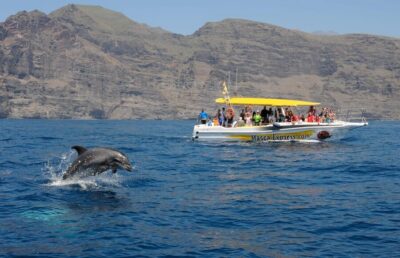
Dolphin & Whale Watching Cruise with Swim Stop
Read our review →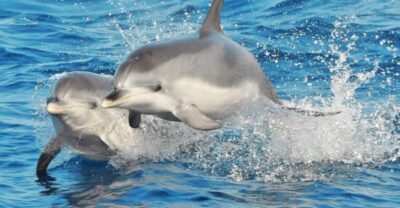
Morro Jable: Dolphin & Whale Watching Cruise, Drinks & Swim
Read our review →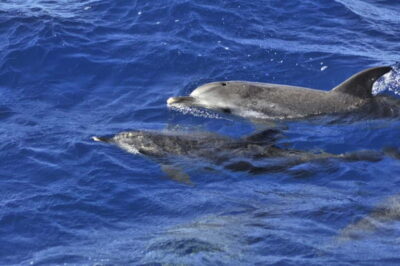
From Morro Jable: Dolphin and Whale Watching and Snorkelling
Read our review →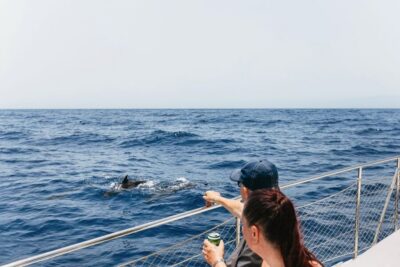
Whale & Dolphin Watching Cruise with Swim Stop
Read our review →Browse the lists this tour appears in