
Review · USA WHALE WATCHING TOURS
Whale Watching Tour from Anacortes
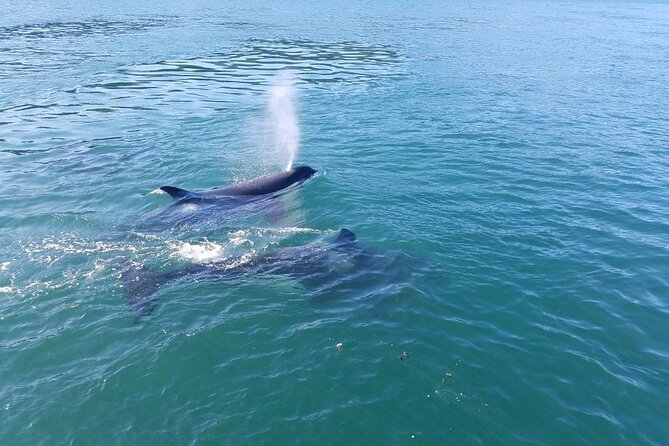
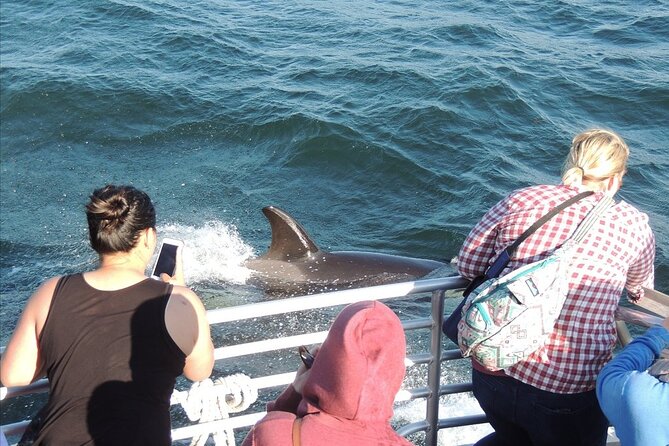
The best part of this Anacortes whale-watching trip is the setting: you are searching for orcas among the San Juan Islands, with Canada often visible across the water and seals, sea lions, porpoises, otters, and bald eagles adding to the show. I like the fast boats, which cover more water, and the guides’ habit of explaining whale behavior rather than simply pointing at a fin.
I also like the interior seating, a welcome refuge when the wind picks up. The tradeoff is simple: this is a wild-animal search, not a timed performance. Even with sightings reported on 98 percent of trips, the ride can be chilly, bumpy, and longer than expected when the crew follows whales at a respectful distance.
Key points to know before booking
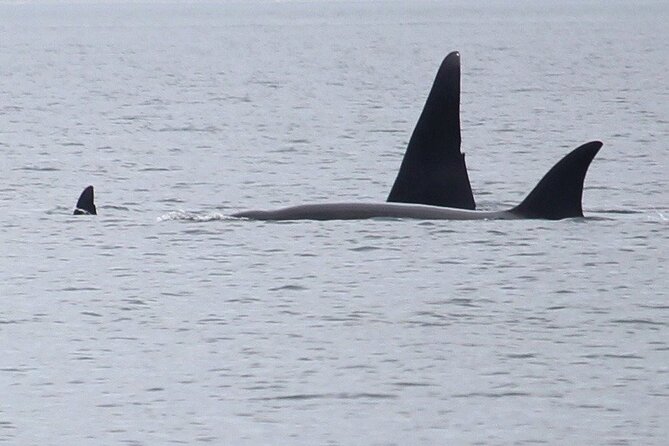
- Orcas are the main event: Search for resident killer whales, along with humpback, gray, and minke whales.
- Anacortes saves you a ferry ride: The port is about 90 minutes north of Seattle by car.
- The boats are built for range: High-speed vessels can cover large stretches of the San Juan and Canadian Gulf islands.
- Expect more than whales: Seals, sea lions, porpoises, otters, seabirds, and bald eagles are all possible.
- Dress for wind, not just sunshine: Bring a warm jacket, windproof layer, raincoat, and sunglasses.
- The trip usually runs three to four hours: Some outings have lasted about four and a half hours when wildlife activity kept the boat out longer.
Why Anacortes is a smart whale-watching base
Anacortes is the home port for this trip and a practical starting point for exploring the San Juan Islands. It is about 90 minutes north of Seattle, and you do not need to board a ferry to reach the marina. That matters. A ferry trip adds reservations, waiting, loading time, and the risk of missing your return sailing.
From Bellingham and Birch Bay, the drive is shorter. From Seattle, plan your day carefully. You need to arrive at 2201 Skyline Way in Anacortes, and the boat returns to that same meeting point. The trip is not a quick harbor cruise, so allow time for the drive, parking, check-in, and the ride back to your lodging.
The marina itself is the gateway to open water. Once the boat leaves Anacortes, the scenery changes quickly from working waterfront to islands, channels, rocky shores, and distant Canadian peaks. Even on a day when the whales keep their distance, the setting gives the outing real value.
More whale watching around the USA worth comparing
- Juneau Wildlife Whale Watching
★ 5.0 · 7,379 reviews - Juneau Wildlife Whale Watching & Mendenhall Glacier
★ 5.0 · 6,236 reviews - Boston: City Cruises Whale Watching Cruise
★ 4.5 · 4,710 reviews
A fast boat gives you a wider search area
Outer Island Excursions uses smaller, high-speed vessels designed to search a broad area. That is useful because whales do not wait in one place. The crew may cover more than 50 miles while checking likely waters around the San Juan Islands and the Canadian Gulf islands.
A fast vessel also means a more active ride. You are not sitting on a slow sightseeing boat that stays close to the harbor. The captain may run at speed between sightings, then slow down once whales are located. If you are sensitive to motion, prepare for changing conditions and consider where you sit.
The boats carry up to 49 people, so this is not a private expedition. Still, the smaller-vessel format keeps the experience more focused than a large passenger ferry. Guides move around the boat, answer questions, and explain what you are seeing. Some departures include interior seating, which makes a real difference when the wind turns cold.
Following orcas through the San Juan Islands
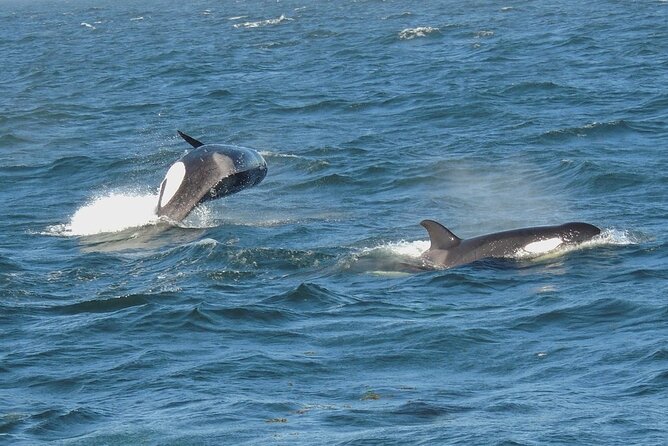
Resident orcas are the headline attraction. The local pods feed mainly in the inland waters around the islands, and the crew searches for them by watching reports, reading the water, and tracking known whale movements. When the boat finds a pod, you may follow it for a while rather than simply stop for one quick pass.
That patience can pay off. Recent outings have included two large pods, groups of five orcas, and the T100 group feeding. One trip followed a pod with a calf less than a month old. Another found two brother orcas swimming past the boat.
The law requires boats to keep a respectful distance, so do not expect the vessel to pull right alongside a whale. That can feel frustrating when an orca surfaces just beyond the ideal photo range, but it protects the animals and gives you a more natural view. The best moments often come when a whale surfaces, disappears, and then appears again somewhere else.
The crew’s explanations add meaning to the sighting. You may learn how pods travel together, how the whales hunt, and how individual families are identified. Guides associated with recent departures have included Drew, Tiffany, Matt, Brooke, Isabelle, Sean, Thomas, Andy, Becky, Becca, Sam, Bruno, and Hannah. The exact crew varies, but the guide-led interpretation is a key part of the outing.
Humpbacks, gray whales, and minkes broaden the search
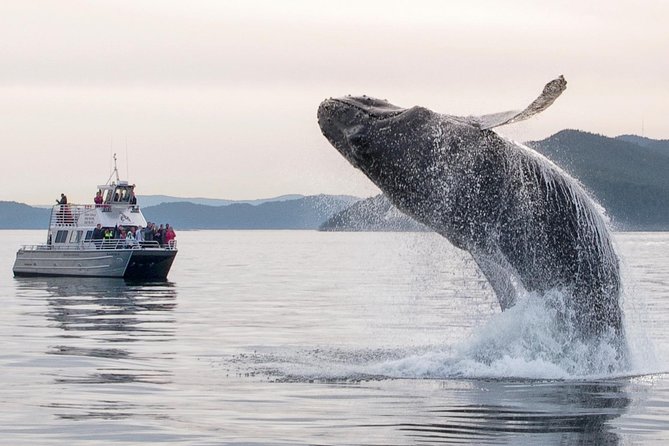
Orcas are not the only target. The crew also searches for humpback, gray, and minke whales. Humpbacks can produce some of the most dramatic encounters, especially when they are feeding near the surface.
One recent trip found two humpbacks in a feeding frenzy, followed by a lone orca on the return ride. That kind of sequence explains why the tour can feel unpredictable in a good way. You may leave hoping for orcas and end up watching humpbacks work through a feeding area.
Gray and minke whales are also possible, though sightings depend on season, location, and the animals’ movements. The crew does not control which species appears. What it can do is cover water efficiently and keep looking.
Sightings are guaranteed from April through early September, according to the tour details. You should still read that promise sensibly. A guarantee does not mean a particular species, a close approach, or a full hour beside a pod. It means the operator provides a sighting during that seasonal period or offers the stated remedy if the trip cannot deliver.
Same sea, a different boat:
- Whale Watching Tour in Gloucester
★ 5.0 · 4,460 reviews - City Cruises Boston Whale Watching Cruise by High-Speed Boat
★ 4.5 · 3,115 reviews - Maui Eco-Raft Tour: Eye-Level Whale or Dolphin Watching – Lahaina
★ 5.0 · 2,482 reviews - San Diego Whale Watching Cruise
★ 5.0 · 2,317 reviews
The supporting cast: seals, sea lions, porpoises, and birds
The wildlife list is long enough to make the trip worthwhile even before a whale appears. Harbor seals may show up near shore or in sheltered water. Sea lions are larger, louder, and hard to miss when they gather.
Porpoises can move quickly through the water, while otters are smaller and easier to miss. Bald eagles, herons, seabirds, and other coastal birds add movement above the water. Guides also explain local geography and animal habits, so the ride becomes more than a search for a dorsal fin.
One outing included eagles, herons, seals, sea lions, and a pod of orcas. Another combined whales, seals, sea lions, and a bald eagle. These sightings are not guaranteed individually, but they give you plenty to watch during long stretches between whale encounters.
Keep your eyes open and your camera ready, but do not spend the whole trip looking through a screen. Wildlife appears quickly, and the boat may turn before you have framed a perfect photo. I would rather watch a whale surface cleanly than lose the moment while adjusting a zoom.
What the three to four hours feel like
The advertised trip lasts three to four hours. That time includes the departure from Anacortes, the run through island waters, the search, wildlife viewing, and the return to the marina. Some outings have lasted closer to four and a half hours when the captain stayed with active wildlife.
The timing can work well as a half-day plan. You have room before or after the cruise for a meal in Anacortes, but do not schedule something tight immediately afterward. Wildlife does not follow a clock, and the return can take longer if the boat is far from the marina.
Most of the trip is spent outside, even if the vessel has interior seating. You will want a clear view from the deck, especially when the crew spots whales. Then you may retreat indoors during a fast crossing or a colder stretch.
The weather can change the feel of the trip. A sunny day may still be cold once the boat is moving. Bring several warm layers, something windproof, and a raincoat in October or during unsettled weather. Sunglasses help with glare, and binoculars can improve distant sightings.
Price, group size, and what you get for $119
The price is $119 per person, including Washington State sales tax and applicable fees. You also get a professional guide, the high-speed vessel, and a three to four hour excursion.
That is not a bargain-bin harbor ride, but the value is reasonable if you care about access to a large search area and live interpretation. The boat may travel dozens of miles, and the crew can spend real time with whales once they are found. You are paying for a specialized vessel, a captain, naturalist guidance, and the chance to see wild animals in their own habitat.
The value drops if you expect a guaranteed close-up of an orca on every trip. No responsible operator can promise that. You are buying a well-organized search with a strong stated sighting rate, not a staged encounter.
A maximum of 49 people keeps the group moderate rather than intimate. If you want a completely private experience, the company also offers private charters. Those can be customized with fishing, kayaking, island hopping, and other additions, but they are a different product and price level.
The scenery is part of the ticket
The San Juan Islands reward your attention even when whales are not nearby. You may see wooded islands, open channels, distant shorelines, and Canadian waters. Several outings have crossed views toward Canada, which adds a pleasant international flavor without requiring a border crossing.
This is not a tour where the scenery is just a backdrop. The islands explain why the area supports such varied marine life. Sheltered channels, open water, rocky points, and changing tides create different habitats, and the guides connect what you see to the geography around you.
I especially like that the trip gives you a sense of place. You are not simply being driven to a known whale location. You are moving through a working marine region where the animals, boats, islands, and weather all shape the day.
Practical advice for comfort and timing
Dress warmer than you think you need. A fleece or sweater under a windproof jacket is a good starting point, and October outings may call for several layers plus a raincoat. The cold comes from speed and wind, even when the forecast looks mild.
Wear shoes that can handle a moving boat. Bring sunglasses, binoculars if you have them, and a camera strap. Snacks and drinks are available on some boats, but I would still eat before departure rather than count on a small onboard selection.
Parking deserves attention. One outing notes that curbside parking may help you avoid a $10 parking charge, but conditions can change, so check local signs when you arrive. Do not cut your arrival close. The meeting point is at Skyline Way, and the boat returns there after the cruise.
Children must be accompanied by an adult. Service animals are allowed, and most people can participate. The operator says the trip requires good weather and a minimum number of participants. If poor weather or low enrollment cancels the departure, you are offered another date or a full refund.
The standard cancellation rule is strict: your booking is non-refundable and cannot be changed for any reason. I would avoid booking this as a loose add-on to a crowded weekend plan.
Who will enjoy this outing most
This trip fits families, couples, friends, solo visitors, and anyone who wants a serious chance to see marine wildlife without taking a ferry from Seattle. It is also a good choice if you enjoy learning as you go. The guides explain animal behavior, local geography, and the identity of whale groups, rather than treating the cruise as a silent sightseeing ride.
Photographers should like the range of subjects, though wildlife photography is never guaranteed. The wide search area gives you more chances, while the boat’s speed helps the crew reach active pods. Just remember that whales may surface at a distance and the boat must follow viewing rules.
It is less ideal for anyone who needs a short, calm, predictable outing. The ride can be cold, rough, and longer than planned. If you want a quiet indoor cruise with guaranteed close views, this is not the right fit.
Should you book the Anacortes whale-watching tour?
I would book this if seeing wild orcas is high on your Pacific Northwest list and you can give the day some flexibility. The 98 percent sighting rate, seasonal guarantee, fast vessels, and strong wildlife coverage make the $119 fare reasonable.
Book early, especially since departures average about 27 days of advance planning. Choose clothing for wind and rain, leave space in your schedule, and treat every sighting as a gift rather than a promise of a perfect photograph.
Skip it if you cannot tolerate cold or motion, or if a non-refundable booking creates too much risk. For everyone else, this is a practical way to reach the San Juan Islands, search a broad stretch of water, and see the region as a living marine habitat.
FAQ
Where does the whale-watching tour depart?
The tour departs from 2201 Skyline Way, Anacortes, Washington 98221. It returns to the same meeting point.
How long is the tour?
The experience is scheduled for approximately three hours, with the included tour duration listed as three to four hours. Some outings have lasted about four and a half hours.
Do I need to take a ferry from Seattle?
No. The tour departs from Anacortes, which is about 90 minutes north of Seattle by car, so you do not need a ferry to reach the departure point.
What whales might I see?
The search includes resident orcas, humpback whales, gray whales, and minke whales. Sightings are guaranteed from April through early September.
What other wildlife might appear?
Possible sightings include porpoises, seals, sea lions, otters, seabirds, bald eagles, and herons.
How many people can join the boat?
The maximum group size is 49 people.
What happens if bad weather cancels the tour?
If poor weather cancels the experience, you are offered a different date or a full refund. The same options apply if the minimum number of participants is not reached.
Can I cancel my booking for a refund?
No. The experience is non-refundable and cannot be changed for any reason. Cancellation by the operator because of weather or insufficient enrollment is the exception.
New whale trips around the USA
- Anacortes: Orca Whales Guaranteed Boat Tour near Seattle★ 4.7 · 33 reviews
- Anacortes: Full Day Whale/Wildlife Tour; Friday Harbor Stop★ 5.0 · 5 reviews
- Anacortes: Whale Watching Adventure Tour Near Seattle★ 4.8 · 45 reviews
- Juneau: 3.5-Hour Small Group Whale Watching Tour★ 5.0 · 2 reviews
- Whale Watch and Turtles Snorkel★ 5.0 · 122 reviews
- Whale Watch Cruise Aboard The Majestic★ 4.5 · 193 reviews
- Whale Watching & Late Breakfast Cruise in Honolulu★ 4.0 · 161 reviews
- Honolulu, Oahu: Waikiki Whale Watching Cruise★ 3.5 · 166 reviews
USA Whale Watching Tours, compared.
Juneau Wildlife Whale Watching & Mendenhall Glacier
Read our review →
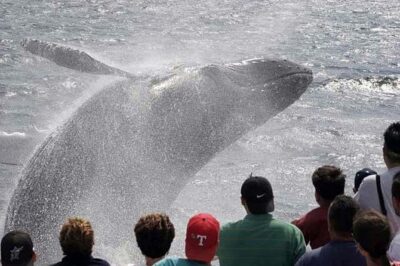
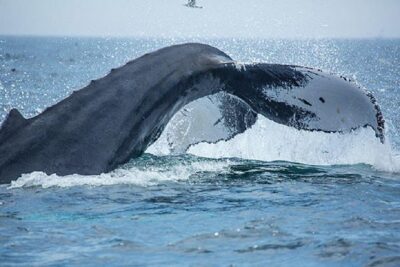
City Cruises Boston Whale Watching Cruise by High-Speed Boat
Read our review →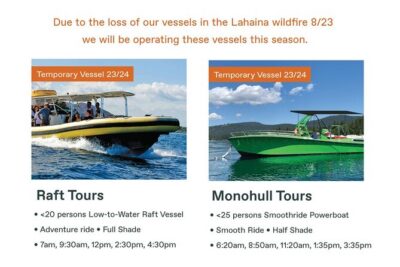
Maui Eco-Raft Tour: Eye-Level Whale or Dolphin Watching – Lahaina
Read our review →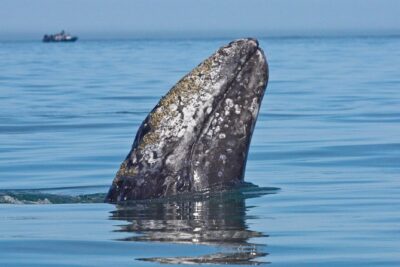
Browse the lists this tour appears in