
Review · MEXICO WHALE WATCHING TOURS
Whale Watching Group Tour in San Jose del Cabo
The best part of this San Jose del Cabo whale tour is its small-group format. With a maximum of 10 people, you have a much better chance of seeing the water, hearing the guide, and following a whale without feeling packed into a floating crowd. Humpbacks and gray whales visit the warm waters of the Sea of Cortez during the season from December 15 through April 15.
I like the hydrophone, which lets you hear whale sounds underwater, and I like that the crew takes photos for you at no extra charge. The guides, including Paola, Sofia, Luisa, Kate, and others, bring strong marine knowledge to the trip. The main catch is simple: this is wildlife, not a stage show. You may see only blows and tails, and late-season trips can have fewer sightings.
Key points to know before booking
- Small group of up to 10: The boat has room to feel comfortable, but the operator keeps numbers low for a more personal outing.
- Whale season runs December 15 to April 15: January through March offers the clearest match with the advertised migration period.
- Hear whales underwater: A hydrophone adds sound to the usual sights of spouts, surfacing whales, and flukes.
- Free photos are included: You can watch the ocean instead of spending the whole trip behind a camera.
- No hotel transportation: You need to reach the Salty Cabo meeting point in Poblado La Playa yourself.
- Wildlife sightings vary: Humpbacks and gray whales are the focus, but dolphins and other marine life may also appear.
A small boat and a serious whale-watching purpose
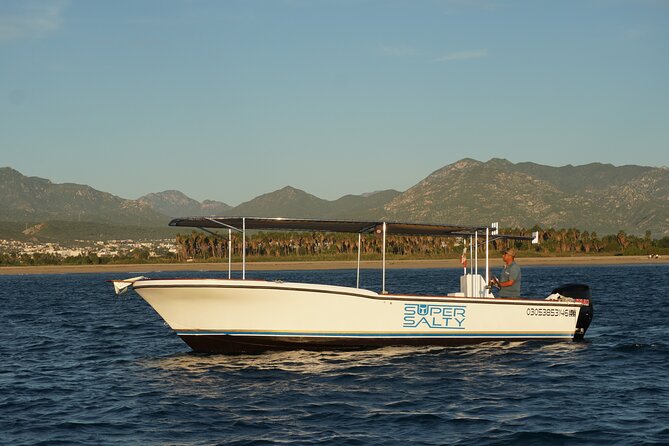
Salty Cabo leaves from Boulevard Tiburón in Poblado La Playa, San José del Cabo. The tour lasts about two hours and returns to the same meeting point. Several departure times are offered, so you can fit the outing around a beach day, a morning walk, or dinner in town.
The group limit matters. A boat carrying 10 people feels different from a large sightseeing vessel where you must compete for a rail position. Here, you can move your attention between the guide, the water, and the horizon without as much fuss. One useful detail from the experience reports is that the boat itself may have space for more people, but the company still limits the public trip to keep it from feeling crowded.
I also like the operator’s stated focus on respectful observation. The goal is not to chase whales into dramatic behavior. It is to watch mothers and calves, competitive males, surfacing animals, and other natural activity while giving the animals room. That approach can mean fewer close passes or fewer action shots, but it is the right trade for a wildlife trip.
The tour is offered in English, with multilingual marine guides available. Sofia has explained the experience in both English and Spanish, which is useful when family members are more comfortable in different languages. Guides such as Paola, Kate, Luisa, and Sofia have been singled out for their clear explanations and enthusiasm for marine life.
More whale watching around Mexico worth comparing
- Luxury Catamaran Whale Watching Cabo San Lucas
★ 5.0 · 2,107 reviews - Whale Watching Cabo-Women crew-Sightings Guaranteed & Free Photos
★ 5.0 · 1,743 reviews - SMALL GROUP Whale Watch | Cabo San Lucas | Biologist | FREE Pics
★ 5.0 · 1,106 reviews
What happens during the two-hour outing
The trip begins at the Salty Cabo location in San José del Cabo. The meeting point is near public transportation and has bathrooms, which makes the start easier, especially for families. Private transportation is not included, so plan your own way to Poblado La Playa.
After boarding, the captain and guide head out to look for whale activity. The exact route and sightings depend on sea conditions and where the animals are that day. You might see a single whale surfacing in the distance, several animals moving together, or a mother and calf staying near one another.
The guide helps turn scattered signs into a real wildlife encounter. A blow on the horizon can be easy to miss, and a trained spotter may notice it before you do. Paola, for example, was praised for spotting the first group on one outing, while other guides have explained the difference between a mother, calf, and escort whale.
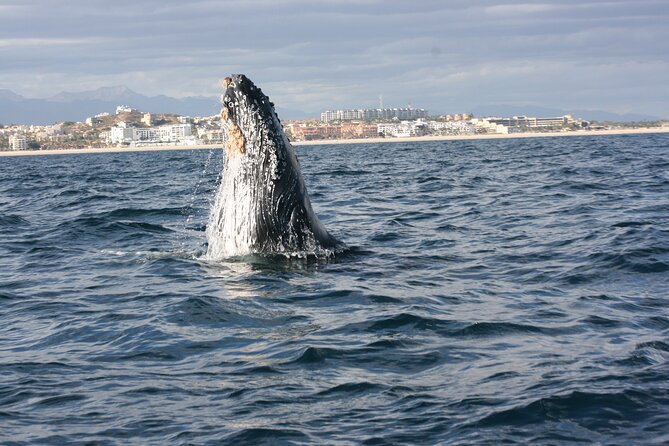
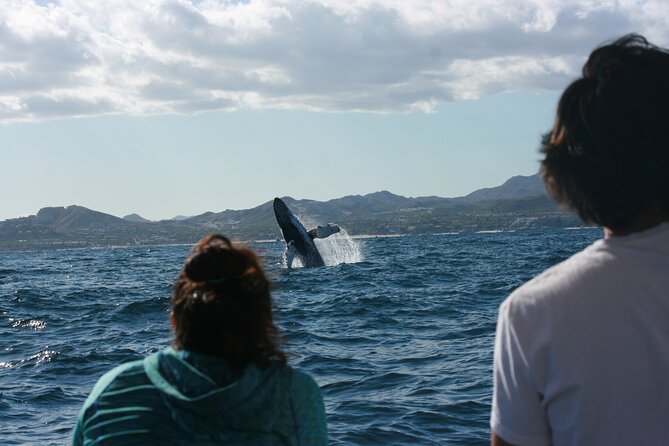
The most common sights are not necessarily full breaches. You may see the top of a whale, a blow, a back rolling through the water, or a tail lifting before a deeper descent. That is normal whale watching. A complete body leap is rare, and you should not book this expecting repeated cinematic breaches.
When conditions are good, the show can be remarkable. Specific outings have included mother and calf pairs, escorts swimming beneath the boat, tandem breaching, repeated fluking, and two whales lingering near the boat for more than an hour. On another outing, a family group of common dolphins appeared on the way back. Dolphins are a possible bonus, not the central promise.
The crew may extend the trip when wildlife activity makes it sensible and safe, but you should treat the listed two hours as the expected length. One outing returned just short of two hours even though the whales were active. Another continued for an extra hour because two whales remained near the boat. That flexibility is welcome, but it is not something you can count on.
The hydrophone changes the experience
The hydrophone is one of the strongest reasons to choose this tour over a basic boat ride. It is an underwater microphone that lets you listen to whale sounds beneath the surface.
Seeing a whale is exciting, but hearing one adds another layer. You can connect the sounds with the animals’ movements and the guide’s explanation of communication. Families and teenagers tend to get a lot from this because the experience becomes more than pointing at distant spouts.
The sound may not be available at every moment. The whales need to be in a useful position, and conditions need to cooperate. Still, it is included as part of the outing and has been praised as a memorable addition.
The guides also discuss anatomy, migration, communication patterns, and environmental problems facing whales. That information gives the trip some substance. You are not simply riding around hoping for a tail. You are learning how to read the animals and why the seasonal migration matters.
Humpbacks, gray whales, and the timing of the season
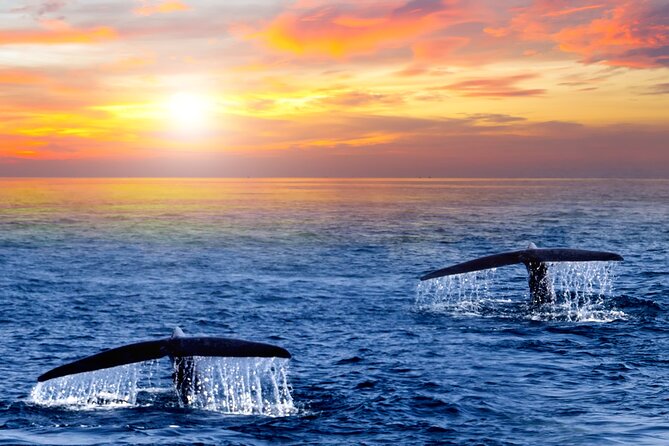
The tour describes Cabo as a strong place for studying and encountering whales of several species. Humpback and gray whales are the main focus, with the season listed as December 15 through April 15.
January, February, and March are the safest choices if whale watching is a central purpose of your trip because they sit well inside that window. February outings have produced active whales, mothers with calves, escorts, and prolonged encounters. March has also brought multiple whale groups, underwater sounds, and dolphins on the return ride.
April can still be worthwhile, but you should adjust your expectations near the end of the season. One April outing saw three whales, which was still exciting, but less active than the stronger reports from earlier months. The season ending on April 15 does not mean the ocean follows a strict calendar. Conditions and animal movements vary.
A morning departure may suit families who want a full day afterward, and it can be a good choice if you prefer to start outdoor activities early. The company offers several departure times, so you can select what fits your plans. The data does not establish that one departure time always produces better sightings, so I would choose based on your schedule rather than assume a guaranteed wildlife advantage.
Same sea, a different boat:
- Humpback Whales in Cabo San Lucas
★ 5.0 · 1,005 reviews - Whale Watching, The Famous Arch and Fast Boat Tour in Los Cabos
★ 5.0 · 693 reviews - Whale and Dolphin Watching with a Biologist in Puerto Vallarta
★ 5.0 · 666 reviews - Sunsets and Whales Mega Yachts ALL INCLUSIVE: Puerto Vallarta
★ 5.0 · 509 reviews
Guides who add meaning to the sightings
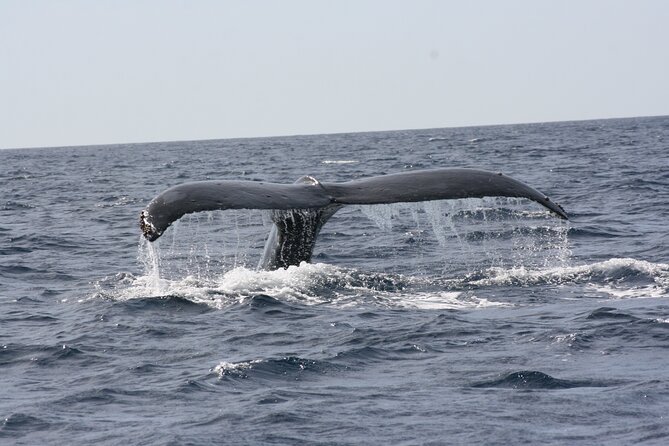
The guide is a major part of this experience. The strongest outings have featured marine biologists or guides with detailed knowledge of local whales and a clear respect for the animals.
Paola has been praised for identifying whales, sharing information, taking photos, and helping the trip stay enjoyable even when the animals were less active. Sofia has explained anatomy, migration, and whale communication, while also making the tour accessible in English and Spanish. Luisa has been noted for her informative style, and Kate for her strong knowledge and genuine affection for the work.
Captains also matter. Javier, Chato, and other crew members have been described as safe, friendly, and attentive. The boat operator’s skill affects how smoothly you approach an area and how comfortably you follow the action. You are not promised a close encounter, but careful handling and respect for distance make the observation better for both people and whales.
This is also a good choice if you like learning about conservation. The crew has discussed citizen science projects and environmental issues affecting whales. That focus gives children and teenagers something useful to take home beyond photographs.
Photos, snacks, and what to bring
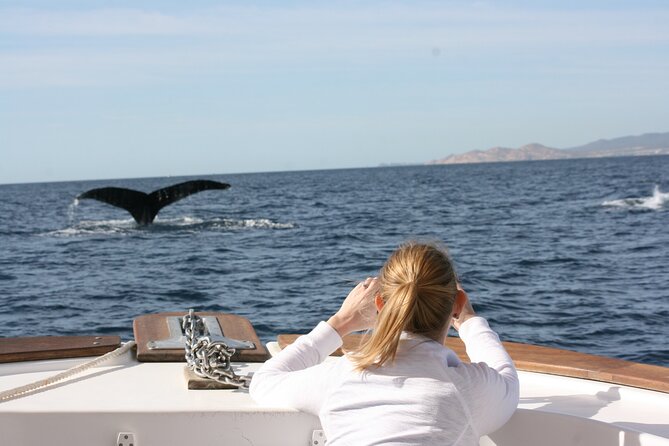
Water and cookies are included, along with tour photos. The photo service is especially useful because whale watching demands attention. If you spend the whole trip trying to frame a distant blow, you can miss the animal’s next movement.
The quality of the photos may vary by outing. One person found the captain’s pictures less successful, but said the whales were so close that everyone still took excellent shots, especially a couple using a GoPro underwater. Another outing included an excellent camera and photos sent promptly after the trip.
Think of the included images as a helpful record, not a professional photography package. Bring your own camera or phone if you want extra control, but keep it secure around the boat. The hydrophone and live viewing are the real draw.
The supplied information confirms water and cookies, but does not list a full meal or specialized clothing. Dress for being on the water and bring anything you need for personal comfort. Since the trip is only about two hours, the snack service is a small convenience rather than a substitute for lunch.
Is $99 a fair price?
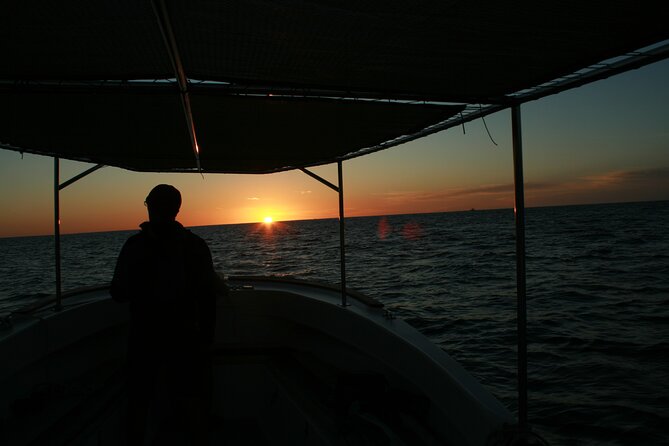
At $99 per person, this tour is not the cheapest possible boat ride, but the price makes more sense when you add up what is included. You get roughly two hours on the water, a small group capped at 10, a marine-focused guide, hydrophone listening, water, cookies, and photos.
The group limit is the main value point. If you want a quieter, more personal outing, paying more than a high-volume harbor trip may be worthwhile. The included photography also saves you from buying a separate photo package.
The value is less certain if you are judging the trip only by the number of whales seen. Wildlife does not obey the price tag. An April outing may produce three whales, while a February morning may produce six to 10 individual animals and several mother-calf pairs. The fee buys the search and the expertise, not a guaranteed count or breach.
I would consider $99 reasonable for a visitor who cares about the quality of the observation and the educational side. If you simply want a quick boat ride and do not mind a large crowd, another option may cost less. Here, the small group and marine interpretation are what justify the rate.
Who should book this tour?
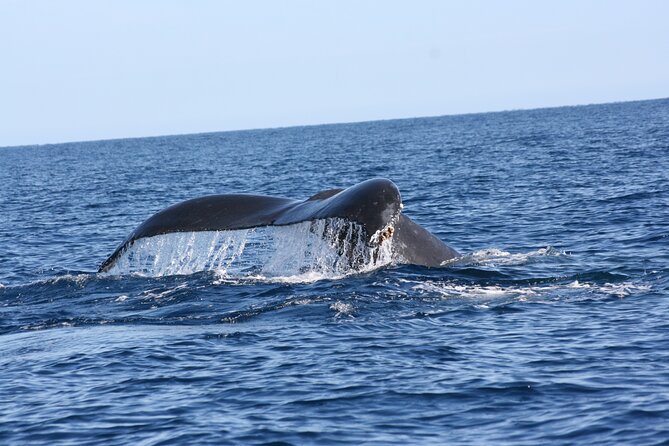
Families are a strong match. The two-hour length is manageable, and the mix of whale behavior, photos, dolphins, and underwater sound can hold the attention of children and teenagers. The company also allows service animals, and most people can participate.
Couples and solo visitors can also fit in easily because the group is small. The experience has worked well for people who want a focused morning rather than a full-day excursion. It is also a good option for anyone who prefers a guide who explains what is happening instead of leaving you to identify distant shapes by yourself.
This tour is less suitable if you need private transportation, a private boat, or a guaranteed close encounter. Transportation is not included, and the public group is capped at 10 rather than being exclusively yours. If you want more control over timing and route, Salty Cabo also operates private tours, but the price and details for those are not provided here.
The biggest practical issue is weather. The trip requires suitable conditions, and poor weather can lead to a new date or a full refund. You can cancel for a full refund up to 24 hours before departure. Inside 24 hours, cancellations and changes are not accepted for a refund.
My call: book it if whale watching is a priority
I would book this tour if you want a small boat, a serious guide, and more than a quick glimpse of a whale. The hydrophone, free photos, and strong guides such as Paola and Sofia give the outing extra value, while the 10-person limit helps keep it personal.
Book between January and March if you can, and keep your expectations grounded. You may see spectacular behavior, or you may mostly watch blows, backs, and tails. That uncertainty is part of wildlife watching, but Salty Cabo gives you a well-prepared way to experience it.
FAQ
Where does the whale-watching tour meet?
The meeting point is Salty Cabo Whale Watching San Jose del Cabo, on Boulevard Tiburón in Poblado La Playa, San José del Cabo, B.C.S., Mexico.
How long does the tour last?
The tour lasts approximately two hours and ends back at the meeting point.
What whales might I see?
The tour focuses on humpback and gray whales. Specific sightings depend on wildlife and sea conditions.
When is whale-watching season?
The stated season runs from December 15 through April 15.
How many people can join the group?
The activity has a maximum of 10 travelers.
Is transportation included?
No. Private transportation is not included, so you need to make your own way to the meeting point.
What is included in the price?
The tour includes water, cookies, photos, and listening to whales with a hydrophone.
Is the tour offered in English?
Yes. The tour is offered in English, and the company has multilingual guides. Some guides can also explain the experience in Spanish.
Can I cancel for a full refund?
Yes. You can cancel at least 24 hours before the start time for a full refund. Cancellations within 24 hours are not refunded.
What happens if bad weather cancels the tour?
If poor weather causes a cancellation, you will be offered another date or a full refund. A new date, another experience, or a full refund may also be offered if the minimum number of participants is not met.
New whale trips around Mexico
- Whale Watching Dinner Cruise in Cabo San Lucas★ 4.5 · 116 reviews
- Whale Watching & Snorkeling Combo in Los Cabos with Photos Included★ 5.0 · 41 reviews
- Puerto Vallarta: 3-Hour Whale Watching and Snorkeling★ 4.0 · 62 reviews
- Luxury Whale Watch Cruise to The Arch Los Cabos★ 4.5 · 126 reviews
- Los Cabos Seasonal Whale Watch and Snorkel Tour★ 4.5 · 20 reviews
- Small-Group Whale Watching Zodiac Boat Cruise in Cabo San Lucas★ 4.5 · 143 reviews
- Whale-Shark Snorkeling Excursion to La Paz★ 5.0 · 58 reviews
- Cabo San Lucas Whale Watching Lunch Cruise★ 5.0 · 197 reviews
Mexico Whale Watching Tours, compared.
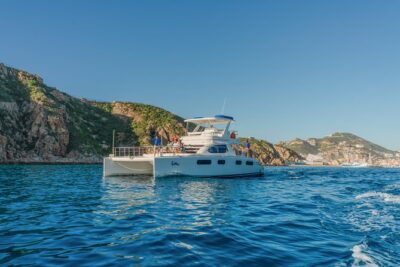
Luxury Catamaran Whale Watching Cabo San Lucas
Read our review →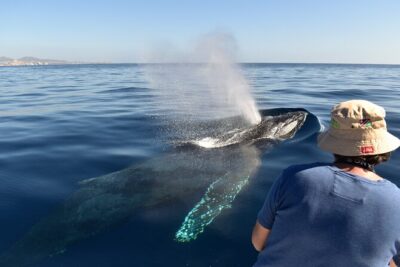
Whale Watching Cabo-Women crew-Sightings Guaranteed & Free Photos
Read our review →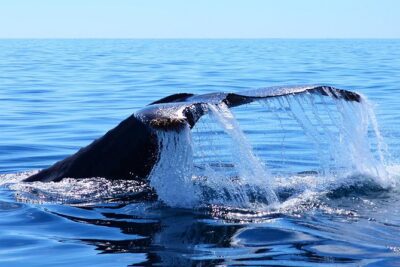
SMALL GROUP Whale Watch | Cabo San Lucas | Biologist | FREE Pics
Read our review →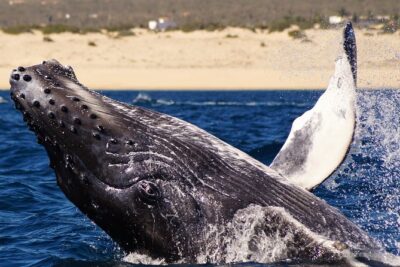
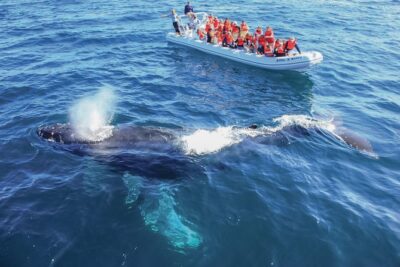
Whale Watching, The Famous Arch and Fast Boat Tour in Los Cabos
Read our review →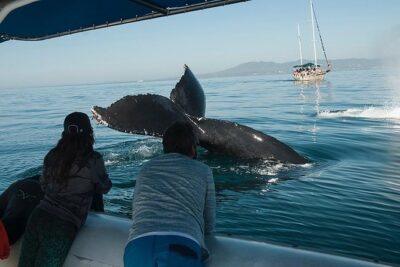
Whale and Dolphin Watching with a Biologist in Puerto Vallarta
Read our review →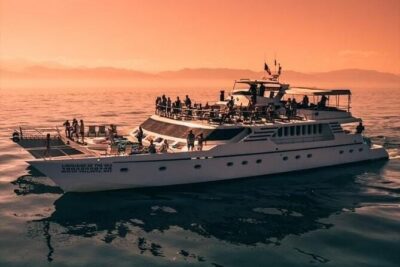
Sunsets and Whales Mega Yachts ALL INCLUSIVE: Puerto Vallarta
Read our review →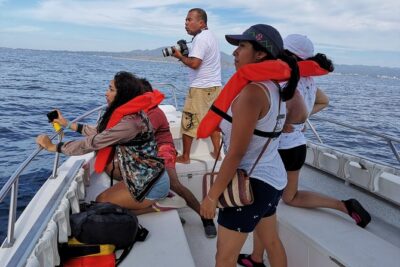
Browse the lists this tour appears in