Review · WHALE WATCHING AND WILDLIFE CRUISES
Whale Dolphin and Bird Watching Ecotour Cruise
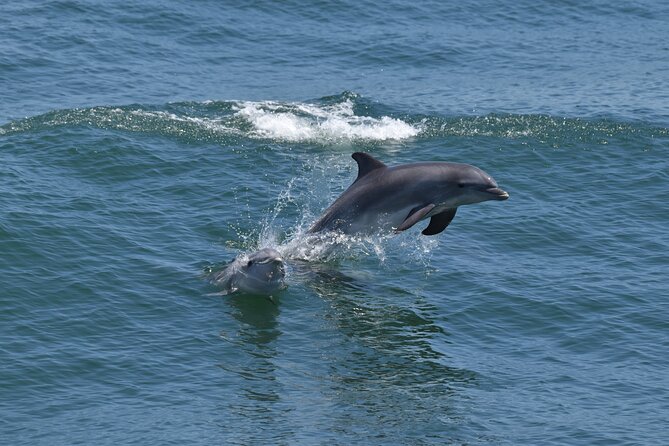
Cape May’s best wildlife show may begin close to shore, where Atlantic bottlenose dolphins often travel alongside the boat. The cruise then heads offshore, sometimes as far as six miles into the Atlantic, looking for baleen whales, sea turtles, stingrays, and ocean birds.
I like two things right away: marine biologists guide the trip, and the touch tank gives children a hands-on way to learn while the crew searches the water. The three-hour length also gives you time to see more than one stretch of Cape May’s coast.
The main consideration is simple: whales are never guaranteed as a species. Marine mammal sightings are guaranteed, but some trips find dolphins and birds without finding a whale. That still makes this a solid nature cruise, but you should book it for the whole experience, not only for a humpback photograph.
Key points to know before you sail
- Dolphins are often the main event: Coastal Atlantic bottlenose dolphins are usually the first wildlife target near shore.
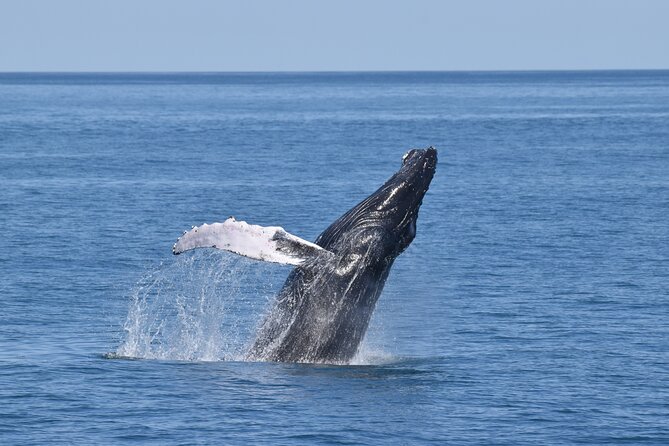
- A whale sighting is possible, not certain: Some trips find humpback whales, while others see dolphins, birds, turtles, or stingrays instead.
- Marine biologists lead the trip: You get explanations about the animals, not just a ride around the bay and ocean.
- The touch tank adds real value for families: Children can handle the learning experience through live local sea creatures.
- The cruise lasts about three hours: That is enough time to cover the shoreline and head offshore without turning into a full-day outing.
- Parking is included: Food, drinks, and purchases from the galley, bar, and gift shop cost extra.
From Schellenger Landing to Cape May’s open water
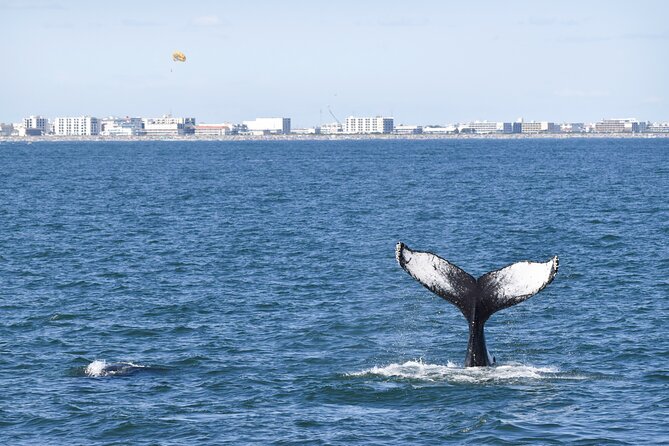
The cruise begins at Rt-109 at Schellenger Landing in Lower Township, New Jersey. The listed departure time is 1:30 pm, and the boat returns to the same meeting point after roughly three hours.
That return-to-the-same-place setup is useful if you are building a Cape May day around the cruise. You do not need to arrange a second pickup point, and parking fees are included in the experience. The meeting point is also near public transportation, which helps if you are not driving.
Once underway, the trip starts along the Cape May shoreline. This first section is not filler. Coastal waters can be a good place to watch for bottlenose dolphins, and the crew can begin explaining what to look for before the boat heads farther out.
Keep your eyes moving rather than staring at one spot. Dolphins may appear briefly, and the crew gives helpful guidance on where to look when an animal surfaces. You might see a single animal, a larger group, or a calf traveling with adults.
More Whale and Dolphin Watching Tours in the USA
- Maui Eco-Raft Tour: Eye-Level Whale or Dolphin Watching – Lahaina
★ 5.0 · 2,482 reviews - Monterey: Monterey Bay Dolphin and Whale Watching Boat Tour
★ 4.7 · 1,645 reviews - San Diego Whale Watching & Dolphin Cruise
★ 4.5 · 1,588 reviews
Dolphins, birds, and the search for whales
The boat’s main wildlife plan has two parts. First, it searches near shore for dolphins. Then it moves offshore in search of migratory baleen whales.
That distinction matters when you set expectations. A whale-watching trip is controlled by wild animals, weather, water conditions, and timing. You can spend a pleasant three hours on the ocean and still not see the species you hoped for.
The strongest wildlife days can be memorable. Sightings reported on different trips include large numbers of dolphins, a dolphin calf, osprey, a bald eagle, sea turtles, stingrays, and a humpback whale. You might also see several types of seabirds while the boat is moving between search areas.
The cruise travels as far as about six miles into the Atlantic on some outings. That gives you a wider chance of finding offshore wildlife, but it also means you should be ready for open-water conditions. The trip is best for someone who enjoys watching, waiting, and learning as much as taking a quick photograph.
The crew does not simply point toward the horizon and leave you to guess. Marine biologists and interns explain the sea life and help direct your attention. Their role is one of the strongest reasons to choose this cruise over a basic sightseeing boat ride.
What the marine biologists add
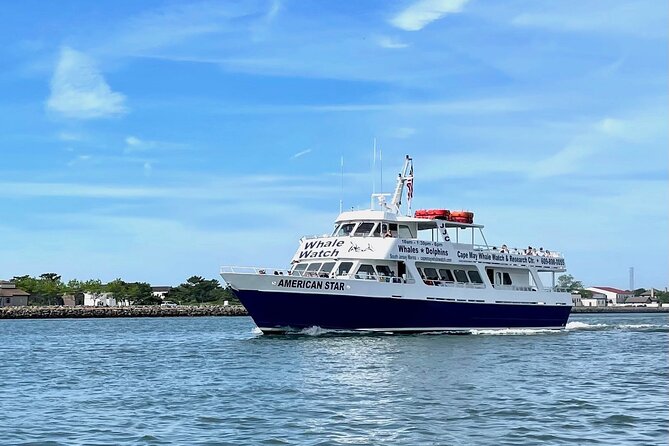
The naturalists explain the animals whether or not a whale appears. That makes a real difference on a no-whale day.
You can learn about dolphin behavior, migration, birds, and the local marine environment while the boat covers the water. The educational side also helps children understand why the crew may spend time watching an empty patch of sea. The goal is not a guaranteed performance, but careful observation of wild animals.
The scientific approach keeps the trip useful for adults, too. You are not limited to a quick identification of a dolphin or bird. The crew can provide context about what you are seeing and why the animals may be in that part of the water.
The onboard interns also help with questions and with the small live-animal display. Their presence gives the cruise a friendly, active feel, especially for families who want more than a ride on a boat.
I would choose this experience for a curious child who asks why dolphins surface, how birds find food, or what lives under the water. The crew can turn those questions into part of the outing.
The touch tank and hands-on learning
The live touch tank is one of the cruise’s most useful extras. It features local sea creatures and gives you a hands-on scientific interaction while the boat is searching for whales.
This matters during the quiet stretches. Wildlife watching includes pauses, and younger children can lose patience when everyone is staring at the horizon. The touch tank gives them a direct way to connect with the marine life being discussed.
The activity is not only for children. It helps put the local ecosystem into physical terms. Instead of hearing about sea creatures as distant subjects, you can see and handle some of the smaller animals that live in the area.
You should still treat the touch tank as one part of the trip, not the main reason to book. The cruise is built around marine mammal and bird watching, with the touch tank adding structure and interest between sightings.
More Whale Watching and Wildlife Cruises in the USA
- Juneau Wildlife Whale Watching
★ 5.0 · 7,379 reviews - Juneau Wildlife Whale Watching & Mendenhall Glacier
★ 5.0 · 6,236 reviews - Wildlife Viewing, Sightseeing and Whale Watching Quest
★ 5.0 · 812 reviews - Seattle: Half-Day Wildlife and Whale Watching Cruise
★ 4.3 · 378 reviews
Food, drinks, and time on board
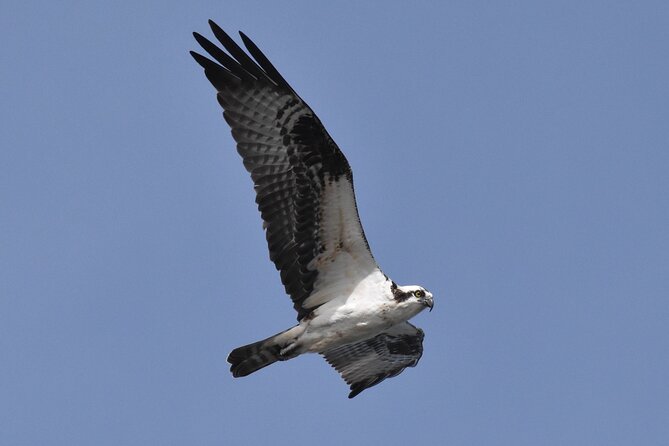
The boat has a full galley, bar, and gift shop. You can buy food and drinks during the cruise, and the onboard outlets accept cash or credit cards.
Those purchases are not included in the $50 ticket. The price covers the cruise, parking, the marine biologist-led program, the guaranteed marine mammal sighting, and the educational activities. If you want snacks or drinks, budget for them separately.
Having food available is handy on a three-hour trip. It also means you do not have to treat the cruise as a formal meal stop. Still, you should not assume that the ticket price includes anything from the galley or bar.
The gift shop can be useful if you want a small souvenir connected to the outing. Its presence also gives families another way to keep children occupied during slower periods, though purchases are extra.
Is $50 a fair price?
At $50 per person, the value is better than a simple promise of a whale sighting. You are paying for about three hours on the water, parking, a marine biologist-led program, hands-on learning, and a touch tank with live local creatures.
The guaranteed marine mammal sighting is important, but read it correctly. It does not mean the boat guarantees a whale, dolphin, or particular animal on every trip. It means you should expect to see marine mammals, while the exact species and number can change.
A strong day might include many dolphins, a calf, a humpback, seabirds, and clear ocean views. A quieter day might bring plenty of dolphins and birds but no whale. Several trips have also produced sea turtles and stingrays, which add variety even when the whale search comes up short.
For a family, the included parking and educational program improve the value. For a couple interested in wildlife, the price is still reasonable if you enjoy time on the water and accept the uncertainty. If your only goal is to see a whale, the ticket becomes a gamble, since the animals set the schedule.
Weather, boat conditions, and group size
The experience requires good weather. If poor weather forces a cancellation, you are offered another date or a full refund.
The boat can carry up to 149 people, so this is not an intimate private wildlife trip. A larger vessel gives you room to move around and search from different sides, but the atmosphere may feel active rather than quiet.
Having space to roam is useful when animals appear in different directions. You can change position, find a clearer view, and avoid being fixed to one seat. On the other hand, a full boat may make close viewing harder at busy moments.
Most people can participate, and service animals are allowed. Since the cruise heads into open water and lasts three hours, consider your own comfort with boat travel before booking. The available information does not specify particular accessibility equipment or seating arrangements, so contact the provider if you need a specific accommodation.
Who will enjoy this Cape May cruise most
This trip suits families who want an educational outing rather than a passive boat ride. The touch tank, live local animals, and naturalist explanations give children several ways to stay involved.
It also fits adults who enjoy birds and marine life. A bald eagle, osprey, sea turtles, stingrays, or a pod of dolphins can make the day worthwhile even without a whale.
Photographers should bring patience. A humpback or dolphin may surface only briefly, and the boat can be moving when the best sighting happens. The wildlife is real, but it is not staged for an easy photograph.
I would be more cautious about booking this for someone who dislikes uncertainty or expects a whale on demand. The crew can search carefully, but no responsible wildlife operator can control where a migratory whale appears.
Booking timing and cancellation rules
The cruise is often booked about 14 days ahead, so planning early is sensible, especially if your Cape May dates are fixed. Confirmation arrives when you book, and the ticket is mobile, which keeps check-in simple.
You can cancel for a full refund up to 24 hours before the 1:30 pm start time. Changes or cancellations made less than 24 hours ahead are not accepted for a refund.
The company may also cancel if weather is poor or if the minimum number of participants is not reached. In those cases, you are offered another date or experience, or a full refund. The cut-off times follow local time.
Should you book the Whale Dolphin and Bird Watching Ecotour Cruise?
Book it if you want three hours of guided wildlife watching, not just a narrow whale hunt. The marine biologists, touch tank, included parking, and variety of possible sightings make the $50 price sensible.
Go with realistic expectations. You may see a humpback whale, as some trips do, but you may instead spend the day with dolphins, birds, turtles, stingrays, and wide ocean views. That is not a failed outing. It is the normal bargain of watching wild animals.
For families, first-time wildlife watchers, and anyone who likes learning outdoors, this is an easy choice. If your schedule allows, reserve ahead and keep the rest of the afternoon flexible. Let the dolphins, birds, and weather decide how memorable the cruise becomes.
FAQ
Where does the cruise begin?
It begins at Rt-109 at Schellenger Landing in Lower Township, New Jersey 08204.
What time does the cruise start?
The scheduled start time is 1:30 pm.
How long does the experience last?
The cruise lasts approximately three hours and returns to the original meeting point.
Is parking included?
Yes. Parking fees are included in the experience price.
Are whales guaranteed?
Marine mammal sightings are guaranteed, but a specific species such as a whale is not guaranteed. You may see dolphins, birds, sea turtles, stingrays, or other marine life instead.
Who leads the cruise?
Marine biologists guide the tour, with interns also assisting with education and wildlife information.
Is food included?
No. The boat has a galley, bar, and gift shop, but food, drinks, and purchases are not included in the ticket price.
Can I cancel for a full refund?
Yes. You can cancel at least 24 hours before the experience start time for a full refund.
Is the cruise canceled in bad weather?
The experience requires good weather. If poor weather causes cancellation, you are offered another date or a full refund.
More Whale Watching Cruises in the USA
- Boston: City Cruises Whale Watching Cruise
★ 4.5 · 4,710 reviews - City Cruises Boston Whale Watching Cruise by High-Speed Boat
★ 4.5 · 3,115 reviews - San Diego Whale Watching Cruise
★ 5.0 · 2,317 reviews - Whale-Watching Cruise from Newport Beach
★ 4.5 · 927 reviews
New whale trips around the USA
- Newport Beach: Year-Round Whale Watching Cruise★ 4.2 · 151 reviews
- Juneau: Mendenhall Glacier and Whale Watching Tour★ 4.6 · 98 reviews
- West Oahu: Eco-Friendly Whale Watching Cruise★ 4.5 · 40 reviews
- Oahu: Waikiki Eco-Friendly Morning Whale Watching Cruise★ 4.4 · 119 reviews
- Whale Watch Sail Ma’alaea★ 4.9 · 27 reviews
- Whale and wildlife watching Private and Semi-Private tours★ 5.0 · 2 reviews
- Oahu: Waikiki Eco-Friendly Afternoon Whale Watching Trip★ 4.5 · 60 reviews
- Waikiki: Sunset Whale Watching with 2 Drinks (BYOB-Friendly)★ 4.3 · 34 reviews
Whale Watching and Wildlife Cruises, compared.

Juneau Wildlife Whale Watching & Mendenhall Glacier
Read our review →
Original Big Whale Safari & Puffins by Speedboat
Read our review →
Wildlife Viewing, Sightseeing and Whale Watching Quest
Read our review →