
Review · SRI LANKA WHALE WATCHING TOURS
2-Day Whale Watching & Southern Sri Lanka Tour
The best reason to take this two-day trip is simple: it puts Mirissa’s whale-watching waters together with Galle Fort, river wildlife, beaches, temples, and turtle conservation. You cover a lot of southern Sri Lanka in a short time, with one night in Mirissa to make the early sea trip practical.
I like the small group of up to 10 people, which should make the driving and sightseeing less anonymous. I also like the mix of activities: a slow mangrove river safari, a guided walk through Galle Fort, and a rough-and-ready ocean trip where you might see blue whales, humpbacks, dolphins, or nothing dramatic at all.
The main drawback is the pace. This is an ambitious two-day route, and the ocean can be very rough. You will also pay extra for both boat trips, so the advertised $292 price is not the final activity cost.
Key points to know before booking
- Whale watching is the headline event: Mirissa is known for blue whales and humpback whales, with the strongest season generally from November through April.
- The route is packed: You visit Bentota, Galle, Hikkaduwa, Unawatuna, Mirissa, and several smaller attractions in only two days.
- Boat fees are extra: Budget another $25 per person for the river safari and $50 per person for whale watching.
- The river safari adds real variety: Expect a slow cruise through mangroves with possible crocodile, monkey, giant lizard, and bird sightings.
- Galle Fort gets proper attention: A guided walking tour gives the old Portuguese and Dutch fortress more meaning than a quick photo stop.
- The sea may test your stomach: The whale boat can move sharply in open water, so bring a passport, protect yourself from the sun, and prepare for seasickness if you are prone to it.
Why this tour works for a short Sri Lanka visit
This is not a relaxed beach holiday. It is a concentrated introduction to Sri Lanka’s southwestern and southern coast, designed for you if you have limited time and want several major sights handled in one package.
The route begins with pickup from accommodation in Colombo, Kalutara, Bentota, or Galle. From there, you travel south toward Mirissa, stopping at coastal sights and cultural attractions along the way. The overnight stay matters because Mirissa is much better placed for the morning whale-watching outing than Colombo.
The tour costs $292 per person before the two boat charges. Add $75 for the river and whale boats, bringing the known activity cost to $367 per person, not counting drinks, snacks, visas, flights, or other personal spending. That is not a bargain-basement day trip, but it includes transport, one night with breakfast and dinner, guiding, taxes, and a long list of stops.
I see the value mainly in convenience. You do not have to arrange a driver, find a hotel in Mirissa, work out how to reach the whale boats, or organize each coastal stop separately. If you prefer slow mornings and long stays in one place, this will feel rushed. If you want to make two days count, it makes sense.
Other boats heading out around the world:
- Tenerife: Eco-Yacht Whale and Dolphin Watching and Swimming
★ 4.7 · 15,619 reviews - Los Cristianos Respectful No-Chase Whale and Dolphin Safari
★ 4.6 · 12,782 reviews - Reykjavík: Whale Watching and Marine Life Cruise
★ 4.6 · 9,838 reviews
Bentota River brings a quieter start
Bentota gives the first day a good change of rhythm. The beach is one of Sri Lanka’s best-known coastal resort areas, but the river safari is the more distinctive stop.
You board a small boat for a slow ride through the Bentota River and its mangrove areas. The aim is to spot wildlife along the banks and in the water. Possible sightings include crocodiles, giant lizards, monkeys, and birds. These are wild animals, not a staged animal show, so sightings are never guaranteed.
I like this part because it gives you a closer look at a different side of the coast. Sri Lanka is not only beaches and old buildings. The mangrove waterways support a quieter natural world, and the boat ride lets you watch it without the physical strain of the ocean trip.
The river boat costs an extra $25 per person. That is worth adding to your budget before booking, especially because it is one of the experiences that breaks up the driving. If you are trying to keep the total low, this is the optional boat charge to consider carefully, since the whale trip is the main reason most people choose the tour.
Galle Fort deserves more than a quick photo
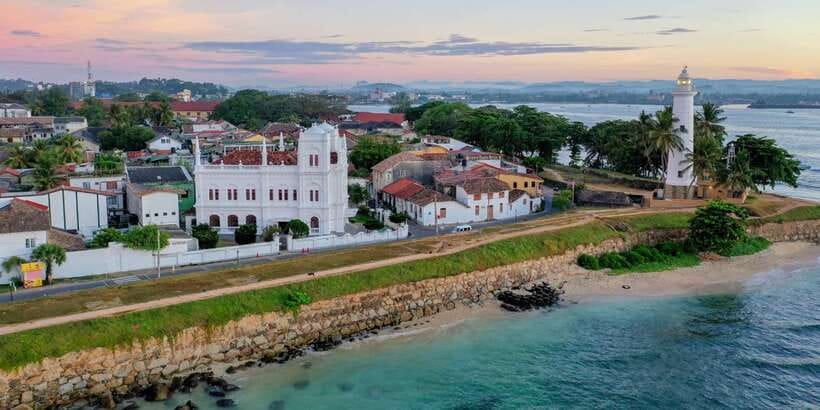
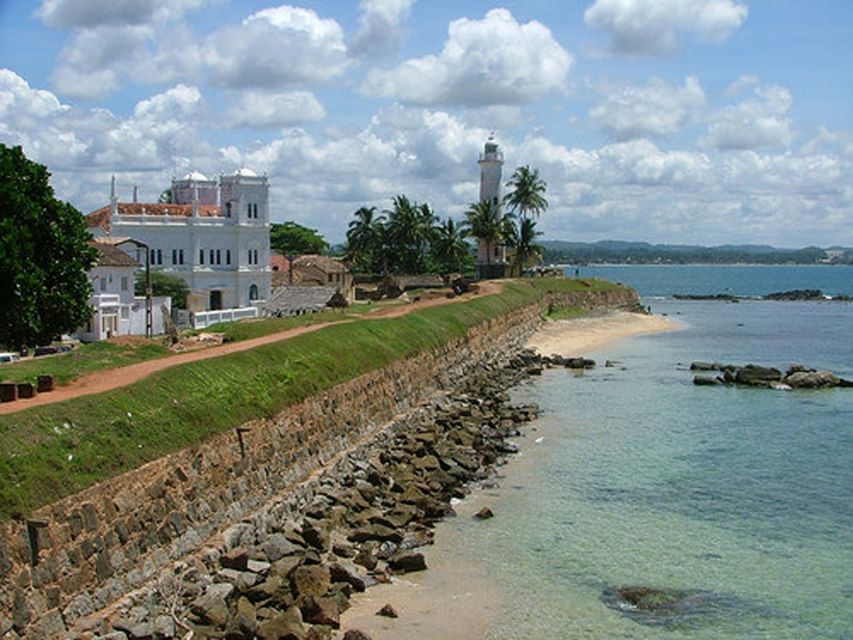
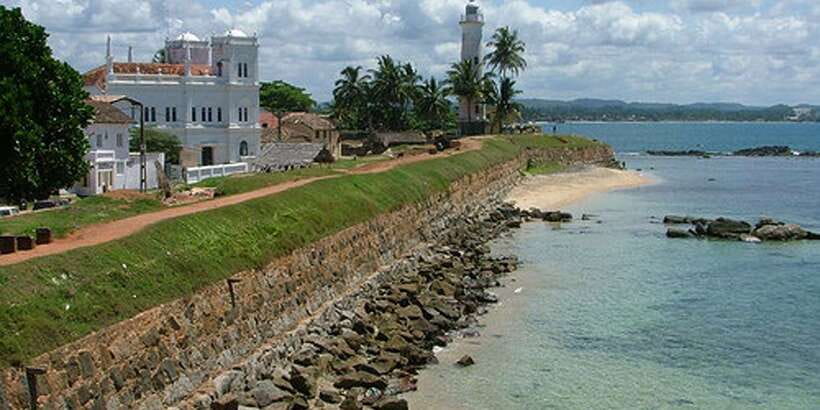
Galle was an important seaport on the old Silk Route. The Portuguese first built the fortress, and the Dutch later expanded and strengthened it. Today, Galle Fort is a UNESCO World Heritage Site, with thick defensive walls, colonial-era buildings, narrow streets, and views over the sea.
The guided walking tour is one of the strongest parts of the land program. A guide can explain why the fort looks European while still feeling firmly tied to Sri Lanka’s trading past. Without that context, you might simply see old walls and attractive streets. With it, the fort becomes easier to read.
The wider Galle visit includes the lighthouse and coastal area, along with time in the city. The schedule also includes a handicraft centre and a mask-carving centre. These stops can be useful if you want to understand local decorative arts, though some people may find commercial craft visits less compelling than the fort itself.
You should expect the route to give the fort a practical guided visit rather than a slow day of wandering. If Galle is your main interest, tell your guide that you want enough time for the fortress. The tour is described as flexible in spirit, and one experienced guide, Sanjeewa Padmal, was praised for letting the guest decide how long to spend at each activity. Guides vary, so do not assume you will have Sanjeewa personally, but the example shows why it is worth speaking up about your priorities.
Kande Vihara adds a cultural stop
Kande Vihara is included as a guided Buddhist temple visit. It is known for its very large seated Buddha statue, described as the biggest meditating Buddha statue on Sri Lanka’s west coast.
This stop gives the route a useful cultural counterpoint to the beaches and wildlife. You will need to treat the temple as a religious site, not only as a sightseeing stop. Dress and behave respectfully, and bring your passport as requested in the tour information.
Time is tight on this trip. One person chose to skip the Buddha temple in favor of swimming because there was not enough time for every stop at length. That is a fair warning: the schedule gives you many choices, but you may need to decide what matters most to you.
More whale watching around the world worth comparing
- From Funchal: Ecological Catamaran Dolphin Whale Watching
★ 4.5 · 8,204 reviews - Juneau Wildlife Whale Watching
★ 5.0 · 7,379 reviews - Juneau Wildlife Whale Watching & Mendenhall Glacier
★ 5.0 · 6,236 reviews - Funchal: Dolphin and Whale Watching Catamaran Cruise
★ 4.5 · 5,697 reviews
Turtle conservation and Hikkaduwa’s sea life
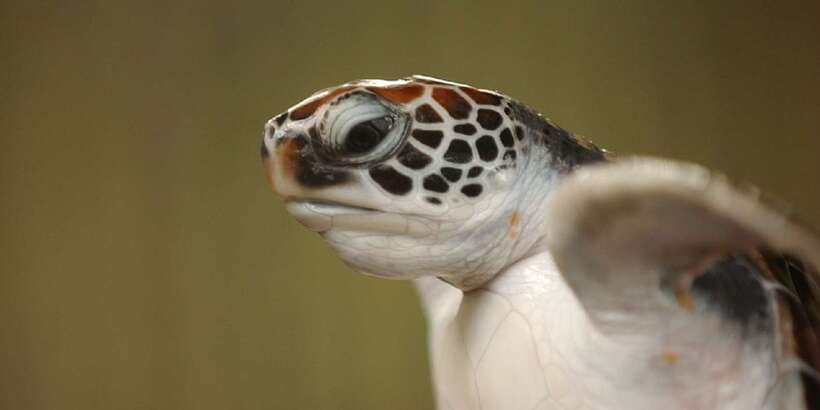
The tour visits a sea turtle conservation centre in the Bentota area. It is presented as a guided visit, giving you a chance to learn about turtle protection rather than simply stopping at a beach.
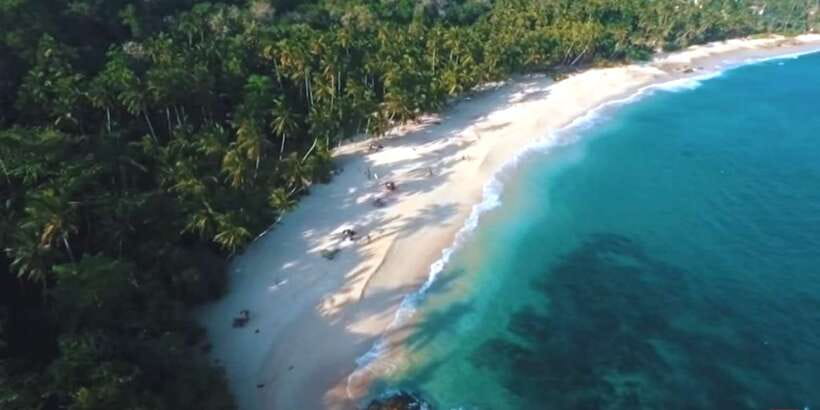
Later, Hikkaduwa adds another coastal highlight. The area is associated with a marine sanctuary, corals, and unusual fish, and the wider experience includes a glass-bottom boat element. Hikkaduwa Beach is also one of the most attractive beach stops on the west coast.
The turtle centre and marine sanctuary are not interchangeable experiences. One focuses on conservation work on land, while the other introduces you to sea life and coastal habitat. Together, they help explain why the southern coast is more than a line of swimming beaches.
You should keep expectations sensible. A glass-bottom boat gives you a view through the water, but visibility depends on sea conditions. The same is true of wildlife sightings. You might see fish and coral clearly, or the water may be less cooperative.
Mirissa is the payoff, but not a guarantee
You spend the night in Mirissa in a three-star-compatible hotel, with dinner and breakfast included. The accommodation is one of the practical strengths of the package because it puts you close to the second day’s main activity.
The hotel quality may vary. One booking included a beachfront hotel described as luxurious, while another room had weak air conditioning and a mildew smell in the bedroom and bathroom. That is a useful reminder to keep expectations at the stated three-star level rather than assuming a uniformly polished resort.
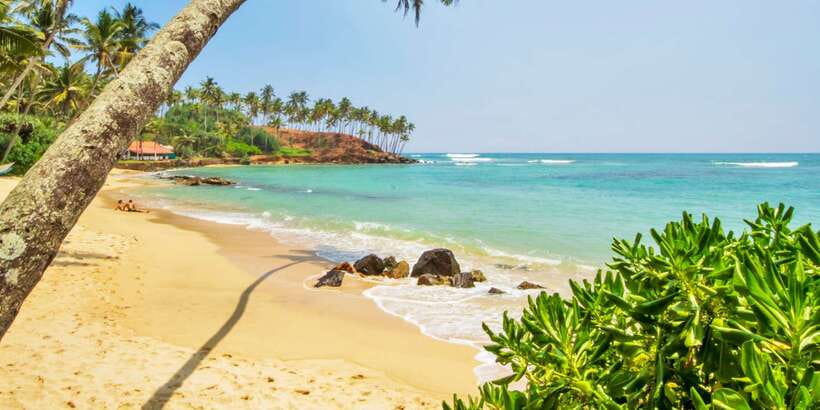
Mirissa Beach itself is another important part of the route. It gives you a chance to enjoy the coast without the pressure of a scheduled monument or boat departure. Still, because the first day contains many stops and the second day is built around whale watching, your free beach time may be limited.
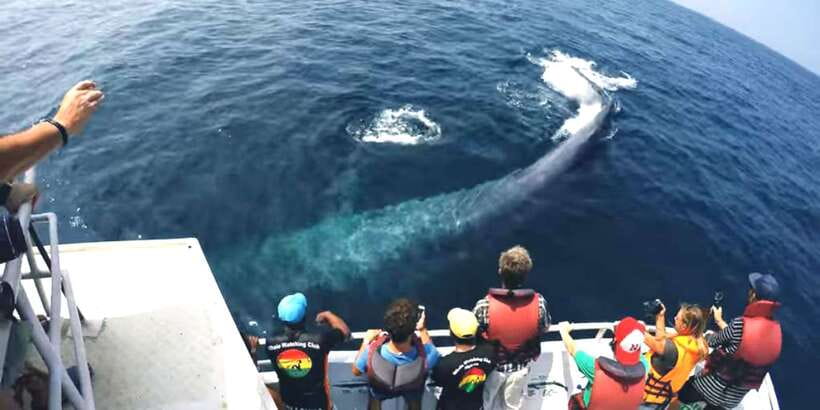
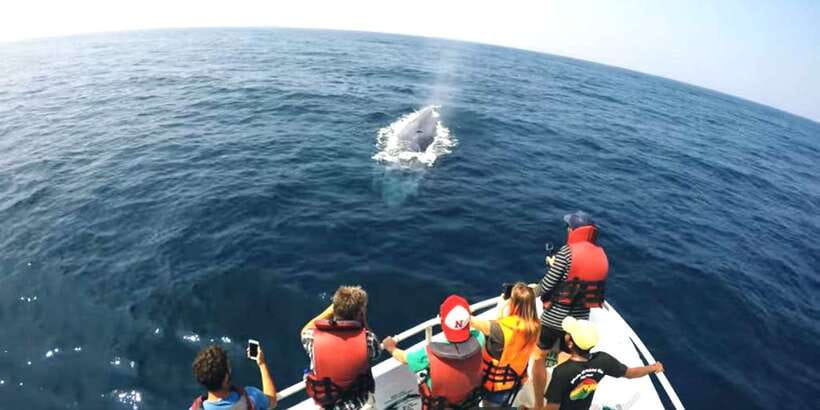
The whale trip is where the tour can become memorable, but it is also where you have the least control. The waters off Mirissa are known for blue whales and humpback whales. From November through April, whale activity is generally strongest, although sightings can happen at other times of year.
The description of lunge-feeding whales sounds spectacular, with whales using bubble nets to gather fish before surging upward. Treat that as a possibility, not a promise. You may see a whale at a distance, dolphins, several animals, or no dramatic breach at all. One successful outing included dolphins but not a close, theatrical whale encounter, while another group did see whales.
That uncertainty is part of the deal with wildlife watching. You are going out into the animals’ environment, not attending a show. The trip is still worthwhile if you value the sea experience itself, but you should not book it only for a guaranteed photograph.
The ocean trip can be physically demanding
The whale-watching boat charge is another $50 per person. The additional fee is substantial, but it covers the central activity of the second day, so most people booking this tour will want to include it.
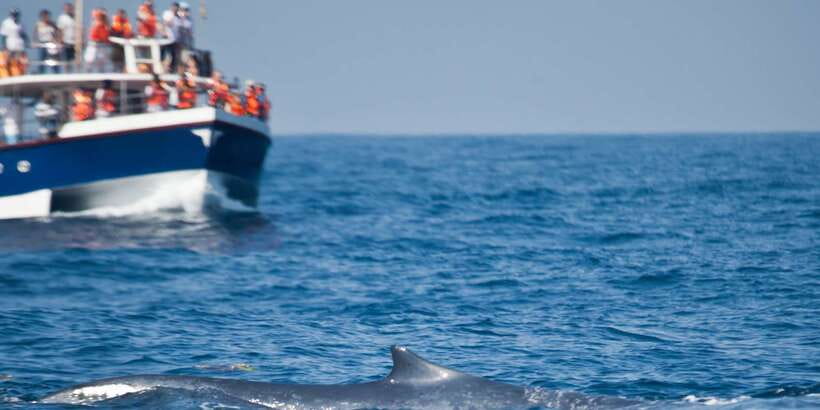
The open ocean can be very rough, and the boat may move sharply. If you suffer from seasickness, this is the most important practical warning in the whole tour. Bring any medication you normally use, eat lightly before the trip, and take the guide’s safety instructions seriously.
You should also expect sun, wind, spray, and a long period on the water. The provided information does not specify the exact boat departure time, so check availability before booking. The schedule is tied to sea conditions and the whale-watching operation.
The fact that the boat charge is separate can feel awkward, but it does make the base price easier to compare with other land-based tour packages. Just compare the full figure, not only the headline number.
How the two-day schedule feels
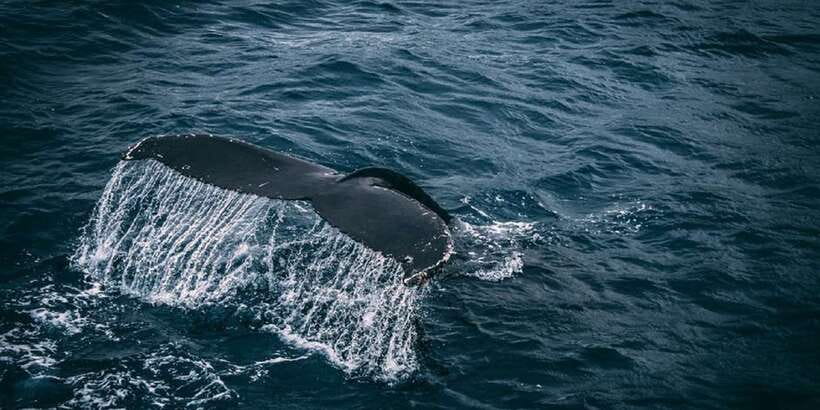
Day one is a long sightseeing day. You travel from Colombo toward Mirissa while stopping at Bentota Beach, the river, the turtle centre, Galle, Kande Vihara, the craft and mask centres, and Hikkaduwa. That is a lot of road time and a lot of changing from one activity to another.
I would not choose this route for a quiet anniversary or a slow beach break. I would choose it if I had two days to cover the southern coast and wanted someone else to handle the driving and timing.
Day two is simpler in theme but demanding in practice. You take the whale-watching boat from the Mirissa area, then return toward Colombo. The contrast works well: the first day gives you history, wildlife, temples, and beaches, while the second centers on the ocean.
The small-group format should make the experience easier to manage than a large coach excursion. There are up to 10 participants, and pickup is included from listed areas. English and German guiding are available.
Who should book this experience
I would recommend this tour to you if:
- You have only two days for Sri Lanka’s southern coast.
- You want Galle Fort and whale watching in the same trip.
- You prefer a planned route with transport and a hotel included.
- You enjoy varied days rather than one main attraction.
- You are comfortable with a busy schedule and possible rough seas.
- You want a small group rather than a large bus tour.
I would be cautious if you need guaranteed whale sightings, have serious motion sickness, or want long, unhurried time at each beach and monument. Families can bring children, with free participation for children under 3 and a 50 percent discount for children aged 3 to 12, but the full schedule may be tiring for young children.
Cancellation is free up to 24 hours before departure, and you can reserve now and pay later. Those terms are helpful when your Sri Lanka plans are still moving, but they do not change the basic need to budget for the two extra boat charges.
Should you book the Mirissa whale-watching tour?
Book it if you want a busy, high-value coastal sampler and understand that wildlife watching involves luck. The strongest parts are the chance to see blue whales, the guided Galle Fort walk, and the river safari, which adds crocodiles, monkeys, birds, and mangrove scenery to the ocean focus.
The price becomes easier to justify when you include the overnight stay, meals, transport, guide, and entry-related visits. Just calculate the real total as about $367 per person before personal costs, and prepare for an active first day and a bumpy second morning.
If you can accept those tradeoffs, this is a practical way to connect Colombo with the southern coast, Galle, and Mirissa without building the whole trip yourself.
FAQ
How much does the two-day tour cost?
The listed price is $292 per person. You also need to budget $25 per person for the river safari boat and $50 per person for the whale-watching boat.
What is included in the $292 price?
The price includes one night of accommodation with breakfast and dinner, guiding, listed sightseeing visits, hotel pickup from the stated areas, taxes, the Galle Fort walking tour, and the conservation and cultural visits described in the tour.
Are the boat charges included?
No. The river safari boat costs $25 per person, and the whale-watching boat costs $50 per person.
Where does pickup take place?
Pickup is available from accommodation in Colombo, Kalutara, Bentota, and Galle. The activity information specifically lists hotel pickup from Colombo.
Where do you stay overnight?
You stay overnight in Mirissa in a three-star-compatible hotel.
Which languages are available?
Live guiding is available in English and German.
How many people are in the group?
The tour is described as a small-group experience limited to 10 participants.
When is whale watching most active?
Whale activity is described as most prevalent from November through April, although whales may be seen throughout the year.
Are children allowed to join?
Children under 3 can join for free. Children aged 3 to 12 receive a 50 percent discount.
What should you bring?
You should bring your passport. Because the whale boat may be rough and exposed, you should also prepare for sun, wind, spray, and seasickness, although those extra items are not specified as required equipment.
New whale trips around the world
- Broome Sunset & Whale Watching Cruise★ 5.0 · 2 reviews
- Bremer Bay: Bremer Canyon Killer Whale Expedition★ 4.9 · 114 reviews
- Boavista: Whale Watching half day trip★ 4.4 · 15 reviews
- Bremer Canyon Orca Experience from Bremer Bay★ 4.6 · 35 reviews
- Boa Vista: Whale Watching Trip with Motoryacht★ 4.3 · 115 reviews
- Beluga Whale Sanctuary – Admissions★ 3.5 · 8 reviews
- Mauritius Eco Whales Quest, 3-4 hours Expedition★ 3.7 · 23 reviews
- Augusta: Whale Watching Tour★ 4.5 · 9 reviews
Sri Lanka Whale Watching Tours, compared.
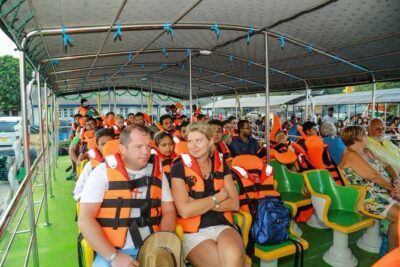
Whales and Dolphins Watching-Luxury Super Grade Cruiser(Hotel Pick up offered)
Read our review →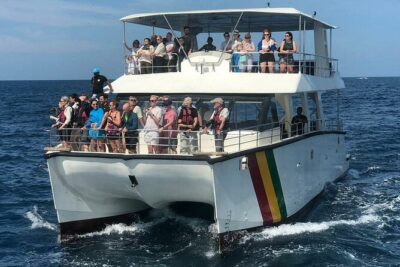
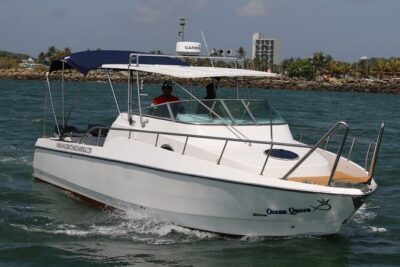
Sports Boat- Private Whale Watching Trip( free breakfast & paid pick-up)
Read our review →
All Inclusive Mirissa Whale and Dolphin Watching Boat Ride
Read our review →
Whale & dolphin Watching Boat Tour with Breakfast
Read our review →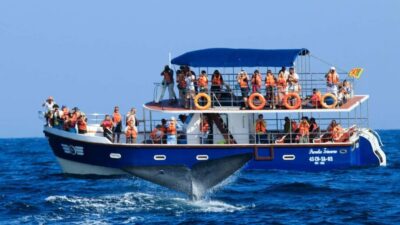
Whale & Dolphin Watching Trip with Private Transfer
Read our review →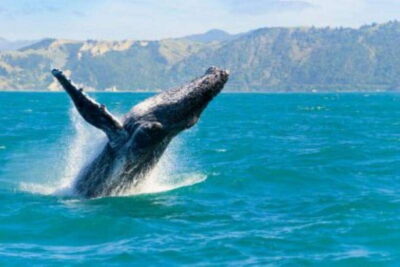
Browse the lists this tour appears in